

Men often wonder about their intimate lives after undergoing prostate surgery. At Liv Hospital, we get it. We know you have concerns and questions about sexual health after surgery. Our approach is all about you, helping you live a fulfilling life.
Understanding the changes after prostate removal is key. The NCCN Guidelines say it’s important to talk about sexual function in survivorship care. We’re here to support you, giving you the care and info you need to make good health choices.
Key Takeaways
- Prostate removal can impact sexual function.
- Most men can eventually resume sexual activity.
- Understanding post-surgery changes is vital for keeping intimacy alive.
- NCCN Guidelines stress the importance of sexual function in survivorship care.
- Liv Hospital offers full support for men’s health after surgery.
Understanding Prostate Surgery and Its Impact on Sexual Function
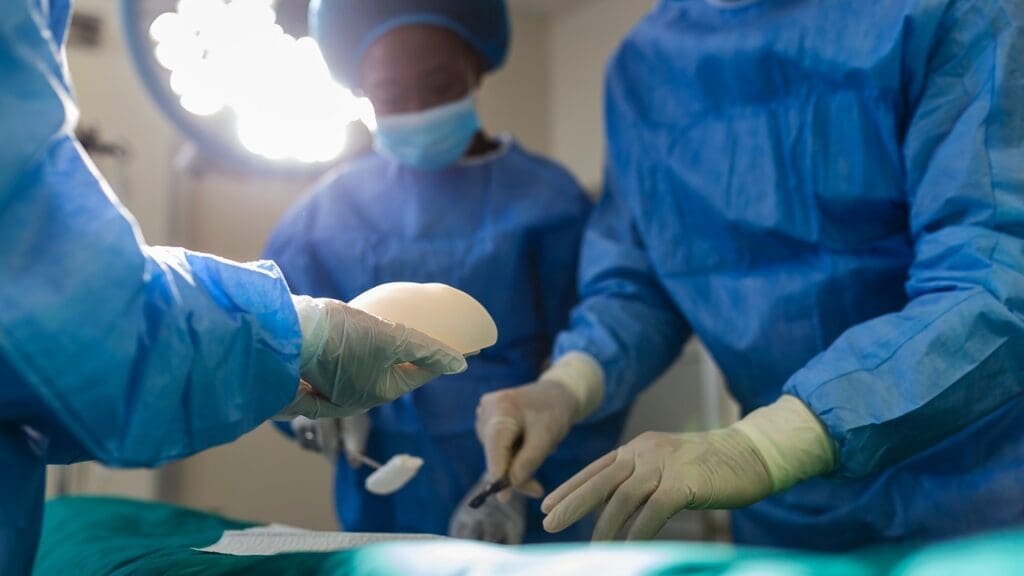
Prostate surgery is a lifesaving procedure but can deeply affect a man’s sex life. The surgery type and if nerve-sparing techniques are used greatly impact sexual function.
Types of Prostate Surgery Procedures
There are many prostate surgery types, like radical prostatectomy, which removes the prostate gland. The surgery method can differently affect sex life. Prostate cancer surgery recovery resources offer insights into what to expect.
How Prostate Removal Affects Sexual Anatomy
Removing the prostate gland can harm nearby nerves and anatomy, affecting sex. It’s key to understand these changes to manage expectations.
The Importance of Nerve-Sparing Techniques
Nerve-sparing techniques during surgery are vital for sex function preservation. The National Comprehensive Cancer Network (NCCN) Guidelines highlight their importance.
| Surgical Technique | Impact on Sexual Function |
|---|---|
| Nerve-Sparing Prostatectomy | Higher likelihood of preserving sexual function |
| Non-Nerve-Sparing Prostatectomy | Potential for significant impact on sexual function |
Understanding prostate surgery’s effects on sex health helps men prepare for changes. They can explore ways to keep their sex life intact.
The Timeline for Sexual Recovery After Prostatectomy

Recovering sexually after prostate surgery takes time, often months to years. Knowing this timeline helps men and their partners plan and make informed choices about their care.
Immediate Post-Surgery Period (0-3 months)
Right after surgery, sex can be tough due to the surgery’s impact and healing time. Many men lose their ability to get an erection. Resting and following doctor’s orders are key to healing.
Medium-Term Recovery (3-12 months)
As healing progresses, some men start to feel better sexually. They might regain their ability to get an erection, but it varies. Starting penile rehabilitation programs can help.
Long-Term Sexual Function (1-2 years)
Long-term recovery depends on surgery type, health, and rehabilitation efforts. About 60-80% of men regain function within two years. Some may get back to their pre-surgery sex life, while others face changes.
Important factors for long-term function include:
- Nerve-sparing surgery techniques
- Pre-surgery erectile function
- Age and health
- Following rehabilitation programs
Understanding the recovery timeline helps men on their journey to regain sexual health post-prostatectomy.
Physical Changes: Sex After Prostate Surgery What to Expect
It’s important to know about physical changes after prostate surgery. This knowledge helps manage expectations about sex. We’ll look at the main physical changes men might face.
Dry Orgasm: Ejaculation Changes Explained
Dry orgasm, or retrograde ejaculation, is a common change. It happens when semen goes into the bladder instead of coming out during orgasm. This is because the surgery can keep the bladder neck open. Men might feel orgasm but won’t ejaculate.
Altered Penile Sensitivity
Men might notice altered penile sensitivity after surgery. Sensitivity can be more or less than before. The nerves that control sensation are delicate and can be hurt during surgery.
Changes in Orgasm Sensation
Men might see changes in orgasm sensation. Some may enjoy orgasms as usual, while others might find them different or less intense. These changes vary from person to person.
Potential Changes in Penis Size
There’s also worry about changes in penis size after surgery. Some studies suggest a slight decrease in length for some men. But, this isn’t true for everyone and depends on the surgery method.
These changes can be tough to deal with. But knowing about them helps men prepare for what comes after surgery. It’s key to talk to a healthcare provider about these changes for personalized advice and support.
- Dry orgasm is a common occurrence due to changes in ejaculatory function.
- Penile sensitivity can be altered, either increasing or decreasing.
- Orgasm sensations may change, varying in intensity and pleasure.
- Penis size might be affected, potentially shortening slightly.
Erectile Function After Prostate Surgery
It’s important for men facing prostate surgery to know how it might affect their sex life. Surgery, like radical prostatectomy, can harm nerves and blood vessels needed for an erection. This is because these areas are close to the prostate.
How Surgery Affects Erection Mechanics
Erection is a complex process involving nerves, blood vessels, and the penis. During surgery, nerves that help with erections might get damaged or removed. This can lead to erectile dysfunction (ED). Nerve-sparing techniques aim to reduce this risk, helping to keep more erectile function.
Recovery Statistics and Realistic Expectations
Research shows that nerve-sparing methods help many men regain their ability to get erections. The success rate varies, but men under 60 with no previous ED issues tend to do better.
| Age Group | Recovery Rate with Nerve-Sparing | Average Recovery Time |
|---|---|---|
| < 60 years | 70-80% | 12-18 months |
| 60-69 years | 50-70% | 18-24 months |
| > 70 years | 30-50% | 24 months or more |
Signs of Returning Erectile Function
The return of erectile function is a slow process. Early signs include morning erections or better erectile rigidity. Men are advised to start penile rehabilitation programs early. These programs may include medications, vacuum devices, or injections.
Sexual Desire and Libido Following Prostatectomy
It’s important for men to know how prostate surgery affects their sex life. We know that worries about sex are a big part of getting better after surgery.
Testosterone Levels After Surgery
Testosterone levels usually don’t change after prostate surgery. This is because the surgery is done on the prostate gland, not the testes. The testes are where testosterone is made, and they’re not touched by the surgery.
Psychological Factors Affecting Desire
Even if testosterone levels stay the same, mental health can play a big role. Stress, anxiety, and depression from the surgery can lower libido. We stress the need to tackle these mental health issues to help with sex life.
Separating Physical Function from Sexual Interest
It’s key to understand the difference between physical sex function and wanting sex. Some men might have trouble with erections but not lose their desire for sex. Others might find their desire for sex drops even if they can get erections.
| Factor | Impact on Sexual Desire |
|---|---|
| Testosterone Levels | Generally remains unaffected |
| Psychological Factors | Can significantly influence libido |
| Physical Function | Can be separate from sexual interest |
Understanding these points helps men deal with changes after prostate surgery. This includes knowing if they can have sex after prostate cancer treatment.
Treatment Options for Post-Surgical Erectile Dysfunction
Prostate surgery can affect a man’s ability to get an erection. But, there are many treatments to help regain sexual health. Erectile dysfunction (ED) after prostate surgery is common. Luckily, there are effective ways to help men regain their sexual function.
Oral Medications (PDE5 Inhibitors)
Oral medications, like PDE5 inhibitors, are often the first choice for treating ED after prostate surgery. These drugs help improve blood flow to the penis. Examples include sildenafil and tadalafil, which have been proven to work well.
Vacuum Erection Devices
Vacuum erection devices (VEDs) are another option for men with ED. These devices create a vacuum around the penis, drawing blood into it. Then, a constriction ring is used to keep the erection. VEDs are a non-pharmacological treatment that can be effective.
Injection Therapy
Injection therapy is sometimes recommended for men with ED. This involves injecting medication directly into the penis to get an erection. But, it requires training to use correctly.
Penile Implants
Penile implants are a more invasive option but can offer a lasting solution. There are different types, like inflatable and semi-rigid devices. Men should talk to their healthcare provider about the benefits and risks.
Men with erectile dysfunction after prostate surgery should talk to their healthcare provider. They can help find the best treatment. For more information on radical prostatectomy and its effects, visit this resource.
Penile Rehabilitation Programs
Recovering sexual function after prostate surgery is a big challenge. But with the right approach, men can see big improvements. Penile rehabilitation is a key part of this journey.
Early Intervention Strategies
Starting treatment early is very important. It helps avoid long-term damage and boosts recovery chances. Early intervention strategies might include medicines, vacuum devices, or therapies to improve blood flow and reduce tissue damage.
Working with Sexual Health Specialists
Getting help from sexual health specialists is essential. They create a plan tailored to your needs. They also offer support and counseling for any emotional challenges you face.
Consistency and Commitment to Recovery
Sticking to your plan is critical for success. Men should follow their treatment and make healthy lifestyle changes. This includes regular exercise, a balanced diet, and managing stress.
Some important parts of penile rehabilitation are:
- Using prescribed medicines or devices regularly
- Making healthy lifestyle changes
- Getting ongoing support from healthcare teams and partners
Understanding the value of penile rehabilitation and actively participating in recovery can greatly improve sexual function after prostate surgery.
Factors That Influence Sexual Recovery
Knowing what affects sexual recovery after prostate surgery is key. It helps men have realistic hopes for their recovery. Several things can change how well a man recovers.
Age and Pre-Surgery Function
A man’s age and sexual health before surgery matter a lot. Younger men with good sexual health before surgery usually recover better. Pre-surgery health and sexual function are key signs of how well a man will recover.
Surgical Technique and Surgeon Experience
The surgery method, like nerve-sparing techniques, greatly affects recovery. Experienced surgeons often get better results. They are more careful with nerves around the prostate, helping keep sexual function.
Overall Health and Lifestyle Factors
A man’s overall health, like diabetes or heart disease, affects recovery. Lifestyle choices like smoking, exercise, and diet also matter. Staying healthy helps with recovery.
Managing Chronic Conditions
Controlling chronic health issues is important for recovery. Conditions like high blood pressure and diabetes must be managed. This keeps blood vessels healthy, which is key for erections.
Understanding these factors helps men plan their recovery better. They can set realistic goals and make smart choices about their care.
Psychological Support and Counseling
Recovering from prostate surgery is not just about physical healing. It also involves emotional and psychological adjustments. Men and their partners often need support to deal with these changes.
Addressing Anxiety and Depression
Many men feel anxious or depressed after prostate surgery. The National Comprehensive Cancer Network (NCCN) Guidelines suggest tackling these feelings as part of recovery. Mental health support is key in the healing journey.
Individual and Couples Therapy Options
Therapy can help manage the emotional hurdles of prostate surgery. There are options for individual and couples therapy. For more on sexual health post-prostate cancer, check out Roswell Park’s resource on sex after prostate.
Support Groups and Peer Connections
Support groups provide a space for men to share and connect with others facing similar issues. Peer support is a powerful aid in healing.
| Support Option | Description | Benefits |
|---|---|---|
| Individual Therapy | One-on-one counseling | Personalized support, coping strategies |
| Couples Therapy | Therapy for the patient and their partner | Improved communication, relationship strengthening |
| Support Groups | Group meetings with others who have experienced similar challenges | Community, shared understanding, emotional support |
Communicating with Partners About Sexual Changes
Talking about sexual changes after prostate surgery needs honesty and understanding. It’s key to be empathetic and open, knowing both of you might have worries and questions.
Starting Difficult Conversations
Starting to talk about sexual changes can be tough. Begin by sharing your feelings and concerns. Then, ask your partner to do the same. Using “I” statements helps share your feelings without blaming or pressuring your partner.
Managing Expectations Together
It’s important to manage what you both expect during recovery. Talking about what you hope for in your sexual life can help you both understand and support each other better.
Partner Perspectives and Support Needs
Think about what your partner needs and feels. They might worry about your recovery, your sexual life, or how they can help. Make sure they feel safe to share their thoughts and feelings.
Alternative Forms of Intimacy and Connection
Looking into other ways to be close can keep your bond strong. This could be through non-sexual touch, emotional closeness, or activities you both like. As one person said, “
Intimacy is not just about sex; it’s about being close and connected.
” Focusing on these areas can help you both get through the tough times together.
By talking openly and finding new ways to connect, you and your partner can rebuild your relationship and grow closer.
Conclusion: Embracing a New Sexual Normal
Prostate surgery can change a man’s sexual health a lot. Knowing what to expect after surgery is key. It helps manage hopes and find joy in sex again.
Men can adjust to their new sexual life with the right help. This might mean trying new treatments for erectile issues. Or getting help for emotional challenges.
Accepting a new sexual normal takes time and understanding. It’s important to talk openly with partners. This way, men can keep their sex life fulfilling after surgery.
We urge men to be proactive in their recovery. Get advice from doctors and support from family. This way, they can improve their sexual health and find happiness again.
FAQ
Can a man have sex after prostate cancer surgery?
Yes, many men can have sex again after prostate cancer surgery. The type of surgery and personal factors can affect how well they recover.
What are the common sexual changes after prostate removal?
Men might experience dry orgasm, less penile sensitivity, and different orgasm feelings. They might also face erectile dysfunction. But, there are treatments to help with this.
How long does it take to recover sexual function after prostatectomy?
Recovery times vary. Men might see some improvement right after surgery (0-3 months). More progress is seen in the next 3-12 months. And, they can keep getting better for 1-2 years.
What is penile rehabilitation, and why is it important?
Penile rehabilitation uses early treatments like medicines and devices to help regain erectile function. It’s key for getting natural erections back.
Can nerve-sparing techniques during prostate surgery improve sexual outcomes?
Yes, nerve-sparing techniques can help keep sexual function after surgery. They protect the nerves needed for erections.
What treatment options are available for erectile dysfunction after prostate surgery?
There are many treatments like oral medicines, vacuum devices, injections, and implants. The right choice depends on what works best for each person.
How does prostate surgery affect sexual desire?
Surgery itself doesn’t change testosterone levels, which affect libido. But, stress and psychological factors can affect desire. It’s important to remember that desire and function are different.
What role does age play in sexual recovery after prostate surgery?
Age is a big factor in recovery, with younger men likely to recover better. Health, lifestyle, and pre-surgery function also matter.
How can partners support each other through sexual changes after prostate surgery?
Communication, understanding, and patience are essential. Couples might find counseling helpful to deal with emotional and psychological changes.
Are there support groups for men dealing with sexual changes after prostate surgery?
Yes, there are groups and connections for men and their partners. They offer emotional support, advice, and a sense of community.
Can lifestyle changes improve sexual recovery after prostatectomy?
Yes, a healthy lifestyle can help. Eating well, exercising, not smoking, and managing health can improve recovery and overall well-being.
Can a man have sex after prostate cancer surgery?
Yes, many men can have sex again after prostate cancer surgery. The type of surgery and personal factors can affect how well they recover.
What are the common sexual changes after prostate removal?
Men might experience dry orgasm, less penile sensitivity, and different orgasm feelings. They might also face erectile dysfunction. But, there are treatments to help with this.
How long does it take to recover sexual function after prostatectomy?
Recovery times vary. Men might see some improvement right after surgery (0-3 months). More progress is seen in the next 3-12 months. And, they can keep getting better for 1-2 years.
What is penile rehabilitation, and why is it important?
Penile rehabilitation uses early treatments like medicines and devices to help regain erectile function. It’s key for getting natural erections back.
Can nerve-sparing techniques during prostate surgery improve sexual outcomes?
Yes, nerve-sparing techniques can help keep sexual function after surgery. They protect the nerves needed for erections.
What treatment options are available for erectile dysfunction after prostate surgery?
There are many treatments like oral medicines, vacuum devices, injections, and implants. The right choice depends on what works best for each person.
How does prostate surgery affect sexual desire?
Surgery itself doesn’t change testosterone levels, which affect libido. But, stress and psychological factors can affect desire. It’s important to remember that desire and function are different.
What role does age play in sexual recovery after prostate surgery?
Age is a big factor in recovery, with younger men likely to recover better. Health, lifestyle, and pre-surgery function also matter.
How can partners support each other through sexual changes after prostate surgery?
Communication, understanding, and patience are essential. Couples might find counseling helpful to deal with emotional and psychological changes.
Are there support groups for men dealing with sexual changes after prostate surgery?
Yes, there are groups and connections for men and their partners. They offer emotional support, advice, and a sense of community.
Can lifestyle changes improve sexual recovery after prostatectomy?
Yes, a healthy lifestyle can help. Eating well, exercising, not smoking, and managing health can improve recovery and overall well-being.
References
- Mount Sinai: https://www.mountsinai.org/care/urology/services/robotic-surgery/da-vinci/sex-after-surgery
- Movember True North: https://truenorth.movember.com/sex-after-prostate-cancer/learn/treatments/radical-prostatectomy/
- Roswell Park Comprehensive Cancer Center: https://www.roswellpark.org/cancertalk/202309/sex-after-prostate-cancer
- UC Davis Health: https://health.ucdavis.edu/urology/specialties/male_infertility_and_sexual_dysfunction/Male-Reproductive-Sexual-Health/prostate_cancer_surgery_recovery.html
- Robotic Cancer Surgery: https://www.roboticcancersurgery.com/contents/sexual-function-after-prostate-cancer-surgery