Last Updated on November 27, 2025 by Bilal Hasdemir
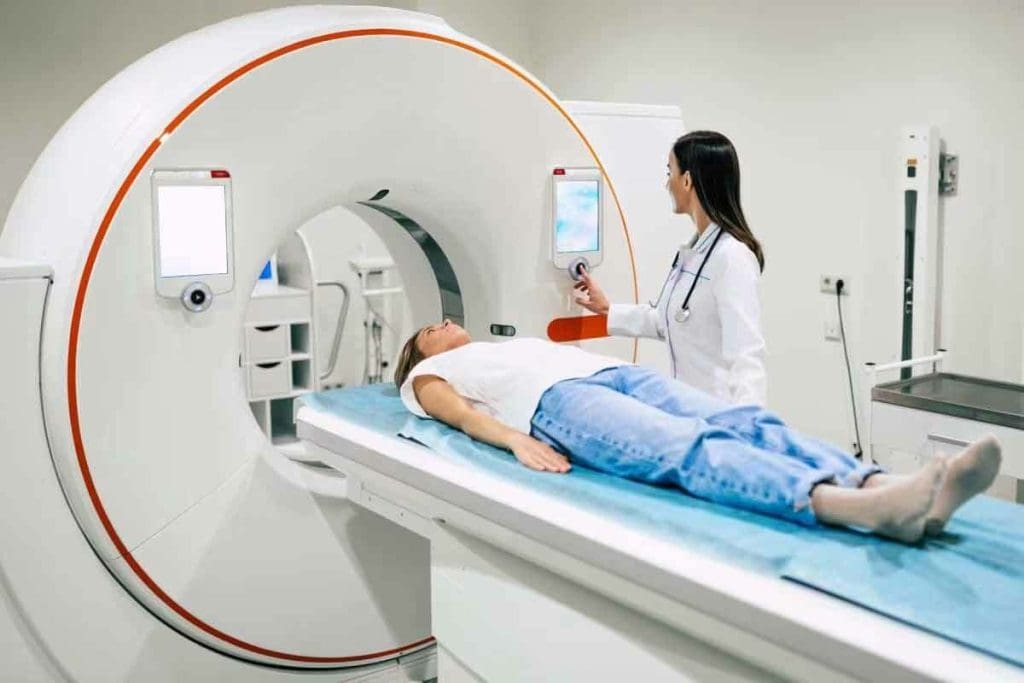
What to Wear for a PET Scan: Simple Preparation Tips
Getting ready for a PET scan is important to ensure clear results and a smooth experience. One key step is knowing what to wear for a PET scan. It’s best to choose loose, comfortable clothing made from soft fabric. Avoid clothes with metal zippers, snaps, or buttons, as metal can interfere with the imaging process.
A PET scan uses a small, safe amount of radioactive material to create detailed pictures of your body’s organs and tissues. By wearing the right clothes and following preparation instructions carefully, you can help ensure that the scan goes smoothly and provides accurate results.
At Liv Hospital, we guide every patient through each step of the process ” from preparation to results ” to make sure you feel comfortable, informed, and confident.
Key Takeaways
- Wear loose, comfortable clothing without metal fasteners.
- Follow the provided PET scan preparation instructions carefully.
- Remove any jewelry or metal objects before the scan.
- Arrive early to complete any necessary paperwork.
- Inform your doctor about any medical conditions or concerns.
Understanding PET Scans: Why Proper Preparation Matters
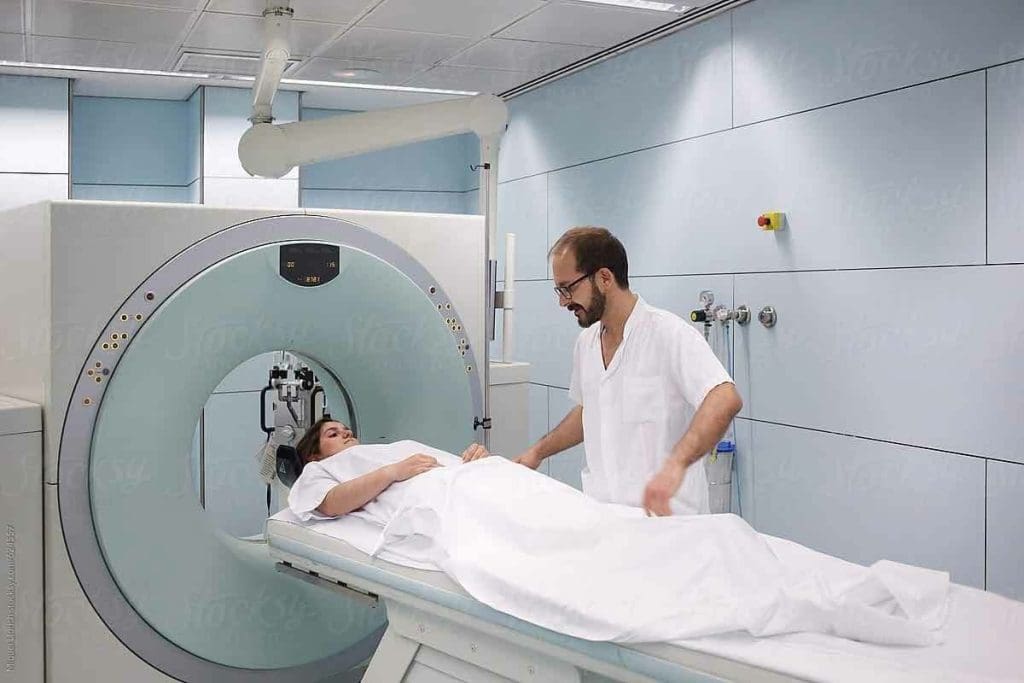
A PET scan is a detailed medical imaging method that needs careful prep for accurate results. It uses a special tracer to find cells that don’t work right, showing health issues.
What is a PET Scan and How Does It Work?
A PET (Positron Emission Tomography) scan shows how your body’s tissues and organs work. It uses a radioactive drug (tracer) to highlight activity. The tracer goes into cells, and the PET scanner catches the radiation, making images of your body’s inside.
“The PET scan is a powerful diagnostic tool that can help identify diseases at an early stage, allowing for timely intervention.” The tracer is injected into your bloodstream, usually through an arm vein. It builds up in areas with high activity, like growing cancer cells.
The Importance of Following Preparation Guidelines
Following PET scan prep guidelines is key for getting accurate results. Good prep makes sure the tracer works right and images are clear for diagnosis. Not following these can lead to wrong or confusing results, affecting treatment plans.
Prep guidelines include eating rules, avoiding certain meds, and other specific steps for the PET scan type. By following these, patients help ensure their scan gives the best info for doctors.
What to Wear for a PET Scan: Clothing Guidelines for Comfort and Accuracy
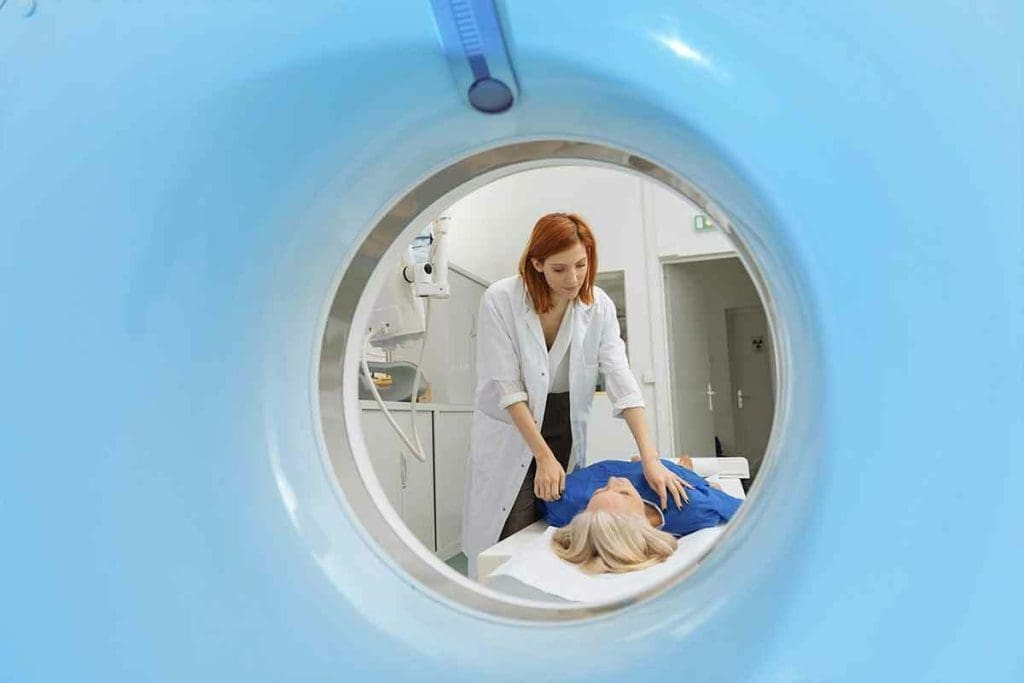
The clothes you pick for your PET scan matter a lot. They affect how comfy you feel and how clear the images will be. It’s key to dress in a way that makes the experience smooth and comfy.
Choosing Loose, Comfortable Clothing
Wear loose, comfy clothes to your PET scan. This makes you less anxious and moves easier during the scan. Loose clothes also make it easier for techs to position you right for the scan, getting the best images.
Avoiding Metal Components in Your Attire
Stay away from clothes with metal parts like zippers or underwire bras. Metal can mess up the scan images, making results less accurate. Also, take off any metal items, like jewelry or glasses, before the scan.
When Hospital Gowns Are Required vs. Personal Clothing
Often, you’ll need to wear a hospital gown for the PET scan. But you might be able to wear your own clothes if they meet the rules. Always check with your healthcare provider or the PET scan place about what to wear.
By following these guidelines, you help make your PET scan go smoothly. And you get the best possible images.
Fasting Requirements: Managing Food and Drink Before Your Scan
Before you get a PET scan, knowing the fasting rules is key. Fasting is a must to get the best scan results.
Standard Fasting Timeframes
Most people need to fast for 4-6 hours before a PET scan. This time, make sure the scan isn’t messed up by food or drink.
What You Can and Cannot Consume During Fasting
While fasting, only water is okay. Don’t eat or drink sugary or caffeinated stuff because it can mess up the scan.
- Allowed: Water
- Not Allowed: Food, sugary drinks, caffeinated beverages
Hydration Guidelines: Water Intake Before a PET Scan
Even when fasting, drinking water is usually okay. But always check with your doctor about how much to drink.
| Consumption Type | Allowed During Fasting |
| Water | Yes |
| Food | No |
| Sugary/Caffeinated Drinks | No |
Smoking and Nicotine Restrictions: Critical Pre-Scan Guidelines
Before a PET scan, patients should not smoke or use nicotine. This is to get accurate results. Smoking and nicotine can change how the body works, affecting the scan’s outcome.
Why No Smoking Before a PET Scan?
Smoking and nicotine can narrow blood vessels and change blood flow. This might affect how the tracer in PET scans is distributed. This could lead to wrong results, impacting diagnosis and treatment plans.
“Nicotine and other substances in tobacco products can significantly affect the cardiovascular system and metabolic rate, potentially influencing PET scan results.”
Medical Guidelines
Timeframe for Avoiding Nicotine Products (12+ Hours)
Patients should not smoke or use nicotine for at least 12 hours before a PET scan. This helps keep the scan accurate.
| Nicotine Product | Recommended Avoidance Time |
| Cigarettes | 12+ hours |
| Nicotine Gum | 12+ hours |
| Nicotine Patches | Consult a healthcare provider |
How Nicotine Affects PET Scan Results
Nicotine can change blood flow and metabolism, affecting PET scan results. This can cause variations in tracer uptake. A nicotine-free period before the scan ensures more accurate results.
By following these guidelines, patients help make their PET scan more accurate. This supports better diagnosis and treatment outcomes.
Caffeine Considerations: Coffee and Other Stimulants Before Your Scan
It’s important to know how caffeine affects PET scan results. Caffeine can change how your body works, which might affect your scan’s accuracy.
Can You Drink Coffee Before a PET Scan?
Coffee and caffeinated drinks are usually not recommended before a PET scan. Caffeine can mess with the scan’s accuracy by changing blood flow and how the tracer moves in your body.
Other foods and drinks with caffeine include tea, some soft drinks, and chocolate. Knowing these can help you prepare for your scan.
Recommended Timeframe for Avoiding Caffeine (12-24 Hours)
To avoid any issues, it’s best not to have caffeine for 12 to 24 hours before your PET scan. This lets caffeine leave your body, making sure your scan results are accurate.
The exact time might change based on how fast you metabolize caffeine and how much you drink. Always listen to what your healthcare provider says.
Alternative Beverages During Pre-Scan Preparation
There are many drinks you can have instead of caffeinated ones. Water is always safe and keeps you hydrated, which is good for your comfort during the scan.
You can also try decaf coffee or tea, herbal teas, and clear broths. But, always check with your healthcare provider first. It’s best to stick to non-caloric, caffeine-free drinks to be safe.
Day-Before Preparation: Diet and Activity Guidelines
The day before your PET scan is key for getting good results. There are certain foods and activities to avoid.
Recommended High-Protein, Low-Carb Diet
Eating a high-protein, low-carb diet the day before is often advised. This diet helps the body absorb the PET scan tracer better.
Benefits of a High-Protein, Low-Carb Diet:
- Improves how the PET scan tracer is absorbed
- Less chance of scan results being off
- Boosts metabolic health
Doctors say a controlled diet before a PET scan is very important. It can make a big difference in the scan’s quality.
“Dietary preparation is a critical component of PET scan protocols. Patients who adhere to the recommended dietary guidelines tend to have more accurate scan results.”
Nuclear Medicine Specialist
Foods to Avoid Before Your PET Scan
Some foods can mess with PET scan results. It’s important to skip these foods the day before your scan.
| Foods to Avoid | Reason |
| Sugary foods and drinks | Can cause inaccurate tracer uptake |
| High-carb foods (bread, pasta, etc.) | Interferes with tracer absorption |
| Caffeine | Can affect heart rate and metabolism |
Physical Activity Restrictions (24+ Hours Before)
Avoid hard physical activity for at least 24 hours before your PET scan. This means no intense workouts or heavy lifting.
By sticking to these guidelines, you can make sure your PET scan results are accurate. Always check with your doctor for specific advice that fits your situation.
Morning of Your PET Scan: Final Preparation Steps
On the morning of your PET scan, a few key steps can make a big difference. Preparing well for this important test is key to getting good results. Make sure to follow the final preparation guidelines closely.
Showering Guidelines and Body Product Restrictions
Showering is okay on the morning of your PET scan. But, avoid using lotions, powders, or deodorants after you shower. These can mess up the scan results. Just use soap and water for your shower.
Medication Management Before Your Scan
Follow your healthcare provider’s advice on taking medications. It’s important to take any morning medications as instructed. If you’re unsure, call your healthcare provider for help. For more information or a guide on PET scan preparation, contact the best consultant.
What to Bring to Your Appointment
Remember to bring important documents, such as insurance cards and ID, on the morning of the event. Also, wear comfortable, loose-fitting clothing without metal. This makes the scanning process easier.
Special Considerations for Different Types of PET Scans
Different PET scans need special preparation to get accurate results. While basic guidelines apply to all, certain scans like brain, cardiac, and oncology scans have their own rules.
Brain PET Scan Preparation Differences
Brain PET scans need special care to capture brain activity well. Patients might need to skip certain meds that could mess with the scan. Also, fasting rules might be stricter to measure brain glucose correctly.
Cardiac PET Scan Special Requirements
Cardiac PET scans focus on heart health. Patients should avoid caffeine and some medications that could change heart rate or blood flow. They might also need to do a stress test, either by exercising or taking a special drug.
| Preparation Requirement | Brain PET Scan | Cardiac PET Scan |
| Fasting Requirements | More stringent fasting to measure glucose metabolism accurately | Fasting may be required, specially if a stress test is involved |
| Medication Restrictions | Avoid certain medications that interfere with brain activity | Avoid medications that affect heart rate or blood flow |
| Caffeine Restrictions | Not typically restricted for brain PET scans | Avoid caffeine to ensure accurate heart function assessment |
Oncology PET Scan Specific Guidelines
Oncology PET scans check cancer and how it responds to treatment. For these scans, patients might eat a diet high in fat and low in carbs. This helps the PET tracer show up better in cancer cells. Also, avoiding hard exercise before the scan is important to prevent muscle tracer uptake.
In conclusion, knowing the specific prep needs for each PET scan type is key for accurate results. By following the right guidelines, patients help doctors make better care decisions.
Essential Do’s and Don’ts Checklist for PET Scan Preparation
To get accurate results from your PET scan, following a detailed checklist is key. This guide will walk you through the important steps and what to avoid. It helps you prepare well for your scan.
Critical Do’s: Actions That Ensure Accurate Results
It’s important to follow the right steps for clear and accurate PET scan results. Here are the key actions to take:
- Follow Dietary Guidelines: Stick to a diet high in protein and low in carbs for the best results.
- Stay Hydrated: Drink lots of water before your scan, unless your doctor tells you not to.
- Review Medications: Tell your doctor about any medicines you’re taking. Some might need to be changed or stopped before the scan.
- Arrive Early: Get to your appointment 15-30 minutes early to fill out any needed paperwork.
Important Don’ts: What to Avoid at All Costs
Some actions or foods can mess up your PET scan results. Here are key things to avoid:
- Avoid Caffeine and Nicotine: Don’t have caffeine or nicotine products for at least 24 hours before your scan.
- Limit Physical Activity: Don’t do hard exercise for at least 24 hours before your PET scan.
- No Metal Objects: Make sure you’re not wearing any metal, like jewelry or clothes with metal parts, as they can mess up the scan.
- Don’t Consume Certain Foods: Avoid foods high in sugar and carbs, as they can affect the scan’s accuracy.
Timeline: When to Implement Each Preparation Step
Timing is everything when getting ready for a PET scan. Here’s a general timeline to follow:
| Time Before Scan | Action |
| 24+ hours | Avoid strenuous exercise, caffeine, and nicotine |
| 4-6 hours | Fasting (unless your doctor says not to) |
| 1-2 hours | Arrive at the scanning facility, complete paperwork |
Conclusion: Ensuring the Best Possible PET Scan Experience
Getting ready is essential for a good PET scan. By following the steps in the previous sections, patients can have a successful scan. This ensures accurate results.
A well-prepared patient is key for a good PET scan. This means wearing comfy clothes and managing what you eat and drink. Avoiding caffeine and nicotine is also important. Following these tips helps make sure your scan results are right.
The PET scan prep is all about getting the best scan quality. Knowing how important prep is and following the guidelines helps. This way, patients can have a positive experience with their PET scan.
For a successful PET scan, you need good prep and understanding the process. By using the tips from this article, patients can feel ready for their scan. This leads to a better diagnosis and treatment plan.
FAQ
What should I wear for a PET scan?
Wear loose, comfy clothes without metal parts. This helps avoid scan interference. You might need a hospital gown for certain scans.
Can I smoke before a PET scan?
No, you can’t smoke before a PET scan. Nicotine can mess with the scan results. Stay away from nicotine for at least 12 hours beforehand.
Can I drink coffee before a PET scan?
Avoid caffeine, like in coffee, for 12-24 hours before. You can drink water, but skip other caffeinated or sugary drinks.
What are the fasting requirements for a PET scan?
Fast for 4-6 hours before the scan. You can drink water, but no food, gum, or other substances that might mess with the scan.
Can I shower before a PET scan?
Yes, you can shower before. Just don’t use lotions or creams with metal or that might mess with the scan.
What should I bring to my PET scan appointment?
Bring your medical records, insurance info, and a list of meds. Wear comfy clothes and leave metal objects behind.
Are there special considerations for different types of PET scans?
Yes, different scans have their own prep rules. Your doctor will give you all the details for your scan.
What is the recommended diet before a PET scan?
Eat a high-protein, low-carb diet the day before. Skip sugary or carb-heavy foods to get better scan results.
Can I take my medications before a PET scan?
Talk to your doctor about your meds before the scan. Some might need to be changed or skipped.
How long should I avoid physical activity before a PET scan?
Don’t do hard exercise for 24 hours before. Your doctor will tell you what’s best for you.
References
- Boellaard, R., et al. (2014). FDG PET/CT: EANM procedure guidelines for tumour PET imaging: version 2.0. European Journal of Nuclear Medicine and Molecular Imaging, 42(2), 328-354. https://pmc.ncbi.nlm.nih.gov/articles/PMC4315529/
- Boellaard, R. (2009). FDG PET and PET/CT: EANM procedure guidelines for tumour PET imaging: version 1.0. European Journal of Nuclear Medicine and Molecular Imaging, 37(1), 181-200. https://pmc.ncbi.nlm.nih.gov/articles/PMC2791475/
- Pak, K., et al. (2016). What do we measure in oncology PET? Nuclear Medicine and Molecular Imaging, 50(1), 49-54. https://pmc.ncbi.nlm.nih.gov/articles/PMC5567613/