
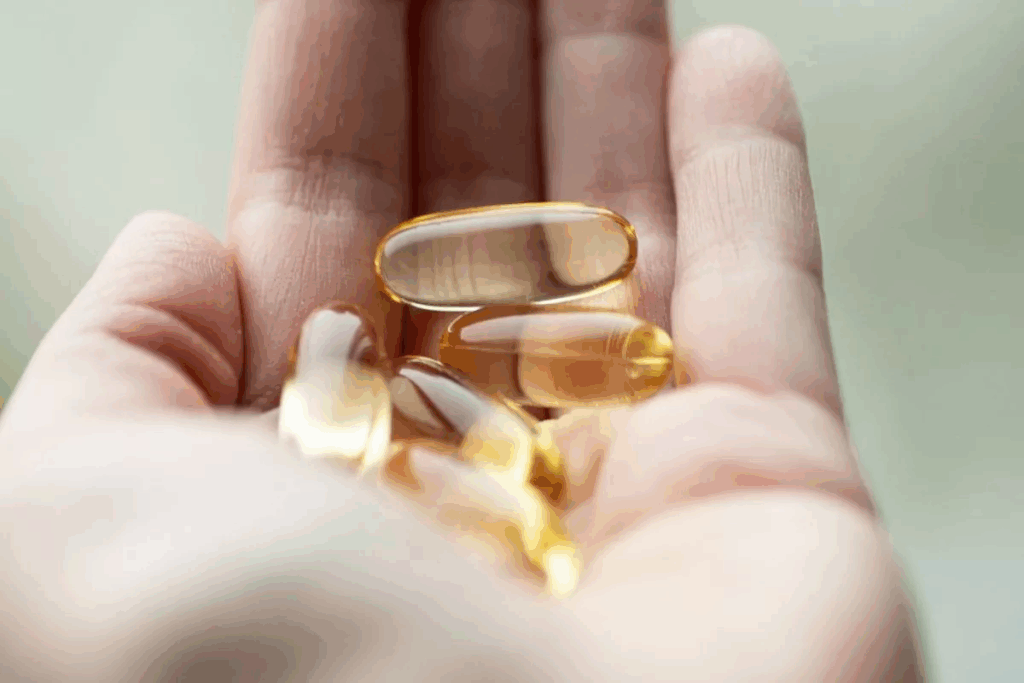
When you’re ready to start a family, making sure male fertility is at its best is key. Studies show that about 50% of infertility issues are linked to men. Also, 30-80% of male infertility cases worldwide are due to nutritional gaps what vitamins should men take for fertility.
Targeted nutrition is vital for better sperm health. At Liv Hospital, we offer advice based on solid research. We help couples find the right preconception vitamins for men to reach their reproductive goals.
We focus on each couple’s needs to support their fertility journey. Our approach ensures you get all the help and guidance you need to improve male fertility.
Key Takeaways
- Optimizing male fertility is key for conception.
- Nutritional gaps are a big part of male infertility.
- Good nutrition can boost sperm quality and count.
- Preconception vitamins are essential for male fertility.
- Liv Hospital gives expert advice on male fertility supplements.
The Male Factor in Fertility: Understanding the Nutritional Connection

Nutrition is key for male fertility, impacting sperm health and reproductive well-being. Diet and fertility are linked, with nutrients playing a big role. Some nutrients help, while others can harm.
Statistics on Male Contribution to Infertility Cases
Infertility affects many couples, with men’s issues causing about 50% of cases. Sperm count and quality have dropped over the years. This shows why understanding male fertility is so important.
The numbers on male infertility are concerning, with:
- About 1 in 6 couples facing trouble getting pregnant.
- Men alone causing 20-30% of infertility cases.
- Both men and women’s issues causing 30-40% of cases.
How Nutritional Deficiencies Impact Sperm Health
Nutrient gaps can hurt sperm health, affecting count, motility, and shape. Nutrients like zinc, vitamin D, and antioxidants are vital. Without them, sperm function and fertility suffer.
Key nutrients for sperm health include:
- Zinc: Crucial for testosterone and sperm growth.
- Antioxidants: Protect sperm from damage.
- Vitamin D: Essential for reproductive health.
The Role of Oxidative Stress in Male Reproductive Issues
Oxidative stress happens when ROS outbalance the body’s defenses. For men, it can damage sperm DNA and lower motility. This harms sperm function.
Causes of oxidative stress include:
- Poor diet and lifestyle.
- Environmental toxins.
- Smoking and drinking too much alcohol.
By knowing how nutrition affects male fertility and tackling oxidative stress, men can boost their reproductive health.
What Vitamins Should Men Take for Fertility? A Scientific Overview
[Add image here]
Male fertility depends on a mix of vitamins and supplements. These can greatly improve sperm quality and fertility. Certain nutrients are key to better reproductive health.
Key Sperm Parameters Affected by Nutrition
Nutrition affects sperm count, motility, and shape. Zinc helps with testosterone and sperm growth. Antioxidants like Vitamin C and E protect sperm from damage.
Not getting enough nutrients can harm sperm health. For example, not enough folate can lower sperm count and damage DNA. Coenzyme Q10 (CoQ10) is also important for sperm motility.
How Supplements Support Reproductive Function
Supplements can fix nutritional gaps and boost sperm health. Zinc supplements can increase sperm count and motility. Antioxidant supplements like Vitamin C and E protect sperm DNA.
Combining supplements can be even more effective. For example, CoQ10 with L-carnitine can improve sperm motility and fertility.
Timeline for Seeing Improvements in Fertility
Seeing fertility improvements from supplements can take time. It depends on the supplement, dosage, and individual needs.
Men might see better sperm health in 3-6 months with regular use. But, remember, fertility is complex. Supplements should be part of a bigger plan for reproductive health.
Supplement | Function | Expected Outcome |
Zinc | Supports testosterone production and sperm development | Improved sperm count and motility |
Vitamin C | Antioxidant protection for sperm | Reduced oxidative stress and DNA damage |
CoQ10 | Enhances energy production in sperm | Improved sperm motility |
Folate | Critical for DNA synthesis and repair | Improved sperm count and reduced DNA fragmentation |
Zinc: The Cornerstone Mineral for Male Reproductive Health
Zinc is a key mineral for male fertility. It boosts testosterone and improves sperm quality. This nutrient is vital for many bodily functions, including reproductive health. We’ll see how zinc helps with male fertility and why it’s so important.
Supporting Testosterone Production
Zinc is key for making testosterone. This hormone controls sperm production, libido, and male health. Having enough zinc helps keep testosterone levels up, which is essential for fertility.
Impact on Sperm Quality
Zinc greatly affects sperm quality. It helps with sperm movement, shape, and count. Without enough zinc, sperm quality drops, making it harder to get pregnant.
Recommended Dosage and Natural Sources
The daily zinc intake varies, but men trying to boost fertility should take 15-30 mg. You can get zinc from foods like oysters, beef, chicken, and fortified cereals.
Food Source | Zinc Content (mg per serving) |
Oysters | 76.7 |
Beef | 3.8 |
Chicken | 2.4 |
Fortified Cereals | 2.8-10 |
Vitamin D: The Hormone-Like Vitamin Essential for Sperm Production
Vitamin D is key for male fertility, helping with sperm production. It’s a hormone-like vitamin that keeps sperm healthy.
Deficiency and Male Fertility Correlation
Studies link vitamin D levels to male fertility. Men with low vitamin D often have trouble making sperm, affecting their fertility.
Here are some key findings:
- Men with low vitamin D have fewer sperm.
- They also have sperm that move less well.
- Abnormal sperm shape is linked to low vitamin D.
Mechanisms of Action in Reproductive Function
Vitamin D affects reproductive health in many ways. It helps with sperm production by:
- Keeping calcium levels right, which is key for sperm movement.
- Helping genes that control sperm growth and development.
- Keeping the immune system from attacking sperm.
Optimal Levels and Supplementation Guidelines
Having the right amount of vitamin D is important for fertility. The best range is 30 to 50 ng/mL.
If you’re low on vitamin D, taking supplements is often advised. Here’s how to do it:
Vitamin D Level | Supplementation Recommendation |
Deficient (<20 ng/mL) | 50,000 IU/week for 8 weeks, then 2,000 IU/day |
Insufficient (20-29 ng/mL) | 2,000-4,000 IU/day |
Sufficient (30-50 ng/mL) | 1,000-2,000 IU/day |
Always talk to a doctor to find the right supplement plan for you.
Coenzyme Q10: Cellular Energy for Sperm Motility
Coenzyme Q10 (CoQ10) is a key antioxidant that boosts sperm motility. It supports the mitochondria in sperm cells, which is vital for their movement. This makes CoQ10 essential for male fertility.
Mitochondrial Function and Its Importance
CoQ10 mainly supports mitochondrial function. Mitochondria are the energy centers of cells, including sperm. They produce the energy needed for sperm to move.
Mitochondrial energy production is key for sperm motility. It helps sperm travel and fertilize an egg. CoQ10 plays a big role in this process, aiding male fertility.
Clinical Evidence Supporting CoQ10’s Benefits
Many studies have looked at CoQ10’s effect on sperm motility. They found that CoQ10 improves motility in men with fertility problems.
A study in a top medical journal showed CoQ10 boosts sperm motility. This is due to its antioxidant effects, which reduce stress and improve sperm health.
Dosing Strategies and Absorption Tips
To get the most from CoQ10, it’s important to know how to take it. The usual dose is 100 to 300 mg daily.
Take CoQ10 with a meal that has healthy fats for better absorption. Also, choose ubiquinol CoQ10 for better absorption than ubiquinone.
Understanding CoQ10’s role in sperm motility helps men make better fertility choices. Its antioxidant benefits and proven effectiveness make it a great supplement for reproductive health.
Vitamin C: Antioxidant Protection for Sperm DNA Integrity
Vitamin C is a strong antioxidant that protects sperm DNA from damage. Damage can happen when there’s too much free radical activity. Vitamin C keeps this balance.
How Vitamin C Combats Free Radical Damage
Vitamin C fights free radicals by neutralizing them. Free radicals can harm sperm cells. This can lead to DNA damage and lower sperm quality. Vitamin C helps keep sperm healthy.
Key mechanisms through which vitamin C exerts its protective effects include:
- Neutralizing free radicals to prevent oxidative damage
- Regenerating other antioxidants, such as vitamin E, to enhance overall antioxidant capacity
- Supporting the health of sperm cells during development
Evidence for Improved Sperm Quality with Vitamin C
Studies show vitamin C can boost sperm quality. Men who took vitamin C supplements saw better sperm counts and motility. Their sperm looked healthier too.
A notable study found vitamin C reduced oxidative stress and improved sperm DNA integrity. This shows vitamin C’s role in boosting fertility.
Daily Requirements and Supplementation Options
The daily vitamin C intake varies. For fertility, men might need up to 1000 mg a day. Always talk to a doctor before starting supplements.
You can get vitamin C from foods like citrus fruits and leafy greens. Supplements are good for those who can’t get enough from food.
Vitamin E: The Lipid-Soluble Defender of Sperm Membranes
Vitamin E is key for keeping sperm healthy. It protects the sperm’s outer layer, which is important for fertilization.
Protective Effects on Sperm Cell Structure
Vitamin E fights off damage from oxidative stress. This is important for keeping sperm moving and alive.
The key benefits of vitamin E for sperm health include:
- Protection against lipid peroxidation
- Maintenance of sperm membrane integrity
- Support for overall sperm health
Synergistic Benefits When Combined with Vitamin C
Vitamin E and vitamin C work better together. They protect sperm from damage better than alone.
The synergy between vitamins E and C is a powerful tool in protecting sperm health. Together, they help to:
- Neutralize free radicals more effectively
- Support the overall antioxidant defense system
- Enhance sperm quality and fertility
Proper Dosing and Natural Dietary Sources
Adult men need about 15 mg of vitamin E daily. But for fertility, doses up to 400 mg are studied.
It’s also important to eat foods rich in vitamin E. These include:
- Nuts and seeds (almonds, sunflower seeds)
- Vegetable oils (olive oil, coconut oil)
- Leafy green vegetables (spinach, broccoli)
Always talk to a healthcare professional about the right dose for you.
Folate and Vitamin B12: Critical Nutrients for DNA Synthesis
DNA synthesis is key for sperm development. Folate and vitamin B12 are vital for this process. They help in making genetic material and are important for male fertility.
Impact on Genetic Material and Sperm Development
Folate and vitamin B12 are essential for DNA production. This is needed for sperm to develop and mature. Not having enough of these nutrients can harm sperm quality and fertility.
Studies show that enough folate and vitamin B12 improve sperm count, movement, and shape. They help by controlling homocysteine levels in the blood. High homocysteine levels can cause oxidative stress, damaging sperm DNA and affecting fertility.
Folate vs. Folic Acid: Making the Right Choice
Folate and folic acid are not the same, even though they’re often confused. Folate is found naturally in foods, while folic acid is in supplements. It’s important to pick supplements with 5-methyltetrahydrofolate (5-MTHF) for better absorption.
B12 Deficiency Signs and Supplementation Guidelines
Vitamin B12 deficiency can cause fatigue, weakness, and neurological problems. It can also lower sperm quality and count. Eating B12-rich foods like meat, fish, and dairy helps. For those who can’t get enough, supplements are a good option.
Choosing a high-quality B12 supplement is key. Look for one with methylcobalamin. The daily dose is usually 2.4 to 2.6 mcg. But, those with deficiencies might need more, under a doctor’s advice.
Selenium: The Trace Mineral with Significant Reproductive Benefits
Selenium plays a big role in male reproductive health. It affects sperm quality and fertility. This trace mineral is key for sperm health. We’ll look at its role in sperm formation, its effect on fertility, and safe supplement guidelines.
Sperm Formation
Selenium is vital for sperm development, mainly the sperm tail. It’s part of selenoproteins, which help sperm move and look healthy. Without enough selenium, sperm function and fertility can suffer. Studies show selenium supplements can boost sperm quality by improving these proteins.
Research on Selenium and Male Fertility Outcomes
Many studies have looked at selenium and male fertility. They found selenium supplements can increase sperm count, motility, and shape. A key study showed men taking selenium supplements had better sperm quality than those who didn’t.
Selenium’s benefits come from its antioxidant properties. These protect sperm from damage. This is key for healthy sperm and reproductive health.
Safe Supplementation Levels and Toxicity Concerns
While selenium is good, too much can be harmful. The safe daily amount is 50-100 mcg. Too much can cause nausea, diarrhea, and tiredness.
To stay safe, follow supplement guidelines and talk to a doctor first. Blood tests can also check selenium levels for safe use.
Creating an Effective Male Fertility Supplement Regimen
Using supplements wisely can really help improve male fertility. It’s important to think about how different nutrients work together. This helps support reproductive health.
Combining Supplements for Synergistic Effects
Putting supplements together can make them work better. For example, vitamins C and E protect sperm from damage. Here are some good pairs to try:
- Antioxidant blend: Vitamins C and E, along with selenium, help protect sperm from oxidative damage.
- Zinc and folate: This combination supports DNA synthesis and sperm development.
- CoQ10 and L-carnitine: Together, they enhance sperm motility and energy production.
When mixing supplements, knowing about possible interactions is key. Always talk to a healthcare professional to make sure it’s safe and works well.
Timing and Consistency for Optimal Results
Being consistent with supplements is very important. To get the best results, follow these tips:
- Take supplements with meals to help your body absorb them better.
- Stick to a daily routine to keep nutrient levels steady.
- Check in with a healthcare provider regularly to see how you’re doing.
When to Expect Results After Starting Supplementation
How long it takes to see fertility improvements can vary. It depends on how bad the nutritional gaps are and your overall health. Generally, you might start to see changes in:
- 3-6 months: You might notice some early improvements in sperm quality.
- 6-12 months: You’ll likely see bigger improvements as your nutrient levels get better and sperm quality increases.
Remember, everyone is different, and results can vary. Being patient and making adjustments to your supplement plan can help you get the best results.
Safety Considerations and Possible Side Effects
It’s important to know the risks of fertility supplements for safe use. These supplements can help with male fertility, but it’s key to be aware of side effects and take precautions.
Recognizing Adverse Reactions to Fertility Supplements
Some men might have bad reactions to fertility supplements. These can range from mild stomach issues to serious allergic reactions. It’s vital to watch how your body reacts when starting a new supplement.
Common bad reactions include:
- Digestive issues like nausea or diarrhea
- Allergic reactions such as skin rashes or itching
- Headaches or feeling dizzy
Drug Interactions and Contraindications
Fertility supplements can interact with other drugs or be bad for certain health issues. For example, high doses of antioxidants can affect blood thinners. Some minerals might not be good for men with hemochromatosis.
Talking to a healthcare provider before starting any supplement is a must. This is true if you’re already on medication or have health problems.
Choosing Quality Supplements and Avoiding Contaminants
The quality of fertility supplements can differ a lot. Choose products from trusted brands that follow Good Manufacturing Practice (GMP) and get tested by third parties.
To avoid contaminants:
- Go for supplements with clear labels and ingredient lists
- Stay away from products with extra fillers or additives
- Choose brands that are open about their sources and how they make their products
By being careful and informed, men can enjoy the benefits of fertility supplements while avoiding risks.
Conclusion: Optimizing Male Fertility Through Targeted Nutrition
Improving male fertility requires changes in lifestyle, diet, and supplements. We’ve seen how important vitamins and minerals are. They help with sperm health and reproductive function.
Adding these nutrients to your daily routine can boost fertility. It’s key to focus on specific needs to improve reproductive health. This can lead to better sperm quality.
A balanced diet and supplements are vital for male fertility. Making smart choices in nutrition and supplements helps a lot. This approach can greatly improve fertility.
FAQ
What are the best vitamins for male fertility?
The top vitamins for male fertility include zinc, vitamin D, and CoQ10. Also, vitamins C and E, folate, vitamin B12, and selenium are key. These nutrients help with sperm health, from making sperm to keeping DNA intact.
How do nutritional deficiencies affect male fertility?
Lack of nutrients can harm male fertility. It can affect sperm count, how well they move, and their shape. Not having enough zinc, vitamin D, and antioxidants can cause stress to sperm, hurting fertility.
Can supplements really improve male fertility?
Yes, the right supplements can help. Zinc, CoQ10, and antioxidants can boost sperm quality. This includes count, movement, and shape, supporting reproductive health.
How long does it take to see improvements in fertility after starting supplements?
Seeing improvements can take three to six months. This time lets sperm production fully cycle, leading to noticeable changes.
Are there any potentially side effects of taking male fertility supplements?
Supplements are usually safe but can cause side effects. These might include stomach issues, allergies, or interactions with other drugs. Always choose high-quality supplements and talk to a doctor.
How can I create an effective male fertility supplement regimen?
Mix supplements that target different sperm health areas. Use zinc for testosterone, CoQ10 for movement, and vitamins C and E for DNA. A healthcare provider can help customize a plan for you.
What is the recommended dosage of zinc for male fertility?
Take 15 to 30 mg of zinc daily, with food to avoid stomach issues. Good zinc sources include oysters, beef, chicken, and pumpkin seeds.
Can vitamin D deficiency affect male fertility?
Yes, low vitamin D can harm sperm production and fertility. Keeping vitamin D levels up is key for reproductive health.
Are there any drug interactions or contraindications with male fertility supplements?
Yes, some supplements can interact with drugs or have warnings. For example, too much vitamin E can affect blood thinners. Always check with a doctor before starting supplements, even if you’re on medication.
How can I ensure the quality and safety of the supplements I choose?
Choose supplements from trusted makers that follow GMPs and third-party test. Look for NSF International or National Science Foundation certifications to ensure purity and potency.
References
National Center for Biotechnology Information. Vitamins for Male Fertility: Supplements to Boost Conception. Retrieved from https://pubmed.ncbi.nlm.nih.gov/28508879



 Departments
 Related Videos
 Our Doctors
 News
News