Last Updated on December 4, 2025 by Bilal Hasdemir
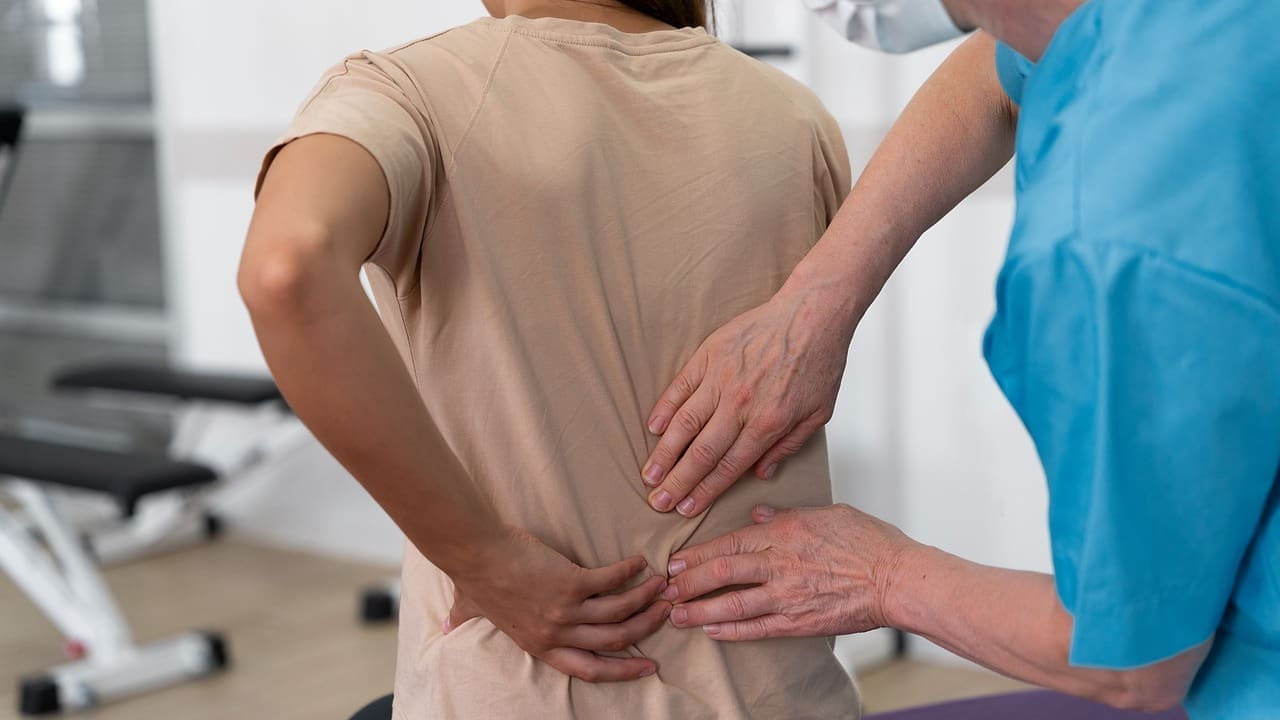
Spinal discs are key to our spinal health, acting as shock absorbers. But when they get damaged, it can lead to bulging or herniation. This causes pain and discomfort. Knowing the difference between these conditions is key to getting the right treatment.
At Liv Hospital, we know how back pain can affect someone’s life. Our team of experts is committed to top-notch care for spinal disc issues. We use advanced facilities and a patient-focused approach for every diagnosis and treatment.
Accurate diagnosis is key to treating spinal disc conditions effectively. A bulging disc has the disc’s outer layer bulging out evenly. But a herniated disc has a tear, letting the inner nucleus escape and press on nerves.
Key Takeaways
- Spinal discs act as shock absorbers between vertebrae.
- Bulging and herniated discs are two distinct spinal conditions.
- Liv Hospital offers advanced care for spinal disc issues.
- Accurate diagnosis is vital for effective treatment.
- Understanding the difference between bulging and herniated discs is essential.
Understanding Spinal Disc Anatomy
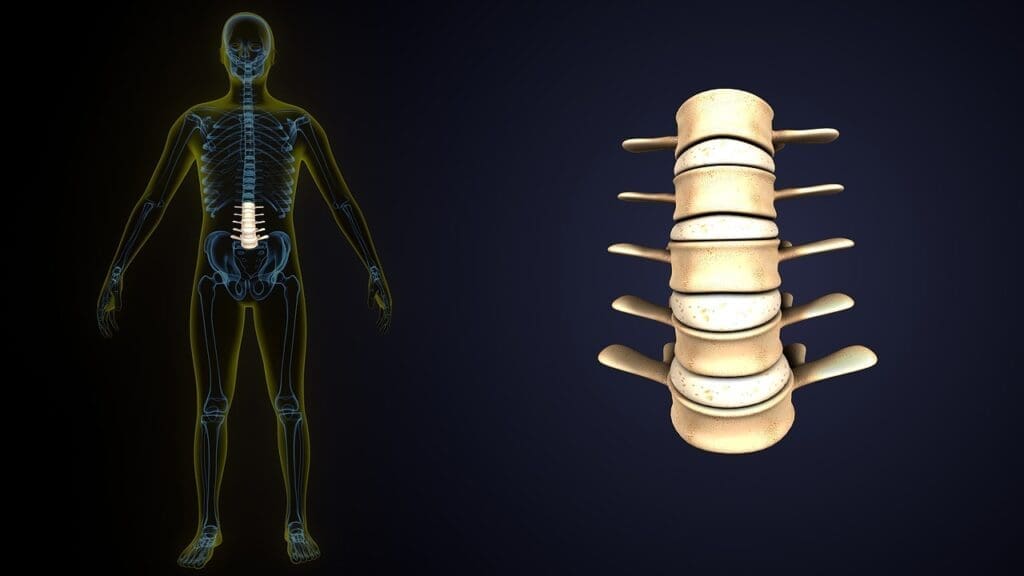
The spine has many parts, with intervertebral discs being very important. These discs act as cushions between the vertebrae. They play a big role in our spinal health.
Structure of Healthy Intervertebral Discs
Healthy intervertebral discs have an outer layer of tough cartilage called the annulus fibrosus. Inside this is a softer inner cartilage called the nucleus pulposus. This design helps discs support and move the spine.
Function of Spinal Discs
Spinal discs help with spinal flexibility and absorbing shock. They spread pressure evenly across the spine. This allows for movement and protects the vertebrae from rubbing together.
Locations of Disc Problems in the Spine
Disc problems often happen in the lower back (lumbar spine) and neck (cervical spine). These areas get a lot of stress and are more likely to get hurt or wear down.
A spine specialist says, “Knowing about spinal disc anatomy and function is key for treating disc problems.” The complex structure of spinal discs makes them both strong and vulnerable to injury.
Bulging Disc vs Herniated Disc: Key Differences
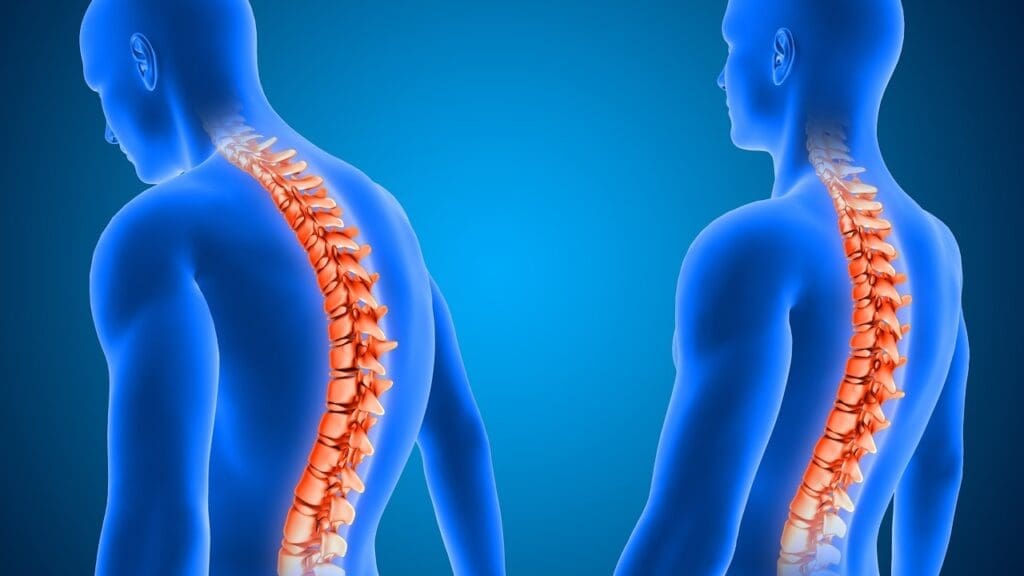
The terms “bulging disc” and “herniated disc” mean different things. They affect how doctors diagnose and treat back problems. Let’s dive into these differences to understand their impact on our spines.
Structural Differences
A bulging disc pushes out but doesn’t tear the outer layer. On the other hand, a herniated disc has a tear, letting the inner part spill out. This difference in structure changes how severe symptoms are and what treatments work best.
Severity Comparison
Bulging discs are usually less severe than herniated discs. This is because bulging discs don’t break the outer layer. But, how severe it is can depend on where and how much it bulges or herniates.
Impact on Surrounding Nerves
The effect on nerves is key in determining symptom severity. Herniated discs can press on nerves more because of the escaped nucleus. This can cause more serious symptoms like pain that shoots down your leg and numbness.
- Bulging Discs: May cause localized pain and mild symptoms.
- Herniated Discs: Can lead to radiating pain, numbness, and neurological symptoms due to nerve compression.
Knowing these differences is vital for getting a correct diagnosis and the right treatment plan.
Clarifying Common Terminology
It’s important to know the terms used for spinal disc problems. This helps doctors diagnose and treat them better. We’ll make these terms clear to help you understand them better.
Bulging or Slipped Disc: What’s Correct?
The term “slipped disc” is often used but not correct. Discs don’t actually slip. Instead, they can bulge or herniate. A bulging disc means the disc goes beyond its usual shape but doesn’t break. It’s better to say “bulging disc” or “herniated disc” for accuracy.
Herniated Disc vs Disk: Spelling Variations
You might see “disc” and “disk” when talking about spinal issues. “Disc” is more common in medical talk, like about spinal discs. “Disk” is used for computer stuff, but both are okay in different places.
Other Related Terms: Protrusion, Extrusion, Sequestration
There are other terms like protrusion, extrusion, and sequestration. A protrusion is like a bulging disc. An extrusion happens when the disc material breaks out but stays attached. Sequestration is when the material breaks off completely. Knowing these terms helps understand how serious a disc problem is.
What Causes a Bulging Disc?
Bulging discs often come from a mix of age and lifestyle. As we get older, our spinal discs change, sometimes bulging. Knowing why can help us prevent and manage it.
Age-Related Degeneration
Age is a big reason for bulging discs. Our spinal discs lose water as we age, making them less flexible and more likely to bulge. This can be sped up by our genes, lifestyle, and environment.
Table: Effects of Age-Related Degeneration on Spinal Discs
| Age Group | Disc Changes | Likelihood of Bulging |
|---|---|---|
| 20-30 | Discs are healthy and hydrated | Low |
| 40-50 | Discs start losing water content | Moderate |
| 60+ | Discs are significantly dehydrated and less flexible | High |
Poor Posture and Ergonomics
Poor posture and ergonomics also play a big role. Bad posture, like when lifting or bending, can stress the discs, causing them to bulge.
“Proper ergonomics and posture are key to avoiding spine strain, which can lower bulging disc risk.”
Setting up workspaces for good posture can help avoid bulging discs.
Repetitive Strain
Jobs or activities with lots of lifting, bending, or twisting can cause bulging discs. This repeated motion can tear the disc, leading to bulging over time.
Knowing these causes helps us take steps to prevent bulging discs. We can do this by keeping good posture, exercising regularly, and making sure our workspaces are ergonomic.
What Causes a Herniated Disc?
A herniated disc can come from both injury and wear and tear. Knowing what causes it helps in preventing and treating it.
Traumatic Injury
Car accidents or sudden heavy lifting can hurt your back. This can push too hard on your spinal discs, causing them to burst.
Degenerative Disc Disease
As we age, our spinal discs can weaken. This makes them more likely to bulge or rupture.
Risk Factors
Some things can make you more likely to get a herniated disc. These include getting older, your genes, and lifestyle choices like smoking and not exercising.
| Risk Factor | Description |
|---|---|
| Age | The risk of herniated discs increases with age due to the natural degeneration of spinal discs. |
| Genetics | Individuals with a family history of disc problems are more likely to experience herniated discs. |
| Lifestyle | Smoking and a sedentary lifestyle can contribute to disc degeneration and increase the risk of herniation. |
Symptoms: How to Tell if You Have a Bulging Disc
Knowing the signs of a bulging disc is key to getting help fast. We’ll cover the common symptoms. This can help you catch and treat it early.
Localized Pain
Localized pain in the spine area is a main symptom. This pain can feel like a dull ache or a sharp stab, depending on how bad the bulge is.
Mild to Moderate Symptoms
At first, symptoms might be mild to moderate. You might feel back discomfort or stiffness. These can often be treated without needing a doctor, but keep an eye on them.
When Symptoms May Progress
If you don’t get treatment, symptoms can get worse. Watch for signs like pain getting stronger or spreading.
- Increasing pain intensity
- Radiating pain to other areas
- Numbness or tingling sensations
Spotting these signs early can help you get the right care. This might stop things from getting even worse.
Symptoms: How to Tell if You Have a Herniated Disc
Knowing the signs of a herniated disc is key for getting the right treatment. A herniated disc shows different symptoms than a bulging disc.
Radiating Pain
Radiating pain is a main sign of a herniated disc. This pain happens when the disc presses on nerves, sending pain along the nerve path. For example, a herniated disc in the lower back can send pain down to the legs, known as sciatica.
Neurological Symptoms
Herniated discs can also cause neurological symptoms. These include numbness, tingling, or weakness in areas served by the affected nerves. For instance, a herniated disc in the neck can cause arm symptoms, while one in the lower back can affect the legs.
The severity of these symptoms can vary a lot from person to person.
Severity Indicators
The severity of symptoms shows how bad the herniation is and its effect on nerves. Severe symptoms include a lot of pain, big neurological problems, or even loss of bladder or bowel control. This is called cauda equina syndrome.
If you have severe symptoms, you need to see a doctor right away.
Knowing the symptoms of a herniated disc is important for finding the right treatment. If you have ongoing or severe symptoms, seeing a healthcare professional is a good idea. They can give you a proper diagnosis and talk about treatment options.
Diagnostic Methods for Disc Problems
Diagnosing spinal disc conditions requires a detailed approach. This includes physical exams and advanced imaging studies. We use these methods to accurately identify and differentiate between bulging and herniated discs. This ensures our patients get the right care for their condition.
Physical Examination
A thorough physical exam is the first step in diagnosing disc problems. We check the patient’s spinal mobility and look for tenderness. We also evaluate any neurological deficits. This helps us decide if a disc issue is likely and guides further testing.
Imaging Studies
Imaging studies are key in confirming a diagnosis and understanding disc damage. We use different imaging modalities to see the spine and discs clearly.
MRI: Differentiating Bulging Disc vs Herniated Disc
Magnetic Resonance Imaging (MRI) is very useful for diagnosing disc problems. It shows soft tissues in high detail. MRI helps us accurately tell the difference between bulging and herniated discs, which is important for treatment planning.
CT Scans and X-rays
While MRI is top for soft tissue imaging, CT scans and X-rays are also important. CT scans show the bony structures around the discs, helping spot bone spurs or spinal canal narrowing. X-rays give a wider view of the spinal alignment and can show degenerative changes.
Neurological Testing
Neurological testing is also needed to check how disc problems affect nerves. Tests like electromyography (EMG) and nerve conduction studies (NCS) help find nerve damage or compression. These tests tell us how severe the condition is and help decide treatment.
Treatment Approaches for Bulging Discs
Treating bulging discs often involves a mix of methods. We focus on managing symptoms and finding relief. Let’s look at how we can help improve life for those with bulging discs.
Conservative Management
First, we try conservative management. This means using non-invasive methods to help heal. We suggest making lifestyle changes like staying healthy, improving posture, and exercising regularly.
Physical Therapy Techniques
Physical therapy is key in treating bulging discs. It includes spinal manipulation, exercises, and more. A physical therapist can teach you how to move better and avoid putting too much strain on your spine.
Pain Management Options
Managing pain is vital for those with bulging discs. We might suggest pain relievers or other medications. We also consider alternative treatments like acupuncture or chiropractic care to help manage pain.
| Treatment Approach | Description | Benefits |
|---|---|---|
| Conservative Management | Lifestyle modifications and non-invasive techniques | Reduces symptoms, promotes healing |
| Physical Therapy | Spinal manipulation, mobilization, and exercises | Alleviates pain, improves mobility |
| Pain Management | Medications and alternative therapies | Manages pain and inflammation |
The table shows a mix of treatments for bulging discs. By combining conservative management, physical therapy, and pain management, we offer a full approach. This helps people make better choices for their care.
Treatment Approaches for Herniated Discs
Treatment for herniated discs has changed, giving patients many options. Some herniated discs can be treated without surgery. But, some cases need surgery.
Non-Surgical Interventions
First, doctors try non-surgical methods to ease pain and swelling. These include:
- Physical therapy to improve flexibility and strengthen the muscles around the spine
- Medications such as NSAIDs or corticosteroids to reduce inflammation and pain
- Epidural steroid injections to deliver medication directly to the affected area
- Lifestyle modifications, including changes in posture, exercise routines, and ergonomic adjustments
The American Academy of Orthopaedic Surgeons says most patients get better with non-surgical treatments in a few weeks.
“The majority of patients with lumbar disc herniations will experience significant improvement with non-operative care.”
When Surgery Becomes Necessary
If non-surgical treatments don’t work, or if there are serious symptoms, surgery might be needed. Surgery can include:
- Discectomy: removal of the herniated portion of the disc
- Microdiscectomy: a minimally invasive version of discectomy
- Spinal fusion: fusing the vertebrae together to stabilize the spine
| Surgical Option | Description | Recovery Time |
|---|---|---|
| Discectomy | Removal of the herniated disc portion | Several weeks to months |
| Microdiscectomy | Minimally invasive discectomy | A few weeks |
| Spinal Fusion | Fusing vertebrae for stability | Several months |
Recovery Expectations
Recovery time varies based on the treatment. Non-surgical treatments can show improvement in a few weeks. Surgery recovery times can be longer, from weeks to months.
It’s key for patients to follow their treatment plan carefully for the best recovery. We help patients slowly get back to normal and follow rehabilitation plans.
Conclusion
Getting the right diagnosis and treatment for spinal disc issues is key. We’ve looked into the main differences between bulging and herniated discs. This helps us understand their impact on our spine’s health.
At Liv Hospital, we aim to offer top-notch healthcare to international patients. Our team is ready to give you the best care for your spinal problems. We make sure you get the treatment you need.
Knowing the difference between bulging and herniated discs helps you choose the right treatment. We’re here to support you. We offer personalized care and kindness to help you get your spine back in shape.
Liv Hospital is dedicated to being the best in spinal care. We want to improve our patients’ lives. If you’re facing a bulging or herniated disc, we’re here to find the best solution for you.
FAQ
What’s the main difference between a bulging disc and a herniated disc?
A bulging disc means the disc bulges out from its normal spot. A herniated disc is when the disc ruptures. This lets the gel-like center leak out and can irritate nerves.
Are bulging and herniated discs the same thing?
No, they are not the same. A bulging disc is a contained issue. But a herniated disc is a rupture that can cause more severe symptoms.
What causes a bulging disc?
Bulging discs can be caused by age, poor posture, ergonomics, and repetitive strain. Other factors can also play a role.
What are the symptoms of a bulging disc?
Symptoms of a bulging disc include localized pain and mild to moderate discomfort. These symptoms can worsen if not managed properly.
How is a herniated disc diagnosed?
To diagnose a herniated disc, a doctor will do a physical exam and imaging studies like MRI or CT scans. They will also do neurological tests to check nerve function.
What are the treatment options for a herniated disc?
Treatment for a herniated disc can include non-surgical options like physical therapy and pain management. In severe cases, surgery may be needed.
Can a bulging disc be treated without surgery?
Yes, bulging discs are often treated without surgery. This can include physical therapy, pain management, and lifestyle changes.
How do I know if my disc problem is a bulging or herniated disc?
To know if you have a bulging or herniated disc, you need a healthcare professional’s diagnosis. This usually involves imaging studies like an MRI.
What’s the difference between disc protrusion and disc bulge?
Disc protrusion and disc bulge are often used the same way. They mean the disc extends beyond its normal boundaries. Protrusion might indicate a more focused extension.
Can degenerative disc disease lead to herniated discs?
Yes, degenerative disc disease can increase the risk of herniated discs. As discs age and wear, they become more prone to rupture.
References
- Bayou Bend Health (What is the Difference Between a Bulging Disc and a Herniated Disc) : https://www.bayoubendhealth.org/what-is-the-difference-between-a-bulging-disc-and-a-herniated-disc