Last Updated on November 18, 2025 by Ugurkan Demir

If you’re dealing with long-lasting, severe back pain, it’s key to know if 360 lumbar fusion surgery is right for you. Understanding its success rates helps you make better choices. Spinal conditions can be complex, and we offer a range of treatments.
At places like Liv Hospital, we focus on patient results and ethics. We carefully consider 360 spinal fusion as an option. This surgery combines both front and back spine fusions. It’s for serious spinal issues, like instability, spondylolisthesis, or deformities.
Key Takeaways
- 360 lumbar fusion surgery is a detailed method for severe spinal problems.
- The procedure combines front and back spine fusions.
- It treats serious issues like spinal instability and degenerative disc disease.
- Knowing success rates helps patients decide on treatment.
- Reputable medical centers value patient outcomes and ethics in suggesting this surgery.
The Fundamentals of 360 Lumbar Fusion
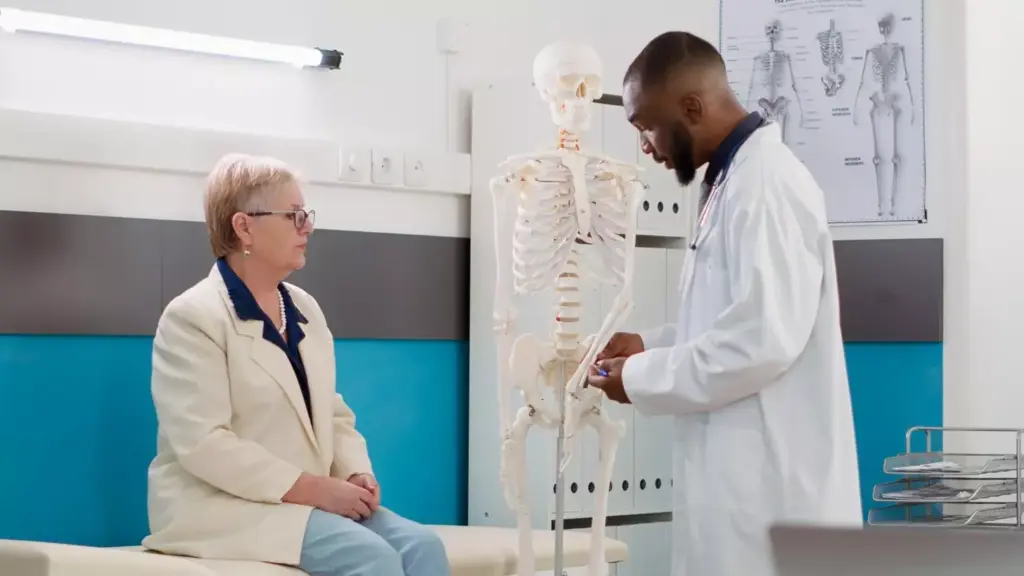
360 lumbar fusion is a way to stabilize the spine. It uses both the front and back of the spine. This method helps fix complex spinal problems.
Definition and Complete Approach
A 360 lumbar fusion is a surgery that uses both the front and back of the spine. This complete method makes sure the spine is stable from all sides. It creates a full circle of support around the vertebrae.
“The goal of 360 lumbar fusion is to solidify the spine, reduce pain, and bring back stability,” says a top spinal surgeon. This shows how important a detailed and wide-ranging spinal surgery is.
The front part of the surgery lets doctors remove bad discs and put in implants to fix the spine’s alignment. The back part lets them use rods and screws to stabilize the spine.
Evolution of 360 Spinal Fusion Techniques
Spinal fusion techniques have gotten better over time. Doctors have made the 360 lumbar fusion procedure better to get better results and shorter recovery times.
Now, 360 spinal fusion uses new technologies and materials. This includes advanced implants and bone grafts. These new tools make the surgery safer and more effective for complex spinal issues.
Using both the front and back in 360 lumbar fusion gives better stability and fusion rates. So, ALIF 360 surgery and other 360 fusion surgeries are now top choices for severe spinal problems.
Common Conditions Requiring 360 Back Surgery
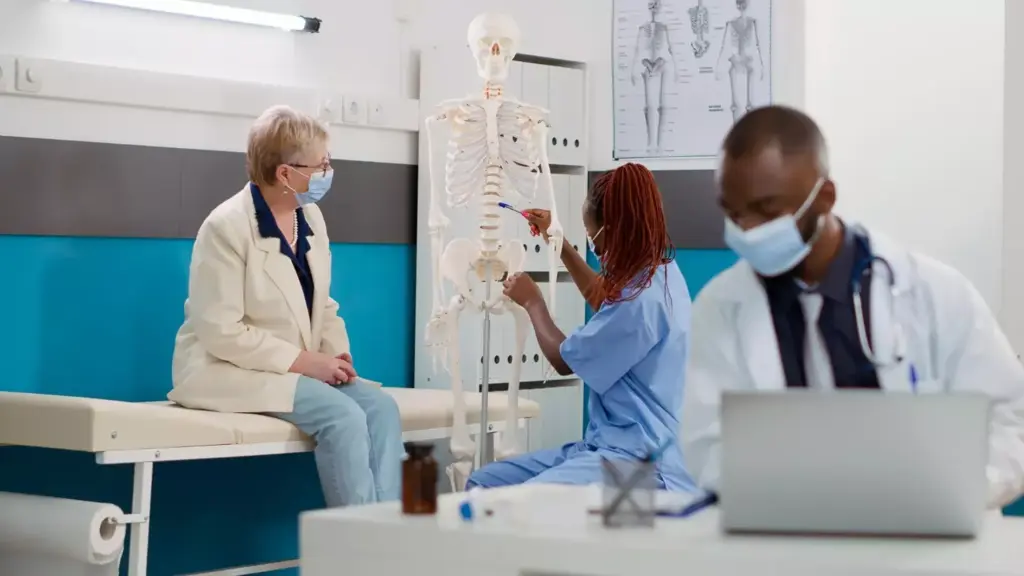
Many spinal disorders need the detailed care of 360 back surgery. This surgery is chosen for complex spinal issues that haven’t gotten better with other treatments.
Severe Spinal Instability
Severe spinal instability happens when the spine’s structure is damaged. This causes too much movement between vertebrae. It leads to a lot of pain and other symptoms. 360 lumbar fusion helps fix this by making the spine stable again.
Spondylolisthesis Management
Spondylolisthesis is when a vertebra slips forward over the one below it. If this is severe and causing problems, 360 back surgery might be needed. It helps align the vertebrae and makes the spine stable.
Advanced Degenerative Disc Disease
Advanced degenerative disc disease means the discs between vertebrae are badly damaged. This causes pain and makes it hard to move. If other treatments don’t work, 360 lumbar fusion can help. It removes the bad disc and joins the vertebrae together.
Structural Spinal Deformities
Structural spinal deformities, like scoliosis or kyphosis, can really affect a person’s life. If these are very bad and getting worse, 360 back surgery might be needed. It aims to fix the deformity and make the spine stable.
Here’s a list of main conditions that might need 360 back surgery:
- Severe spinal instability
- Spondylolisthesis
- Advanced degenerative disc disease
- Structural spinal deformities
These issues can cause a lot of pain and make it hard to do everyday things. If other treatments don’t help, surgery might be the best choice.
When Is 360 Lumbar Fusion Necessary?
Deciding on 360 lumbar fusion surgery comes after trying other treatments. This surgery is chosen when other methods haven’t helped.
Failed Conservative Treatment Protocols
First, we try physical therapy, medicine, and lifestyle changes. If these don’t work, surgery like 360 lumbar fusion is considered.
Common conservative treatments include:
- Physical therapy to improve mobility and strength
- Medications to manage pain and inflammation
- Lifestyle modifications such as weight loss and smoking cessation
| Conservative Treatment | Description | Benefits |
|---|---|---|
| Physical Therapy | Targeted exercises to improve mobility and strength | Enhanced flexibility, reduced pain |
| Medications | Pharmacological interventions for pain and inflammation | Pain management, reduced inflammation |
| Lifestyle Modifications | Changes in daily habits to reduce strain on the spine | Reduced risk of further injury, improved overall health |
Progressive Neurological Symptoms
Seeing progressive neurological symptoms means it’s time to think about 360 lumbar fusion. Symptoms like numbness, weakness, or tingling in the legs show nerve compression.
Progressive neurological symptoms may include:
- Increasing numbness or tingling in the extremities
- Muscle weakness that interferes with daily activities
- Loss of bladder or bowel control in severe cases
Structural Compromise Indicators
Signs of structural compromise, like big spinal instability or deformity, might need 360 lumbar fusion. These issues can get worse if not fixed surgically.
Structural compromise indicators include:
- Significant spinal instability
- Deformities such as scoliosis or kyphosis
- Severe degenerative disc disease
The Complete Diagnostic Process
Figuring out if 360 lumbar fusion is needed starts with a detailed check-up. This process looks at the spine and the patient’s health in many ways.
Clinical Evaluation and History
The first step is a deep dive into the patient’s medical history. We learn about their symptoms and how they live. This helps us find out why their spine might be hurting and what tests to run next.
Key parts of the clinical check-up are:
- Looking at past spinal problems or surgeries
- Checking how bad the pain is and if there are any nerve issues
- Considering what the patient does for work and how active they are
Advanced Imaging Studies
Next, we use special scans to see the spine up close. MRI and CT scans show us how bad the damage is. This helps us decide if 360 lumbar fusion is the right choice.
These scans help us:
- See how worn out the discs and joints are
- Check for any narrowing or slipping of the spine
- Spot any unusual shapes or instability
Functional Capacity Evaluations
Then, we check how well the patient can do everyday things. This tells us how much their spine problem affects their life. It helps us understand what they can and can’t do.
What we aim to find out in these evaluations is:
- How strong, flexible, and mobile the patient is
- If they can do their job or daily tasks
- Any limits or restrictions that might change treatment plans
By combining all this info, we can decide if 360 lumbar fusion is right. Then, we create a treatment plan that fits the patient’s needs perfectly.
Understanding the 360 Spinal Fusion Procedure
The 360 spinal fusion procedure is a detailed surgical method for treating complex spinal issues. It combines different surgical techniques to ensure maximum stability and fusion.
Anterior Lumbar Interbody Fusion (ALIF)
Anterior Lumbar Interbody Fusion (ALIF) is a key part of the 360 spinal fusion. ALIF accesses the spine from the front (anterior) of the body to remove damaged discs and insert fusion devices. This method helps to decompress nerves and restore disc height.
ALIF aims to relieve nerve pressure, correct spinal alignment, and promote fusion. When combined with posterior stabilization, it offers a more complete treatment.
Posterior Approach Techniques
The posterior approach is vital in the 360 spinal fusion procedure. This method accesses the spine from the back to stabilize vertebrae and aid in fusion. Posterior instrumentation, like rods and screws, adds extra stability.
Posterior techniques allow for direct nerve decompression and spine stabilization. They are often paired with ALIF for a 360-degree fusion.
Combined Approach Advantages
The combined anterior and posterior approach has many benefits. This thorough technique ensures maximum stability and fusion rates, lowering complication risks and boosting patient results.
Using a combined approach effectively treats complex spinal conditions. The 360 spinal fusion procedure is a strong solution for severe spinal instability or deformities.
Success Rates of 360 Lumbar Fusion Surgery
The success of 360 lumbar fusion surgery depends on many factors. It’s important for patients and surgeons to know these success rates. This knowledge helps in making informed decisions about the surgery.
Union Rate Statistics and Evidence
Research shows that 360 lumbar fusion is very effective. It has a success rate of over 90 percent for the right patients. The success of the surgery is measured by how well the vertebrae fuse together.
Evidence from clinical studies proves that 360 lumbar fusion works well for many spinal problems. It treats severe spinal instability, spondylolisthesis, and advanced degenerative disc disease. The surgery’s success comes from its complete approach, fusing both the front and back of the spine.
Patient Selection Impact on Outcomes
Choosing the right patient is key to the success of 360 lumbar fusion surgery. We look at the patient’s health, the severity of their spinal condition, and how well they can recover. Careful patient selection means the surgery is only done on those who will benefit the most.
- Clinical evaluation and history
- Advanced imaging studies
- Functional capacity evaluations
These tools help us fully understand the patient’s condition. This way, we can decide if 360 lumbar fusion surgery is right for them.
Long-term Success Measurements
Success after 360 lumbar fusion surgery is measured in several ways. We look at how much pain relief the patient gets, their improved function, and their overall happiness. Many patients see big improvements in these areas.
By looking at union rates, patient selection, and long-term results, we understand the benefits of 360 lumbar fusion. It’s a valuable treatment for complex spinal conditions.
Advanced Spine Care Centers for 360 Back Fusion
Advanced spine care centers are perfect for those needing 360 back fusion. They have specialized surgical teams and the latest equipment. These places are ready for complex spinal surgeries, giving patients top-notch care.
Expertise and Equipment
These centers have experienced surgeons who are experts in 360 lumbar fusion surgery. They use the newest technology and methods. This helps patients get better faster and recover sooner.
| Center Features | Benefits |
|---|---|
| Specialized Surgical Teams | Expertise in complex spinal surgeries |
| State-of-the-Art Equipment | Improved precision and safety during surgery |
| Comprehensive Care | Holistic support from diagnosis to recovery |
Back Fusion Surgery in Plano, TX, and Other Centers
Places like Plano, TX, are known for their advanced spine care. Patients get top-notch care from these centers. They have teams with many skills and the latest facilities.
Importance of Center Selection for Outcomes
The care and equipment at these centers really matter for surgery results. Choosing a center with skilled surgeons and modern facilities is key for the best results.
When picking a center for 360 back fusion, look at the team’s experience, the facilities, and the care offered. These factors are important for a good outcome.
Potential Risks and Complications
Choosing to have 360 lumbar fusion surgery means understanding its risks. This surgery can greatly help some patients. But, it’s key to know the possible bad outcomes.
Surgical Risks Specific to 360 Approaches
The 360 lumbar fusion method has its own risks. It uses both front and back approaches. This can lead to:
- More chance of harming blood vessels or organs from the front approach.
- Risk of nerve damage during the back part of the surgery.
- Greater chance of infection because the surgery is more complex.
We stress that these risks are serious. But, choosing the right patient and using careful surgery can lower these risks.
Post-Operative Complications
Patients after 360 lumbar fusion might face several complications. Common ones include:
| Complication | Description | Management |
|---|---|---|
| Pseudoarthrosis | Failure of fusion | Revision surgery |
| Infection | Bacterial or fungal infection at the surgical site | Antibiotics, possible surgical debridement |
| Adjacent Segment Disease | Degeneration of adjacent spinal segments | Conservative management or additional surgery |
As the table shows, these complications are serious. But, there are ways to manage them.
“The key to minimizing complications lies in careful patient selection, meticulous surgical technique, and thorough post-operative care.”
Risk Mitigation Strategies
To lessen the risks of 360 lumbar fusion, we use several methods:
- Doing a detailed check before surgery to spot risks.
- Using the latest surgery techniques and tools for better safety and precision.
- Having strong post-surgery care plans, like managing pain and moving early.
- Telling patients about possible complications and the need for follow-up care.
By using these strategies, we can lower the chance of problems and better outcomes for patients.
Recovery and Rehabilitation Protocol
After 360 lumbar fusion surgery, a good recovery plan is key. It helps patients get better faster. We know recovery can be tough, but with the right plan, patients can see big improvements.
Hospital Stay and Immediate Post-Op Care
The first step is a few days in the hospital. Our team watches over patients and helps with pain. They also start moving patients early to avoid stiffness and improve blood flow.
Immediate post-operative care focuses on pain relief. We teach patients how to move safely and do basic exercises. They also learn how to care for their surgical site.
Structured Physical Therapy Program
A structured physical therapy program is vital after surgery. It’s made just for each patient and gets more challenging as they get stronger. It starts with simple exercises and moves to harder ones.
Physical therapy helps patients get their strength and flexibility back. Our therapists help patients stick to their plan and feel comfortable with it.
Return to Activities Timeline
When patients can go back to normal activities varies. It depends on their health, the surgery’s complexity, and following the rehab plan. Usually, it takes several months.
- Initial recovery phase (0-6 weeks): Focus on rest, pain management, and basic mobilization.
- Intermediate phase (6-12 weeks): Gradually introduce more strenuous activities and exercises.
- Advanced phase (3-6 months): Progress to more demanding physical activities and start returning to normal routines.
Following the rehab plan is very important. It helps patients achieve better spinal stability, less pain, and get back to their activities sooner.
Conclusion: Weighing the Decision for 360 Lumbar Fusion
Deciding on 360 lumbar fusion means understanding the procedure well. You need to know its success rates and risks. It’s key to look at the spinal fusion surgery process and the team’s skills.
Our talk showed how important it is to think carefully about this surgery. Knowing what it does, who it helps, and what might happen helps patients make smart choices.
The success of 360 lumbar fusion depends on many things. These include who gets the surgery, how it’s done, and care after surgery. It’s important for patients to talk to experts to find the right treatment for them.
Choosing to have 360 lumbar fusion should be a thoughtful decision. Patients should weigh the good and bad sides. This way, they can get the best results and live better.
FAQ
What is 360 lumbar fusion surgery?
360 lumbar fusion surgery is a detailed procedure. It fuses the spine from both the front and back. This helps stabilize the spine and relieve pain.
When is 360 lumbar fusion necessary?
You might need 360 lumbar fusion if other treatments don’t work. This includes severe spinal instability, spondylolisthesis, and advanced degenerative disc disease.
What are the success rates of 360 lumbar fusion surgery?
Success rates are high, with fusion rates between 90% to 95%. This depends on patient selection, surgical technique, and post-operative care.
What are the possible risks and complications of 360 lumbar fusion?
Risks include infection, nerve damage, and pseudoarthrosis. To reduce these risks, careful patient selection and advanced techniques are used.
What is the recovery process like after 360 lumbar fusion surgery?
Recovery starts with a hospital stay and then physical therapy. Most patients can return to normal activities within a few months.
How is the need for 360 lumbar fusion determined?
A detailed diagnostic process is used. This includes clinical evaluation, imaging studies, and functional capacity evaluations to assess spinal instability or deformity.
What is the role of advanced spine care centers in 360 back fusion?
Advanced spine care centers offer specialized teams and equipment. They ensure successful outcomes for 360 back fusion surgery.
What is the difference between 360 lumbar fusion and other types of spinal fusion?
360 lumbar fusion is unique because it combines anterior and posterior approaches. This provides more complete spine stabilization.
Can 360 lumbar fusion be performed using minimally invasive techniques?
Yes, it can be done with minimally invasive techniques. This can reduce recovery time and tissue damage.
How does patient selection impact the outcomes of 360 lumbar fusion surgery?
Choosing the right patient is key to success. Factors like overall health and severity of the spinal condition matter.
References
- National Center for Biotechnology Information (NCBI) / PubMed Central. (n.d.). Retrieved from https://www.ncbi.nlm.nih.gov/pmc/articles/PMC5039869
- International Society for the Advancement of Spine Surgery (ISASS). (n.d.). ISASS Policy Statement on Lumbar Spinal Fusion Surgery. Retrieved from https://isass.org/isass-policy-statement-on-lumbar-spinal-fusion-surgery