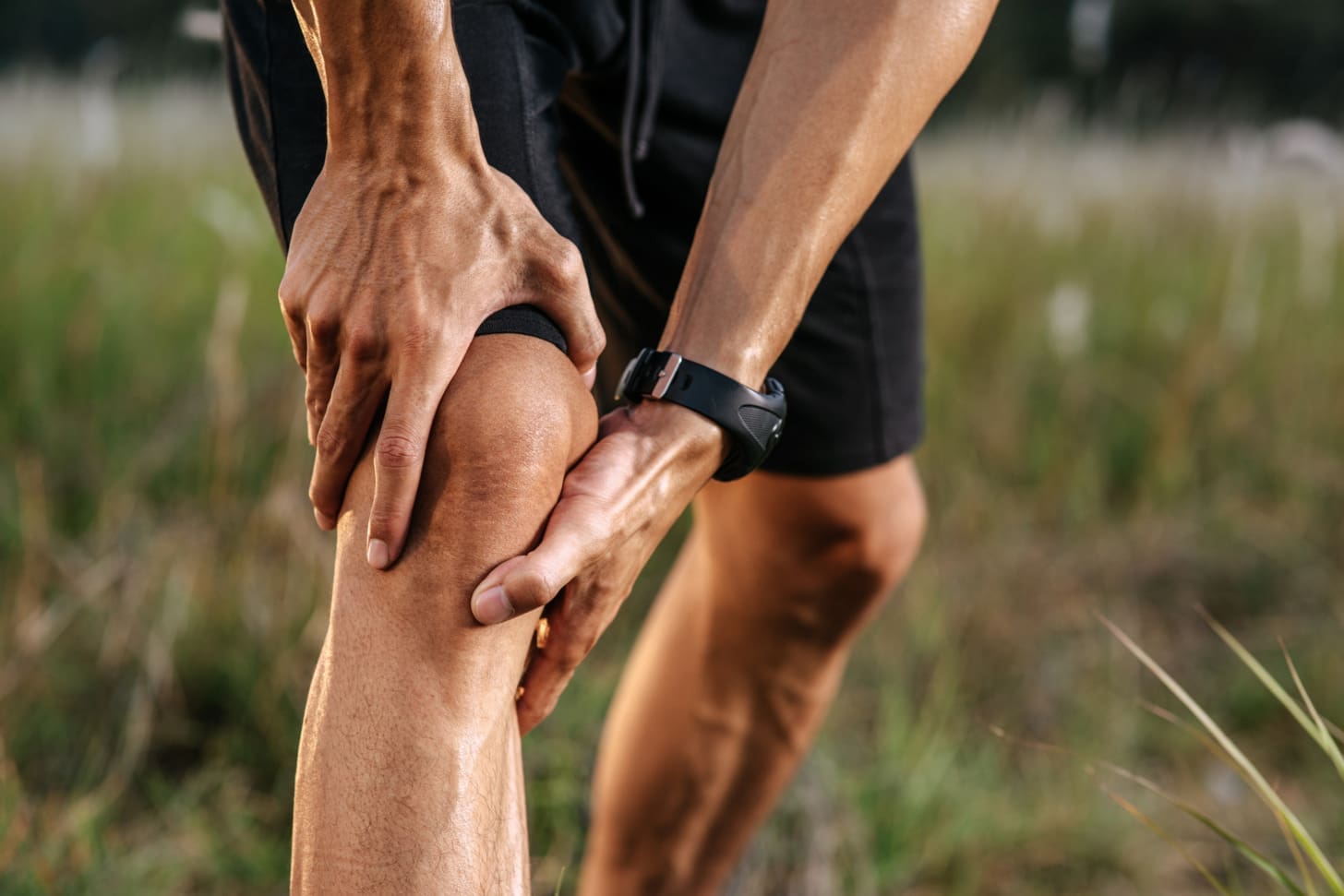
Swelling and warmth around the surgical site are common after knee surgery. At Liv Hospital, we know some swelling is normal. But it’s important to know when it might be a sign of a problem.
Swelling is the body’s way of reacting to surgery. Usually, it goes away as you get better. But knowing when swelling could mean trouble is key for a good recovery. Omega-3 fatty acids, with their anti-inflammatory effects, might help reduce swelling and aid healing.
Key Takeaways
- Swelling is a natural response to surgery.
- Understanding the difference between normal swelling and possible complications is key.
- Omega-3 fatty acids may help in reducing inflammation.
- It’s important to watch swelling and tell your healthcare provider if you’re worried.
- A safe recovery means staying informed and proactive about your healing.
Understanding Post-Knee Surgery Swelling
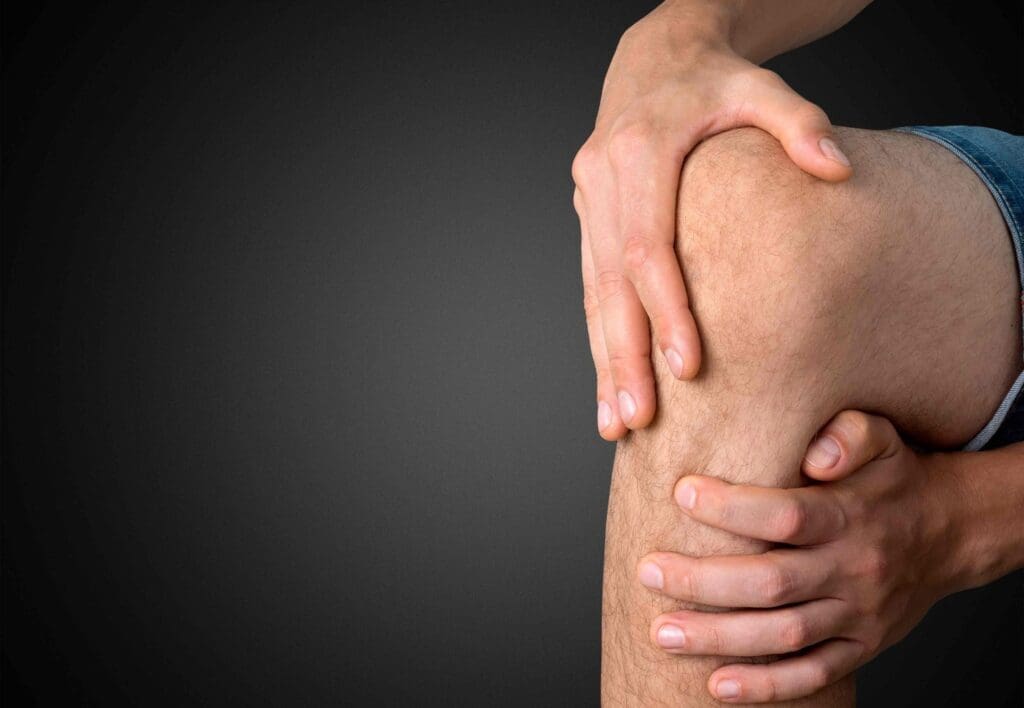
After knee surgery, swelling is a key part of healing. It’s a natural response as the body starts to fix the damaged tissues. Swelling is a sign that the body is working to repair itself.
When we have knee surgery, our body sends more blood to the area. This causes swelling. It’s a way for the body to protect itself and start healing.
The Body’s Natural Inflammatory Response
The body’s inflammatory response includes more blood flow and white blood cells. It also releases chemicals to clean the area and fight off infections. These actions help start the repair of damaged tissues.
Key factors influencing the severity of swelling include:
- The extent of the surgical procedure
- The individual’s overall health and age
- Pre-existing medical conditions
Different Types of Knee Surgeries and Expected Swelling
Swelling varies with different knee surgeries. For example, total knee replacement surgery usually causes more swelling than arthroscopy. This is because total knee replacement is a more extensive procedure.
| Type of Knee Surgery | Expected Swelling Level | Typical Recovery Timeframe |
|---|---|---|
| Total Knee Replacement | High | Several weeks to months |
| Arthroscopy | Moderate | A few weeks |
| Knee Osteotomy | Moderate to High | Several weeks to months |
Studies show that swelling usually peaks in the first week after surgery. It then slowly goes down over weeks and months. Knowing this can help patients better plan their recovery.
Normal Swelling Patterns After Knee Replacement
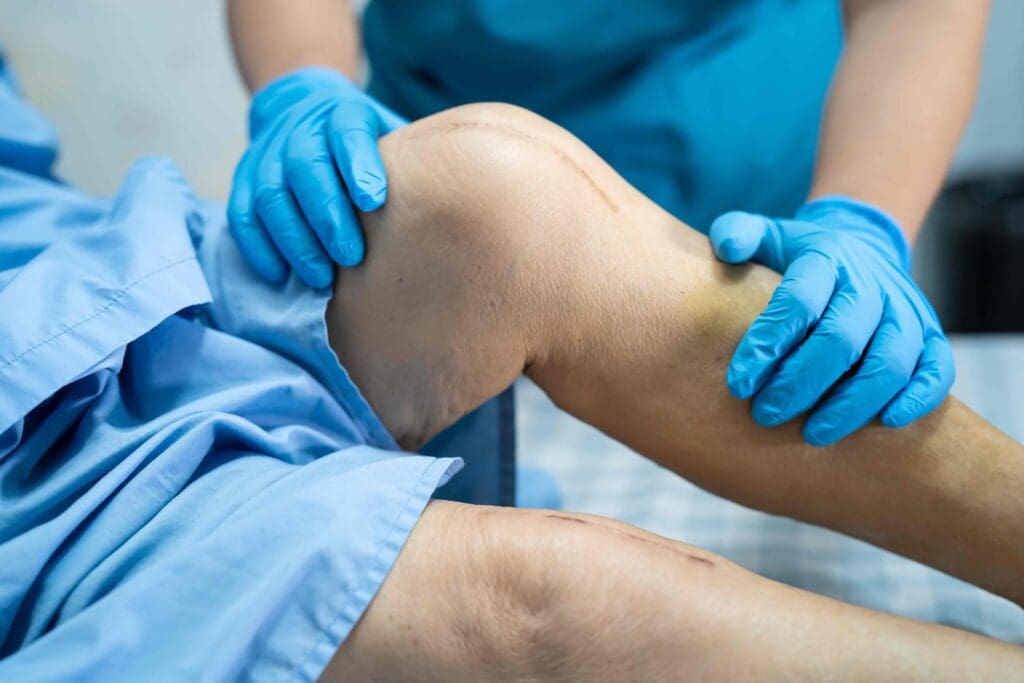
After knee replacement surgery, it’s important to know about swelling. Swelling is a natural part of healing. Knowing what to expect can help patients feel more at ease during their recovery.
First Week Post-Surgery: Peak Swelling Period
The first week after surgery is when swelling is usually the highest. This is because the body’s healing response is strongest then. Elevating the leg and using ice packs can help with swelling. We suggest patients stick to a routine of elevation and icing to lessen discomfort and swelling.
Weeks 2-4 After Surgery: Gradual Improvement
From weeks two to four, swelling starts to get better. It doesn’t go away right away but does decrease as healing progresses. Gentle exercises and physical therapy are key during this time. They help improve movement and reduce swelling.
Long-Term Swelling (1-6 Months): What to Expect
Mild swelling can last up to six months after surgery. It’s important for patients to know this is normal. Swelling may change based on how active you are. We recommend gentle exercises and watching swelling levels, reporting big changes to your doctor.
Knowing about swelling after knee replacement surgery can make recovery easier. By understanding what to expect and how to manage swelling, patients can feel more confident and less worried during their recovery.
After Knee Replacement Knee Hot: Understanding Warmth
After knee replacement surgery, many patients feel warmth around the surgical site. This feeling can be worrying, but knowing why it happens and how long it lasts can ease your mind.
Why Surgical Sites Feel Warm
The warmth after knee replacement surgery comes from the body’s healing response. When surgery damages tissue, the body starts an inflammatory process to heal. This process brings more blood to the area, making it feel warm or hot.
Increased blood flow and inflammation are normal reactions that usually go away as the knee heals.
Normal Duration of Increased Warmth
The time when the knee feels warm after surgery varies. Usually, the warmth is most noticeable in the first few weeks. As healing goes on, the warmth usually gets less.
But, some people might feel a bit of warmth for months as their body heals and gets used to the new joint.
- The first 2-4 weeks: Warmth is usually at its peak.
- 6-12 weeks: Gradual reduction in warmth as healing progresses.
- Beyond 3 months: Mild warmth may be present in some cases.
Distinguishing Normal Warmth from Concerning Heat
While some warmth is okay, it’s important to know when it’s not. Concerning symptoms include intense heat, redness, swelling, or fever. If your knee gets much hotter, hurts more, or swells up, or if you have fever or chills, see your doctor right away.
Knowing the difference between normal warmth and signs of trouble can make your recovery easier. If you’re unsure about your symptoms, always talk to your healthcare team.
Statistics on Post-Operative Knee Swelling
Knee swelling after TKA is a big deal in patient care and recovery. Knowing the stats helps both patients and doctors set realistic goals and results.
Prevalence Rates in Total Knee Arthroplasty
About 15.6% of patients get a lot of swelling after TKA. This shows swelling is quite common after this surgery.
Peak Swelling Timeframes
Swelling usually hits its peak between days 6-8 after surgery. Patients might feel more pain and move less during this time.
Factors That Influence Swelling Severity
Many things can make swelling worse or better. These include the patient’s health, how the surgery is done, and after-care. Knowing these helps in making better plans for managing swelling.
| Factor | Influence on Swelling |
|---|---|
| Patient’s Age | Older patients may experience more severe swelling due to decreased mobility and comorbidities. |
| Surgical Technique | Minimally invasive techniques may result in less tissue damage and substantially less swelling. |
| Post-Operative Care | Using R.I.C.E. (Rest, Ice, Compression, Elevation) well can greatly lessen swelling. |
Healthcare providers can make post-surgery care more personal by knowing these stats and factors. This could help lessen swelling and make recovery better for patients.
Warning Signs: When Swelling Indicates a Problem
Some swelling is normal after knee surgery. But, there are warning signs you should watch out for. Knowing these signs is key to getting help quickly and avoiding serious problems.
Excessive or Increasing Swelling After Initial Recovery
Swelling usually peaks in the first week after surgery. Then, it should start to go down. If your swelling gets worse or doesn’t go down, it’s a red flag. Keep an eye on your swelling and talk to your doctor if you’re worried.
Redness and Severe Warmth Around the Incision
Some warmth and redness at the incision site is okay. But, too much redness or warmth could mean an infection. If your incision area gets really red, warm, or starts to ooze pus, get help right away.
Pain That Worsens Over Time
Pain is part of getting better, but it shouldn’t get worse. If your pain gets worse or is too much to handle, talk to your doctor. They can help you find a better way to manage your pain.
Symptoms in the Calf or Foot
Swelling, pain, or color changes in your calf or foot could mean a serious problem. This could be a deep vein thrombosis (DVT). If you notice these symptoms, call your doctor right away.
Knowing these warning signs and acting fast can really help your recovery. If you’re worried about swelling or have any of these symptoms, it’s always better to be safe and talk to your doctor.
Potential Complications Related to Abnormal Swelling
It’s important to know about complications from swelling after knee surgery. Swelling that doesn’t follow the usual pattern can cause problems. These issues can make healing harder.
Infection: Signs, Symptoms, and Risks
Infection is a serious problem linked to swelling after knee surgery. Look out for signs like more redness, warmth, swelling, and pain around the surgery area. If you see these signs, call your doctor right away.
Key signs of infection:
- Increased redness around the incision site
- Swelling that worsens over time
- Pus or discharge from the wound
- Fever higher than 100.4°F (38°C)
Deep Vein Thrombosis (DVT): A Serious Concern
Deep Vein Thrombosis is another risk from swelling after knee surgery. It happens when a blood clot forms in deep veins, usually in the legs. Symptoms include pain, swelling, and warmth in the leg.
It’s important to know the risk factors for DVT, which include:
- Prolonged immobility
- Previous history of DVT or blood clotting disorders
- Age over 40
- Obesity
Joint Effusion and Persistent Inflammation
Swelling can also cause joint effusion, where too much fluid builds up in the joint. This leads to ongoing inflammation, pain, and stiffness. It can slow down recovery.
Managing joint effusion involves:
- Aspirating the excess fluid
- Using anti-inflammatory medicines
- Starting physical therapy to improve joint movement
Other Possible Complications
Other issues from swelling after knee surgery include:
- Prolonged recovery time
- Increased risk of more surgery
- Chronic pain and stiffness
- Reduced range of motion
Knowing about these complications helps you and your doctor manage them better. This ensures a smoother recovery.
Effective Management of Normal Knee Swelling
Learning how to handle normal knee swelling is key to a smooth recovery after knee replacement surgery. Swelling is a normal part of healing, but managing it well is important for getting back to normal.
R.I.C.E. Method for Swelling Control
The R.I.C.E. method is a well-known way to deal with swelling. Rest lets your knee heal, Ice reduces pain and swelling, and Compression bandages or sleeves help by tightening around the knee. Lastly, Elevation means raising your leg to cut down blood flow and swelling.
Medication Management
Medicine is vital for controlling pain and swelling after surgery. Anti-inflammatory drugs, like NSAIDs, are often used to lessen swelling. Always take the medicine as your doctor tells you to avoid side effects.
“Proper medication management is key to controlling swelling and a smooth recovery.” – Liv Hospital
Physical Therapy Approaches for Swelling Reduction
Physical therapy is also important for managing swelling. Gentle exercises like straight leg raises and knee bends improve blood flow and reduce stiffness. Physical therapists also use massage to help with swelling.
It’s best to work with a physical therapist to create a plan that fits your needs and helps you recover well.
Lifestyle Adjustments During Recovery
Changing your lifestyle can also help with swelling. Keeping a healthy weight eases pressure on your knee. Also, eating foods or taking supplements that fight inflammation, like omega-3 fatty acids, can help.
- Eat a diet full of fruits, vegetables, and whole grains
- Stay away from smoking and too much alcohol
- Drink plenty of water to get rid of toxins
At Liv Hospital, we’re dedicated to helping you with health services before and after surgery. We support you every step of the way.
When to Contact Your Healthcare Provider
It’s important to know when to reach out to your healthcare provider after knee surgery. Recognizing the signs that mean you need medical help can greatly affect your recovery.
Emergency Warning Signs Requiring Immediate Attention
Some symptoms are urgent and need immediate care. If you notice any of these, call your healthcare provider or emergency services right away:
- Severe swelling that doesn’t get better with elevation or medicine
- Increased redness or warmth around the surgery site
- Severe pain that can’t be controlled with the medicine you’ve been given
- Calf or leg pain that gets worse when you stand or walk
- Fever over 101.5°F (38.6°C)
- Difficulty breathing or feeling short of breath
Non-Emergency Concerns That Warrant Medical Evaluation
While not urgent, these issues should be discussed with your healthcare provider:
- Swelling that keeps getting worse or doesn’t go away
- Having trouble bending or straightening your knee
- Feeling numbness or tingling around your knee or leg
- Questions about your wound or when to have your sutures removed
Questions to Ask During Follow-up Appointments
Follow-up appointments are key to checking on your recovery. Here are some questions to ask:
| Question | Purpose |
|---|---|
| What is the expected recovery timeline for my specific surgery? | Learn about the normal recovery process |
| How can I manage swelling and pain effectively? | Get tips on post-operative care |
| Are there any specific exercises or physical therapy recommended? | Discover rehabilitation plans |
Documenting Your Recovery Progress
Keeping a record of your recovery is very helpful. Note the following:
- Swelling and pain levels each day
- What medicines you take and any side effects
- Progress in physical therapy or exercises
- Any concerns or questions for your healthcare provider
Being proactive and informed can make your recovery smoother. It also helps address any issues early on.
Conclusion: Navigating Your Knee Replacement Recovery
Understanding swelling is key to a smooth knee replacement recovery. We’ve covered normal swelling patterns, warning signs, and how to manage it. This knowledge is vital for a successful recovery.
Right after surgery, swelling is common for the first 6 weeks. It’s important to watch for sudden swelling, calf pain, or redness. These could mean a blood clot.
Knowing about swelling after knee replacement surgery helps patients manage their recovery. Using the R.I.C.E. method, managing medications, and physical therapy can greatly improve outcomes. This approach can make a big difference in recovery.
We urge patients to be active in their care. Follow your doctor’s advice and seek help if symptoms worry you. With the right care, patients can have a successful recovery and move freely again.
What is considered normal swelling after knee surgery?
Swelling after knee surgery usually gets worse in the first week. It then starts to go down over the next few weeks. Some swelling can last up to six months as the knee heals.
Why does my knee feel warm after knee replacement surgery?
The warmth in your knee is from your body’s natural response to the surgery. This warmth usually lasts a few weeks. But, it can vary from person to person.
How long does swelling last after total knee replacement?
Swelling after total knee replacement can last months. You’ll likely see big improvements in the first six months. But, some people might have mild swelling for up to a year.
What are the warning signs that swelling after knee surgery might indicate a problem?
Watch out for too much swelling, redness, and warmth around the cut. Also, look out for pain that gets worse, and swelling, pain, or color changes in your calf or foot.
Can omega-3 supplements help reduce swelling after knee surgery?
Omega-3 fatty acids might help because they have anti-inflammatory effects. But, always talk to your doctor before taking any supplements.
What is the R.I.C.E. method, and how can it help manage knee swelling?
R.I.C.E. means Rest, Ice, Compression, and Elevation. It helps by resting the knee, using ice to reduce swelling, and wearing compression bandages. Elevating the leg also helps improve blood flow.
When should I contact my healthcare provider about swelling after knee surgery?
Call your doctor right away if you see emergency signs like severe pain, sudden swelling, redness, warmth, or signs of infection. For other concerns, make an appointment to talk about your symptoms.
Are there any lifestyle adjustments I can make to help manage swelling during recovery?
Yes, you can make lifestyle changes to help. Keep a healthy weight, avoid standing or sitting for too long, and do gentle exercises as your doctor suggests.
What are the possible complications from swelling after knee surgery?
Complications can include infection, deep vein thrombosis (DVT), and joint effusion. Catching these early and treating them right is key to avoiding serious problems.
How can physical therapy help in reducing swelling after knee replacement?
Physical therapy can reduce swelling by improving blood flow, strengthening muscles, and encouraging gentle movement. A physical therapist can create a plan of exercises and techniques just for you.