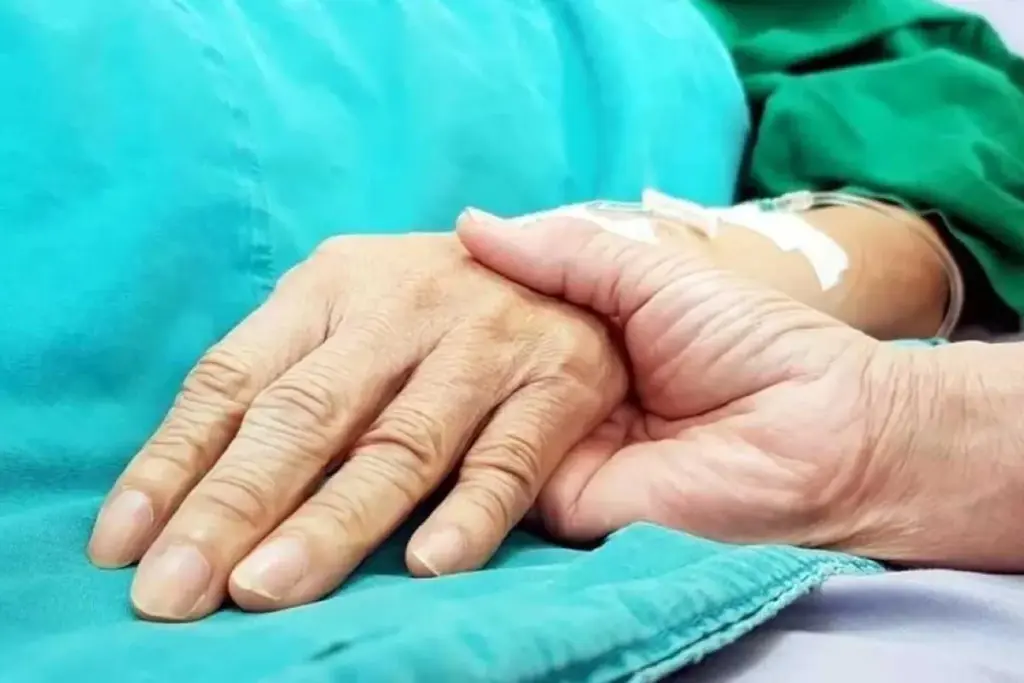
Palliative care is a vital part of healthcare. It helps ease the symptoms and stress of serious illnesses. We think palliative care should be given based on what the patient needs, not just their illness outlook. A 2025 international survey agrees, pointing out key times to offer it. These include when symptoms are severe, the illness is getting worse fast, and there’s a lot of emotional or social stress.
When should someone be offered palliative care? Discover amazing timing tips and vital reasons for this powerful and supportive care.
Adults with serious illnesses who often end up in the hospital, have complex care needs, or are in advanced stages of their disease can really benefit from palliative care. Adding it to their treatment plan can make their life better and help manage their symptoms more effectively.
Key Takeaways
- Palliative care is not just for end-of-life support; it can be beneficial at any stage of a serious illness.
- Patient needs, not just how sick they are, should guide when to offer palliative care.
- Severe symptoms and fast disease progression are signs it’s time to refer someone for palliative care.
- Big emotional or social problems and complex care needs also mean it’s time for palliative care.
- Being in the hospital a lot can mean someone needs palliative care.
Understanding Palliative Care: A Patient-Centered Approach

Palliative care focuses on the whole person, not just the illness. It aims to support those with serious diseases. This care model looks at the physical, emotional, and social needs of patients.
Defining Modern Palliative Care
Modern palliative care is all about a holistic approach. It helps with symptoms, pain, and stress of serious illnesses at any stage. The National Cancer Institute says it’s for any serious illness, even with curative treatments.
A team of experts, like doctors and nurses, work together. They support the patient and their family. The main goal is to enhance the patient’s quality of life and their family’s.
Distinguishing Palliative Care from Hospice
Many think palliative care and hospice care are the same. But they’re not. Hospice care is for those near the end of life, without curative treatments. Palliative care, on the other hand, can be given at any serious illness stage.
Palliative care is for patients with serious illnesses like cancer or heart disease. It offers full support. Studies show it improves quality of life and reduces symptoms, proving its value.
The Evolution of Palliative Care Referral Criteria

The way we decide who needs palliative care has changed a lot. This change helps patients live better and feel better. Our understanding of palliative care has grown, and so have the rules for who gets it.
Historical Approaches to Palliative Care Eligibility
Before, doctors only referred patients to palliative care if they didn’t have much time left. This was because palliative care started in hospice care, focusing on the end of life. But, this didn’t help patients who could benefit earlier.
Now, we know that starting palliative care early can make a big difference. It helps manage symptoms, improves life quality, and can even help patients live longer. So, the old way of deciding who gets palliative care is seen as a problem.
The Shift from Prognosis-Based to Needs-Based Referrals
Now, we decide who needs palliative care based on their needs, not just how long they have left. The 2025 international survey helped set clear criteria for this. It listed 15 key points for deciding who needs palliative care.
This change means palliative care is for more than just those near the end. It’s for anyone facing big challenges because of their illness. This shift shows that palliative care is a key part of good healthcare for serious illnesses.
|
Criteria |
Description |
Clinical Implication |
|---|---|---|
|
Severe Pain |
Pain that is difficult to manage |
Requires complex pain management plans |
|
Respiratory Distress |
Difficulty breathing or shortness of breath |
May need oxygen therapy or other treatments |
|
Nutritional Decline |
Significant weight loss or cachexia |
Needs nutritional support and advice |
Using needs-based criteria helps doctors make sure patients get the right care at the right time. This makes their care better and their outcomes better too.
When Should Someone Be Offered Palliative Care
Deciding when to offer palliative care involves a detailed look at a patient’s health and needs. This care aims to ease suffering for those with serious illnesses. It’s not just for when someone is near the end of life but can help at many points.
Patient Need vs. Prognosis Assessment
Before, we often decided on palliative care based on how long someone might live. But now, we focus more on what the patient needs. We look at how bad their symptoms are, how much their illness affects their life, and their overall health.
Choosing to focus on patient need helps us help sooner. By looking at what the patient needs right now, we can improve their life quality sooner.
Serious Illness Qualifying Conditions
Some illnesses clearly show the need for palliative care. These include severe pain, trouble breathing, or feeling sick all the time. Also, if someone is really stressed or upset, they might need this care.
We figure out if someone needs palliative care by looking at how complex their illness is, how bad their symptoms are, and how it affects their daily life. This helps us know how much support they need.
Appropriate Timing for Intervention
When to start palliative care is very important. It should start early, along with treatments meant to cure the illness. This way, patients get all the support they need from the start.
We suggest thinking about palliative care when someone is first diagnosed with a serious illness or if their condition gets much worse. Starting early helps manage symptoms better, supports patients and their families more, and improves life quality.
The 2025 International Consensus Survey on Palliative Care Referrals
The 2025 International Consensus Survey on palliative care referrals has given us valuable insights. It shows how complex palliative care is and what criteria are used for referrals. This is important for healthcare settings all over the world.
Survey Methodology and Participants
The 2025 International Consensus Survey used a mix of methods. It involved 1,500 healthcare professionals from 50 countries. This gave us a global view on how palliative care referrals are made.
People from all walks of healthcare took part. This included palliative care specialists, primary care doctors, nurses, and more. This mix made sure the results were true to many healthcare systems and practices.
The 15 Major Referral Criteria Identified
The survey found 15 key criteria for when to refer patients to palliative care. These criteria fall into three main areas: physical symptoms, signs of disease getting worse, and psychosocial factors. Severe symptoms like pain and breathing problems were at the top. This shows we need to act fast to manage these symptoms.
- Severe pain
- Respiratory distress
- Rapid disease progression
- Significant weight loss
- Frequent hospitalizations
Other criteria included patient and family distress, complex care needs, and having many health problems. These criteria highlight the need for a complete approach to palliative care. This approach should cover physical, emotional, and social needs of patients and their families.
Implementation Recommendations
Based on the survey, there are steps to take in clinical practice. Healthcare organizations should make clear guidelines for palliative care referrals. This ensures these services reach those who need them most.
It’s also suggested to train healthcare providers on using these criteria. Integrating palliative care referral processes into electronic health records is also recommended. This helps spot patients who could benefit from these services early on.
Physical Symptom Triggers for Palliative Care Consultation
Palliative care is often needed when physical symptoms make life hard for patients. These symptoms can be tough for doctors to handle. They need a detailed plan to help patients feel better.
Severe Pain Management Challenges
Severe pain is a big reason for palliative care. It’s hard to manage because everyone reacts differently. Doctors use many methods to help, like medicine and other treatments.
Respiratory Distress and Breathing Difficulties
When patients have trouble breathing, they need help fast. Doctors use oxygen and medicine to make breathing easier. They also help with other ways to feel more comfortable.
Nutritional Decline and Cachexia
When patients lose weight or have trouble eating, it’s a sign they need care. This can happen because of their illness or treatment. Doctors work to help patients eat better and feel stronger.
|
Symptom |
Common Interventions |
Palliative Care Role |
|---|---|---|
|
Severe Pain |
Pharmacological management, alternative therapies |
Comprehensive pain assessment, individualized treatment plans |
|
Respiratory Distress |
Oxygen therapy, pharmacological interventions |
Symptom alleviation, supportive care measures |
|
Nutritional Decline |
Dietary counseling, nutritional supplements |
Comprehensive nutritional assessment, support for nutritional needs |
Disease Progression Indicators
It’s key to spot disease progression signs to know when to start palliative care. These signs show a patient’s health is getting worse and their care needs are changing.
Rapid Functional Decline
A quick drop in function is a big sign of disease getting worse. This could mean losing the ability to do simple things like bathing or dressing. When patients quickly lose these abilities, it means their disease is moving forward. They might need palliative care to help.
- Loss of independence in daily activities
- Increased need for caregiver support
- Deterioration in physical or cognitive function
Disease-Specific Progression Markers
Each disease has its own signs of getting worse. For example, in cancer, it might be tumor growth. In neurodegenerative diseases, it could be worsening of thinking or movement skills.
- Increased frequency or severity of symptoms
- Worsening laboratory or imaging findings
- Progression to more advanced stages of disease
Spotting these signs helps doctors know who needs palliative care. This way, they can start helping patients improve their life quality sooner.
Healthcare Utilization Patterns Suggesting Palliative Care Need
Certain patterns in healthcare use can show that a patient needs palliative care. We look at these patterns to see when a supportive care approach is needed.
Frequent Hospitalizations
Patients with many hospital visits in a short time often have complex needs. Frequent hospitalizations can mean a patient’s condition isn’t being well-managed. Palliative care can help improve their quality of life.
Some key signs include:
- Two or more hospitalizations in a 12-month period
- Hospital visits for the same issue
- Visits that last longer or need more complex care
Emergency Department Frequent Visits
Going to the emergency department often is a sign of palliative care need. These visits show symptoms aren’t controlled or the condition is getting worse. Healthcare providers can start palliative care early to manage symptoms and improve outcomes.
Signs of needing palliative care include:
- More than two emergency visits for the same issue in 6 months
- Visits that lead to hospital stays
- Increasing symptoms leading to emergency visits
Increasing Dependency on Medical Interventions
As patients’ conditions worsen, they may need more medical help. This need for more medical help is a big sign that palliative care is needed. It helps patients and their families during tough times.
Examples of needing more help include:
- Need for constant oxygen or life-saving treatments
- More medicines for symptom control
- Often changing treatment plans due to symptom changes
By spotting these patterns, healthcare providers can find patients who need palliative care. They can offer the supportive care needed to enhance quality of life.
Psychosocial and Emotional Indicators
When patients face serious illnesses, their mental and emotional health is key. Palliative care does more than just treat physical symptoms. It also helps with the complex needs of patients and their families.
Patient and Family Distress Levels
High distress in patients and families shows they need palliative care. Distress can be anxiety, depression, or feeling overwhelmed. It makes it hard for patients to cope with their illness.
Using tools to measure distress helps us see who needs help. By addressing these needs, we can make patients and their families feel better.
Coping Challenges and Support Needs
Dealing with serious illness is tough for patients and families. They need support to manage these challenges. We teach them coping strategies and give them the resources they need.
Support needs can be different for everyone. From practical help to emotional support, we tailor our care to meet these needs.
Existential and Spiritual Concerns
Patients with serious illnesses often wonder about the meaning of life and their illness. Dealing with these concerns is a big part of palliative care. It’s important for their quality of life.
We help patients explore these questions. We offer spiritual support and help them talk about their values and beliefs. This way, our care is focused on the patient’s needs.
Complex Care Coordination Requirements
Palliative care is often needed when care gets very complex. Patients dealing with many health issues need a more integrated care approach. This helps them get the support they need.
Involvement of Multiple Specialists
When many specialists are involved, care can get fragmented. Patients with many health problems need advice from different doctors. This can lead to conflicting plans and more complexity in care.
Effective communication among specialists is key. Palliative care teams help make sure everyone is on the same page. They ensure care plans are focused on the patient’s needs.
Challenging Treatment Decision-Making
Deciding on treatments can get tough when patients face many health issues. Patients and families need help making these choices. They must weigh the good and bad of different treatments.
Palliative care helps by giving clear information about treatment options. They help patients make choices that match their values and goals.
Medication Management Complexity
Patients with complex needs often take many medications. Managing these can be hard. It’s important to avoid bad interactions and make sure medications work well.
Palliative care teams can make medication management easier. They regularly review medications and adjust them as needed. This keeps the patient’s care plan in focus.
Patient and Family-Initiated Requests for Palliative Care
When patients and their families ask for palliative care, it’s a clear sign that healthcare providers need to listen. These requests often come from the complex needs that serious illnesses bring. These needs go beyond just medical treatment, touching on emotional, social, and spiritual support.
Recognizing Patient Preferences
Understanding and respecting what patients want is key in palliative care. When they or their families ask for palliative care, it’s important to know why. This means not just fixing their immediate problems but also knowing their values, beliefs, and what they hope for in their care.
- Find out what the patient and family know about the illness and its outlook.
- Listen to their worries and fears about the future.
- Talk about what kind of care and treatments they prefer.
Family Caregiver Burden and Burnout
Family caregivers are vital in supporting those with serious illnesses. But, caring for a loved one can be very stressful. It can lead to caregiver burden and burnout. Palliative care teams must pay attention to the needs of family caregivers, giving them support and resources to handle their duties well.
Key strategies for supporting family caregivers include:
- Teach them about caregiving techniques and managing symptoms.
- Give them respite care to give them a break.
- Help them find community resources and support groups.
Addressing Quality of Life Concerns
Palliative care is all about making life better for patients with serious illnesses and their families. When patients and families ask for palliative care, it’s usually because they’re worried about their quality of life. This means managing symptoms well, supporting their emotional and spiritual health, and helping them have meaningful experiences.
Effective palliative care can:
- Lessen symptoms and improve comfort.
- Make patients and families happier with their care.
- Help patients reach their care goals and preferences.
Benefits of Timely Palliative Care Integration
Palliative care, when started early, brings many benefits. It can greatly improve a patient’s life. Early palliative care makes a big difference in how patients feel and are cared for.
Enhanced Quality of Life
One key benefit is better quality of life. Palliative care teams meet patients’ physical, emotional, and social needs. This helps patients keep their dignity and independence.
Research shows early palliative care improves symptoms and mood. Patients feel better overall.
Reduction in Symptom Burden
Palliative care also reduces symptoms. It uses a team approach to manage pain, nausea, and other symptoms. This makes patients more comfortable.
The table below shows how palliative care lowers symptom burden:
|
Symptom |
Pre-Palliative Care |
Post-Palliative Care |
|---|---|---|
|
Pain |
Severe |
Moderate |
|
Nausea |
Frequent |
Occasional |
|
Fatigue |
Debilitating |
Manageable |
Potential Survival Benefits
Research also hints at survival benefits from early palliative care. More studies are needed, but early care might lead to longer lives. Palliative care teams focus on the whole patient, improving outcomes.
The Gap in Palliative Care Access
Even with progress in palliative care, many people struggle to get the help they need. The problem is complex, tied to patient needs, healthcare system abilities, and economic status.
Current Statistics on Palliative Care Utilization
Only about 50% of those who could benefit from palliative care actually get it. This shows a big gap in service. It highlights the urgent need for better access to these services.
Some important facts about palliative care use are:
- Not enough palliative care services are available in rural areas.
- People from different economic backgrounds face different challenges in getting care.
- Healthcare providers don’t always refer patients to palliative care consistently.
Disparities in Access and Delivery
Disparities in palliative care access affect different groups in different ways. Several factors contribute to these issues:
- People living in rural areas often have less access to specialized care.
- Those from lower-income backgrounds may find it harder to access care.
- Cultural and language barriers can also impact the quality and availability of care.
To tackle these disparities, we need a wide-ranging approach. This includes policy changes, education, and community involvement.
Economic and Healthcare System Factors
Economic and healthcare system issues are major contributors to the palliative care gap. Key factors include:
- Funding models that don’t fully support palliative care services.
- Palliative care not being integrated into regular healthcare practices.
- Shortages of professionals in palliative care specialties.
To close the gap, healthcare systems must adopt more inclusive policies. They should invest in training and promote integrated care models.
Palliative Care Assessment Tools and Screening Processes
Good palliative care starts with the right tools. These tools help doctors spot patient needs early. Using standard tools and screening methods makes it easier to find who needs palliative care.
Standardized Assessment Instruments
Standard tools are key for checking on patients with serious illnesses. They help find out about physical symptoms, mental health, and more. This affects how well a patient lives. Tools like the Palliative Performance Scale (PPS) and the Edmonton Symptom Assessment System (ESAS) are examples.
|
Assessment Tool |
Description |
Primary Use |
|---|---|---|
|
Palliative Performance Scale (PPS) |
Measures a patient’s functional status |
Assessing patient functionality and prognosis |
|
Edmonton Symptom Assessment System (ESAS) |
Evaluates the severity of common symptoms |
Symptom management and monitoring |
|
Distress Thermometer |
Assesses patient distress levels |
Identifying psychological distress |
Implementing Systematic Screening Protocols
Using systematic screening makes sure all patients get checked for palliative care needs. This happens during hospital stays or visits. It helps doctors catch patients early and help them quickly.
Electronic Health Record Integration for Early Identification
Putting palliative care tools into electronic health records (EHRs) helps spot patients early. EHRs can set off alerts when a patient needs care. This makes the process smoother and catches everyone.
Using these tools and methods helps doctors give patients the care they need fast. This makes patients better and improves care quality.
The Role of Healthcare Organizations in Palliative Care Implementation
Healthcare organizations are key in bringing palliative care to patients. As more people need this care, these groups must offer top-notch, patient-focused care. This care meets the complex needs of those with serious illnesses.
Implementing Evidence-Based Protocols
Adopting evidence-based protocols is vital for palliative care. These protocols make sure care is consistent and of high quality, no matter where patients are in the healthcare system. Evidence-based protocols help manage symptoms, enhance life quality, and support patients and their families.
For example, pain management protocols might include regular checks, medication rules, and options like acupuncture or mindfulness. This way, healthcare groups can give patients care that meets their physical, emotional, and social needs.
Multidisciplinary Team Approaches
A multidisciplinary team approach is key to good palliative care. It means working together with doctors, nurses, social workers, chaplains, and more. They create care plans that fit each patient’s unique needs.
- Doctors and nurses handle medical care and symptom control.
- Social workers help with psychosocial needs and talk to patients, families, and teams.
- Chaplains and spiritual care providers support patients’ and families’ spiritual and existential needs.
By teaming up, these groups offer care that is smooth, complete, and improves patient results and happiness.
Quality Improvement Initiatives
Keeping care quality high is a must for palliative care. Healthcare groups should always be looking to improve. This means checking patient results and feedback, finding ways to do better, and trying new things.
- Watching patient outcomes and what they say.
- Looking at how care is given to find ways to do better.
- Trying new methods or tech to improve care.
Places like livehospital.com lead in making sure care is proactive and ethical. By always getting better, healthcare groups can give the best care to those who need it most.
Conclusion: Advancing Timely and Appropriate Palliative Care Access
Improving the quality of life for patients with serious illnesses is key. We’ve talked about how palliative care referrals have changed. Now, they focus on what patients need, not just their prognosis.
Getting palliative care early can greatly reduce symptoms and might even help patients live longer. This shows how important it is to integrate it into healthcare plans.
Good palliative care needs a team effort. This includes education, policy changes, and reforms in healthcare systems. We must keep using proven methods and team work to meet patients’ and families’ complex needs.
This way, we can make sure everyone gets the care they need when they need it. It’s about making healthcare better for all, focusing on what patients and families need.
As we go forward, we must keep improving access to palliative care. This means putting patients first and supporting their families. Together, we can build a healthcare system that cares for everyone with serious illnesses.
FAQ
What is palliative care, and how does it differ from hospice care?
Palliative care focuses on easing symptoms and pain for serious illnesses at any stage. It’s different from hospice care, which is for those with a short life expectancy. Palliative care can be given alongside treatments aimed at curing the illness.
When should someone be offered palliative care?
Palliative care should be offered when a patient needs it, not just based on how long they might live. It’s for those with serious illnesses like cancer or heart disease who are feeling symptoms or pain.
What are the benefits of timely palliative care integration?
Getting palliative care early can make life better, reduce symptoms, and even help patients live longer. It helps with making care decisions and dealing with emotional and spiritual issues too.
How do healthcare providers assess the need for palliative care?
Doctors use tools and screens to find out who needs palliative care. They look at symptoms, how the disease is progressing, and how much care is needed. They also consider emotional and social factors.
What are some common physical symptom triggers for palliative care consultation?
Severe pain, breathing problems, and losing weight are common reasons to talk about palliative care. Palliative care teams can manage these symptoms to make patients more comfortable.
How can palliative care help with complex care coordination requirements?
Palliative care teams can make care easier by handling many specialists, tough decisions, and complicated medicines. This simplifies care for patients.
What role do patient and family-initiated requests play in accessing palliative care?
When patients or families ask for palliative care, it shows they need it. It’s important to listen to their wishes, help caregivers, and focus on improving their quality of life.
What are some disparities in palliative care access, and how can they be addressed?
Some groups face barriers to palliative care due to money and healthcare system issues. To fix this, we need education, policy changes, and more awareness about palliative care.
How can healthcare organizations implement palliative care effectively?
To start palliative care, hospitals and clinics should follow proven methods. They should use teams and focus on improving care for patients.
What is the role of palliative care assessment tools and screening processes?
Tools and screens help find who needs palliative care. Using standard tests and integrating them into electronic records can help spot patients early and act quickly.
National Center for Biotechnology Information. Evidence-Based Medical Insight. Retrieved from https://pubmed.ncbi.nlm.nih.gov/25800744/