

Robotic hernia surgery has revolutionized the way hernia repairs are performed, offering patients faster recovery and reduced post‑operative pain. One common question that often arises is when walk after hernia surgery — a concern many patients share when planning their recovery.
Early mobilization plays a crucial role in achieving the best outcome. According to medical guidelines, patients are generally advised to start walking within 24 hours following the procedure. Understanding when to walk after hernia surgery is essential, as early movement helps prevent complications such as blood clots and promotes faster healing.
Recognizing the importance of post‑operative mobility empowers patients to take an active role in their recovery. By knowing when walk after hernia surgery is recommended, individuals can better navigate their rehabilitation and confidently return to regular activities sooner.
Key Takeaways
- Patients are advised to start walking within 24 hours after robotic hernia surgery.
- Early mobilization helps prevent complications and promotes healing.
- Robotic hernia surgery offers a faster recovery time compared to traditional methods.
- Post-operative mobility is a crucial aspect of the recovery process.
- Understanding post-operative care instructions can aid in a smoother recovery.
Understanding Robotic Hernia Surgery
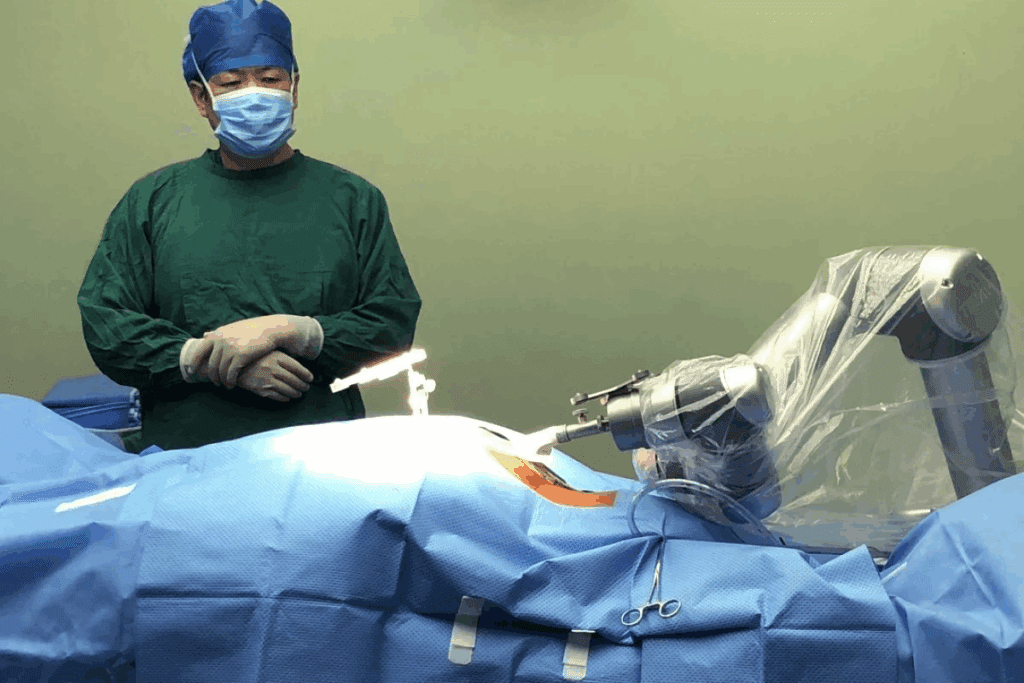
Robotic-assisted hernia repair is a sophisticated surgical method that provides numerous benefits for patients undergoing hernia surgery. This technique utilizes a robotic system to assist the surgeon, enhancing precision and control during the procedure.
What is Robotic-Assisted Hernia Repair?
Robotic-assisted hernia repair involves the use of a robotic system that allows surgeons to perform complex procedures with greater ease and accuracy. The system includes a console where the surgeon sits and controls the robotic arms, a patient-side cart with instruments, and a high-definition 3D vision system. This technology enables minimally invasive surgery, reducing the size of incisions and promoting faster healing.
Benefits of Minimally Invasive Techniques
Minimally invasive techniques, such as robotic-assisted hernia repair, offer several advantages over traditional open surgery. These benefits include:
- Smaller incisions, resulting in less tissue damage and trauma
- Reduced risk of infection and complications
- Less postoperative pain
- Faster recovery times
- Improved cosmetic outcomes
Types of Hernias Treated with Robotic Surgery
Robotic surgery can be used to treat various types of hernias, including:
| Type of Hernia | Description | Robotic Surgery Benefits |
| Inguinal Hernia | Occurs when tissue protrudes through a weak spot in the abdominal muscles in the groin area. | Precise repair with minimal postoperative pain |
| Umbilical Hernia | Involves a bulge near the belly button due to a weakness in the abdominal wall. | Small incisions, less visible scarring |
| Ventral Hernia | Occurs in the abdominal wall, often at the site of a previous surgical incision. | Reduced risk of recurrence, faster recovery |
By understanding the specifics of robotic hernia surgery, patients can better appreciate the benefits and advancements this technology brings to hernia repair.
Preparing for Your Robotic Hernia Surgery
Preparing for robotic hernia surgery involves several key steps to ensure a smooth recovery. Proper preparation can significantly impact your post-surgery mobility and overall healing process.
Pre-surgery Physical Conditioning
Engaging in pre-surgery physical conditioning can help improve your recovery outcomes. Gentle exercises such as walking, stretching, and light cardio can enhance your overall physical health. It’s essential to consult with your healthcare provider before starting any new exercise regimen, especially if you have any underlying health conditions.
Recommended pre-surgery exercises:
- Brisk walking
- Light swimming or water aerobics
- Gentle yoga or Pilates
Home Preparation for Post-Surgery Mobility
Preparing your home for post-surgery mobility is crucial for a comfortable recovery. Consider making the following adjustments:
- Clearing clutter and tripping hazards
- Setting up a comfortable recovery area
- Installing handrails or grab bars if necessary
Tip: Ensure that your most used items are within easy reach to minimize straining or bending.
Items to Have Ready for Recovery
Having the right items ready can make your recovery more comfortable. Some essentials to have on hand include:
| Item | Description |
| Comfortable clothing | Loose-fitting clothes that are easy to put on and take off |
| Pain management medication | Prescribed by your doctor, as directed |
| Ice packs | For reducing swelling and pain |
By focusing on these areas, you can ensure a more comfortable and successful recovery from your robotic hernia surgery.
The Immediate Post-Operative Period
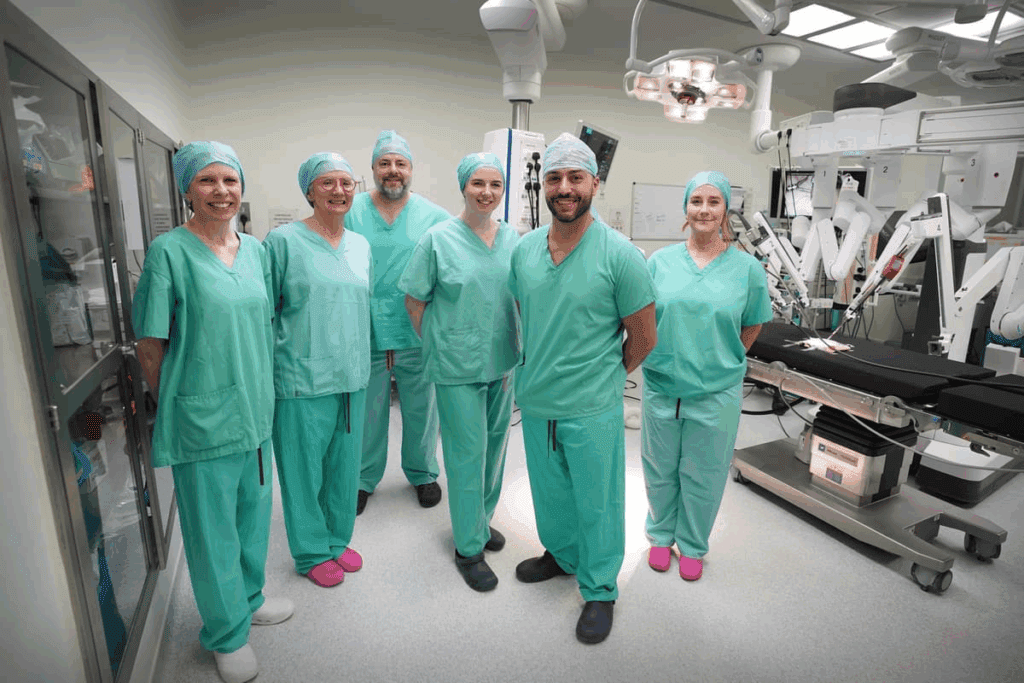
The immediate post-operative period after robotic hernia surgery involves several critical steps that ensure a safe and effective recovery. This phase is characterized by rest, managing pain, and initial mobilization.
First 24 Hours After Surgery
The first 24 hours are crucial for recovery. Patients are advised to rest and avoid strenuous activities. Pain management is a priority, with medication prescribed to keep discomfort at a manageable level.
- Rest and relaxation are key.
- Follow the prescribed pain management regimen.
- Stay hydrated and maintain a balanced diet.
Hospital Discharge Timeline
Typically, hospital discharge occurs within a day after robotic hernia surgery, depending on the patient’s overall health and the surgery’s complexity. It’s essential to have a caregiver present to assist with daily tasks during the initial recovery phase.
Preparation is key to a smooth hospital discharge. Ensure you have all necessary supplies and a clear understanding of post-operative instructions.
Initial Mobility Expectations
Initial mobility is encouraged to prevent complications such as blood clots and to promote healing. Patients are expected to gradually increase their movement, starting with short walks.
- Begin with short, gentle walks.
- Gradually increase walking distance and frequency.
- Monitor your body’s response and adjust accordingly.
By understanding and adhering to these guidelines, patients can ensure a successful and timely recovery after robotic hernia surgery.
When Can I Walk After Hernia Surgery?
Understanding the timeline for walking after hernia surgery is crucial for a smooth recovery. Walking is an essential activity that helps prevent complications and promotes healing. After robotic hernia surgery, patients are generally encouraged to start walking within 24 hours.
Day of Surgery Mobility Guidelines
On the day of surgery, it’s essential to follow specific mobility guidelines. Patients are usually advised to take short walks around the house, gradually increasing the distance as comfort allows. It’s crucial to avoid strenuous activities and heavy lifting.
First Week Walking Progression
During the first week after surgery, walking progression varies among individuals. Typically, patients can expect to increase their walking distance and frequency gradually. It’s recommended to start with short walks and progressively extend the duration and distance.
Individual Factors Affecting Walking Timeline
Several individual factors can influence the walking timeline after hernia surgery. These include the patient’s overall health, age, the type of hernia treated, and the presence of any complications. It’s essential for patients to follow their surgeon’s specific advice regarding post-operative walking.
By understanding these guidelines and factors, patients can better navigate their recovery process, ensuring a safe and effective return to normal activities.
Benefits of Early Mobilization
Getting moving soon after hernia surgery has numerous benefits for patients. Early mobilization is a critical component of the recovery process, contributing to a smoother and more effective healing journey.
Preventing Complications
One of the primary advantages of early mobilization is the prevention of complications. By getting patients moving, the risk of post-operative complications such as adhesions, bowel obstruction, and pneumonia can be significantly reduced. Early movement helps maintain organ function and promotes overall physical health.
Promoting Healing and Recovery
Early mobilization also plays a crucial role in promoting healing and recovery. Gentle movement can enhance blood flow to the surgical site, which is essential for the healing process. Increased circulation delivers oxygen and nutrients to the affected area, supporting tissue repair.
“Early mobilization after surgery is associated with reduced morbidity and faster recovery times.A Surgical Expert
Psychological Benefits of Movement
In addition to physical benefits, early mobilization offers significant psychological advantages. Movement can help reduce anxiety and depression by releasing endorphins, also known as “feel-good” hormones. Patients who are mobile early in their recovery tend to have a more positive outlook and better mental health outcomes.
Reducing Risk of Blood Clots
Another important benefit of early mobilization is the reduction of blood clot risk. Prolonged bed rest can lead to the formation of deep vein thrombosis (DVT), a potentially life-threatening condition. By getting patients moving, the risk of DVT can be minimized, ensuring a safer recovery.
In conclusion, early mobilization after robotic hernia surgery is a multifaceted approach that not only prevents complications and promotes healing but also offers psychological benefits and reduces the risk of blood clots. By understanding the importance of early movement, patients can take an active role in their recovery, leading to better overall outcomes.
Walking Guidelines by Hernia Type
Different hernia types require personalized recovery plans, including specific walking guidelines to ensure optimal healing. The nature of your hernia and the surgical technique used can significantly influence your post-operative mobility and overall recovery experience.
Inguinal Hernia Repair Recovery
For patients who have undergone inguinal hernia repair, walking is generally encouraged shortly after surgery to promote circulation and prevent complications. Typically, patients can start with short walks within the first 24 to 48 hours post-operatively. It’s essential to begin with gentle, gradual movements and monitor your body’s response, adjusting your activity level accordingly.
Umbilical Hernia Walking Timeline
Recovery from umbilical hernia repair shares some similarities with inguinal hernia repair in terms of the importance of early mobilization. Patients are usually advised to start walking within the first day after surgery, with a gradual increase in distance and intensity over the following week. The key is to listen to your body and not push through pain or discomfort.
Ventral and Incisional Hernia Considerations
Ventral and incisional hernias, often requiring more complex repairs, may have a slightly different recovery trajectory. Walking is still a crucial component of the recovery process, but the pace and extent of mobilization might be adjusted based on the surgeon’s assessment of the repair’s complexity and the patient’s overall condition.
Hiatal Hernia Special Considerations
For hiatal hernias, the recovery focus is not only on physical mobility but also on managing symptoms related to the upper digestive tract. While walking is beneficial, it’s equally important to adhere to dietary recommendations and lifestyle adjustments advised by your healthcare provider to minimize discomfort and support healing.
In conclusion, while walking is a universally recommended activity post-hernia surgery, the specifics of when and how to walk safely vary by hernia type. Always follow the personalized advice of your surgeon to ensure the best possible recovery outcome.
Robotic vs. Traditional Hernia Surgery Recovery
When it comes to hernia surgery, the choice between robotic and traditional methods can significantly impact the recovery process. As patients consider their options, understanding the differences in recovery between these two approaches is crucial.
Comparing Recovery Timelines
Robotic hernia surgery generally offers a quicker recovery compared to traditional open surgery. Studies have shown that patients who undergo robotic-assisted hernia repair tend to have shorter hospital stays and return to normal activities faster.
- Faster recovery: Robotic surgery often results in less tissue trauma and trauma to the surrounding areas.
- Shorter hospital stays: Patients typically spend less time in the hospital after robotic surgery.
- Quicker return to normal activities: The minimally invasive nature of robotic surgery contributes to a faster return to daily life.
Mobility Advantages of Robotic Techniques
The mobility advantages of robotic hernia surgery are significant. With smaller incisions and less tissue damage, patients experience less pain and discomfort, making it easier to move around and engage in physical activities sooner.
Pain Management Differences
Pain management is another area where robotic hernia surgery differs from traditional methods. Robotic surgery often results in less postoperative pain due to the smaller incisions and more precise dissection.
- Reduced postoperative pain: Smaller incisions lead to less tissue trauma.
- Less need for pain medication: Patients may require fewer pain medications after robotic surgery.
Incision Size Impact on Walking Ability
The size of the incision can significantly impact a patient’s ability to walk after surgery. Robotic hernia surgery involves smaller incisions, which generally lead to less discomfort and a faster return to walking and other physical activities.
In conclusion, the differences between robotic and traditional hernia surgery recovery are notable, with robotic surgery often offering advantages in terms of recovery time, mobility, pain management, and overall comfort during the healing process.
Pain Management and Walking Progress
A well-planned pain management strategy is essential for patients to regain their mobility through walking after hernia surgery. Effective pain control enables patients to resume normal activities sooner, contributing to a smoother recovery process.
Medication Strategies for Comfortable Movement
Medication plays a crucial role in managing post-surgical pain. Commonly prescribed pain medications after robotic hernia surgery include acetaminophen and NSAIDs. In some cases, stronger opioids may be prescribed for short-term use. It’s essential to follow the medication regimen as directed by your healthcare provider to ensure optimal pain control.
- Take medication as prescribed, typically 30 minutes before walking or other activities.
- Monitor your pain levels and report any changes to your healthcare provider.
- Be aware of potential side effects and interactions with other medications.
Non-Pharmaceutical Pain Control Techniques
In addition to medication, several non-pharmaceutical techniques can help manage pain and promote comfortable walking. These include:
- Breathing exercises to help relax and reduce pain perception.
- Heat or cold therapy applied to the surgical area to alleviate discomfort.
- Relaxation techniques, such as meditation or guided imagery, to reduce stress and promote healing.
When Pain During Walking Warrants Medical Attention
While some discomfort is normal during the recovery period, certain situations require immediate medical attention. Seek help if you experience:
- Severe pain that doesn’t respond to medication.
- Increasing pain over time.
- Pain accompanied by other symptoms like fever, redness, or swelling at the surgical site.
By combining medication strategies with non-pharmaceutical pain control techniques and being aware of when to seek medical help, patients can effectively manage their pain and make progress with walking after robotic hernia surgery.
Recommended Walking Progression Schedule
After robotic hernia surgery, a gradual walking progression schedule is crucial for a smooth recovery. This schedule helps patients regain strength, improve mobility, and reduce the risk of complications. The walking progression should be tailored to the individual’s overall health and the specifics of their surgery.
Days 1-3: First Steps
In the first few days after surgery, it’s essential to start with short, gentle walks. Begin with 5-10 minute walks around the house, gradually increasing the duration as comfort allows. It’s crucial to listen to your body and not overexert yourself during this initial phase.
Days 4-7: Building Endurance
As you progress into days 4-7, aim to increase your walking time by 5-10 minutes each day. This gradual increase helps build endurance without putting excessive strain on the body. Patients should focus on building a consistent walking routine during this period.
Weeks 2-4: Expanding Mobility
By weeks 2-4, most patients can start to expand their walking distance and frequency. It’s recommended to aim for at least 30 minutes of walking per session, several times a day. This phase is critical for enhancing mobility and promoting healing.
Beyond 4 Weeks: Return to Normal Walking
After four weeks, patients typically can return to their normal walking routines. However, it’s essential to continue listening to your body and adjust your activity level based on any discomfort or pain. Gradually introduce more strenuous activities as recommended by your healthcare provider.
Throughout the recovery process, it’s vital to follow the specific guidelines provided by your surgeon or healthcare team. They can offer personalized advice based on your unique condition and progress.
Activity Restrictions During the Recovery
Understanding the activity restrictions after robotic hernia surgery is vital for patients to ensure proper healing. During the recovery period, patients need to balance rest with gradual mobilization to promote healing and prevent complications.
Walking vs. Other Physical Activities
Walking is a recommended activity after robotic hernia surgery as it promotes blood circulation and helps prevent complications such as blood clots. However, other physical activities, especially those that are strenuous or involve heavy lifting, bending, or contact sports, should be avoided in the initial recovery period.
Patients are generally advised to start with short walks and gradually increase the distance and pace as their comfort level improves. It’s essential to differentiate between walking, which is encouraged, and more strenuous activities like running, cycling, or weightlifting, which should be postponed.
Lifting Limitations While Ambulatory
Even as patients become more ambulatory, there are specific lifting limitations to adhere to. Generally, patients are advised not to lift objects heavier than 10-15 pounds (approximately 4.5 to 6.8 kilograms) for the first few weeks after surgery. This restriction helps in preventing strain on the abdominal muscles and the surgical site.
| Activity | Recommended Limitation | Duration |
| Lifting | No more than 10-15 pounds | First 2-4 weeks |
| Bending/Straining | Avoid heavy bending or straining | First 2-4 weeks |
| Driving | Avoid driving while on strong pain medication | Until comfortable and safe |
Driving and Transportation Considerations
Driving is another activity that requires careful consideration during the recovery period. Patients are usually advised not to drive while they are on strong pain medication, as it can impair their reaction time and judgment. The decision to resume driving should be based on the patient’s comfort and ability to perform driving maneuvers safely.
For transportation, patients are advised to have someone accompany them, especially during the first few days after surgery, in case they need assistance.
Stair Climbing Guidelines
Stair climbing is an activity that can be challenging after abdominal surgery. Patients are generally advised to climb stairs slowly and take regular breaks if needed. The ability to climb stairs can be an indicator of recovery progress, but it should be done cautiously to avoid overexertion.
By understanding and adhering to these activity restrictions, patients can ensure a smoother and more effective recovery after robotic hernia surgery.
Signs of Proper Healing vs. Complications
After undergoing robotic hernia surgery, it’s essential to recognize the signs of proper healing and potential complications. A successful recovery is largely dependent on being aware of what to expect and when to seek medical attention.
Normal Recovery Indicators
Proper healing after robotic hernia surgery is typically characterized by several key indicators. These include:
- Mild pain that gradually decreases over time
- Minimal swelling or bruising around the surgical site
- A return to normal bodily functions, such as bowel movements and urination
- The ability to gradually increase mobility and perform daily activities
It’s also important to monitor the surgical site for signs of healing, such as the incision closing and any scabbing or scarring that may occur.
Warning Signs During Walking
While walking is an essential part of the recovery process, there are certain warning signs that patients should be aware of. These include:
- Severe pain or discomfort that worsens over time
- Swelling or redness around the surgical site that increases or doesn’t improve
- Difficulty walking or maintaining balance
- Numbness or tingling sensations in the legs or around the surgical site
If any of these symptoms occur, it’s crucial to contact your healthcare provider for guidance.
When to Contact Your Surgeon
Knowing when to seek medical attention is vital for a smooth recovery. Patients should contact their surgeon if they experience:
| Symptom | Description |
| Increased pain | Pain that worsens or is not managed with prescribed medication |
| Fever | A temperature above 100.4°F (38°C) |
| Surgical site issues | Redness, swelling, discharge, or opening of the incision |
| Respiratory issues | Difficulty breathing or shortness of breath |
If you’re experiencing any of these symptoms, don’t hesitate to reach out to your surgeon for advice.
Patient Experiences and Recovery Stories
Real-life stories from patients who have undergone robotic hernia surgery provide inspiration and guidance for those about to embark on a similar journey. These patient experiences offer valuable insights into the recovery process, highlighting both the successes and the challenges faced.
Case Study: Quick Recovery Timeline
One patient’s story stood out for its remarkable quick recovery timeline. After undergoing robotic hernia surgery, this individual was able to return to their normal activities within a few weeks. Their experience underscores the potential benefits of robotic surgery, including less pain and faster healing.
“I was back to my normal routine in no time, thanks to the robotic surgery. The recovery was smoother than I expected.” – John Doe, robotic hernia surgery patient
Case Study: Overcoming Complications
Not all recoveries are straightforward, as illustrated by a case study on overcoming complications. A patient experienced some post-operative issues but was able to overcome them with the help of their healthcare team. This story highlights the importance of follow-up care and the resilience of patients.
- Adhering to post-operative instructions is crucial.
- Follow-up appointments help in addressing any complications early.
- Patient support systems play a significant role in recovery.
Common Patient Questions and Concerns
Patients often have numerous questions and concerns before and after surgery. Addressing these patient questions is an essential part of the recovery process. Common concerns include managing pain, resuming physical activities, and understanding the signs of proper healing versus complications.
| Common Concerns | Solutions |
| Pain Management | Medication and non-pharmaceutical techniques |
| Resuming Activities | Gradual increase in mobility and exercise |
| Signs of Complications | Monitoring for infection, severe pain, or unusual symptoms |
By sharing recovery stories and addressing common concerns, patients can better understand what to expect and how to navigate their recovery journey. This knowledge can significantly reduce anxiety and improve outcomes.
Supporting Your Recovery Through Proper Walking Technique
Proper walking technique plays a crucial role in supporting recovery after robotic hernia surgery. By adopting the right posture, wearing supportive footwear, using assistive devices when necessary, and practicing breathing techniques, patients can enhance their recovery process.
Posture Considerations
Maintaining good posture while walking is essential for a smooth recovery. This involves keeping your head up, shoulders relaxed, and avoiding slouching. Good posture can help reduce strain on the abdominal area, promoting healing.
Tips for good posture:
- Keep your head level
- Relax your shoulders
- Avoid bending or twisting
- Engage your core gently
Supportive Footwear Recommendations
Wearing the right footwear can significantly impact your walking comfort and overall recovery. Choose shoes that are comfortable, provide adequate support, and have a non-slip sole.
Key features of supportive footwear:
- Good arch support
- Cushioning for comfort
- Stable heel counter
- Breathable materials
Using Assistive Devices When Necessary
Assistive devices such as canes or walkers can be helpful, especially in the initial stages of recovery. They provide additional support and can help prevent falls.
Benefits of assistive devices:
- Enhanced stability
- Reduced strain on the hernia site
- Increased confidence while walking
Breathing Techniques While Walking
Practicing proper breathing techniques while walking can help manage pain and improve overall comfort. Deep, rhythmic breathing can help relax the body and promote healing.
Tips for effective breathing:
- Practice deep breathing exercises
- Synchronize your breathing with your steps
- Avoid holding your breath
Returning to Work and Daily Activities
As patients recover from robotic hernia surgery, they often wonder when they can safely resume their work and daily activities. The timeline for returning to work varies significantly depending on the nature of the job, the type of surgery performed, and individual recovery pace.
Office Work vs. Physical Labor Timelines
For patients with office jobs, the return to work timeline is generally shorter compared to those engaged in physical labor. Typically, individuals with desk jobs can return to work within 1-2 weeks after surgery, provided their job doesn’t involve heavy lifting or strenuous activities.
Key considerations for office work:
- Ability to take regular breaks
- Ergonomic workspace setup
- Minimal heavy lifting or bending
On the other hand, patients involved in physical labor or jobs that require heavy lifting, bending, or strenuous activities may need to wait longer, typically 4-6 weeks or more, before returning to work. It’s crucial to follow the surgeon’s specific guidelines regarding activity restrictions.
Household Chores Progression
Resuming household chores is an essential part of returning to daily activities. Patients are usually advised to start with light chores and gradually increase their intensity and duration based on their comfort level and surgeon’s recommendations.
Recommended progression:
- Begin with light activities like laundry or simple meal preparation
- Gradually add more tasks as comfort and endurance improve
- Avoid heavy lifting, bending, or strenuous activities for the recommended period
Social Activities Resumption
Social activities can usually be resumed relatively quickly, but it’s essential to listen to your body and not overexert yourself. Patients can typically start resuming social activities within a few weeks after surgery.
Tips for resuming social activities:
- Start with short visits or gatherings
- Avoid crowded places or situations that might cause undue stress or strain
- Be open with friends and family about your limitations and needs during recovery
Travel Considerations After Surgery
Traveling after robotic hernia surgery requires careful planning. For short trips, patients can usually travel within 1-2 weeks after surgery, but longer trips or those involving significant physical exertion should be postponed until fully recovered.
Travel tips:
- Consult with your surgeon before making travel plans
- Choose comfortable travel options with regular breaks
- Avoid traveling to areas with limited medical facilities, especially in the initial recovery phase
Returning to work and daily activities after robotic hernia surgery is a gradual process that requires patience and adherence to the surgeon’s guidelines. By understanding the expected timelines and taking necessary precautions, patients can ensure a smooth and successful recovery.
Long-Term Recovery and Exercise Progression
The journey to full recovery after robotic hernia surgery involves a carefully planned long-term exercise progression. As patients move beyond the initial recovery phase, it’s essential to understand the expectations and benchmarks that guide the return to normal activities and exercise.
One Month Post-Surgery Expectations
At one month post-surgery, most patients have made significant progress in their recovery. They can typically resume light physical activities and may start to gradually increase their walking distance and intensity. However, it’s crucial to continue following the surgeon’s guidelines and avoid heavy lifting or strenuous exercises.
Three Months Recovery Benchmarks
By three months after surgery, patients usually experience substantial improvement in their overall strength and endurance. They can often resume more vigorous activities, including walking for fitness. It’s essential to listen to your body and not push beyond what feels comfortable.
Walking for Fitness After Recovery
Walking is an excellent form of exercise for maintaining cardiovascular health and strengthening the muscles around the hernia repair site. Patients are encouraged to gradually increase their walking duration and intensity, aiming for at least 30 minutes of brisk walking per day.
Transitioning to Strength Training and Sports
As patients progress in their recovery, they can begin to incorporate strength training exercises into their routine. This should be done under the guidance of a healthcare professional or a certified fitness trainer to ensure proper form and avoid injury. The transition to more strenuous activities, including sports, should be gradual and based on individual recovery progress.
Key Considerations for Long-Term Recovery include maintaining a healthy weight, engaging in regular physical activity, and avoiding heavy lifting or bending. By following these guidelines, patients can enjoy the long-term benefits of their robotic hernia surgery, including reduced risk of hernia recurrence and improved overall health.
Conclusion
Recovering from robotic hernia surgery requires careful attention to post-operative care and a gradual return to physical activities, including walking. As discussed, robotic hernia surgery offers numerous benefits, including minimally invasive techniques that promote faster recovery and reduced risk of complications.
Walking after hernia surgery is a crucial aspect of the recovery process, helping to prevent blood clots, promote healing, and reduce the risk of complications. By following a recommended walking progression schedule and adhering to post-operative care guidelines, patients can ensure a smooth and successful recovery from robotic hernia surgery.
Proper post-operative care, including pain management and activity restrictions, plays a vital role in supporting the recovery process. Patients should work closely with their healthcare provider to develop a personalized recovery plan, taking into account individual factors that may impact their recovery timeline.
By understanding the importance of walking and post-operative care, patients can optimize their robotic hernia surgery recovery and return to their normal activities with confidence.
FAQ
How soon can I start walking after robotic hernia surgery?
Most patients can start walking within a few hours after robotic hernia surgery, as early mobilization is encouraged to promote healing and prevent complications.
What are the benefits of walking after hernia surgery?
Walking after hernia surgery can help prevent blood clots, promote healing, reduce the risk of complications, and improve overall recovery.
Are there any specific walking guidelines for different types of hernias?
Yes, the walking guidelines may vary depending on the type of hernia. For example, patients with inguinal hernia repair may need to avoid heavy lifting and bending, while those with hiatal hernia repair may need to avoid lying flat or bending.
How does robotic hernia surgery compare to traditional hernia surgery in terms of recovery?
Robotic hernia surgery typically results in less pain, smaller incisions, and faster recovery compared to traditional hernia surgery.
What are the recommended pain management strategies for comfortable walking after hernia surgery?
Pain management strategies may include medication, non-pharmaceutical approaches such as deep breathing and relaxation techniques, and using assistive devices like canes or walkers.
How long does it take to return to normal walking after hernia surgery?
The time it takes to return to normal walking varies depending on individual factors, but most patients can resume normal walking within 2-4 weeks after surgery.
Are there any activity restrictions during the recovery period?
Yes, patients are typically advised to avoid heavy lifting, bending, and strenuous activities during the recovery period, while walking and other low-impact activities are encouraged.
What are the signs of proper healing, and when should I contact my surgeon?
Signs of proper healing include reduced pain, improved mobility, and minimal swelling. Patients should contact their surgeon if they experience severe pain, difficulty walking, or other concerning symptoms.
How can I support my recovery through proper walking technique?
Proper walking technique includes maintaining good posture, wearing supportive footwear, using assistive devices when necessary, and practicing deep breathing techniques.
When can I return to work and resume daily activities after hernia surgery?
The timeline for returning to work and resuming daily activities varies depending on the type of work, individual recovery, and other factors, but most patients can return to office work within 1-2 weeks and physical labor within 4-6 weeks.
What are the long-term recovery expectations and exercise progression after hernia surgery?
Patients can typically resume normal activities, including walking for fitness, within 1-3 months after surgery, and can gradually transition to strength training and other exercises as guided by their surgeon.
Reference:
London Health Sciences Centre. Timed toileting and double voiding. https://www.lhsc.on.ca/women-s-health/timed-toileting-and-double-voiding.