
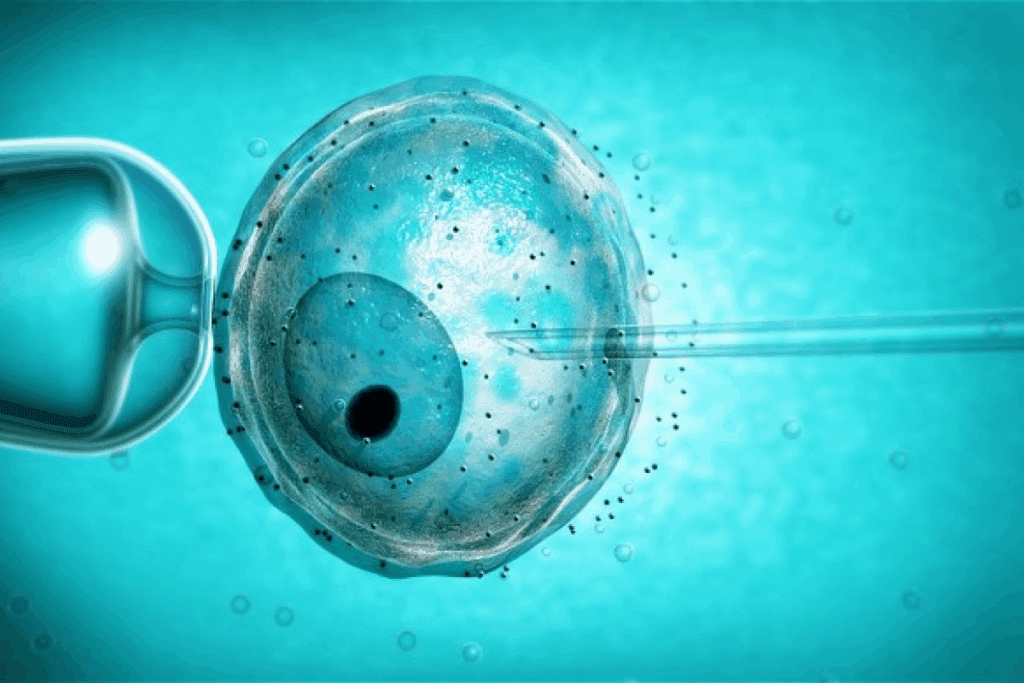
Louise Brown was born on July 25, 1978. She was the world’s first test-tube baby, conceived through in vitro fertilization (IVF). Detailed history of when was ivf created (1978) and its early milestones.
Patrick Steptoe and Robert Edwards made this possible. They turned IVF from an experiment into a real fertility treatment.
Today, IVF is a key part of assisted reproductive technology. It has helped millions of people and families around the world.
Key Takeaways
- The first successful IVF birth, Louise Brown, occurred in 1978.
- Robert G. Edwards was awarded the Nobel Prize in Physiology or Medicine in 2010.
- IVF has revolutionized fertility treatment, giving hope to millions worldwide.
- The technique involves fertilizing an egg with sperm outside the body.
- Patrick Steptoe and Robert Edwards pioneered the IVF treatment.
The Birth of an Idea: Early Concepts of Artificial Fertilization
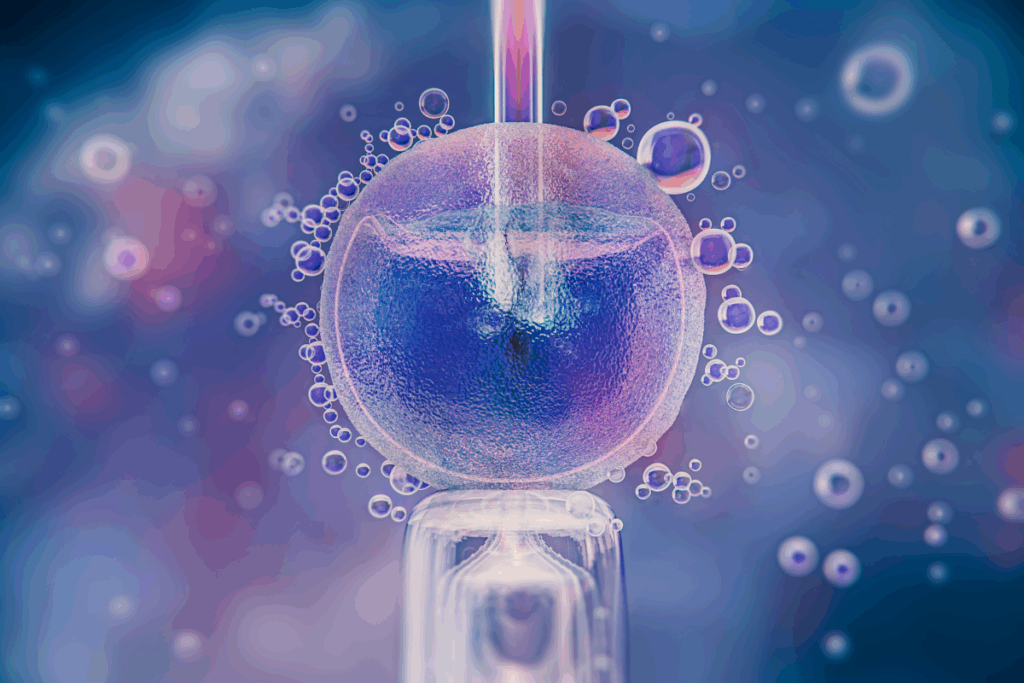
The idea of IVF has been around for nearly a century. Early scientists started the journey with their experiments and theories on artificial fertilization. We’ve made huge progress, and knowing the history helps us appreciate the advancements in reproductive technology.
Scientific Foundations in the 19th Century
In the 19th century, scientists started looking into conception outside the body. This early work laid the groundwork for IVF. They were driven by curiosity and a desire to understand human reproduction.
They studied animal reproduction to speculate about human artificial fertilization. This research faced challenges due to limited technology and understanding of human biology.
First Theoretical Approaches to Conception Outside the Body
In the early 20th century, the first ideas about IVF emerged. A key moment was in 1934 when Gregory Pincus and Ernst Enzmann suggested that mammalian eggs could develop in vitro. This showed that fertilizing eggs outside the body was possible.
Pincus and Enzmann’s work opened a new era in reproductive research. Their findings showed that eggs could be fertilized and embryos could develop outside the uterus. This discovery was a big step towards developing IVF technology.
To understand IVF’s progress, let’s look at some key milestones:
Year | Researcher(s) | Milestone |
1934 | Gregory Pincus and Ernst Enzmann | Published paper on mammalian eggs suitable for in vitro development |
1959 | Min Chueh Chang | Achieved first successful mammalian IVF |
The journey of IVF from idea to reality took many scientists over decades. Each step, no matter how small, was important in developing this life-changing technology.
Pioneering Animal Studies: 1930s-1950s
[Add image here]
The journey to create IVF involved a lot of animal studies from the 1930s to the 1950s. These early experiments were key to understanding how fertilization works. They also set the stage for using IVF in humans.
Gregory Pincus and Ernst Enzmann’s 1934 Rabbit Experiments
In 1934, Gregory Pincus and Ernst Enzmann did groundbreaking work with rabbits. They showed that rabbit eggs could be fertilized outside the body. This was a big step forward in reproductive biology, even if they didn’t get live births right away.
Min Chueh Chang’s Breakthrough: First Successful Mammalian IVF in 1959
In 1959, Min Chueh Chang made a huge leap by getting the first confirmed mammalian birth through IVF. Chang’s rabbit experiments led to healthy babies. This proved that IVF could work for mammals.
These animal studies were key to developing IVF technology. By learning about fertilization and early development in animals, scientists could start applying this to humans. The work of Pincus, Enzmann, and Chang helped lead to the first human IVF baby, Louise Brown, in 1978.
The importance of these early animal studies can’t be overstated. They greatly improved our understanding of reproductive biology. They also helped create the assisted reproductive technologies we use today. As we look back at IVF’s history, it’s clear these studies were vital in shaping our current technology.
The Human IVF Journey Begins: 1960s Research
The 1960s were a key time for IVF research. Scientists started to see if they could fertilize human eggs outside the body. This decade saw big scientific steps and important talks about ethics in reproductive medicine.
Early Human Egg Fertilization Attempts
In 1969, Robert Edwards and his team made a big leap. They fertilized human eggs outside the body for the first time. This was a major step towards making IVF a reality. This achievement was a big step towards the IVF we know today.
Scientific and Ethical Challenges
As IVF research moved forward, many challenges appeared. Scientists had to figure out how to fertilize eggs outside the body. They also had to deal with ethical questions about using embryos for research. These debates were intense and ongoing.
- The need for precise control over the fertilization process
- Concerns about the safety and efficacy of IVF
- Ethical debates surrounding embryo research
Key Researchers and Their Contributions
Many researchers were key in the 1960s. Patrick Steptoe and Robert Edwards started working together in 1968. Edwards’ work with the Joneses in 1969 showed that human IVF was possible. Their work was the start of IVF success and modern reproductive medicine.
Looking back at the 1960s, we see a time of big change for IVF. It was a decade of scientific breakthroughs and important talks about ethics. These moments are shaping the field of IVF today.
When Was IVF Created? The Steptoe-Edwards Collaboration
In 1968, Patrick Steptoe and Robert Edwards teamed up. This partnership marked a new era in IVF research. Together, they brought the expertise needed to tackle IVF’s complex challenges.
The Historic Partnership Beginning in 1968
The partnership between Steptoe and Edwards was a turning point in IVF history. Steptoe’s clinical skills in laparoscopy paired with Edwards’ embryology knowledge. This synergy pushed IVF development forward.
Patrick Steptoe’s Laparoscopy Expertise
Patrick Steptoe was a gynecologist at Oldham General Hospital. He was a pioneer in laparoscopy. His skill in retrieving eggs was key to IVF’s success.
Robert Edwards’ Embryology Breakthroughs
Robert Edwards, a physiologist at Cambridge University, made big strides in human embryology. His work on in vitro fertilization of human eggs was vital. It led to the birth of Louise Brown, the first IVF baby.
Overcoming Scientific and Funding Obstacles
Steptoe and Edwards faced many challenges, like scientific hurdles and funding issues. Edwards said, “We were seen as cranks by many.” But they didn’t give up. Their hard work paid off, leading to IVF’s success.
The journey of Steptoe and Edwards shows the power of teamwork and determination. Their work not only answered “when was IVF created” but also helped millions worldwide build their families through IVF.
July 25, 1978: Louise Brown and the World’s First IVF Baby
Louise Brown was born on July 25, 1978, at Oldham General Hospital. This event was a big deal worldwide and started a new chapter in fertility treatments. It was the result of years of hard work by Medical Expert. Robert Edwards.
The Groundbreaking Procedure at Oldham General Hospital
The method used to conceive Louise Brown was a natural-cycle IVF. This method, created by Steptoe and Edwards, showed IVF could work without today’s complex methods. It showed the skill and hard work of the medical team.
Key aspects of the procedure included:
- Natural-cycle IVF approach
- Pioneering work by Steptoe and Edwards
- Successful fertilization and implantation
Lesley and John Brown: The Parents’ Journey
Lesley and John Brown, Louise’s parents, had struggled with infertility for years. But thanks to IVF, they welcomed their daughter. Their story showed the human side of IVF and the hope it brings to those facing infertility.
Their experience was a powerful testament to the power of IVF to change lives.
Global Reaction to the “Test Tube Baby”
Louise Brown’s birth was met with both excitement and debate. The term “test tube baby” was used, even though the fertilization was in a lab dish, not a test tube. The world had mixed feelings, with some seeing it as a breakthrough and others with ethical concerns.
Scientific Documentation of the Historic Birth
Steptoe and Edwards documented every detail of Louise Brown’s birth. Their paper was published in The Lancet in 1978. This paper was key in proving IVF’s science and making it accepted worldwide.
Louise Brown’s birth started a new era in fertility technology. Looking back, IVF has made huge progress. It has better success rates and is more accessible today.
IVF Comes to America: The Early 1980s
IVF’s success in the UK inspired American researchers. The early 1980s were key for IVF in the US. Pioneers started programs and made big strides.
Howard and Georgeanna Jones at Eastern Virginia Medical School
Howard and Georgeanna Jones led the way at Eastern Virginia Medical School. They built on Steptoe and Edwards’ work. They made IVF work for American patients and doctors.
Elizabeth Carr: America’s First IVF Baby in 1981
On December 28, 1981, Elizabeth Carr was born. She was the first IVF baby in the US. Her birth showed IVF could work here, opening doors for more.
Regulatory and Ethical Landscape in the United States
IVF’s growth in the US brought up big questions. There was no federal rule, so clinics followed different rules. Today, we’re debating the ethics of IVF and more.
Early IVF Clinics and Access to Treatment
IVF clinics popped up all over the US. But, getting IVF was hard for many. It depended on where you lived, your insurance, and how much money you had. These issues are big problems today.
Technological Milestones: 1980s-1990s
In the 1980s and 1990s, IVF saw a big leap forward. New technologies made it more effective and available to more people. These changes helped improve IVF success rates and made it more accessible.
ICSI: Revolutionizing Male Factor Infertility Treatment
Intracytoplasmic Sperm Injection (ICSI) was a major breakthrough in the early 1990s. It lets a single sperm be directly injected into an egg. This changed how we treat male infertility, as Medical Expert, “ICSI has dramatically changed the landscape of male infertility treatment, giving hope to men who were previously considered infertile.”
ICSI made it possible for men with severe infertility to become fathers. It made fertilization easier and boosted success rates for couples facing male infertility.
Embryo Cryopreservation Advances
Improvements in embryo cryopreservation were also key. Freezing and storing embryos for later use made IVF more efficient. A study in Fertility and Sterility found that “The introduction of vitrification has significantly improved the survival rates of frozen embryos, making it a reliable option for patients.”
These cryopreservation advances made IVF more convenient and increased success rates. They allowed for the accumulation of embryos over time.
Preimplantation Genetic Diagnosis Development
The 1980s and 1990s also saw the start of Preimplantation Genetic Diagnosis (PGD). This lets embryos be genetically screened before being transferred. It helps identify genetic issues and lower the risk of genetic disorders. Medical Expert, “PGD has opened up new possibilities for couples at risk of transmitting genetic diseases to their children.”
PGD marked a big step in using genetic tech in IVF. It made the treatment safer and more effective.
Ovarian Stimulation Protocol Improvements
Advances in ovarian stimulation protocols were also important. New meds and better protocols led to better egg quality and quantity. This boosted IVF success rates, as Medical Expert, “The ability to control and optimize ovarian stimulation has been critical in improving IVF outcomes.”
These improvements in ovarian stimulation were key to making IVF more effective.
Global Expansion and Statistical Impact
IVF has changed lives worldwide, starting with Louise Brown in 1978. It has grown fast, reaching many countries and regions.
From Hundreds to Millions: The Growth of IVF Births Worldwide
IVF births have skyrocketed from the first success. By 2018, eight million children were born using IVF. This shows how IVF has become more common and successful.
IVF has changed how families are built. The eight million births show its big impact on society.
Success Rate Improvements Over Time
IVF success rates have gone up a lot. This is thanks to better technology and techniques. It has given hope to many facing infertility.
- Advances in ovarian stimulation protocols
- Improvements in embryo culture media
- Enhanced embryo selection techniques
These changes have made IVF a better choice for building families.
Geographical Differences in IVF Availability and Outcomes
IVF is not the same everywhere. Economic conditions, healthcare, and laws affect it. These differences are big.
Region | IVF Availability | Success Rates |
North America | High | 50-60% |
Europe | Moderate to High | 40-55% |
Developing Countries | Limited | 20-40% |
Economic and Insurance Considerations
Money and insurance matter a lot for IVF. In some places, insurance helps a lot. In others, it doesn’t help at all.
“The cost of IVF can be a significant burden for many individuals and couples. Insurance coverage and financial assistance programs can help make treatment more accessible.” Medical Expert, IVF Specialist
As IVF keeps getting better, we need to make it more affordable. This will help everyone have access to it.
Modern IVF Innovations: 2000s-Present
IVF has changed a lot in the 21st century. It now uses new technologies to help more people. These changes have made IVF better and easier for those who need it.
Time-Lapse Embryo Monitoring Systems
Time-lapse embryo monitoring is a big step forward. It lets doctors watch embryos grow without taking them out of the incubator. This helps pick the best embryos for transfer.
Vitrification Techniques for Egg and Embryo Preservation
Vitrification is a fast way to freeze eggs and embryos. It has made thawing them more successful. Now, frozen embryo transfers work better, thanks to vitrification.
Genetic Screening Advancements
Genetic screening has gotten better. It can spot good embryos more easily. This means fewer miscarriages and more successful pregnancies.
Artificial Intelligence Applications in Embryo Selection
AI is now helping choose embryos. It looks at lots of data from time-lapse imaging. This could make picking the right embryo even better.
These new IVF tools have changed reproductive medicine a lot. They give hope and better chances for families to grow.
The Social Impact of IVF: Transforming Family Building
IVF has changed how families are made and what it means to be a parent. It has helped people with fertility issues and sparked big changes in society.
Expanding Access to Parenthood
IVF has made it easier for people to have kids. It helps those facing fertility problems, same-sex couples, single parents, and women with health issues. This technology has opened doors for many.
- Individuals with infertility issues
- Same-sex couples seeking to start families
- Single parents by choice
- Women with medical conditions preventing natural conception
IVF has made families more diverse. It shows that families come in many shapes and sizes today.
Changing Demographics of IVF Parents
Who uses IVF has changed a lot. At first, it was mostly straight couples with fertility problems. Now, it’s used by:
Demographic Group | Characteristics | Impact of IVF |
Same-sex couples | Increasingly using IVF with donor sperm or eggs | Enabled family building for LGBTQ+ individuals |
Single women | Choosing IVF with donor sperm | Empowered single women to become mothers |
Women over 35 | Using IVF with their own eggs or donor eggs | Extended reproductive window for women |
Cultural, Religious, and Ethical Perspectives
IVF has led to many discussions around the world. Some see it as a miracle, while others worry about its ethics. For example:
“The use of IVF challenges traditional notions of conception and parenthood, raising questions about the moral status of embryos and the ethics of assisted reproduction.”
Religions and cultures have different views on IVF. Some accept it, while others don’t. This has created complex laws and debates about IVF.
Legislative Developments and Patient Rights
As IVF has improved, laws have changed too. New laws focus on:
- Regulating IVF clinics and practices
- Protecting patient rights and access to treatment
- Addressing ethical concerns around embryo use and genetic screening
These laws help balance medical progress with ethics and patient safety.
As IVF gets better and more people can use it, its impact will grow. It will keep changing how we think about families.
Conclusion: Four Decades of Reproductive Revolution
IVF has changed reproductive medicine a lot. We’ve seen a big change, from the first “test tube baby” to millions born worldwide. The tech has grown a lot, helping millions of people.
Looking back, IVF has started a big change in how we make families. It has grown a lot, thanks to new science and a wish to help people. The first IVF baby was born over 40 years ago.
Knowing how long IVF has been around shows us how far it’s come. It will likely keep getting better, helping more people build families. IVF has already changed a lot, and it will keep shaping how we make families.
FAQ
When did IVF start in the US?
IVF started in the US in the early 1980s. The first successful birth in the US was Elizabeth Carr in 1981.
When was IVF created?
The idea of IVF has been around for nearly a century. The first successful birth was in 1978 by Patrick Steptoe and Robert Edwards.
How old is IVF technology?
IVF technology is about four decades old. The first successful birth was in 1978.
When did IVF become a thing?
IVF became a real option with Louise Brown’s birth in 1978. This marked a new era in reproductive technology.
What is the history of IVF?
IVF’s history goes back to the early 20th century. Early scientists laid the groundwork for modern IVF through their work.
When did IVF begin?
The modern IVF journey started in the 1960s. Key researchers like Patrick Steptoe and Robert Edwards made big contributions.
When did IVF become available?
IVF became available in the US in the early 1980s. This followed the first successful birth in 1981.
When was IVF invented?
It’s hard to say exactly when IVF was invented. But the first successful birth was in 1978 by Patrick Steptoe and Robert Edwards.
How long has IVF been around?
IVF has been around for about four decades. The first successful birth was in 1978.
What were the early milestones in IVF development?
Early milestones include Gregory Pincus and Ernst Enzmann’s 1934 rabbit experiments. Min Chueh Chang’s 1959 breakthrough was also key.
How has IVF technology evolved over time?
IVF technology has grown a lot over the years. Advances include ICSI, embryo cryopreservation, and genetic diagnosis. Ovarian stimulation protocols have also improved.
What is the current state of IVF technology?
Modern IVF technology keeps getting better. New things like time-lapse monitoring, vitrification, and AI in embryo selection are being used.
References
National Center for Biotechnology Information. In Vitro Fertilization: History and Key Milestones. Retrieved from https://www.ncbi.nlm.nih.gov/pmc/articles/PMC3799275/