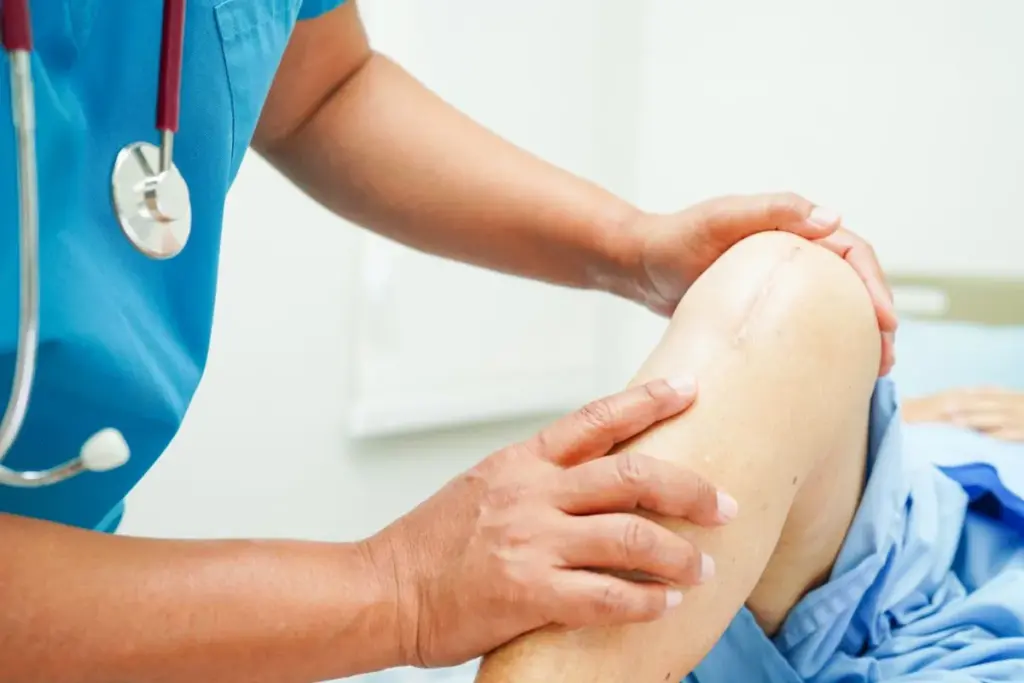
When will my knee replacement feel normal again? Learn the essential stages and amazing milestones for when will my knee replacement feel normal.
Knee surgery has become increasingly common in the United States.”
(Note: Since there were no removals required, I only provided a single content improvement for clarity.) In 2017, over 754,000 knee replacement surgeries were done. By 2025, this number is expected to jump to over 1.2 million.
As more people get knee surgery, knowing about the recovery process is key. Knee replacement surgery is a big deal. It can really change how you live your life.
Key Takeaways
- Over 754,000 knee replacement surgeries were performed in the US in 2017.
- The number of knee surgeries is projected to rise to 1.2 million by 2025.
- Knee surgery can significantly impact a person’s quality of life.
- Understanding the recovery process is important for patients.
- Knee replacement is a major operation with a long recovery time.
Understanding Knee Surgery: Types and Procedures
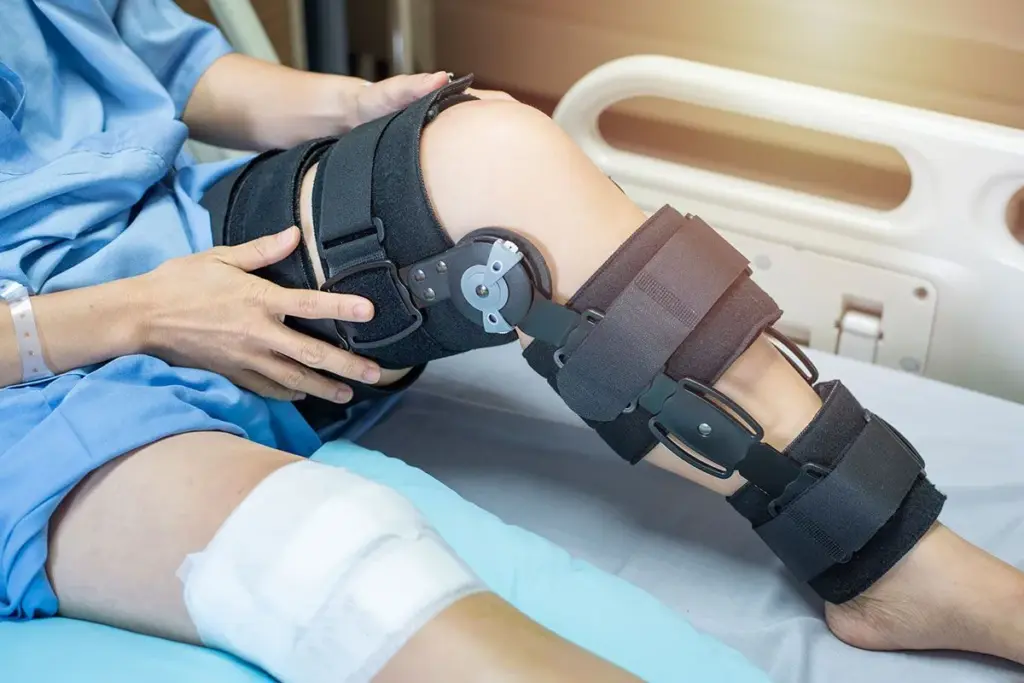
Knee surgery covers many procedures to fix or replace damaged knee joints. The right surgery depends on the patient’s condition, age, and health.
Choosing knee surgery means understanding the available procedures and their effects.
Total Knee Replacement
Total knee replacement, or total knee arthroplasty, replaces the whole knee joint with a prosthetic joint. It’s for those with severe arthritis or major knee damage.
Partial Knee Replacement
Partial knee replacement is less invasive. It only replaces the damaged part of the knee. It’s for patients with damage in just one area.
Arthroscopic Procedures
Arthroscopic surgery uses a small camera and tools to diagnose and treat knee issues. This minimally invasive procedure is for fixing torn meniscus or damaged ligaments.
|
Surgery Type |
Description |
Typical Recovery Time |
|---|---|---|
|
Total Knee Replacement |
Replaces entire knee joint |
6-12 weeks |
|
Partial Knee Replacement |
Replaces damaged portion |
4-8 weeks |
|
Arthroscopic Surgery |
Minimally invasive diagnostic and repair |
1-4 weeks |
The Immediate Recovery Period: What to Expect
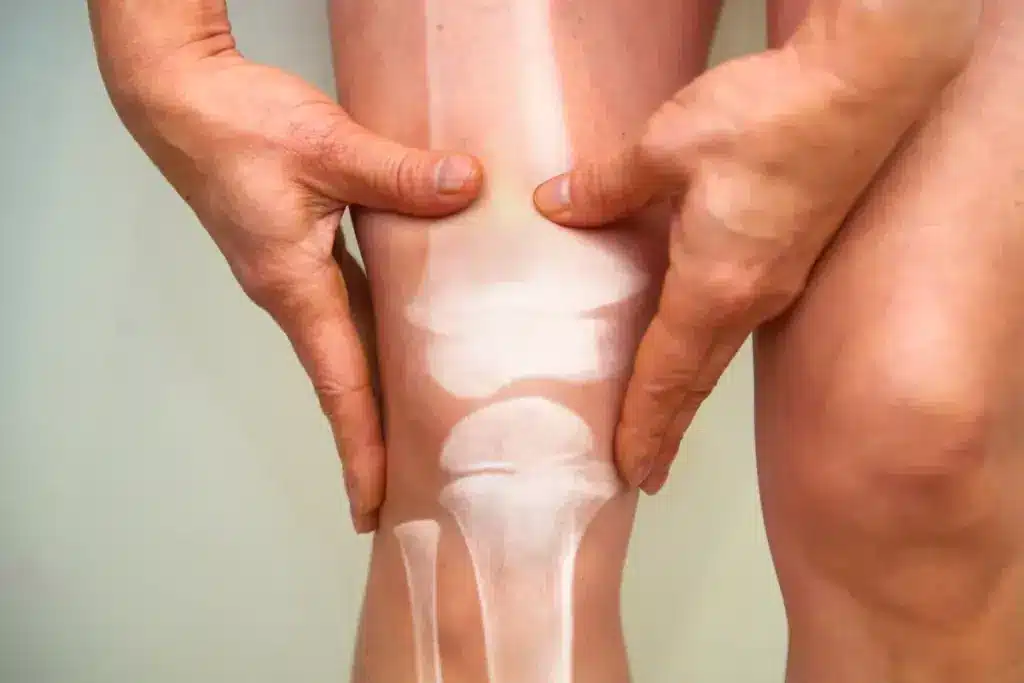
Knowing what to expect after knee surgery can make recovery easier. The first days are key for a good outcome.
Hospital Stay and Early Mobility
The time in the hospital depends on the surgery and your health. Doctors want you to move early to avoid blood clots. Early mobility is helped by healthcare staff with simple exercises.
Pain Management Strategies
Managing pain well is important right after surgery. This is done with medicines and methods like ice therapy. You’ll get a pain plan to follow at home.
Initial Physical Therapy
Physical therapy starts soon after surgery. It helps get your knee working and strong again. Physical therapy is key for a smooth recovery.
Recovering from knee surgery needs patience and sticking to your rehab plan. Knowing the recovery process helps you get through it.
The First Month After Surgery: Challenges and Milestones
The first month after knee surgery is key for a good recovery. Patients face many challenges during this time. These challenges are important for their recovery.
Managing Pain and Swelling
Managing pain and swelling is a big concern in the first month. It’s important to move early and do physical therapy. Ways to manage pain include:
- Following the doctor’s pain medicine advice
- Using ice to lessen swelling
- Keeping the leg up
Pain management helps patients do their rehab work.
Mobility Restrictions
Mobility restrictions are a big challenge in the first month. Patients must avoid certain movements to heal right. Knowing these restrictions is key for a smooth recovery.
Physical Therapy Progress
Physical therapy is very important in the recovery. In the first month, patients will start to get stronger and move better. Physical therapy includes:
- Motions to improve range of motion
- Exercises to strengthen muscles around the knee
- Training for everyday activities
Studies show that active physical therapy leads to better recovery.
During the first month after knee surgery, staying focused on recovery is important. Managing pain and swelling, following mobility rules, and improving in physical therapy help patients overcome early challenges. This sets them up for long-term success.
When Will My Knee Replacement Feel Normal?
Recovering from knee replacement surgery is a long journey. Many wonder when their knee will feel normal again. Knowing what affects this timeline can help manage hopes and improve satisfaction.
Timeline for Different Types of Surgeries
The type of knee surgery done changes how long it takes to recover. Total knee replacement, partial knee replacement, and arthroscopic procedures have different recovery times.
Total Knee Replacement: This surgery is the most common. Recovery can take up to a year, but most can get back to normal in 6 to 8 weeks.
Partial Knee Replacement: This surgery has a shorter recovery time. It usually takes 4 to 6 weeks for patients to recover.
|
Surgery Type |
Typical Recovery Time |
Resuming Normal Activities |
|---|---|---|
|
Total Knee Replacement |
Up to 1 year |
6 to 8 weeks |
|
Partial Knee Replacement |
4 to 6 weeks |
4 to 6 weeks |
|
Arthroscopic Procedures |
2 to 4 weeks |
2 to 4 weeks |
Factors Affecting Recovery Speed
Many things can change how fast a patient recovers from knee replacement surgery. These include age, health, physical condition before surgery, and following post-operative rehab.
Age: Older patients might need more time to recover. This is because they have less muscle and bone density.
Overall Health: Patients with chronic conditions like diabetes or heart disease may take longer to recover.
Realistic Expectations vs. Common Misconceptions
Many patients have high hopes about their knee replacement feeling like their natural knee. But, it’s important to know that an artificial knee joint is not the same as a natural one.
Some think knee replacement surgery will get rid of all pain and make their knee fully functional. But, while it greatly improves life, some discomfort or limited mobility might remain.
Understanding the recovery timeline, what affects it, and having realistic expectations can help patients better cope with their journey after knee replacement surgery.
Physical Changes to Expect After Knee Surgery
Knowing what physical changes happen after knee surgery is key for a good recovery. After surgery, patients will notice changes in how their knee works and looks.
Range of Motion Differences
Patients often notice their knee’s range of motion changes. At first, the knee might feel stiff, making it hard to bend or straighten. But, with physical therapy, most people get back a lot of their range of motion.
Strength and Stability Changes
Studies show that patients who had knee replacement surgery might have weaker knees than those who didn’t. To improve knee stability and function, strengthening exercises are often suggested.
- Strengthening the muscles around the knee can help support the new knee.
- Physical therapy is key in regaining strength and stability.
Scar Tissue Development
Scar tissue is another common change after knee surgery. It can cause stiffness or limited mobility. Massage and specific exercises can help manage scar tissue.
By understanding these changes, patients can better prepare for recovery. This helps them aim for the best possible outcomes.
Sensory Changes: New Feelings in Your Knee
It’s important to know what to expect after knee surgery. Patients often feel new sensations that can surprise and worry them.
These feelings can differ from person to person. But, many feel heaviness, numbness, pressure, and tightness from the new knee part. Studies show it’s key to know what’s normal and what’s not.
Normal Sensations vs. Warning Signs
It’s vital to tell normal feelings from signs of trouble. Normal feelings might include some pain, stiffness, and feeling like your knee is different. But, severe pain, swelling, or feeling unstable means you should see a doctor.
|
Sensation |
Normal or Warning Sign? |
|---|---|
|
Mild pain |
Normal |
|
Severe pain |
Warning Sign |
|
Stiffness |
Normal |
|
Swelling |
Warning Sign if excessive |
Does Knee Surgery Feel Good Eventually?
Many people find their knee feels better with time. Healing and physical therapy help reduce pain and improve movement.
Managing Persistent Discomfort
If you’re feeling pain that won’t go away, there are ways to cope. Physical therapy can help your knee move better and get stronger. Pain management options like medicine or shots can also help. And, changing your daily activities can make a difference.
Knowing about the changes in your knee after surgery and how to handle them can make your recovery easier.
Returning to Daily Activities: A Realistic Timeline
Knowing when to go back to daily life after knee surgery is key. The time it takes to get back to normal varies. It depends on the surgery type, your health, and following the rehab plan.
Household Activities
Doing household chores is a big part of daily life. At first, avoid heavy lifting and bending. You can start with light tasks in 4-6 weeks.
But, don’t push too hard. Overdoing it can slow down your healing.
Tips for resuming household activities:
- Start with simple tasks like dusting or folding laundry.
- Gradually increase activity levels based on comfort and pain levels.
- Avoid heavy lifting or bending, as these can strain the knee.
Driving and Transportation
Many patients want to drive again soon. When you can drive depends on your surgery and the car type. Usually, you can drive in 4-6 weeks, when your knee is strong enough.
Considerations for driving:
- Ensure you can perform an emergency stop comfortably.
- Start with short drives and gradually increase distance.
- Consider having someone assist you with transportation during the initial recovery phase.
Work Considerations
Going back to work is a big step. The time it takes varies a lot. Desk jobs might take 6-8 weeks, but jobs that need manual labor could take 3-6 months.
Factors to consider when planning to return to work:
- Discuss your job requirements with your surgeon to understand possible challenges.
- Modify your work environment if necessary to reduce strain on your knee.
- Plan for a gradual return to full duties, starting with lighter tasks.
Understanding the timeline for getting back to daily activities helps plan your recovery. It makes going back to your routine smoother.
Exercise and Physical Activity After Knee Surgery
Exercise is key in recovering from knee surgery. It helps patients regain strength and mobility. It also lowers the chance of complications. Knowing which exercises are good and which to avoid is important.
Recommended Activities
Your doctor or physical therapist will suggest exercises for you. These might include:
- Gentle range of motion exercises to improve flexibility
- Strengthening exercises, such as straight leg raises and quadriceps sets
- Low-impact aerobic activities like cycling or swimming
Following these recommendations is vital for a smooth recovery and to avoid injury.
Activities to Avoid or Modify
Some exercises can stress your knee too much. Avoid high-impact activities like running, jumping, or deep squatting early on. If you like hiking or dancing, you might need to change them to be easier on your knee.
“The key to a successful recovery is not just about avoiding certain activities, but also about gradually introducing new exercises that promote healing and strength.”Orthopedic Surgeon
Building a Sustainable Fitness Routine
Creating a lasting fitness routine is essential for recovery and health. It’s not just about the exercises but how you progress. Start with low intensity and gradually increase it to avoid injury. Always listen to your body and rest when needed.
Consistency is key in keeping up a fitness routine. Adding physical activity to your daily life can improve your knee health and overall well-being.
Does a Knee Replacement Ever Feel Normal? Patient Perspectives
Many patients wonder if a knee replacement will ever feel normal. Knee replacement surgery is a big change, leading to questions about how the new knee will feel and work.
Success Stories and Positive Outcomes
Many patients see big improvements in their life after surgery. Success stories often highlight the reduction in pain and increased mobility, letting people do things they love again. For example, a patient might say,
“I was amazed at how quickly I could walk without pain after my surgery.”
These positive results show how far knee replacement technology and surgery have come.
Common Complaints and Ongoing Issues
About 20% of patients face ongoing pain and dissatisfaction after surgery. They often complain about stiffness, clicking sounds, and trouble with certain activities. It’s important to know that some discomfort is normal during recovery, but lasting problems need to be talked about with doctors.
Managing Expectations
It’s key to have the right expectations for a good outcome. Patients should know that recovery times vary and it takes time to get used to the new knee. Having realistic hopes, along with proper care and rehab, can make a big difference. As one patient noted,
“Understanding what to expect during recovery made a huge difference in my overall satisfaction with the surgery.”
In summary, while knee replacement surgery can greatly improve life, each person’s journey is unique. By sharing experiences, we can learn more about what makes a surgery successful.
Long-term Outcomes: 1-5 Years Post-Surgery
After knee replacement surgery, many things matter. These include how well you can move, any problems that might come up, and what you need to do to keep things working right. Knowing these things helps you get the most out of your surgery.
Expected Functional Improvements
Right after surgery, you’ll likely see big changes in how your knee works. You might be able to do things you couldn’t before, like cycling or swimming. But, it’s also true that your knee might not be as strong as someone who never had surgery, even two years later.
Here are some key areas where you might see improvements:
- Increased range of motion
- Reduced pain during daily activities
- Improved ability to perform physical tasks
Potential Complications
Even though knee replacement surgery works well most of the time, some problems can happen later. These might include:
- Wear and tear on the prosthetic components, potentially leading to loosening or failure
- Infection, which can occur years after the surgery
- Instability or dislocation of the knee
Seeing your doctor regularly is key to catching these problems early.
Maintenance Requirements
To keep your new knee working well for a long time, you need to take care of it. This means:
- Doing regular, low-impact exercises to keep your knee strong and flexible
- Staying away from activities that could harm your prosthetic
- Keeping a healthy weight to ease the stress on your knee
By doing these things, you can make your knee replacement last longer. This way, you can enjoy the benefits of your surgery for many years.
The New Normal: Adapting to Life With an Artificial Knee
After knee replacement surgery, patients face a new reality. They need to make big changes in their life. This includes both physical and mental adjustments.
Psychological Adjustment
Adjusting to an artificial knee is tough. Some patients feel like their new knee is not really theirs. This feeling can make them less happy with the surgery.
“Participants in studies described a lack of connection with and control over their replaced knee, often describing it as alien or foreign.”
It’s important to deal with these feelings. Patients should talk to mental health professionals. This helps them cope with their new knee.
Lifestyle Modifications
Changing your lifestyle is key to adapting to an artificial knee. You need to avoid putting too much strain on your new joint. Simple changes like using a cane or adjusting your furniture can help a lot.
- Using assistive devices for support
- Adjusting home environments for safety
- Engaging in recommended physical activities
Finding Your Comfort Zone
Finding comfort means getting used to your new knee. It’s about knowing what it can and can’t do. Patients should start slowly and try new things that fit with their knee.
Adapting to an artificial knee takes time and effort. It’s about being patient and proactive. By making the right changes, patients can live a better life after surgery.
|
Adjustment Type |
Description |
Benefits |
|---|---|---|
|
Psychological |
Counseling and mental preparation |
Better emotional coping |
|
Lifestyle |
Modifying daily activities and home environment |
Reduced strain on the new joint |
|
Physical |
Gradually increasing activity levels |
Improved functionality and strength |
When to Be Concerned: Red Flags After Knee Surgery
Knowing the warning signs after knee surgery is key to avoiding serious issues. Most people recover well, but it’s important to watch for red flags. This helps ensure a good outcome.
Signs of Infection
Infection is a big risk after knee surgery. Watch for these signs:
- Increased redness or swelling around the surgical site
- Persistent or worsening pain
- Fever over 101.5°F (38.6°C)
- Pus or drainage from the wound
- A foul odor from the surgical site
If you notice any of these symptoms, call your healthcare provider right away.
Implant Failure Symptoms
Implant failure is rare but can happen. Be on the lookout for:
- Instability or a feeling of the knee “giving way”
- Pain that doesn’t improve with rest or medication
- Swelling or inflammation that persists or worsens
- A grinding or clicking sensation in the knee
One patient said, “I experienced a sudden sharp pain, which turned out to be a sign of implant loosening.” Catching these problems early is vital.
When to Contact Your Surgeon
If you notice unusual symptoms or have recovery concerns, contact your surgeon. It’s always better to err on the side of caution when it comes to your health.
“If you’re experiencing severe pain, sudden swelling, or signs of infection, contact your surgeon immediately. Prompt attention can make a significant difference in your recovery.”
By staying alert and informed, you can get the best results from your knee surgery.
Advances in Knee Surgery: How Modern Techniques Improve Outcomes
Knee surgery has made big strides in recent years. These changes have made knee replacements and repairs better and less invasive. Now, patients have more effective and less painful options.
Robotic-Assisted Surgery
Robotic-assisted surgery is a big step up in knee surgery. It lets surgeons place implants and remove damaged tissue with greater precision. This technology uses advanced robots to achieve accuracy that’s hard to get with old methods.
This precision can lead to better functional outcomes and a more natural feeling knee after surgery.
Custom Implant Technology
Custom implant technology has changed knee replacements. It makes implants fit each patient’s anatomy perfectly. This customization can make the knee replacement improved durability and better function.
These implants are made with advanced imaging and manufacturing. They’re designed to meet each patient’s specific needs.
Enhanced Recovery Protocols
Enhanced recovery protocols (ERPs) are key in modern knee surgery. They aim to minimize post-operative pain, reduce hospital stay, and accelerate recovery. ERPs include optimized pain management, early mobilization, and nutritional support.
By making recovery smoother, patients can get back to their normal lives faster. They face fewer complications along the way.
The mix of robotic-assisted surgery, custom implant technology, and enhanced recovery protocols is a big leap in knee surgery. These modern methods not only improve surgery results but also make the patient’s journey better, from start to finish.
Conclusion: Embracing Your New Knee
Knee replacement surgery is a big step towards better mobility and less pain. This article has shown that the journey starts after the surgery, not before. It’s all about recovery and getting back on your feet.
Understanding the changes in your body is key to embracing your new knee. This includes the early days after surgery and the long-term effects. Knowing the challenges and milestones helps you navigate your journey better.
Being positive and active in your rehabilitation is important. Stick to your physical therapy, make lifestyle changes, and watch out for any issues. This approach helps you get the best results from your surgery.
Remember to be patient and kind to yourself as you adjust to your new knee. It takes time, and you might feel different sensations. Stay informed and committed to your recovery. This way, you can enjoy a better life with your new knee.
FAQ
Does a knee replacement ever feel normal?
A knee replacement can greatly improve your knee’s function and reduce pain. Yet, it might not feel exactly like a natural knee. Many patients see a big improvement in their life quality, but some might notice differences in how their knee feels or works.
How long does it take for a knee replacement to feel normal?
How long it takes for a knee replacement to feel normal varies. It depends on the surgery type, your health, and how well you recover. Generally, it can take months to a year or more for the knee to fully adjust.
Does knee surgery feel good eventually?
Most people feel a lot of pain relief and better function after knee surgery. There might be some discomfort during recovery, but many find their knee improves as they heal and get back to activities.
What are the most common complaints after knee replacement surgery?
Common complaints include stiffness, pain, and limited movement. Some might also feel numbness, tingling, or other sensations around the knee.
How long does it take to return to daily activities after knee surgery?
Returning to daily activities after knee surgery varies. It depends on the surgery type and how well you recover. Generally, you can start with light activities in a few weeks and more strenuous ones in a few months.
What exercises are recommended after knee surgery?
Start with exercises like straight leg raises, quadriceps sets, and gentle movement. As your knee heals, you can do more strengthening exercises and low-impact activities like cycling or swimming.
What are the signs of infection after knee surgery?
Signs of infection include increased redness, swelling, or warmth around the knee, fever, chills, or drainage from the wound. If you notice these, contact your surgeon right away.
How can I manage persistent discomfort after knee surgery?
Managing discomfort might involve pain meds, physical therapy, and lifestyle changes. Work with your healthcare team to find the cause and develop a plan to fix it.
What are the benefits of robotic-assisted knee surgery?
Robotic-assisted surgery offers better accuracy, reduced complications, and potentially faster recovery. It lets surgeons tailor the surgery to each patient’s needs.
How can I ensure the longevity of my knee replacement?
To keep your knee replacement lasting, follow a healthy lifestyle. This includes regular exercise, staying at a healthy weight, and keeping up with follow-up appointments. Proper care and maintenance can extend the prosthetic’s life.
Reference
National Center for Biotechnology Information. Evidence-Based Medical Insight. Retrieved from https://pubmed.ncbi.nlm.nih.gov/24029862/