
Earwax, or cerumen, is a natural protector for our ear canal. But too much can cause discomfort and hearing problems. Audiologists are key in ear cleaning, using methods like microsuction and manual removal. These techniques safely remove earwax without harming the ear.
Wondering where do you get your ears cleaned ? Discover the best professional tips and why an audiologist is the safest choice for your ears.
A study found microsuction works 91% of the time for earwax removal. Places like LivHospital focus on quality care, using advanced methods.
Key Takeaways
- Audiologists use advanced techniques like microsuction for safe earwax removal.
- Microsuction has a high success rate of 91% in removing earwax.
- Professional ear care is vital for ear health and avoiding problems.
- Audiologists can check the ear to find the best way to treat earwax buildup.
- Safe ear cleaning methods are key to avoiding ear canal damage.
The science behind ear wax and its purpose
Earwax is a key part of our ear’s defense. It’s made by glands in the ear canal. It helps keep our ears healthy.
“Earwax acts as a protective barrier, preventing dust, debris, and microorganisms from reaching the eardrum and potentially causing damage or infection,” say ear health experts.
The Protective Function of Cerumen
Cerumen, or earwax, catches harmful particles. It stops them from getting into the inner ear. This protective function is vital for the ear’s safety.
Earwax also fights off infections with its antimicrobial properties. It keeps the ear canal moist. This prevents itchiness and discomfort that could lead to more problems.
Natural Ear Cleaning Mechanisms
The ear cleans itself naturally. Jaw movement helps push earwax out of the ear canal. This makes it easy to remove.
The ear also sheds dead cells. Knowing about these natural ear cleaning mechanisms helps decide if you need professional ear cleaning.
Signs you need professional ear wax removal
Knowing when you need professional ear wax removal is key for ear health. Too much ear wax can hurt and make it hard to hear. We’ll look at common symptoms and what can happen if you ignore ear cleaning.
Common symptoms of excessive ear wax
Too much ear wax can cause earache, tinnitus, decreased hearing, and a feeling of fullness in the ear. These signs can be really uncomfortable and mess up your day. If you notice any, it’s time to get help from a pro.
Knowing these symptoms is important. They show you might have a wax blockage that needs help. By spotting these signs, you can get the right professional care.
What happens if you don’t clean your ears properly
Not taking care of ear wax symptoms can lead to big problems. You might get infections, ear damage, or impacted ear wax. If you don’t clean your ears right, you could lose your hearing or feel a lot of pain. Getting regular ear cleanings from a pro can stop these issues.
Understanding the risks of not cleaning your ears is important. It shows why getting professional help is so vital. We suggest talking to an audiologist or hearing specialist if you have ear wax problems.
Where do you get your ears cleaned professionally?
Professional ear cleaning services are found in many healthcare places. It can be hard to find the right spot for ear cleaning.
Audiologist Clinics and Hearing Centers
Audiologist clinics and hearing centers are great for ear cleaning. Audiologists there are trained to safely remove ear wax. They use advanced methods like microsuction, which is safe and works well.
ENT Specialists and Medical Facilities
ENT specialists and medical facilities also do ear cleaning. They can handle more serious ear problems and offer full care. People with ear issues might find ENT specialists very helpful.
Specialized Ear Cleaning Services
Some places specialize in ear cleaning, using the newest tech and methods. These specialized services give a detailed ear care plan. They’re perfect for those who need regular or complex ear wax removal.
In summary, there are many places to get your ears cleaned professionally. You can choose from audiologist clinics, ENT specialists, or specialized ear cleaning services. There’s something for everyone’s needs.
Do audiologists remove ear wax? Their qualifications explained
Audiologists are key in keeping our ears healthy, including removing ear wax safely. They are experts in dealing with ear wax buildup. This buildup can cause discomfort, hearing loss, and other problems if not handled right.
Training and Expertise of Audiologists
Audiologists get a lot of training to do their job. They are healthcare pros who focus on hearing and balance issues. They have a doctoral degree in audiology (Au.D.), which prepares them for ear wax removal.
Studies show audiologists are good at removing ear wax. They know a lot about ear anatomy and how to fix problemsas research proves.
Equipment Used by Professional Audiologists
Professional audiologists use special tools for ear wax removal. They use microsuction devices to remove wax carefully. This equipment, along with their knowledge of ear health, helps them give great care to patients.
The tools they use include:
- Microsuction devices
- Otoscopy equipment for examination
- Specialized ear wax removal instruments
With these tools and skills, audiologists can safely remove ear wax. This helps patients avoid problems that come from wrong ear wax removal methods.
Microsuction: The preferred method for audiologist ear wax removal
Microsuction is a top choice for ear wax removal, loved by audiologists for its accuracy and safety. It uses a soft suction device to take out ear wax. This method is dry and controlled, lowering the chance of infection or harm to the ear canal. We’ll dive into how microsuction works and its advantages.
How the microsuction procedure works
The microsuction process uses a microscope or magnifying tool to see the ear canal and eardrum. A small, gentle suction device then carefully removes the ear wax. This way, wax is removed precisely without liquids, avoiding pushing wax deeper or causing infection.
The 91% success rate and evidence-based benefits
Microsuction has a high success rate of 91% in removing ear wax, backed by clinical evidence. Its benefits include safety, effectiveness, and suitability for patients with certain ear issues or perforations. Research proves microsuction is a dependable way to manage ear wax, giving quick relief from symptoms caused by too much ear wax.
|
Method |
Success Rate |
Key Benefits |
|---|---|---|
|
Microsuction |
91% |
Safe, effective, suitable for patients with ear conditions |
Manual removal techniques used by professionals
Removing ear wax manually is a precise task that needs special training and tools. We, as professionals, use this method to safely take out ear wax. It’s often used with other methods or for cases where it’s the best choice.
Specialized Tools for Ear Wax Extraction
Manual removal uses special tools to gently remove ear wax without hurting the ear canal. These tools include curettes, small, curved instruments for scooping out wax, and forceps for removing bigger or harder wax pieces.
The right tool depends on the wax’s amount and type, and the ear’s shape. We’re trained to pick the best tool for each case, making sure it’s safe and works well.
|
Tool |
Description |
Use Case |
|---|---|---|
|
Curette |
Small, curved instrument |
Scooping out soft or semi-solid wax |
|
Forceps |
Grasping instrument |
Removing larger or more solid wax fragments |
When Manual Removal is the Best Option
Manual removal is great for hardened or impacted ear wax that other methods can’t handle. It’s also good for narrow or oddly shaped ear canals that need a precise method.
We check each patient’s situation to see if manual removal is the best choice. We look at their medical history, the wax’s amount and type, and any past ear wax removal experiences.
Ear irrigation: Traditional method with limitations
Ear irrigation has been used for years to remove earwax. But, we’re now looking closely at its limits. This method involves flushing the ear canal with water to clear out wax. It works for some, but we must know its good and bad sides.
The Irrigation Process and Effectiveness
The process of ear irrigation is to gently wash the ear canal with water. It can help those with too much earwax. But, how well it works depends on the ear’s condition and the person doing it. When done right, it’s a safe and quick way to clean ears.
Why Some Patients Cannot Undergo Irrigation
Ear irrigation isn’t right for everyone. People with a perforated eardrum or past ear infections should avoid it. “Irrigation should be avoided in patients with known tympanic membrane perforation or those with certain other ear conditions,” as it can make things worse. We check each patient’s health before deciding if irrigation is safe.
In summary, ear irrigation is a traditional way to remove earwax but has its limits. We look at each patient’s needs to choose the best and safest treatment.
How often should you have your ears cleaned by a professional?

How often to get your ears cleaned is different for everyone. It depends on many personal factors. Finding the right frequency for professional ear cleaning can be tricky and varies greatly.
Individual factors affecting cleaning frequency
Several things can change how often you need a professional ear cleaning. These include:
- Earwax production levels: If you produce a lot of earwax, you might need cleanings more often.
- Personal hygiene habits: Keeping your ears clean at home can affect how often you need a professional cleaning.
- Existing ear conditions: Certain ear problems, like eczema or otosclerosis, can change how much earwax you make and how often you need a cleaning.
Guidelines for different ear wax production levels
Here are some guidelines for different earwax production levels:
- Low earwax production: You might only need a cleaning every 6-12 months.
- Moderate earwax production: Cleaning every 3-6 months is usually a good idea.
- High earwax production: If you make a lot of earwax, you might need cleanings every 1-3 months.
Preventative care recommendations
To keep your ears healthy, we suggest:
- Don’t use cotton swabs (Q-tips) because they can push earwax further into your ear.
- Use ear drops as advised by a healthcare professional to help manage earwax.
- Have regular check-ups with an audiologist or healthcare provider to keep an eye on your ear health and adjust cleaning frequency as needed.
By thinking about these factors and guidelines, you can figure out how often to get your ears professionally cleaned. This helps keep your ears in the best shape possible.
Is it bad to clean your ears at home? Safety considerations
Cleaning your ears at home can be risky if not done carefully. It’s natural to want to keep your ears clean. But using the wrong methods can cause problems.
Dangerous home cleaning methods to avoid
Using cotton swabs or other objects can push earwax deeper. This can harm the eardrum or ear canal. Other bad methods include using sharp objects, ear candles, or tap water, which can bring bacteria into your ear.
- Cotton swabs
- Sharp objects
- Ear candles
- Tap water irrigation
Safe ear care practices between professional cleanings
To keep your ears clean between visits to the doctor, don’t put objects in your ear canal. Instead, use a washcloth to gently clean the outer ear. If you have too much earwax, see a professional for help.
Safe practices include:
- Gently cleaning the outer ear
- Avoiding the use of cotton swabs or other objects
- Consulting a professional for excessive earwax
Special considerations for different patient groups
Ear cleaning needs vary across different patient groups. Each group has its own needs for safe and effective ear cleaning. Tailored approaches are key to meet these needs.
Ear Cleaning for Patients with Hearing Aids
Patients with hearing aids need more frequent ear cleaning. This is because ear wax can build up around the device. Regular check-ups help prevent wax buildup, which can harm the hearing aid’s performance.
A study on ear wax removal highlights the importance of proper ear wax removal, even more so for those with hearing aids.
- Regular inspections to check for wax buildup
- Gentle cleaning methods to avoid damaging the hearing aid
- Customized ear cleaning schedules based on individual needs
Approaches for Patients with Ear Conditions or Perforations
Patients with ear conditions or eardrum perforations need careful ear cleaning. We use sterile equipment and gentle techniques to avoid further irritation. It’s important to avoid using cotton swabs or other objects that could push wax deeper into the ear canal.
Key considerations include:
- Avoiding irrigation methods that could exacerbate the condition
- Using microsuction or manual removal techniques under microscopic guidance
- Monitoring the patient’s condition closely during and after the procedure
LivHospital’s advanced approach to audiologist earwax removal
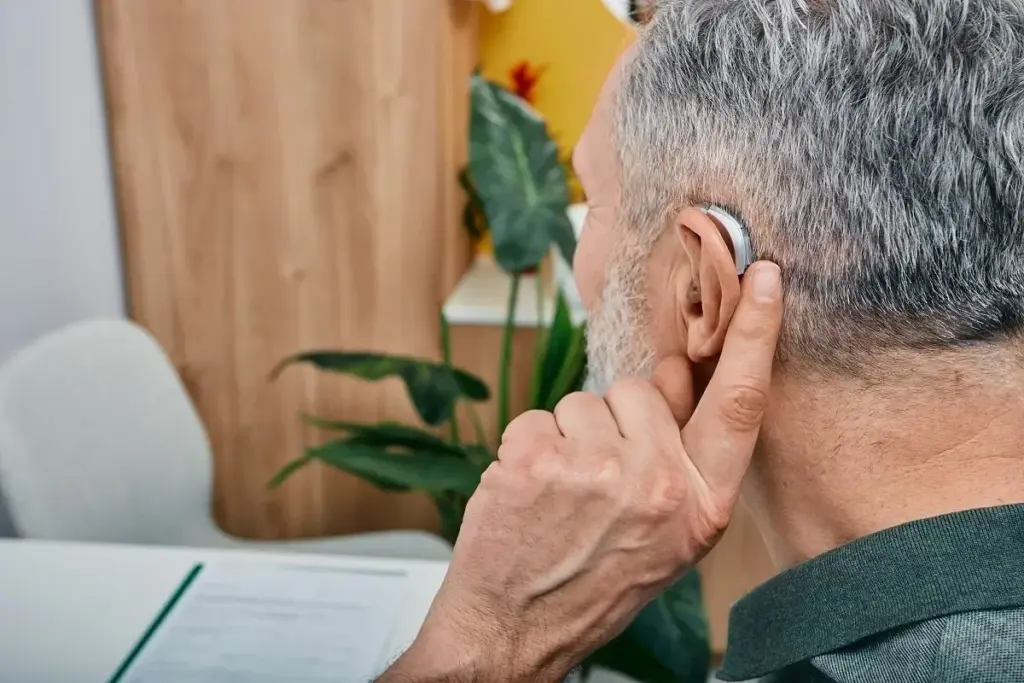
At LivHospital, we use the latest technology for safe earwax removal. We focus on high-quality care with advanced techniques and a patient-first approach.
Cutting-Edge Technology and Techniques
We use microsuction, a modern method for earwax removal. This lets our audiologists see the ear canal clearly and remove wax safely. Our state-of-the-art equipment ensures top care for our patients.
“The use of advanced technology in earwax removal significantly enhances patient safety and satisfaction.”
Our team keeps up with the latest ear care technology.
Patient Experience and Satisfaction Outcomes
At LivHospital, making patients happy is our main goal. We’ve earned high patient satisfaction with our personalized care and effective treatment. Our patients feel safe and comfortable with our advanced earwax removal.
We always look for ways to improve our services. This has made LivHospital a top choice for advanced earwax removal. We’re known for our cutting-edge technology and focus on patient satisfaction.
Conclusion: The importance of professional ear cleaning for ear health
Keeping your ears healthy is key to your overall well-being. Professional ear cleaning is a big part of this. We’ve talked about how audiologists use microsuction and other methods to safely remove ear wax.
This is important because it prevents problems like hearing loss and infections. Audiologists know how to do this without causing harm.
Getting your ears cleaned by a pro is very important. It’s a safe way to keep your ears in good shape. By going to a professional, you avoid the dangers of trying to clean your ears yourself.
Places like LivHospital use the latest technology for ear cleaning. Getting your ears checked by an audiologist helps keep them healthy. This way, you can hear better and feel more comfortable.
We strongly suggest seeing an audiologist for ear wax removal. It’s the best way to avoid problems and keep your ears healthy.
FAQ
Should you remove ear wax?
Earwax, or cerumen, is a natural protector of the ear canal. It’s important to keep ears healthy, but too much can cause problems. Removing earwax is needed when it builds up too much.
How often should you get your ears cleaned?
How often to clean ears depends on how much wax you produce. Different guidelines suggest cleaning at various intervals. It’s also key to take care of your ears regularly.
What happens if you don’t clean your ears?
Too much earwax can be very uncomfortable and might affect your hearing. If you ignore ear cleaning, you could face serious issues like infections and hearing problems.
Do audiologists remove ear wax?
Yes, audiologists are trained to handle ear health, including removing earwax. Their skills ensure safe and effective cleaning.
Is it bad to clean your ears at home?
Cleaning ears at home can be risky if done wrong. Using cotton swabs can push wax deeper and might harm your ears.
Can an audiologist remove ear wax?
Yes, audiologists can safely remove earwax using methods like microsuction and manual removal.
Is it good to clean ear wax?
Cleaning earwax is needed when it’s too much. But, it’s important to do it safely to avoid harming your ear canal.
How do audiologists clean ears?
Audiologists use methods like microsuction, manual removal, and ear irrigation to clean ears. The method chosen depends on the patient’s condition and the audiologist’s expertise.
What are the benefits of microsuction for ear wax removal?
Microsuction is a precise and gentle method that doesn’t use liquid. It’s effective and safe, with a high success rate, reducing infection risk.
Are there special considerations for patients with hearing aids or ear conditions?
Yes, patients with hearing aids or ear conditions need special care during ear cleaning. Audiologists consider these conditions when removing earwax.