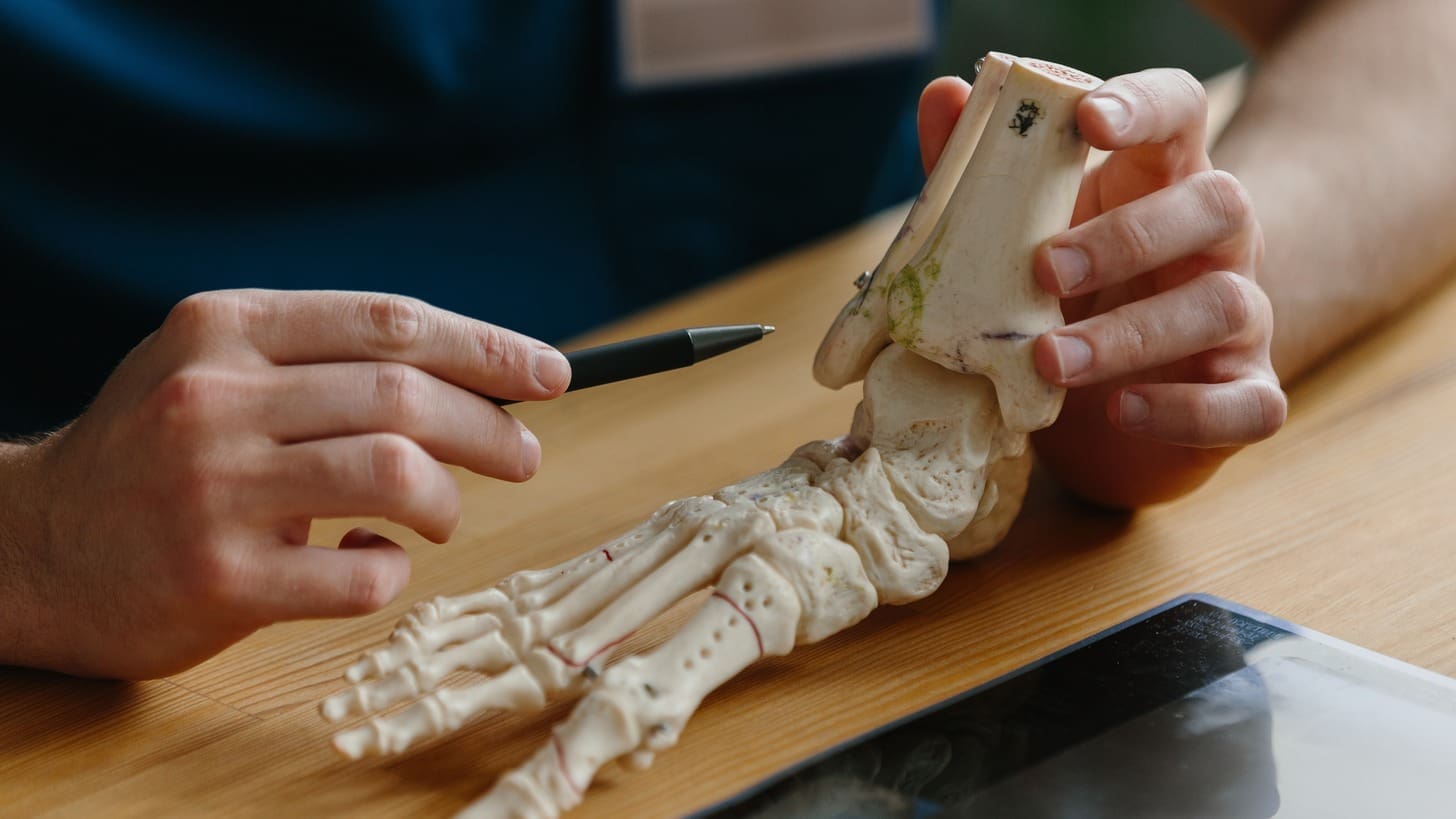
At Liv Hospital, we focus on the details of knee anatomy to offer top-notch care. The tibial tuberosity, or anterior tibial tubercle, is a key part found on the front of the upper tibia, just under the kneecap.
This area is where the patellar ligament attaches, playing a big role in how the knee works. As Orthobullets explains, the tibial tubercle is essential for extending the knee.
Key Takeaways
- The tibial tuberosity is located on the proximal tibia.
- It serves as the attachment site for the patellar ligament.
- The tibial tubercle plays a vital role in knee extension.
- Understanding its function is key for diagnosing knee problems.
- Liv Hospital is dedicated to providing detailed care for knee issues.
Anatomy and Structure of the Tibial Tubercle
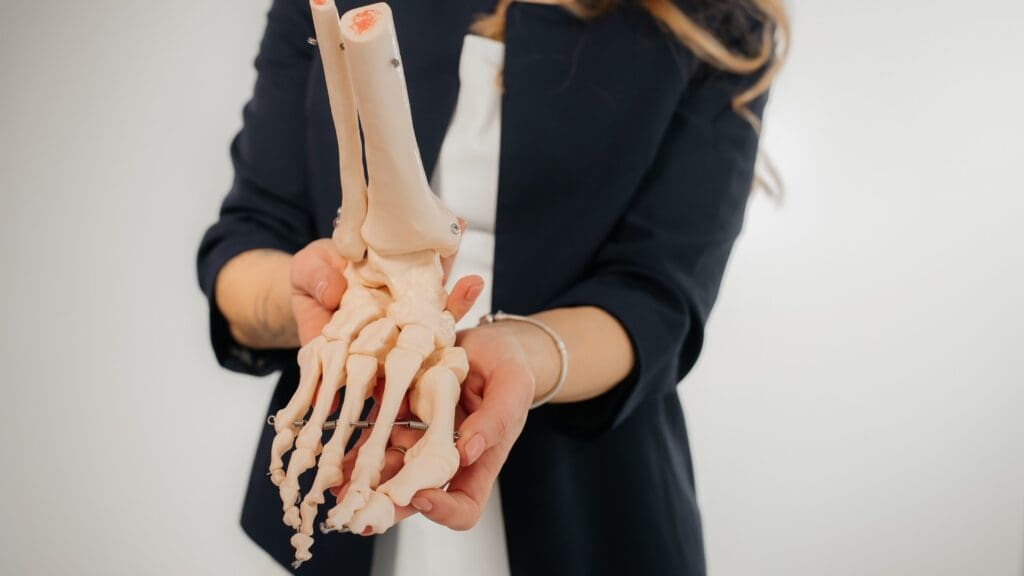
The tibial tubercle is a key part of the knee. It helps the knee extend. Let’s explore its anatomy and structure.
Definition and Basic Characteristics
The tibial tubercle, also known as the tibial tuberosity, is a bony bump on the front of the tibia. It’s where the patellar ligament attaches, linking the patella to the tibia. This structure is vital for the quadriceps to extend the knee.
Surrounding Anatomical Landmarks
The tibial tubercle is found on the upper part of the tibia, just below the knee. It’s near several important landmarks: – The patella sits above it, connected by the patellar ligament. – The tibial condyles, which make up the lower knee joint, are nearby. – The front of the tibia is where the tibial tubercle stands out.
The tibial tubercle helps spread the load from the quadriceps to the tibia. It’s key to understanding knee anatomy and treating related issues.
| Anatomical Feature | Description |
|---|---|
| Tibial Tubercle | Bony prominence on the anterior aspect of the tibia |
| Patellar Ligament | Connects the patella to the tibial tubercle |
| Tibial Condyles | Form the lower part of the knee joint |
Precise Location of the Anterior Tibial Tubercle
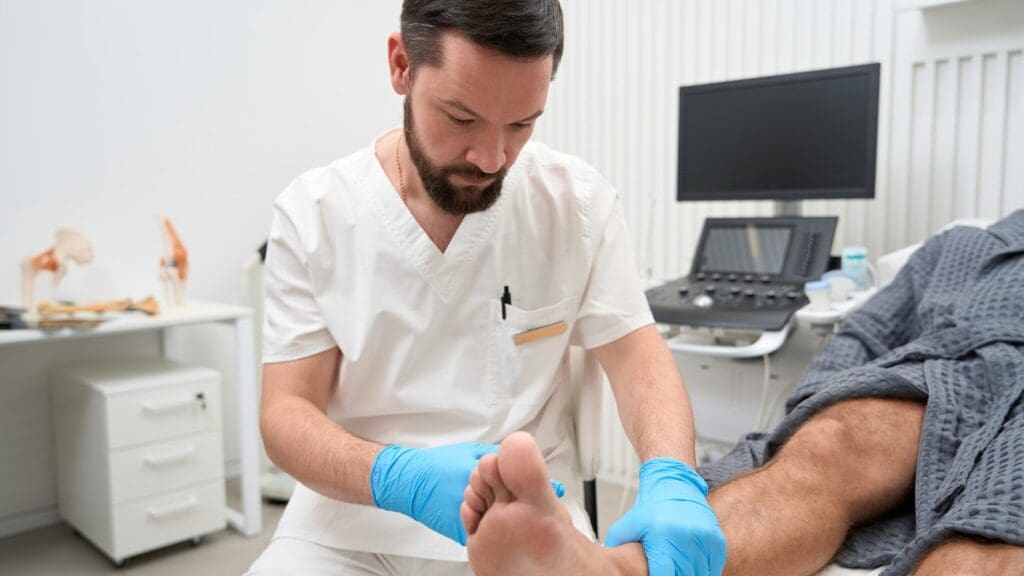
Knowing where the anterior tibial tubercle is is key for spotting knee problems. This bony spot, also called the tibial tuberosity, is important for knee movement. We’ll look at where it is on the tibia and how it relates to other parts.
Position on the Proximal Tibia
The anterior tibial tubercle sits on the front of the proximal tibia, right below the kneecap. Its spot is vital for how the knee works.
You can find the tibial tubercle by feeling it with your fingers on the front of your leg, just below the knee. It’s where the patellar ligament attaches, linking the kneecap to the tibia.
Relationship to the Patella and Knee Joint
The anterior tibial tubercle is near the patella and knee joint. The patellar ligament, which connects to the tibial tubercle, is key for knee extension.
Understanding the connection between the tibial tubercle, patella, and knee joint is important. It helps in diagnosing issues like tibial tubercle fractures. Keeping these parts in line is necessary for the knee to function right.
Terminology: Tibial Tubercle vs. Tibial Tuberosity
It’s important to know the difference between the tibial tubercle and tibial tuberosity. Healthcare professionals often use these terms the same way. But knowing where they come from helps us understand their use better.
Origins of Different Terminology
The words tibial tubercle and tibial tuberosity have changed over time. They come from looking at the body and how we treat it. “Tuberositas tibiae” is used in detailed body studies, pointing to a bony spot on the tibia.
Why do we have two names? It’s because of history and language. Different places and medical ways might like one name better than the other. This leads to two names that can sometimes mix up people.
Clinical Usage and Preferences
In doctor’s offices, which name to use depends on the situation and who you are. Both names talk about the same spot on the tibia. This spot is where the patellar ligament attaches.
Some doctors like “tibial tubercle” for being simple. Others use “tibial tuberosity” to highlight the bony part. Knowing this helps doctors talk clearly with patients and teach students.
Understanding that these terms are often the same helps doctors get better at diagnosing and treating patients. This leads to better care for everyone.
Development of the Tuberositas Tibia
The tuberositas tibia forms through detailed steps starting in the early stages of development. This process is key to grasping how the tibial tubercle works in adults.
Embryological Formation
The tibial tuberosity starts as a cartilaginous precursor in the early stages of development. This stage involves the transformation of mesenchymal cells into chondrocytes. These cells then form the cartilage that will become the tibia.
As the embryo grows, the cartilage is replaced by bone through endochondral ossification. This is essential for the tibial tuberosity and the tibia to form.
Growth Patterns During Adolescence
Adolescence is a key time for the tibial tuberosity to grow. The tibial tubercle apophysis, a growth center, is very active during this period. This activity can lead to Osgood-Schlatter disease, causing pain and inflammation at the tibial tubercle.
Many factors can influence how the tibial tuberosity grows during adolescence. These include genetics, diet, and how much physical activity one does. Knowing these factors helps in managing issues related to the tibial tubercle.
| Developmental Stage | Characteristics | Clinical Significance |
|---|---|---|
| Embryological Formation | Cartilaginous precursor formation, endochondral ossification | Foundation for tibial tuberosity structure |
| Adolescent Growth | Active apophysis, rapid bone growth | Risk for Osgood-Schlatter disease |
The development of the tuberositas tibia is a complex, multi-stage process. Knowing about these stages is vital for both doctors and researchers to understand tibial tubercle-related conditions better.
Primary Functions of the Anterior Tibial Tubercle
Knowing how the anterior tibial tubercle works is key to understanding the knee. It’s also known as the tibial tubercle or tibial tuberosity. This part of the knee has several important jobs.
Attachment Site for the Patellar Ligament
The anterior tibial tubercle is where the patellar ligament attaches. This ligament links the patella (kneecap) to the tibia (shinbone). It’s a big part of how the knee moves.
The patellar ligament’s secure attachment to the anterior tibial tubercle is key for knee movement. If this attachment gets hurt, it can really mess up how the knee works.
Role in the Knee Extension Mechanism
The anterior tibial tubercle is vital for straightening the knee. It lets the quadriceps muscle do its job. This is important for things like walking and running.
| Function | Description | Importance |
|---|---|---|
| Attachment Site | Attachment for the patellar ligament | Critical for knee extension |
| Knee Extension Mechanism | Facilitates straightening of the knee | Essential for daily activities |
The anterior tibial tubercle does more than just attach the patellar ligament. It also affects how the knee moves. Knowing this helps doctors figure out and fix knee problems.
Biomechanical Significance of the Tibial Tuberosity
The tibial tuberosity is key in the knee’s biomechanics. It helps transmit forces from the quadriceps to the tibia. This makes knee extension efficient.
Force Distribution from Quadriceps to Tibia
The tibial tuberosity is where the patellar ligament attaches. This ligament connects the patella to the tibia. It’s important for distributing forces from the quadriceps to the tibia, helping with knee extension.
When the quadriceps muscles contract, they pull on the patella. This pull goes through the patellar ligament to the tibial tuberosity. This process allows for strong knee extension.
| Component | Function | Biomechanical Significance |
|---|---|---|
| Tibial Tuberosity | Attachment site for patellar ligament | Facilitates force transmission from quadriceps to tibia |
| Patellar Ligament | Connects patella to tibial tuberosity | Enables efficient knee extension |
| Quadriceps Muscles | Generates force for knee extension | Provides the power needed for knee movement |
Contribution to Knee Stability During Movement
The tibial tuberosity also helps with knee stability. It provides a stable point for the patellar ligament. This keeps the patella and tibia aligned, ensuring smooth knee motion.
During activities like running or jumping, the knee faces a lot of stress. The tibial tuberosity helps absorb and distribute these forces. This helps keep the knee stable and reduces injury risk.
Anatomical Variations Including the Lateral Tibial Tubercle
The tibial tubercle has variations, like the lesser-known lateral tibial tubercle. These variations are key to understanding knee anatomy. They are important for diagnosing and treating knee issues.
Normal Anatomical Variations
The tibial tubercle looks different in everyone. Variations in size, shape, and position are common. The lateral tibial tubercle, found on the upper outer edge of the tibia, is one such variation.
These differences come from genetics, development, or how we move. Knowing about these variations helps doctors tell normal differences from problems.
Clinical Significance of Variations
Understanding the tibial tubercle’s variations is key for doctors. A big or differently placed tubercle might look like a problem. Or, a real problem might look like a normal variation.
| Variation Type | Clinical Implication |
|---|---|
| Lateral Tibial Tubercle | Potential for misdiagnosis if not recognized as a normal variation |
| Size Variations | Influence on knee biomechanics and possible overuse injuries |
| Position Variations | Affects patellar tracking and knee stability |
It’s vital to know about these variations for accurate diagnoses. We must look at each person’s anatomy when checking for knee problems.
Common Conditions Affecting the Tibial Tubercle
The tibial tubercle plays a key role in knee mechanics. This makes it prone to injuries. We’ll look at common conditions, mainly in adolescents.
Osgood-Schlatter Disease in Adolescents
Osgood-Schlatter disease is common in teens, often in athletes. It causes inflammation at the tibial tubercle. This leads to pain and swelling.
This condition is linked to rapid growth spurts in teens. It usually gets better once growth plates close. But, it can really affect a teen’s sports and daily life.
“Osgood-Schlatter disease is a common cause of knee pain in adolescents, and its management requires a complete approach including rest, physical therapy, and sometimes bracing.”
Fractures and Avulsion Injuries
Fractures and avulsion injuries also affect the tibial tubercle. An avulsion fracture happens when a piece of the tibial tubercle is pulled off by the patellar tendon.
These injuries often come from sudden muscle contractions. This is common in sports that involve jumping or quick turns. The severity can range from small avulsions to full fractures.
| Condition | Description | Typical Treatment |
|---|---|---|
| Osgood-Schlatter Disease | Inflammation of the patellar ligament | Rest, physical therapy, bracing |
| Avulsion Fracture | Fragment of tibial tubercle pulled away | Surgical fixation, rehabilitation |
| Tibial Tubercle Fracture | Complete or partial fracture of the tibial tubercle | Surgical repair, immobilization |
It’s important to understand these conditions for proper care. We need to tailor treatment to each patient’s needs. This could be managing Osgood-Schlatter disease or treating more serious injuries like fractures.
Clinical Assessment and Treatment Approaches
Assessing the tibial tubercle involves physical exams and imaging. We’ll explore how we evaluate and treat this area.
Physical Examination Techniques
A detailed physical exam is key for the tibial tubercle. We check for tenderness and swelling with palpation. We also look at the knee’s movement to spot any issues.
The tibial tubercle is easy to feel during an exam. It’s important for checking knee function. We watch how the patient walks and do tests to see if the patellar ligament and nearby tissues are okay.
Imaging Methods for Evaluation
Imaging is essential for the tibial tubercle. X-rays help us see bone alignment and find fractures or avulsion injuries. Magnetic Resonance Imaging (MRI) helps us see soft tissue injuries like ligament sprains or tendinopathies.
Conservative and Surgical Management
Treatment for the tibial tubercle depends on the problem. We use physical therapy, bracing, and pain management for mild to moderate issues. We also suggest changes in lifestyle to lessen knee stress.
| Treatment Approach | Description | Indications |
|---|---|---|
| Conservative Management | Physical therapy, bracing, pain management | Mild to moderate conditions |
| Surgical Intervention | Repair or reconstruction of damaged tissues | Severe injuries or refractory cases |
If conservative methods don’t work, surgery might be needed. We look at options like repairing or rebuilding the patellar ligament or nearby tissues.
By using thorough exams and the right treatments, we help patients with tibial tubercle issues.
Conclusion
The anterior tibial tubercle is key for knee movement. It helps the patellar ligament attach and aids in knee extension. Knowing about its anatomy and function is vital for good patient care.
At Liv Hospital, we aim to give top-notch healthcare to international patients. Our team uses the newest methods to treat tibial tuberosity issues. This ensures our patients get the best results.
We mix advanced medical skills with caring for our patients. This approach helps us improve health and well-being for those with knee problems. Our commitment to excellent care makes us a reliable choice for international patients.
FAQ
Where is the tibial tubercle located?
The tibial tubercle is found on the top part of the tibia, just below the knee. It’s a bony spot where the patellar ligament attaches.
What is the function of the anterior tibial tubercle?
The anterior tibial tubercle is key for knee movement. It’s where the patellar ligament attaches, helping extend the knee.
What is the difference between the tibial tubercle and tibial tuberosity?
The terms tibial tubercle and tibial tuberosity are often used the same way. The tibial tuberosity is a broader term for the bony area. The tibial tubercle is the specific spot where the patellar ligament attaches.
What is Osgood-Schlatter disease?
Osgood-Schlatter disease is a common issue in teens. It causes pain and swelling below the knee due to inflammation of the tibial tubercle. It often happens during rapid growth in puberty.
How is Osgood-Schlatter disease treated?
Treatment for Osgood-Schlatter disease includes rest, ice, and physical therapy. These help reduce pain and swelling. Sometimes, bracing or orthotics are also recommended.
What are the symptoms of a tibial tubercle fracture?
A fracture of the tibial tubercle can cause pain, swelling, and bruising below the knee. It may also make it hard to extend the knee if the patellar ligament is disrupted.
How is a tibial tubercle fracture diagnosed?
A tibial tubercle fracture is diagnosed with a physical exam, X-rays, and sometimes CT or MRI scans. These help see how bad the injury is.
What are the treatment options for a tibial tubercle fracture?
Treatment for a tibial tubercle fracture may include a cast or brace. Physical therapy is then used to regain strength and mobility. Sometimes, surgery is needed to fix the fracture or reattach the patellar ligament.
Can anatomical variations of the tibial tubercle affect knee function?
Yes, variations in the tibial tubercle, like a lateral tibial tubercle, can affect knee function. They may be linked to conditions like patellofemoral pain syndrome.
How is the tibial tubercle assessed during a physical examination?
The tibial tubercle is checked during a physical exam by feeling for tenderness, swelling, or deformity. The examiner also looks at knee extension and flexion to find any issues.
Where is the tibial tubercle located?
The tibial tubercle is found on the top part of the tibia, just below the knee. It’s a bony spot where the patellar ligament attaches.
What is the function of the anterior tibial tubercle?
The anterior tibial tubercle is key for knee movement. It’s where the patellar ligament attaches, helping extend the knee.
What is the difference between the tibial tubercle and tibial tuberosity?
The terms tibial tubercle and tibial tuberosity are often used the same way. The tibial tuberosity is a broader term for the bony area. The tibial tubercle is the specific spot where the patellar ligament attaches.
What is Osgood-Schlatter disease?
Osgood-Schlatter disease is a common issue in teens. It causes pain and swelling below the knee due to inflammation of the tibial tubercle. It often happens during rapid growth in puberty.
How is Osgood-Schlatter disease treated?
Treatment for Osgood-Schlatter disease includes rest, ice, and physical therapy. These help reduce pain and swelling. Sometimes, bracing or orthotics are also recommended.
What are the symptoms of a tibial tubercle fracture?
A fracture of the tibial tubercle can cause pain, swelling, and bruising below the knee. It may also make it hard to extend the knee if the patellar ligament is disrupted.
How is a tibial tubercle fracture diagnosed?
A tibial tubercle fracture is diagnosed with a physical exam, X-rays, and sometimes CT or MRI scans. These help see how bad the injury is.
What are the treatment options for a tibial tubercle fracture?
Treatment for a tibial tubercle fracture may include a cast or brace. Physical therapy is then used to regain strength and mobility. Sometimes, surgery is needed to fix the fracture or reattach the patellar ligament.
Can anatomical variations of the tibial tubercle affect knee function?
Yes, variations in the tibial tubercle, like a lateral tibial tubercle, can affect knee function. They may be linked to conditions like patellofemoral pain syndrome.
How is the tibial tubercle assessed during a physical examination?
The tibial tubercle is checked during a physical exam by feeling for tenderness, swelling, or deformity. The examiner also looks at knee extension and flexion to find any issues.
References
Kenhub. Tibial tuberosity: location, anatomy and function. https://www.kenhub.com/en/library/anatomy/tibial-tuberosity
Elsevier. Tibial tuberosity. https://www.elsevier.com/resources/anatomy/skeletal-system/appendicular-skeleton/tibial-tuberosity/24324
National Center for Biotechnology Information (NCBI). Tibial tuberosity. https://www.ncbi.nlm.nih.gov/books/NBK526053