
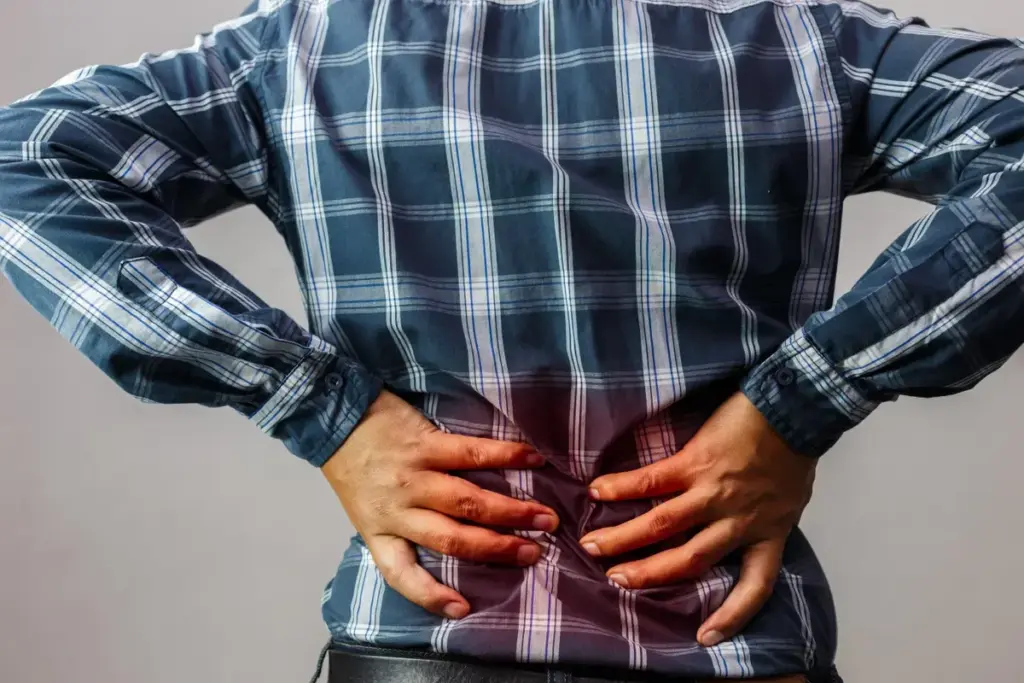
The sacroiliac joints link the spine to the pelvis. They help move weight from the spine to the legs. These joints are between the sacrum at the spine’s base and the iliac bones of the pelvis.
Knowing where your sacroiliac joints are is key to finding SI joint pain causes. The sacroiliac joint connects the sacrum, a triangle-shaped bone at the spine’s base, to the iliac bones, part of your hips.
At Liv Hospital, we know how important it is to diagnose and treat sacroiliac joint issues. We offer top-notch care for SI joint pain, backed by solid evidence.
Key Takeaways
- The sacroiliac joints connect the spine to the pelvis.
- These joints are located between the sacrum and the iliac bones.
- Understanding SI joint location is key to diagnosing pain causes.
- Liv Hospital offers expert care for sacroiliac joint conditions.
- Evidence-based treatment is vital for effective management.
Anatomy and Location of the Sacroiliac Joints
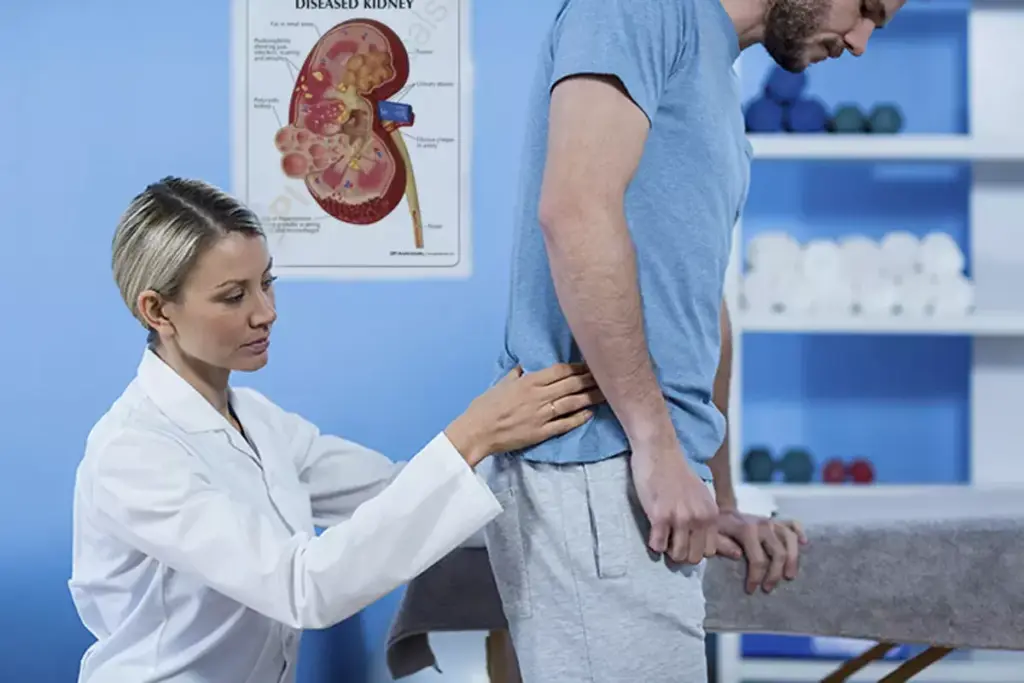
Knowing how the sacroiliac joints work is key to fixing SI joint pain. These joints sit where the sacrum and ilium bones meet. They are vital for our body’s movement and stability.
Identifying Your SI Joints Externally
Outside, you can spot the SI joints as dimples on your lower back, just below your waist. These dimples show where the joints are. Knowing where these spots are can help you spot signs of SI joint pain.
Structure of the Sacroiliac Region
The sacroiliac joint is filled with fluid and nerves. How the pelvis and sacrum line up is very important. If they’re off, it can cause inflammation and pain.
This complex area helps carry the weight of our upper body. It also helps absorb shock when we move. The health of these joints is key for our body’s movement and balance.
Function and Importance of Healthy SI Joints
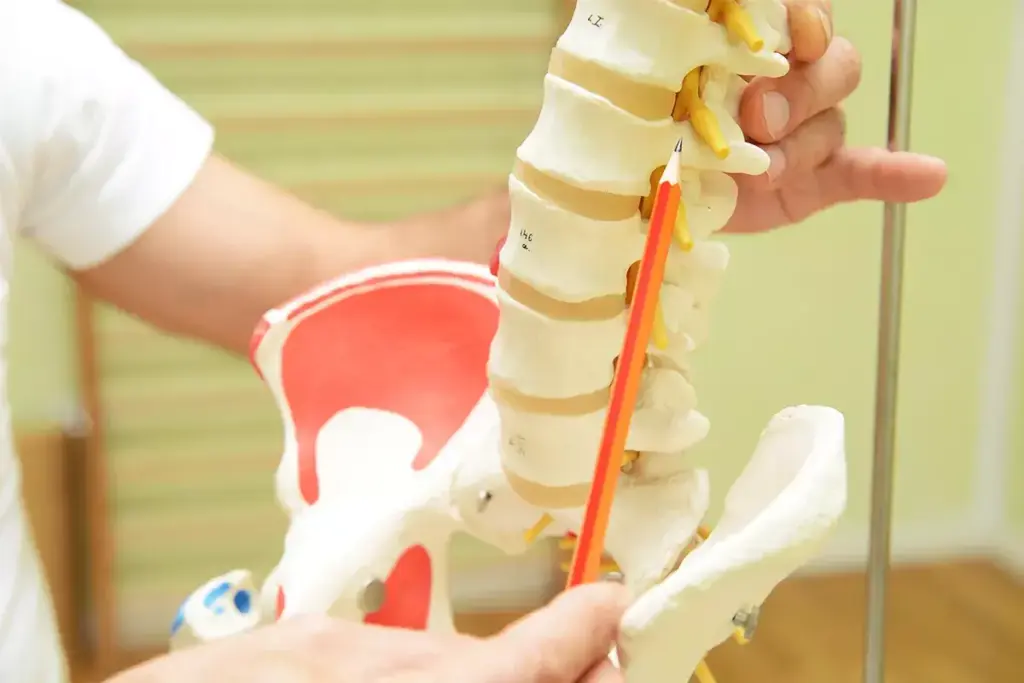
Healthy sacroiliac joints are key for movement and body support. They connect the spine to the pelvis. This lets the body move smoothly.
Connecting the Spine to the Pelvis
The sacroiliac joints link the spine to the pelvis. They make it possible to walk, run, and twist. Healthy joints help move forces smoothly from the upper body to the legs.
Key functions of healthy SI joints include:
- Absorbing shock and distributing loads effectively
- Facilitating flexibility and mobility in the pelvic region
- Supporting the spine and maintaining its natural alignment
Load Transfer Mechanisms
The sacroiliac joints are vital for load transfer. They make sure forces are spread out evenly. This reduces stress on the body, preventing injuries and pain like i joint pain hip or i joint tenderness.
When SI joints work right, they keep balance and stability. This makes daily activities easier. Knowing here is your sacroiliac joint helps in treating problems.
Keeping SI joints healthy is key for good mobility and comfort. It prevents lower back pain and keeps the body working well.
Sciatica Joint Inflammation and Causes of SI Joint Pain
Understanding the causes of sacroiliac (SI) joint pain is key to managing it well. Your sacroiliac joint connects the spine to the pelvis. It helps transfer loads and keeps you mobile. Knowing what is SI joint is important because it can be affected by many conditions.
SI joint dysfunction can come from injuries, wear and tear, or arthritis. Hormonal changes in pregnancy can also cause i joint pain. Finding the right sleeping position can help ease the pain. Knowing about the sacroiliac joints helps manage pain during pregnancy.
Arthritis and infections are common reasons for SI joint pain. Changing your sleeping position can help reduce discomfort. Your sacroiliac joints are essential for your mobility and health.
FAQ’s:
Where are the sacroiliac joints located?
The sacroiliac (SI) joints are located between the sacrum and the iliac bones on each side of the lower spine.
What is the function of the sacroiliac joints?
SI joints stabilize the pelvis, absorb shock, and allow limited movement between the spine and pelvis.
How can I identify my SI joints externally?
SI joints are located just below the dimples of the lower back, on either side of the spine above the buttocks.
What causes sacroiliac joint pain?
Pain can result from injury, arthritis, pregnancy, repetitive stress, poor posture, or abnormal movement mechanics.
Can pregnancy cause SI joint pain?
Yes, hormonal changes and pelvic stress during pregnancy can increase SI joint laxity and pain.
How does arthritis affect the sacroiliac joints?
Arthritis causes inflammation, cartilage degeneration, and stiffness in the SI joints, leading to lower back or buttock pain.
What is the role of the sacroiliac joints in load transfer?
SI joints transfer weight from the upper body to the hips and legs, helping maintain balance and stability.
Can SI joint pain be related to hip pain?
Yes, SI joint dysfunction can radiate pain to the hip, groin, or upper leg, mimicking hip problems.
How can I alleviate SI joint pain while sleeping?
Sleeping on your back with a pillow under your knees or on your side with a pillow between your knees can reduce strain.
References:
National Center for Biotechnology Information. Evidence-Based Medical Insight. Retrieved from https://pubmed.ncbi.nlm.nih.gov/23253394/



 Departments
 Related Videos
 Our Doctors
 News
News