Ovarian cancer is a major threat to women’s health. Some groups face much higher risks because of their genes, family history, and lifestyle. It’s key to find out who’s at the highest risk early on. Women with BRCA1 or BRCA2 genes are usually at a very high risk.
In the U.S., about 20,890 new cases and 12,730 deaths from ovarian cancer happen every year. Knowing the ovarian cancer risk factors is very important. BRCA1 and BRCA2 genes are key in figuring out who’s at high risk.
Key Takeaways
- Women with BRCA1 or BRCA2 gene mutations are at a higher risk for ovarian cancer.
- Family history and genetic factors significantly influence ovarian cancer risk.
- Early detection is key to better survival rates.
- Understanding ovarian cancer risk factors helps in prevention.
- Genetic testing can spot high-risk individuals.
Understanding Ovarian Cancer: A Deadly Women’s Health Concern
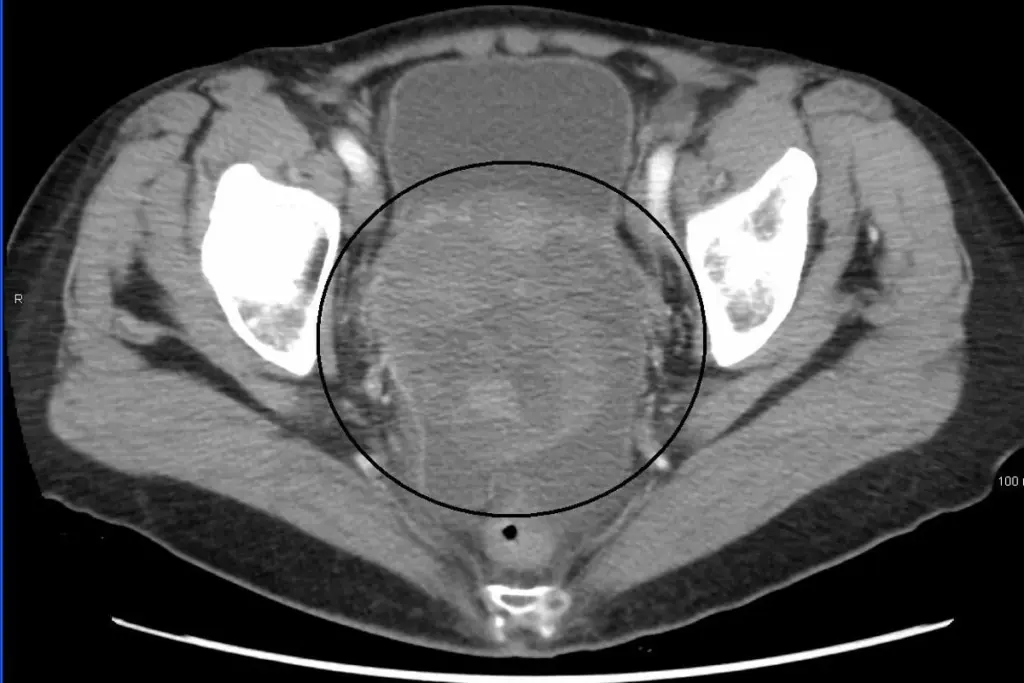
Ovarian cancer is a major health issue for women globally. It’s vital to know about its risks and how to prevent it. We’ll look into how serious ovarian cancer is, its stats, and why early detection is key.
What is Ovarian Cancer?
Ovarian cancer starts in the ovaries, where eggs are made. It’s called a “silent killer” because its symptoms are not clear until it’s too late. Knowing the risks and taking steps to prevent it are important in fighting ovarian cancer.
Current Statistics and Mortality Rates
Ovarian cancer is the fifth leading cause of death in women. The American Cancer Society says there are about 19,680 new cases in the U.S. each year. Sadly, about 12,740 women die from it. The high death rate is because it’s often diagnosed too late.
|
Year |
New Cases |
Deaths |
5-Year Survival Rate |
|---|---|---|---|
|
2020 |
19,680 |
12,740 |
48.6% |
|
2019 |
19,680 |
12,810 |
47.4% |
|
2018 |
19,610 |
12,520 |
46.5% |
The numbers show why we need to know about ovarian cancer risks and screening. We must keep raising awareness and support research to find ways to prevent it.
Genetic Predisposition: The Strongest Risk Factor
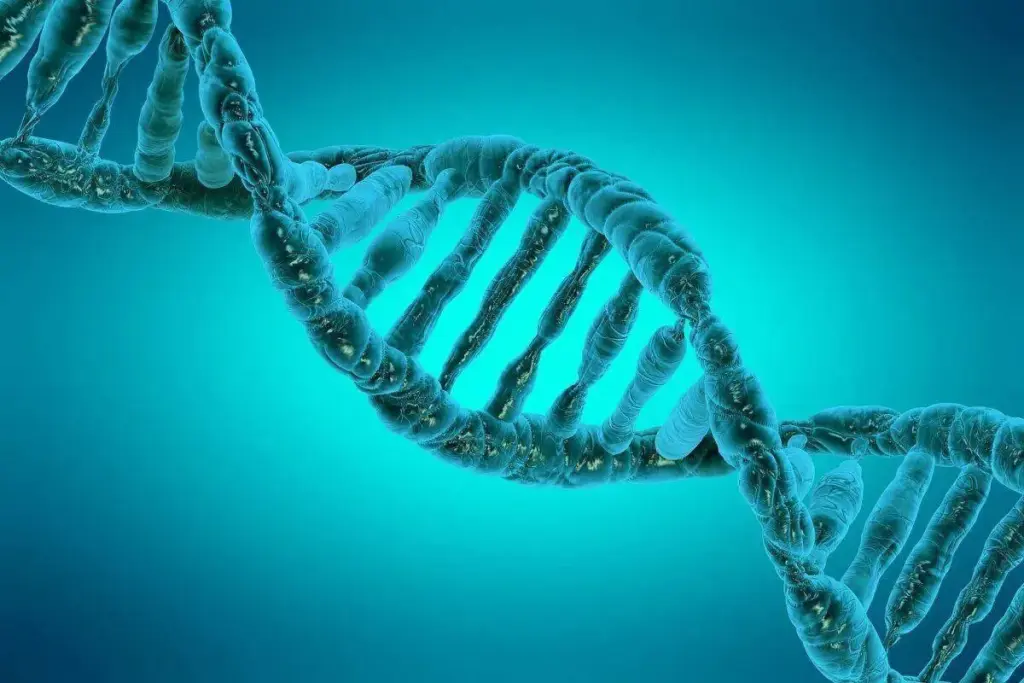
Understanding the genetic roots of ovarian cancer is key to spotting high-risk individuals. Genetic predisposition is a major factor in ovarian cancer risk. Certain genetic mutations play a big role in this.
BRCA1 Gene Mutations and 44% Lifetime Risk
Mutations in the BRCA1 gene greatly raise ovarian cancer risk. Women with a BRCA1 mutation face up to a 44% chance of getting ovarian cancer. The BRCA1 gene helps fix damaged DNA. But with a mutation, it can’t do its job, leading to higher cancer risk.
BRCA2 Gene Mutations and 17% Lifetime Risk
BRCA2 mutations also up the risk of ovarian cancer, but less than BRCA1. The risk with a BRCA2 mutation is about 17%. Like BRCA1, BRCA2 is involved in DNA repair. Its mutation can also lead to cancer.
Other Genetic Mutations Associated with Ovarian Cancer
Other genetic mutations can also raise ovarian cancer risk. These include mutations in genes linked to Lynch syndrome, like MLH1, MSH2, MSH6, PMS2, and EPCAM. Knowing about these genetic factors is key for a full risk assessment.
|
Gene Mutation |
Lifetime Risk of Ovarian Cancer |
|---|---|
|
BRCA1 |
Up to 44% |
|
BRCA2 |
Approximately 17% |
|
Lynch Syndrome Genes (MLH1, MSH2, MSH6, PMS2, EPCAM) |
Variable, but increased risk |
Genetic predisposition is a big deal in ovarian cancer risk. Finding people with harmful mutations in genes like BRCA1 and BRCA2, and those linked to Lynch syndrome, helps in early detection and prevention.
Family History and Hereditary Cancer Syndromes
Family history is key in figuring out your chance of getting ovarian cancer. Knowing this helps find people at high risk. It also helps them take steps to prevent it.
First-Degree Relatives with Ovarian or Breast Cancer
Having a close relative with ovarian or breast cancer raises your risk. This is true if they were young when diagnosed. Studies back this up.
|
Family History |
Relative Risk |
|---|---|
|
One first-degree relative with ovarian cancer |
2.5-3 times higher |
|
Two or more first-degree relatives with ovarian cancer |
4-5 times higher |
Lynch Syndrome and Ovarian Cancer Risk
Lynch syndrome, or HNPCC, raises cancer risk, including ovarian cancer. Women with it face a higher risk of ovarian cancer than others.
Hereditary Breast and Ovarian Cancer Syndrome
Hereditary breast and ovarian cancer (HBOC) is linked to BRCA1 and BRCA2 gene mutations. These mutations up the risk of breast and ovarian cancers. Finding people with HBOC is key for early action and risk lowering.
Grasping family history and hereditary cancer syndromes is critical for ovarian cancer risk assessment. This lets doctors screen and prevent cancer in those at high risk.
Age as a Critical Risk Factor
As women get older, their chance of getting ovarian cancer goes up a lot. Most ovarian cancer cases happen in women over 50.
Incidence Rates by Age Group
Ovarian cancer rates change a lot with age. Let’s look at the rates:
|
Age Group |
Incidence Rate per 100,000 Women |
|---|---|
|
40-49 years |
15.7 |
|
50-59 years |
30.4 |
|
60-69 years |
43.8 |
|
70+ years |
54.1 |
This table illustrates that the incidence of ovarian cancer increases with age. The highest rates are in women over 70.
Why Risk Increases with Advanced Age
There are many reasons why ovarian cancer risk goes up with age. Accumulated genetic damage and hormonal changes play a big role. Also, the body’s ability to repair DNA gets worse with age.
Knowing how age affects ovarian cancer risk helps us find and help high-risk groups. It also helps us plan better screening and prevention.
Which Client Has the Highest Risk of Ovarian Cancer?
Identifying individuals at high risk for ovarian cancer is essential for early detection. We look for people with certain genes, family history, and lifestyle choices that raise their risk.
The Profile of High-Risk Patients
High-risk patients often have family members with ovarian or breast cancer. They might also have BRCA1 or BRCA2 genes, which up their risk. Other signs include never having children, trouble getting pregnant, and certain genetic syndromes like Lynch syndrome.
They might also have had cancer before, like breast or endometrial cancer. We look at all these things to figure out their risk.
Cumulative Risk Assessment
We add up all the risk factors to find out a person’s total risk of ovarian cancer. We look at genes, environment, and lifestyle to get a full picture.
This approach aids in identifying individuals who require intensified screening and preventive strategies. Knowing their total risk lets us plan the best way to help them.
Risk Calculation Models
We use special models to figure out a person’s risk of ovarian cancer. These models look at family history, genes, and reproductive history to guess the risk.
These models help us give personalized advice on screening and prevention. They help us find and help those at highest risk.
Reproductive History and Ovarian Cancer Risk
Learning about how reproductive history affects ovarian cancer risk is key. It helps us understand how to prevent and detect it early. A woman’s reproductive history includes her pregnancies, childbirth, and breastfeeding. These factors are linked to ovarian cancer risk.
Nulliparity and 24% Increased Risk
Women who have never given birth face a higher risk of ovarian cancer. Studies show they have a 24% higher risk than those who have had children. It’s thought that pregnancy might protect the ovaries.
Impact of Pregnancy and Childbirth
Pregnancy and childbirth can protect against ovarian cancer. Each full-term pregnancy lowers the risk, with the biggest drop after the first one. Having more pregnancies can greatly reduce ovarian cancer risk.
Breastfeeding as a Protective Factor
Breastfeeding also helps protect against ovarian cancer. The longer a woman breastfeeds, the lower her risk. This could be because breastfeeding changes hormone levels.
Knowing about these reproductive factors helps us understand ovarian cancer risk better. It’s important for women, and those with a family history of cancer, to talk to their doctors about their reproductive history.
Hormonal Factors Influencing Ovarian Cancer Development
It’s important to understand how hormones affect ovarian cancer. Hormones play a big role in the risk of getting ovarian cancer.
Hormone Replacement Therapy Beyond 10 Years
Using hormone replacement therapy (HRT) for a long time can raise the risk of ovarian cancer. Research shows that women using HRT for over 10 years face a higher risk. We’ll look into what this means for women thinking about HRT.
|
Duration of HRT |
Ovarian Cancer Risk |
|---|---|
|
Less than 5 years |
Minimally increased risk |
|
5-10 years |
Moderately increased risk |
|
More than 10 years |
Significantly increased risk |
Oral Contraceptives and Risk Reduction
On the other hand, using oral contraceptives can lower the risk of ovarian cancer. The more you use them, the more protection you get. We’ll talk about how oral contraceptives help reduce risk.
Early Menarche and Late Menopause
The length of a woman’s reproductive years affects ovarian cancer risk. Early menarche and late menopause mean more years of estrogen exposure. This can increase the risk.
We’ll dive into how these factors impact ovarian cancer risk. We’ll also see how they work together with other hormonal influences.
Previous Cancer Diagnoses and Elevated Risk
Having had certain cancers can raise a woman’s chance of getting ovarian cancer. It’s key to know these risks to catch cancer early and prevent it.
Breast Cancer and Subsequent Ovarian Cancer Risk
Women with breast cancer, and those with BRCA1 or BRCA2 genes, face a higher risk of ovarian cancer. Research shows that family history of both breast and ovarian cancers increases this risk.
Endometrial Cancer Connection
Endometrial and ovarian cancers are linked, thanks to shared risk factors and genes. Women who’ve had endometrial cancer should know they’re at higher risk for ovarian cancer.
Colorectal Cancer and Ovarian Cancer Correlation
There’s a possible connection between colorectal and ovarian cancers, mainly in Lynch syndrome. This genetic condition raises the risk of several cancers, including ovarian.
|
Cancer Type |
Association with Ovarian Cancer |
|---|---|
|
Breast Cancer |
Increased risk, specially with BRCA1/2 mutations |
|
Endometrial Cancer |
Shared risk factors and genetic predispositions |
|
Colorectal Cancer |
Potential link, specially in Lynch syndrome |
Knowing about these connections helps in spotting ovarian cancer early. Women with a history of these cancers should talk to their doctors about their risk.
Racial and Ethnic Disparities in Ovarian Cancer Risk
Ovarian cancer risk isn’t the same for everyone. Some racial and ethnic groups face higher risks and death rates. This issue is complex, with many factors at play.
Variation in Genetic Mutation Prevalence
Genetic mutations are key in ovarian cancer risk. Some mutations, like in BRCA1 and BRCA2 genes, are more common in certain groups. For example, Ashkenazi Jews have a higher chance of having BRCA mutations. Knowing about these genetic differences helps us understand risk better.
Socioeconomic Factors Affecting Risk
Socioeconomic factors also play a big role. Things like healthcare access, education, and income level affect risk and outcomes. Those with less access to healthcare might get diagnosed and treated later, leading to worse survival rates. It’s important to consider these factors when looking at ovarian cancer risk.
Survival Disparities Among Different Populations
Survival rates for ovarian cancer vary by race and ethnicity. These differences are partly due to unequal healthcare access and quality. For example, African American women often have lower survival rates than white women, due to these disparities.
Lifestyle Factors Contributing to Ovarian Cancer Risk
Research shows that lifestyle choices can greatly affect ovarian cancer risk. It’s clear that some lifestyle habits can be changed to lower this risk.
Tobacco Smoking and Carcinogen Exposure
Tobacco smoking is linked to many cancers, including ovarian cancer. Studies have found that tobacco smoking can increase the risk of ovarian cancer. The harmful chemicals in tobacco smoke can cause genetic changes in ovarian cells, leading to cancer.
High Dietary Fat Intake
Research has looked into how diet affects ovarian cancer risk. High dietary fat intake has been linked to a higher risk in some studies. It’s thought that fats can affect hormone levels and insulin resistance, both of which can raise cancer risk.
Obesity and Metabolic Factors
Obesity is also linked to a higher risk of ovarian cancer, mainly in postmenopausal women. Obesity’s metabolic changes, like insulin resistance and inflammation, can help cancer grow.
In summary, lifestyle factors like tobacco smoking, high dietary fat, and obesity increase ovarian cancer risk. Knowing these risk factors can help in preventing and detecting ovarian cancer early.
Screening and Early Detection Challenges
Healthcare professionals are actively seeking improved methods to screen for ovarian cancer. This cancer often doesn’t show symptoms early on. So, finding it early is key to treating it effectively. But, the screening methods we have now have big problems.
Current Screening Methods and Limitations
Today, doctors use the CA-125 blood test and transvaginal ultrasound to screen for ovarian cancer. These tools have some good points but also have downsides. The CA-125 test can sometimes give false positives, causing worry and extra tests for patients.
” CA-125 test has a high false-positive rate, which can lead to unnecessary surgical interventions.”
NCI Study
Also, these tests aren’t good for checking everyone because ovarian cancer is rare. We need better ways to screen that are more precise.
CA-125 Blood Test Reliability
The CA-125 blood test looks for a protein in the blood that might be high in ovarian cancer. But, it can also be high in other conditions like pregnancy or endometriosis. This makes it not very specific for screening.
Transvaginal Ultrasound Applications
Transvaginal ultrasound is another tool used to screen for ovarian cancer. It can spot abnormalities in the ovaries. But, it’s hard to tell if these are cancerous or not. Scientists are trying to make this tool more accurate.
In summary, even though current screening methods have their flaws, research is ongoing. The goal is to find better ways to detect ovarian cancer early. With improved screening, we hope to lower the death rate from this disease.
Risk Reduction Strategies for High-Risk Women
High-risk women can lower their chance of getting ovarian cancer by taking certain steps. We suggest a mix of medical actions and lifestyle changes.
Prophylactic Surgery Options
Women at high risk might want to consider prophylactic salpingo-oophorectomy. This surgery removes the ovaries and fallopian tubes. It can cut the risk by up to 90%.
We suggest talking to a healthcare provider about when and if to have this surgery.
Chemoprevention Approaches
Chemoprevention uses medicines to stop cancer from happening. For ovarian cancer, some birth control pills can help a lot. We recommend using these pills for at least 5 years to lower risk.
Lifestyle Modifications
Medical steps aren’t the only way to reduce risk. Healthy weight, balanced diet, and no smoking are also key. We also suggest talking to a healthcare provider about other lifestyle changes.
By using these methods, high-risk women can lower their ovarian cancer risk. It’s important to work with healthcare providers to find the right plan for each person.
Genetic Testing and Counseling
Understanding the genetic factors that contribute to ovarian cancer risk is key for managing risk. Genetic testing and counseling help find those at higher risk due to inherited genetic mutations.
Who Should Undergo Genetic Testing?
Genetic testing is advised for those with a family history of ovarian or breast cancer. This includes those with first-degree relatives (parents, siblings, or children) who have been diagnosed. It’s also suggested for those with young breast cancer or a known family genetic mutation.
Interpreting Genetic Test Results
Understanding genetic test results needs expertise. A positive test means a higher risk, but it doesn’t mean cancer is certain. A negative result doesn’t mean no risk at all.
Psychological Impact of High-Risk Status
Learning you’re at high risk for ovarian cancer can be tough on your mind. Counseling is vital to help you grasp your risk and make health choices.
Genetic testing and counseling are essential in managing ovarian cancer risk. They offer personalized care tailored to the unique needs of those at high risk.
Healthcare Provider’s Role in Risk Assessment
Healthcare providers are key in finding and managing ovarian cancer risks. They are the first point of contact for patients. They assess risk, talk to patients, and plan for follow-ups.
Taking a Comprehensive Family History
Knowing a patient’s family history is vital for spotting high ovarian cancer risk. Doctors need to collect all the cancer history in the family. This helps figure out if the patient might have a genetic risk.
Risk Communication Strategies
It’s important for doctors to clearly explain ovarian cancer risks to patients. They should use easy-to-understand language. This helps patients feel less worried and more in control of their health.
Developing Personalized Surveillance Plans
For those at high risk, doctors create special follow-up plans. These might include regular tests like ultrasounds and blood tests. They also talk about ways to lower risk, like surgery. The aim is to catch cancer early, when it’s easier to treat.
By taking a detailed family history, clear communication, and custom follow-up plans, doctors can greatly help in finding and managing ovarian cancer risks.
Emerging Research and Future Directions
The field of ovarian cancer risk management is changing fast. New research and technologies are leading the way. We’re learning more about this complex disease every day.
New ways to assess and prevent ovarian cancer are emerging. This is thanks to ongoing research and innovation.
Novel Biomarkers for Risk Assessment
New biomarkers are being studied for ovarian cancer risk. These include genetic and molecular markers. They might help us detect cancer earlier and better understand risk levels.
|
Biomarker |
Description |
Potential Impact |
|---|---|---|
|
CA-125 |
A protein often elevated in ovarian cancer |
Monitoring response to treatment |
|
HE4 |
A protein that, when elevated, may indicate ovarian cancer |
Improving risk assessment when used alongside CA-125 |
|
BRCA1/2 |
Genetic mutations associated with increased ovarian cancer risk |
Identifying high-risk individuals for preventive measures |
Artificial Intelligence in Risk Prediction
Artificial intelligence (AI) is being used more in ovarian cancer risk prediction. AI looks at genetic data, medical history, and lifestyle. It helps find people at high risk and tailor risk assessments.
Preventive Immunotherapy Approaches
Immunotherapy is a new hope for preventing ovarian cancer. It includes vaccines and therapies that boost the immune system. These aim to stop ovarian cancer before it starts in people at high risk.
As research grows, so will our ability to manage and prevent ovarian cancer. We’re getting closer to reducing its impact. Thanks to biomarkers, AI, and immunotherapy, we’re making progress.
Conclusion: A Comprehensive Approach to Ovarian Cancer Risk Management
Managing ovarian cancer risk needs a mix of genetic testing, risk reduction strategies, and new research. We’ve talked about different risk factors like genetics, family history, age, and lifestyle. Knowing these factors helps find high-risk people and start early prevention and detection.
Genetic testing for BRCA1 and BRCA2 genes is key. It also looks for other genes linked to higher risk. For those at high risk, surgeries and medicines can help. Eating right and staying fit also lowers risk.
Keeping up with new research is vital for doctors. It helps them create personal plans for high-risk patients. By using a full approach to managing ovarian cancer risk, we can save lives and lower death rates.
FAQ
What are the primary risk factors for ovarian cancer?
Ovarian cancer risk factors include genetic predisposition, like BRCA1 and BRCA2 mutations. Family history of ovarian or breast cancer also plays a role. Age, reproductive history, and lifestyle factors are important too.
How do BRCA1 and BRCA2 gene mutations affect ovarian cancer risk?
BRCA1 and BRCA2 mutations greatly increase ovarian cancer risk. BRCA1 mutations raise the risk by 44%, while BRCA2 mutations increase it by 17%.
What is the role of family history in ovarian cancer risk?
Family history of ovarian or breast cancer, in first-degree relatives, raises ovarian cancer risk. Syndromes like Lynch and hereditary breast and ovarian cancer also increase the risk.
How does age influence ovarian cancer risk?
Ovarian cancer risk grows with age, with most cases found in women over 50. The risk jumps up after 60.
What reproductive factors affect ovarian cancer risk?
Not having children (nulliparity) raises ovarian cancer risk. But, pregnancy and childbirth lower it. Breastfeeding also helps.
How do hormonal factors influence ovarian cancer development?
Hormone replacement therapy over 10 years, early menarche, and late menopause may increase risk. But, oral contraceptives can lower it.
Is there a link between previous cancer diagnoses and ovarian cancer risk?
Yes, having had breast, endometrial, or colorectal cancer raises ovarian cancer risk.
What lifestyle factors contribute to ovarian cancer risk?
Smoking, high fat diet, and obesity are linked to higher ovarian cancer risk.
What are the challenges in ovarian cancer screening and early detection?
Current tests like CA-125 blood tests and ultrasounds have limits in finding ovarian cancer early.
What risk reduction strategies are available for high-risk women?
High-risk women might consider surgery, chemoprevention, and lifestyle changes to lower their risk.
Who should undergo genetic testing for ovarian cancer risk?
Women with a family history of ovarian or breast cancer, and those with BRCA1 and BRCA2 mutations, should think about genetic testing.
What is the role of healthcare providers in assessing ovarian cancer risk?
Healthcare providers are key in taking family histories, explaining risks, and creating surveillance plans for each patient.
What are the emerging research directions in ovarian cancer?
New research focuses on biomarkers, using AI for risk prediction, and preventive immunotherapy.
How can women with a high risk of ovarian cancer manage their risk?
Women at high risk should work with their healthcare providers. They should develop a risk management plan, including genetic testing, risk reduction, and surveillance.
Reference
American Cancer Society (ACS). Key Statistics for Ovarian Cancer. https://www.cancer.org/cancer/types/ovarian-cancer/key-statistics.html
NCBI. PMC article. https://pmc.ncbi.nlm.nih.gov/articles/PMC10477765/
Not These Ovaries. Ovarian Cancer. https://www.nottheseovaries.org/ovarian-cancer/
SEER (Surveillance, Epidemiology, and End Results). Ovary Cancer Statistics. https://seer.cancer.gov/statfacts/html/ovary.html
Wisconsin Hospital Association (WHA). News/Newsletter Article. https://www.wha.org/news/newsletters/2025/09-18-2025/7