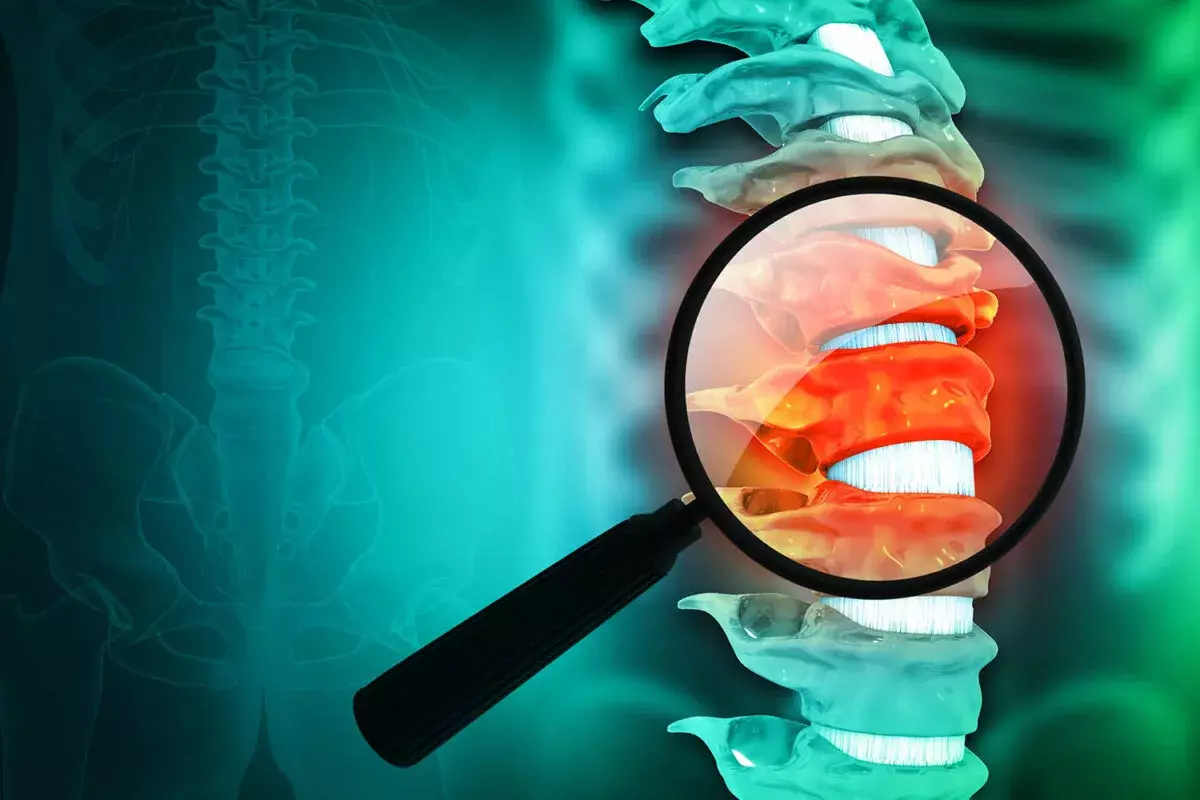
Nuts are not bad for arthritis; they are actually great for managing joint pain and inflammation. Recent studies show that eating nuts regularly can lower the risk of arthritis and reduce inflammation markers.
Nuts have anti-inflammatory properties that can help ease arthritis symptoms. A 15-year study found that those who ate the most nuts had a 51% lower risk of dying from inflammatory diseases like rheumatoid arthritis.
At Liv Hospital, we focus on patient-centered, evidence-based care. We will look at the different types of nuts and how they help manage arthritis and inflammation.
Key Takeaways
- Nuts are beneficial for arthritis management, reducing inflammation and pain.
- Regular nut consumption can lower the risk of inflammatory diseases.
- A 15-year study found a 51% lower mortality rate from inflammatory diseases among frequent nut eaters.
- Different types of nuts have anti-inflammatory properties.
- Nuts can be a valuable addition to an arthritis management plan.
Nuts as Powerful Anti-Inflammatory Foods
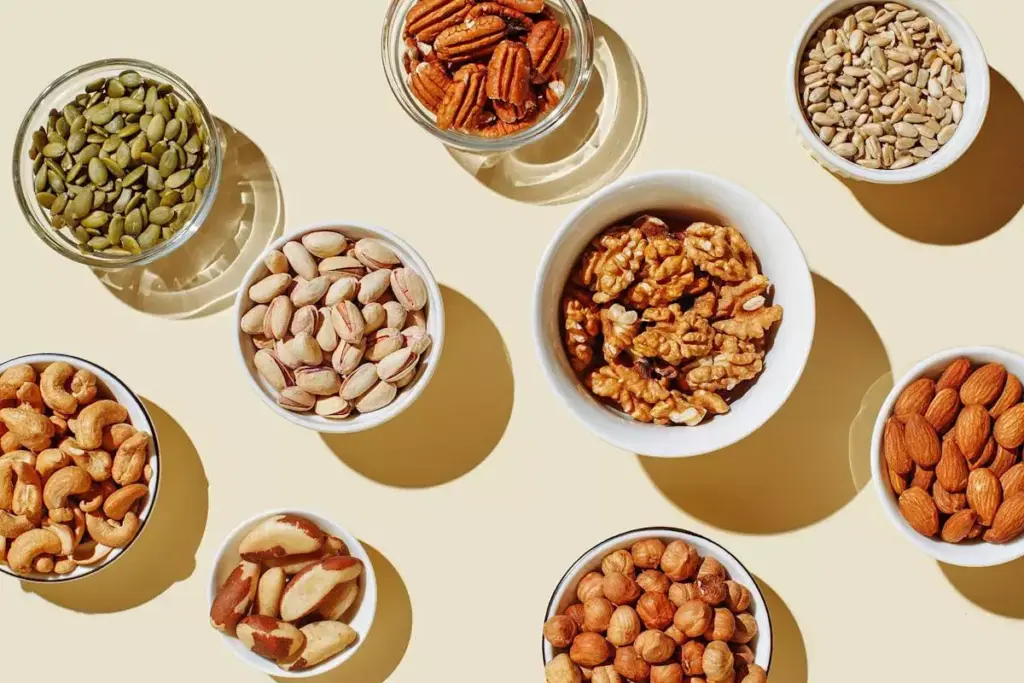
Nuts are a common food in many diets worldwide. They are known for their health benefits. One key benefit is their ability to fight inflammation. A 15-year study found that eating nuts can lower inflammation markers.
The 15-Year Study: Nuts and Inflammatory Disease Risk
A 15-year study looked at nuts and inflammatory diseases. It found that eating nuts regularly lowers the risk of these diseases. This study shows nuts can help reduce the risk of inflammatory diseases.
“The evidence suggests that nuts can be a valuable component of an anti-inflammatory diet,” researchers said. The study shows nuts are important for a healthy diet.
How Nuts Reduce Inflammation Markers
Nuts have nutrients that fight inflammation. Peanuts and peanut butter are full of healthy fats. They also have magnesium, which is good for joints. Peanuts and peanut butter are great for people with arthritis.
Nuts’ anti-inflammatory effects come from their healthy fats, fiber, and antioxidants. Eating nuts regularly can lower inflammation markers. This helps ease arthritis symptoms.
- Nuts are rich in monounsaturated and polyunsaturated fats, which help reduce bad LDL cholesterol.
- Peanuts and peanut butter are good sources of magnesium, supporting joint health.
- The nutrient profile of nuts includes healthy fats, fiber, and antioxidants, contributing to their anti-inflammatory properties.
Eating nuts can lower the risk of inflammatory diseases and ease arthritis symptoms. The 15-year study supports nuts as a key part of an anti-inflammatory diet.
Is Peanut Butter Bad for Arthritis?
The debate about peanut butter and arthritis has been ongoing. But, the truth is in its nutritional benefits. We often hear mixed info about foods and health conditions like arthritis. It’s time to set the record straight on peanut butter’s role in managing arthritis.
Peanut butter is packed with nutrients that can fight inflammation, a big factor in arthritis. Let’s look at what makes peanut butter good for you.
Beneficial Fats in Peanuts for Reducing Inflammation
Peanuts, the main ingredient in peanut butter, have healthy fats that fight inflammation. These fats include monounsaturated and polyunsaturated fats. Monounsaturated fats, in particular, can lower the risk of chronic diseases like heart disease and diabetes, which are linked to arthritis.
The anti-inflammatory effects of these healthy fats can also improve joint health. Adding peanut butter to your diet can make you enjoy a tasty spread while possibly reducing arthritis pain.
Magnesium Content and Joint Health Benefits
Peanut butter also has magnesium, a key mineral for healthy joints. A lack of magnesium can lead to inflammation and joint pain. Magnesium helps control inflammatory responses in the body, making it great for arthritis sufferers.
Eating magnesium-rich foods like peanut butter can help ease arthritis symptoms. It’s important to remember to eat peanut butter in moderation because of its high calories. Pairing peanut butter with other nutrient-rich foods can enhance its benefits.
In conclusion, peanut butter is not bad for arthritis. It’s actually a nutritious food that can be part of a healthy diet for arthritis. Its fats and magnesium content are great for reducing inflammation and supporting joint health.
Top Nuts and Seeds for Fighting Arthritis Inflammation
For those with arthritis, knowing which nuts and seeds are best is key. These foods can be a great part of an anti-inflammatory diet.
Walnuts: Highest Omega-3 Content and CRP Reduction
Walnuts stand out for their omega-3 fatty acids, like alpha-linolenic acid (ALA). This acid helps lower inflammation. Eating walnuts can also cut down C-reactive protein (CRP) levels, a sign of inflammation. Adding walnuts to your meals may ease arthritis symptoms.
Almonds: Fiber, Vitamin E, and Cholesterol Benefits
Almonds are full of fiber, vitamin E, and antioxidants. They’re great for fighting inflammation. The fiber in almonds helps keep cholesterol levels healthy, boosting heart health. Almonds’ antioxidants also help reduce oxidative stress, linked to inflammation.
Chia Seeds: Alpha-Linolenic Acid and Fiber Content
Chia seeds are packed with alpha-linolenic acid (ALA) and fiber. ALA in chia seeds fights inflammation. The fiber aids in cholesterol control and digestion. Chia seeds are a simple, effective way to boost health.
Other Beneficial Options: Cashews, Hazelnuts, and Pecans
Besides walnuts, almonds, and chia seeds, other nuts and seeds are anti-inflammatory. Cashews have magnesium, which eases arthritis symptoms. Hazelnuts and pecans have antioxidants that help fight inflammation. Mixing these nuts and seeds in your meals boosts their anti-inflammatory power.
Conclusion: Best Ways to Include Anti-Inflammatory Nuts in Your Diet
Adding the best anti-inflammatory nuts to your diet is easy and helps with arthritis symptoms. We talked about the good stuff in nuts like walnuts, almonds, and chia seeds. They’re full of omega-3s, fiber, and antioxidants.
Try snacking on nuts, adding them to your meals, or using nut butters in cooking. For instance, sprinkle chopped walnuts on oatmeal or salads. Blend almonds into smoothies. Or, use peanut butter or almond butter as a sauce for noodles or a dip for fruits.
These small changes can help you use nuts’ anti-inflammatory powers for better health and arthritis care. Try different ways to add these nuts to your daily life. See what works best for you.
FAQ
What nuts are good for inflammation?
Are peanuts bad for arthritis?
Is peanut butter good for arthritis?
What are the best nuts for anti-inflammatory benefits?
Are chia seeds good for rheumatoid arthritis?
Which nuts are anti-inflammatory?
Are almonds good for anti-inflammatory benefits?
Can nuts help reduce the risk of inflammatory diseases?
References
National Center for Biotechnology Information. Evidence-Based Medical Insight. Retrieved from https://pmc.ncbi.nlm.nih.gov/articles/PMC5719316/