Aplastic anemia is a rare and serious condition. It happens when the bone marrow can’t make enough blood cells. This leads to a lack of red blood cells, white blood cells, and platelets.Find out which type of anemia is caused by bone marrow failure. Get the crucial answer and learn about Aplastic Anemia.
This condition is a classic example of bone marrow failure. It causes a lot of health problems and can be deadly.
We will look into what aplastic anemia is, its causes, and how it affects blood cell production. It can be caused by genetics or other factors, and most cases have no known cause.
It’s important to understand aplastic anemia. This helps us know its symptoms and how to treat it. By learning more about aplastic anemia, we can tackle its challenges better.
Key Takeaways
- Aplastic anemia is a condition characterized by bone marrow failure.
- It results in the insufficient production of red blood cells, white blood cells, and platelets.
- The condition can be acquired or inherited, with most cases being idiopathic.
- Understanding aplastic anemia is key to finding its causes and treatments.
- Aplastic anemia is a rare but serious hematologic disorder.
Understanding Bone Marrow Function and Blood Cell Production

Hematopoiesis is how our body makes blood cells, mainly in the bone marrow. This important process creates red blood cells, white blood cells, and platelets. These cells are key to our health.
The Role of Bone Marrow in Hematopoiesis
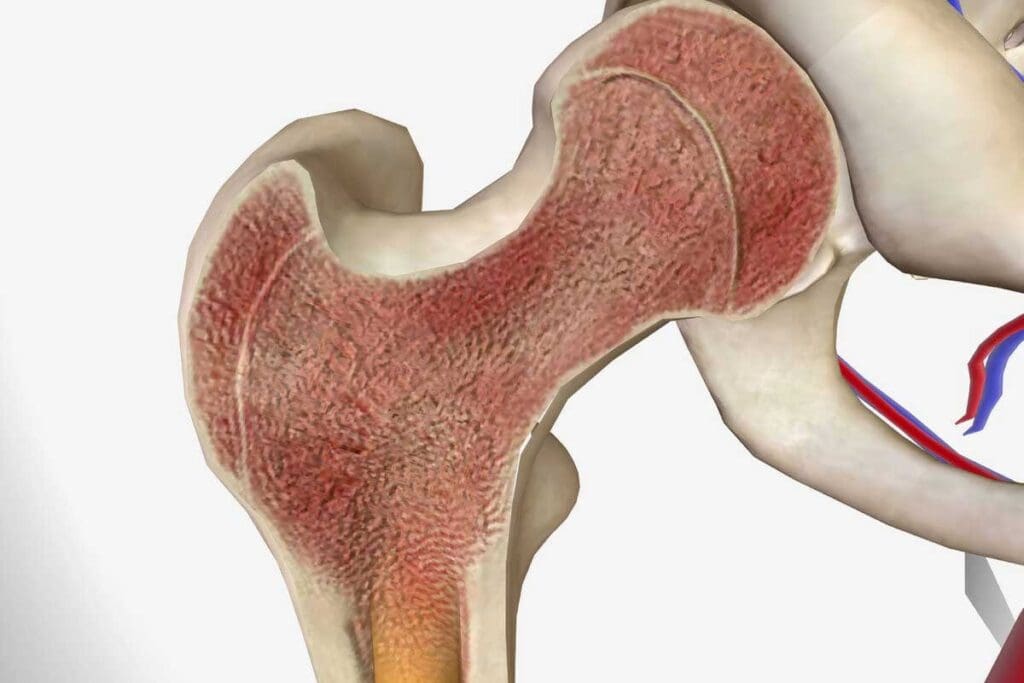
Bone marrow is the spongy tissue in bones like the hips and thighbones. It’s where blood cells are made through hematopoiesis. Hematopoietic stem cells in the bone marrow can turn into different blood cells.
We need the bone marrow to make blood cells all our lives. It supports stem cell growth and controls blood cell production.
Normal Blood Cell Production Process
The blood cell-making process starts with hematopoietic stem cells. They turn into progenitor cells and then into specific blood cells. Red blood cells carry oxygen, white blood cells fight off infections, and platelets help blood clot.
| Blood Cell Type | Function |
| Red Blood Cells | Carry oxygen throughout the body |
| White Blood Cells | Crucial for immune responses |
| Platelets | Essential for blood clotting |
How Stem Cells Develop into Different Blood Cells
Stem cells in the bone marrow go through stages to become mature blood cells. Growth factors and cytokines help guide this process. They ensure stem cells turn into the right blood cell types.
Knowing how stem cells become different blood cells is important. It helps us understand blood cell production and how diseases like aplastic anemia affect it.
Which Type of Anemia Is Caused by Bone Marrow Failure
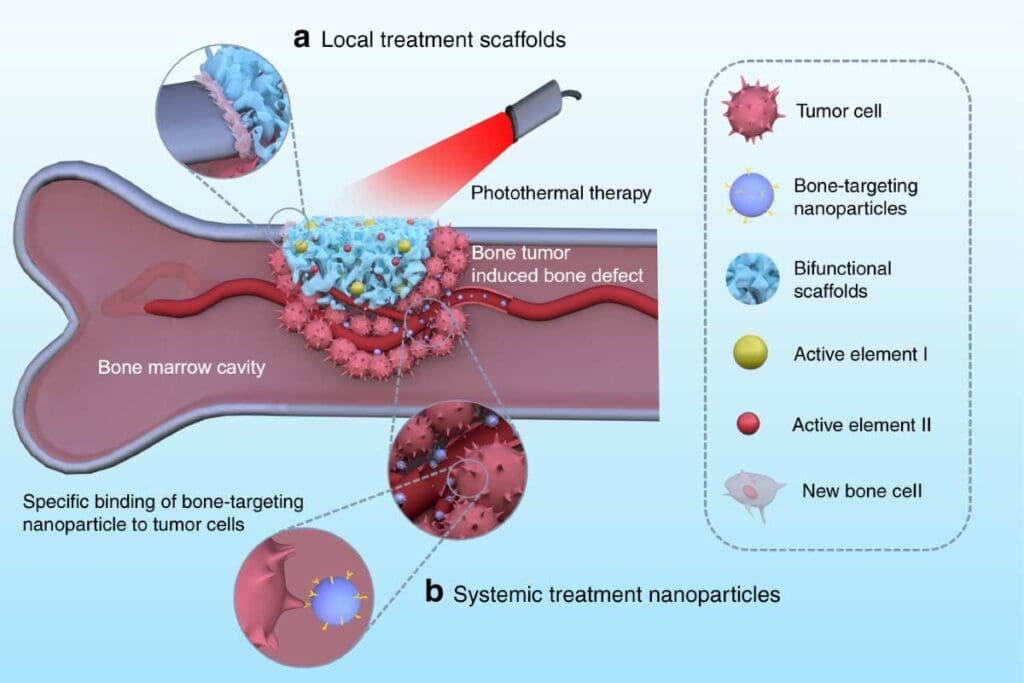
Bone marrow failure leads to aplastic anemia. This condition stops the bone marrow from making enough red blood cells, white blood cells, and platelets.
Defining Aplastic Anemia as Bone Marrow Failure
Aplastic anemia happens when the bone marrow can’t make enough blood cells. This results in pancytopenia, a drop in red blood cells, white blood cells, and platelets.
This condition is serious and needs quick medical help. Without enough blood cells, people can get infections, feel very tired, and have bleeding problems.
Distinguishing Aplastic Anemia from Other Anemias
Aplastic anemia is different from other anemias. It’s not just about not having enough red blood cells. It’s a failure of the bone marrow to make all blood cells.
Unlike iron or vitamin deficiency anemia, which mainly affect red blood cells, aplastic anemia impacts all blood cell types.
- Aplastic anemia involves a failure of the bone marrow to produce blood cells.
- It leads to pancytopenia, affecting red blood cells, white blood cells, and platelets.
- The condition is distinct from other anemias that mainly affect red blood cells.
The Concept of Pancytopenia in Aplastic Anemia
Pancytopenia is a key part of aplastic anemia. It shows the bone marrow can’t make enough blood cells. This can cause:
- Fatigue and weakness from not enough red blood cells.
- More infections because of low white blood cells.
- Bleeding and bruising from not enough platelets.
Knowing about pancytopenia is key to treating aplastic anemia right. It shows we need to treat the bone marrow failure fully.
What Is Aplastic Anemia: Definition and Pathophysiology
Aplastic anemia is a rare and serious condition. It happens when the bone marrow can’t make blood cells. This leads to fewer red blood cells, white blood cells, and platelets, which are key for our body’s functions.
Medical Definition of Aplastic Anemia
Aplastic anemia is when the bone marrow can’t make blood cells. This is because of damage to the cells that make blood or because of an immune system problem. This results in pancytopenia, which means low counts of all blood cells.
“Aplastic anemia is a disorder of the bone marrow that results in a failure to produce blood cells, leading to pancytopenia.” –
A leading medical journal
How Bone Marrow Failure Leads to Aplastic Anemia
Bone marrow failure is the main cause of aplastic anemia. When the bone marrow fails, it can’t make enough blood cells. This can happen for many reasons, like damage to the cells that make blood, exposure to toxins, or autoimmune reactions. The immune system attacking the bone marrow can destroy stem cells, making things worse.
The Impact on Blood Cell Production
Aplastic anemia greatly affects blood cell production. Low red blood cells can cause anemia, leading to tiredness and weakness. Fewer white blood cells make us more prone to infections. And low platelets can cause bleeding problems. Knowing how aplastic anemia works is key to finding good treatments.
| Blood Cell Type | Function | Impact of Aplastic Anemia |
| Red Blood Cells | Carry oxygen throughout the body | Anemia, fatigue, weakness |
| White Blood Cells | Part of the immune system, fight infections | Increased risk of infections |
| Platelets | Involved in blood clotting | Bleeding disorders |
Understanding aplastic anemia helps us see how complex it is. It shows why we need to treat it thoroughly.
Types of Bone Marrow Failure Syndromes
It’s important to know the different types of bone marrow failure. This knowledge helps in diagnosing and treating related disorders. Bone marrow failure syndromes can be either acquired or inherited. Each type has its own causes and effects.
Acquired Aplastic Anemia
Acquired aplastic anemia happens when the bone marrow can’t make blood cells. This can be due to toxins, certain medicines, or viruses. Acquired aplastic anemia is serious and needs quick treatment to fix the bone marrow.
To diagnose acquired aplastic anemia, doctors look at the patient’s history, do a bone marrow biopsy, and check blood tests. This helps figure out how bad the bone marrow failure is.
Inherited Bone Marrow Failure Syndromes
Inherited bone marrow failure syndromes are genetic disorders. They affect blood cell production and are often present at birth or in childhood. Fanconi anemia is a well-known example.
- These conditions lead to anemia, infections, and bleeding disorders because of a lack of blood cells.
- They are often linked to physical problems and a higher risk of cancer.
- Treatment includes supportive care and sometimes bone marrow transplantation.
Fanconi Anemia and Other Genetic Disorders
Fanconi anemia is a rare genetic disorder. It affects the body’s ability to make new blood cells, leading to bone marrow failure. It’s also linked to birth defects, a high cancer risk, and bone marrow failure.
Other genetic disorders like dyskeratosis congenita and Shwachman-Diamond syndrome also affect bone marrow. They show why genetic counseling and family screening are key.
Myelodysplastic Syndromes vs. Aplastic Anemia
Myelodysplastic syndromes (MDS) and aplastic anemia are both bone marrow failure disorders. But they differ in how they affect the bone marrow and the body. MDS has dysplastic cells in the bone marrow, which means it could turn into leukemia.
| Condition | Bone Marrow Characteristics | Clinical Implications |
| Aplastic Anemia | Hypocellular bone marrow with reduced blood cell production | Increased risk of infections, bleeding, and anemia |
| Myelodysplastic Syndromes | Dysplastic cells, often with a normocellular or hypercellular bone marrow | Risk of progression to acute myeloid leukemia, cytopenias |
In conclusion, knowing about the different bone marrow failure syndromes is vital for proper care and treatment. By understanding the differences between acquired and inherited conditions, healthcare providers can tailor treatments to address the root causes of bone marrow failure.
Causes and Risk Factors of Aplastic Anemia
Aplastic anemia has many causes, like unknown reasons, autoimmune reactions, and exposure to toxins. Knowing these causes helps in managing and treating the condition.
Idiopathic Aplastic Anemia (Unknown Causes)
Many times, we don’t know what causes aplastic anemia. This is called idiopathic aplastic anemia. It shows how complex bone marrow failure can be.
Key characteristics of idiopathic aplastic anemia include:
- Unknown etiology
- Bone marrow failure
- Pancytopenia
Autoimmune Reactions and Bone Marrow Damage
Autoimmune reactions can cause aplastic anemia by harming the bone marrow. In autoimmune aplastic anemia, the immune system attacks the bone marrow cells by mistake.
Autoimmune reactions play a big role in aplastic anemia. They can cause severe bone marrow failure.
Environmental Toxins and Chemical Exposure
Being exposed to certain toxins and chemicals can raise the risk of aplastic anemia. These include:
| Toxin/Chemical | Source/Exposure |
| Benzene | Industrial exposure, gasoline |
| Pesticides | Agricultural use |
| Heavy metals | Industrial waste, contaminated water |
Viral Infections and Aplastic Anemia
Viral infections can also lead to aplastic anemia. Some viruses can harm the bone marrow directly or indirectly.
We’ve talked about the different causes and risk factors of aplastic anemia. These include idiopathic cases, autoimmune reactions, environmental toxins, and viral infections. Knowing these factors is key to diagnosing and treating aplastic anemia.
Signs and Symptoms of Aplastic Anemia
People with aplastic anemia face many symptoms. These come from having too few red blood cells, white blood cells, and platelets.
Symptoms Related to Red Blood Cell Deficiency
Not having enough red blood cells leads to anemia. This causes fatigue, weakness, and shortness of breath. These happen because the body doesn’t get enough oxygen.
Symptoms Related to White Blood Cell Deficiency
Having too few white blood cells makes infections more likely. You might get recurrent infections, fever, and chills. In bad cases, these infections can be deadly.
Symptoms Related to Platelet Deficiency
Not enough platelets can cause bleeding and bruising. You might see easy bruising, prolonged bleeding from cuts, and petechiae (small red or purple spots on the skin).
When to Seek Medical Attention
See a doctor if you have these symptoms:
- Severe fatigue or weakness
- Recurrent or severe infections
- Unexplained bleeding or bruising
- Persistent fever
If you notice any of these, talk to a healthcare professional. They can help figure out what’s wrong and how to treat it.
| Symptom Category | Common Symptoms |
| Red Blood Cell Deficiency | Fatigue, weakness, shortness of breath |
| White Blood Cell Deficiency | Recurrent infections, fever, chills |
| Platelet Deficiency | Bleeding, bruising, petechiae |
Diagnosis of Bone Marrow Aplastic Anemia
Diagnosing bone marrow failure in aplastic anemia starts with a complete blood count. We will explain the steps to diagnose this condition.
Initial Blood Tests and Complete Blood Count
The first step is initial blood tests, including a complete blood count (CBC). A CBC checks the levels of red, white blood cells, and platelets. In aplastic anemia, the CBC shows pancytopenia, meaning low counts of all blood cells.
For more details on the CBC, check reputable sources like theNational Center for Biotechnology Information.
Bone Marrow Aspiration and Biopsy
A bone marrow aspiration and biopsy confirm aplastic anemia by looking at the bone marrow. A sample is taken from the hipbone. Then, the samples are examined under a microscope.
In aplastic anemia, the bone marrow is hypocellular, meaning it has fewer cells than normal. This is a key sign of the disease.
Differential Diagnosis: Ruling Out Other Conditions
Differential diagnosis is key to tell aplastic anemia apart from other conditions. These include myelodysplastic syndromes, leukemia, and lymphoma. A detailed diagnostic process, including blood tests and bone marrow examination, helps rule out these conditions.
Genetic Testing for Inherited Forms
In some cases, genetic testing is suggested to find inherited aplastic anemia, like Fanconi anemia. Fanconi anemia is a rare genetic disorder that leads to bone marrow failure and cancer risk. Genetic testing can diagnose these conditions and guide treatment.
Treatment Options and Recent Advances
The treatment for aplastic anemia has changed a lot, giving patients new hope. There are many ways to treat it now. Each one is important for managing the condition well.
Blood Transfusions and Supportive Care
Blood transfusions are key in treating aplastic anemia. They increase red blood cells and lessen symptoms like tiredness. Regular transfusions help patients live better lives. It’s also important to prevent and treat infections.
A good care plan includes watching for problems and changing treatments when needed.
Immunosuppressive Therapy Approaches
Immunosuppressive therapy is another main treatment. It helps stop the immune system from attacking the bone marrow. Antithymocyte globulin (ATG) and cyclosporine are common drugs used. This method can help the bone marrow recover.
Bone Marrow and Stem Cell Transplantation
For some, bone marrow or stem cell transplants can be a cure. This method replaces damaged bone marrow with healthy stem cells. Human leukocyte antigen (HLA) matching is key to avoid complications.
New treatments like gene therapy and new drugs are being tested. These could lead to better care for aplastic anemia patients. Treatment plans are becoming more tailored to each patient.
Joining clinical trials can give patients access to new treatments. It’s important to talk to doctors about these options to find the best treatment.
Conclusion
Aplastic anemia is a serious condition where the bone marrow fails to work right. It needs quick diagnosis and treatment. We’ve looked into its causes, symptoms, and how to diagnose it.
It’s important to know how bone marrow works to fight aplastic anemia. When it can’t make blood cells, people feel tired, weak, and get sick more often. They might also bleed a lot.
There are now better ways to treat bone marrow failure. These include giving blood, using medicines to stop the immune system, and transplanting bone marrow. We’ve covered the main points about aplastic anemia to help you understand it better.
In short, aplastic anemia is a complex condition that needs a detailed approach to treat. Knowing the causes and treatments helps both patients and doctors manage it well.
FAQ
What is aplastic anemia?
Aplastic anemia is when the bone marrow can’t make blood cells. This includes red blood cells, white blood cells, and platelets. It leads to a condition called pancytopenia.
What causes aplastic anemia?
Several things can cause aplastic anemia. These include autoimmune reactions, exposure to toxins, viral infections, and genetic disorders like Fanconi anemia.
What are the symptoms of aplastic anemia?
Symptoms of aplastic anemia include fatigue, frequent infections, and bleeding or bruising. These happen because of a lack of blood cells.
How is aplastic anemia diagnosed?
Doctors first do blood tests and a complete blood count. Then, they do a bone marrow aspiration and biopsy. This helps rule out other conditions.
What are the treatment options for aplastic anemia?
Treatments include blood transfusions and supportive care. Immunosuppressive therapy and bone marrow or stem cell transplantation are also options. The choice depends on the condition’s severity and cause.
What is the difference between aplastic anemia and other types of anemia?
Aplastic anemia is unique because it’s caused by bone marrow failure. This leads to a lack of all blood cells. Other anemias are caused by specific issues or deficiencies.
Can aplastic anemia be inherited?
Yes, some cases of aplastic anemia are inherited. Fanconi anemia is a genetic disorder that affects blood cell production in the bone marrow.
What is pancytopenia, and how is it related to aplastic anemia?
Pancytopenia is when there’s a low count of red blood cells, white blood cells, and platelets. This is a key feature of aplastic anemia, caused by bone marrow failure.
Are there any emerging treatments for aplastic anemia?
Yes, new treatments are being tested. These include new immunosuppressive therapies and stem cell transplantation techniques. They offer hope for those with aplastic anemia.
How does bone marrow failure lead to aplastic anemia?
Bone marrow failure causes aplastic anemia by stopping the production of hematopoietic stem cells. These cells are vital for making different blood cells, leading to pancytopenia.
Reference:
National Center for Biotechnology Information. (2016). Iron deficiency or anemia of inflammation? Differential diagnosis and mechanisms. Retrieved from https://pmc.ncbi.nlm.nih.gov/articles/PMC5065583