


Ever wondered which healthy vegetables are the most vitamin-packed? Recent studies show that leafy greens and cruciferous vegetables lead the way. They offer a lot of nutritional value in every bite.
When we think about the most nutritious vegetables for our diets, some stand out. Spinach, kale, and broccoli are at the top. They’re full of vitamins.
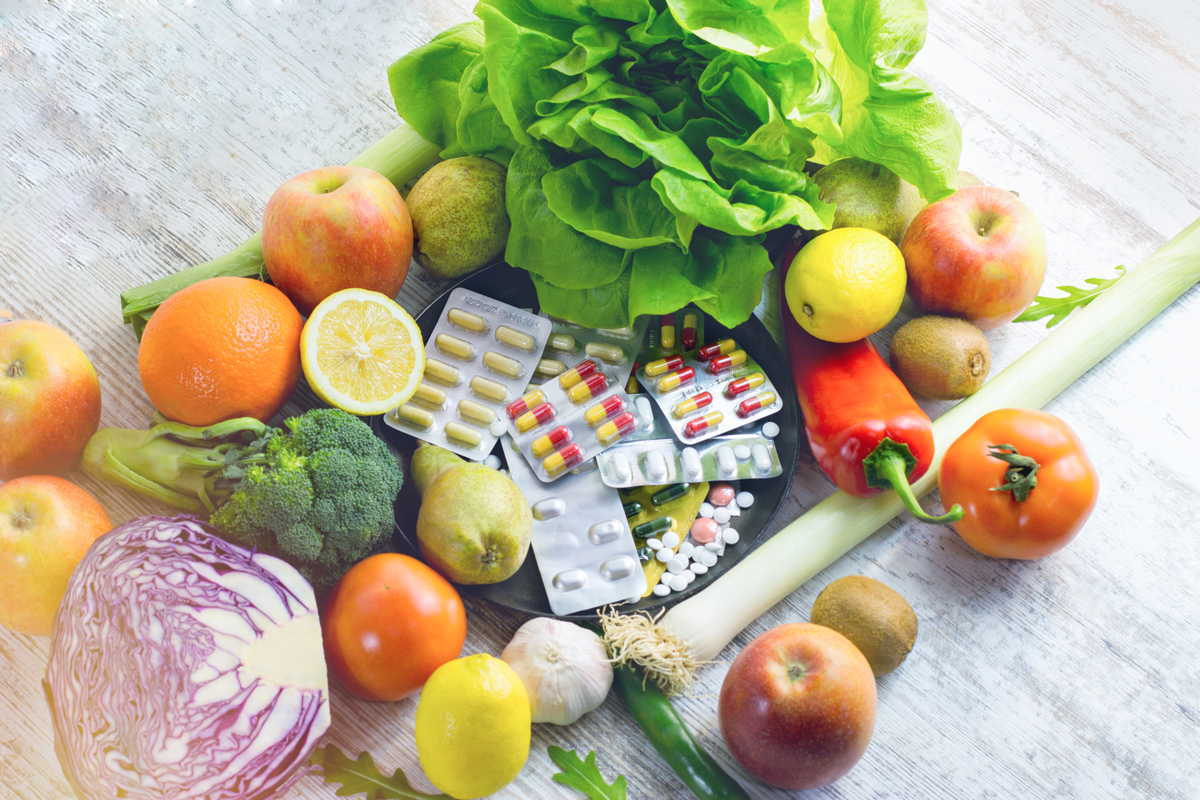
At Liv Hospital, we stress the need to add these best vegetables to your meals. Doing so can greatly improve your health. It’s a big step towards a healthier life.
Key Takeaways
- Spinach is rich in vitamins A, C, and K.
- Kale is a powerhouse of vitamins A, B6, and C.
- Broccoli is high in vitamin C and fiber.
- Including these vegetables can boost your nutrient intake.
- A diet rich in these vegetables supports overall health.
The Science of Measuring Vitamin Content in Vegetables
To understand the health benefits of vegetables, we must know how their nutritional content is measured. The nutritional value of vegetables comes from their vitamins and minerals. These are key for a healthy diet.
Nutrient density scoring helps us see how nutritious vegetables are. This scoring looks at the vitamins and minerals in each vegetable. A higher score means a vegetable is more nutritious.
Nutrient Density Scoring Explained
Nutrient density scoring comes from a study on vegetable nutrition. The 2014 nutrient density study ranked vegetables by their nutrient content. It looked at 17 essential nutrients, like vitamins A, C, and K, and minerals like calcium and iron.
The score is based on how much of each nutrient a vegetable has. For example, if a vegetable has 10% of the DV for vitamin C and 20% for vitamin K, its score is the sum of these percentages.

Daily Value (DV) Percentages and What They Mean
Daily Value percentages show how much of a nutrient a vegetable provides. For example, if spinach has 120% of the DV for vitamin K, it means it gives you more than the daily recommended amount.
- Understanding DV percentages helps us make better diet choices.
- DV percentages are based on a 2,000-calorie diet, a standard amount.
- Vegetables with high DV percentages for vitamins and minerals are very nutritious.
Knowing about nutrient density scoring and Daily Value percentages helps us see the nutritional value of different vegetables. This knowledge helps us make healthier food choices.
Top 5 Vegetables with the Highest Overall Vitamin Content
Some vegetables stand out for their high vitamin content and nutrient density. These veggies are not just rich in vitamins but also offer other essential nutrients. Let’s look at the top 5 vegetables that are packed with nutrients.
Watercress: The Highest-Scoring Vegetable for Nutrient Density
Watercress is at the top with its high nutrient score. It’s full of vitamins A, C, and K, making it a healthy veggie for your diet. “Watercress is a nutritional powerhouse,” it’s loaded with vitamins and minerals but low in calories.
Spinach: 86.4 Nutrient Score and 120% DV of Vitamin K
Spinach is known for its high nutrient density, with an 86.4 nutrient score. It’s packed with vitamin K, giving over 120% of the Daily Value per serving. Spinach also has vitamins A and C, making it a great addition to many meals.
Swiss Chard: 89.2 Nutrient Score Powerhouse
Swiss chard is a best vegetable to eat for its vitamin content, with a score of 89.2. It’s full of vitamins A, C, and K, and also has magnesium and iron. Swiss chard is a versatile leafy green that can be cooked in many ways to get the most nutrition.
Beet Greens: The 87.1 Nutrient Score Contender
Beet greens are the fifth top veggie with a score of 87.1. They’re a great source of vitamins A, C, and K, and also have potassium and iron. Adding beet greens to your diet can greatly increase your intake of important vitamins and minerals.
Adding these vegetables with high carbs and vitamins to your diet can greatly improve your health. They not only give you essential nutrients but also add variety and flavor to your meals.
Leafy Green Vegetables and Their Vitamin Superiority
Leafy greens are the top choice for vitamins and nutrients. They are packed with vitamins A, C, and K, and minerals like calcium and iron. This makes them exceptionally beneficial for overall health.
These greens are great because you can eat them in many ways. You can have them raw, in salads, smoothies, or cooked. This makes it easy to add them to your meals every day.

Kale: The Vitamin C, A, and K Champion
Kale is known as one of the healthiest foods. It’s full of vitamins C, A, and K. This makes it excellent for boosting immune function and eye health. One cup of kale gives you over 100% of the Daily Value (DV) for vitamin K.
To add kale to your meals, try it in salads, smoothies, or sautéed as a side. For more ideas, check out this article on 11 leafy greens you should be eating according to.
Collard Greens, Mustard Greens, and Other Vitamin-Rich Options
Other greens, like collard and mustard greens, are also full of vitamins. Collard greens have vitamins A, C, and K. Mustard greens are rich in vitamins A and K. You can use them in many recipes.
- Collard greens are great in soups and stews.
- Mustard greens can be sautéed with garlic as a tasty side dish.
- Both can be added to salads for an extra nutritional boost.
Best Ways to Incorporate Leafy Greens into Your Diet
Adding leafy greens to your diet is easy and tasty. Here are some tips:
- Add spinach or kale to your morning smoothie.
- Use collard greens or mustard greens in place of lettuce in salads.
- Sauté leafy greens with olive oil and garlic as a side dish.
By adding these most nutritious vegetables to your meals, you can improve your health and well-being.
Colourful Vegetables and Their Unique Vitamin Profiles
Colourful vegetables are not just pretty to look at. They also pack a nutritional punch. The vibrant colours come from vitamins and antioxidants, making them key to a healthy diet.
Carrots: 119% DV of Vitamin A per Cup
Carrots are famous for their vitamin A. A single cup gives you 119% of the Daily Value. Vitamin A is good for your eyes, immune system, and skin. Try adding carrots to salads, stews, or as a snack.
Red Bell Peppers: Vitamin C Champions
Red bell peppers are a nutritional powerhouse, thanks to their vitamin C. Vitamin C boosts your immune system, helps with collagen, and iron absorption. They add flavour and nutrition to your meals.
Sweet Potatoes: Another Vitamin A Powerhouse
Sweet potatoes are also rich in vitamin A, like carrots. They offer many health benefits. They’re full of fibre, vitamins C and B6, and minerals like potassium and manganese. Bake or boil them for a tasty, nutritious side dish.
Purple Vegetables and Their Antioxidant Benefits
Purple vegetables, like eggplants and purple cabbage, get their colour from anthocyanins. These antioxidants help fight inflammation and improve heart health. Adding purple veggies to your diet brings a variety of antioxidants.
In summary, colourful veggies like carrots, red bell peppers, sweet potatoes, and purple ones are not just good-looking. They’re also full of vitamins and antioxidants. Eating these healthy veggies boosts your nutrition and supports a healthy lifestyle.
Comparing Vegetables by Specific Vitamin Content
Vitamins in vegetables vary a lot. Knowing the best sources of specific vitamins is key for a healthy diet. Different vitamins help in many ways, like boosting the immune system and keeping skin and eyes healthy. We’ll compare various vegetables by their vitamin A, C, K, and B vitamins content. This helps you choose the right veggies for your diet.
Best Vegetables for Vitamin A
Vitamin A is important for vision, immune function, and skin health. Carrots are famous for their vitamin A, with one cup giving 119% of the Daily Value (DV). Other top sources include sweet potatoes and dark leafy greens like kale. Adding these to your meals can greatly increase your vitamin A.
- Carrots: 119% DV per cup
- Sweet potatoes: High in beta-carotene, a precursor to vitamin A
- Kale: Rich in beta-carotene, supporting eye health and immune function
Best Vegetables for Vitamin C
Vitamin C is key for immune function, collagen, and iron absorption. Red bell peppers are a top choice, with lots of vitamin C. Broccoli and Brussels sprouts are also great. These veggies not only boost vitamin C but also offer antioxidants for health.
- Red bell peppers: High in vitamin C, supporting immune health
- Broccoli: Rich in vitamin C and other antioxidants
- Brussels sprouts: Contribute to vitamin C intake and overall health
Best Vegetables for Vitamin K
Vitamin K is essential for blood clotting and bone health. Leafy green vegetables like spinach and kale are packed with vitamin K. Swiss chard and beet greens are also rich in it. Eating these can help your bones and heart.
- Spinach: 120% DV of vitamin K per cup cooked
- Kale: High in vitamin K, supporting bone health
- Swiss chard: Rich in vitamin K, contributing to overall health
Best Vegetables for B Vitamins
B vitamins are important for energy, nerve function, and heart health. Leafy greens, legumes, and some root vegetables are full of B vitamins. For example, spinach is loaded with folate (B9), and beets offer several B vitamins. Eating a variety of these can help meet your B vitamin needs.
- Spinach: Rich in folate (B9)
- Beets: Good source of several B vitamins
- Legumes: Various B vitamins, supporting energy and nerve health
Knowing which veggies are rich in specific vitamins helps you plan a balanced diet. This ensures you get all the nutrients you need from a variety of vegetables.
How to Preserve Vitamins in Vegetables During Preparation
To get the most out of your healthy vegetables, it’s key to know how to keep their vitamins. The way you cook and store them greatly affects their nutritional value.
Raw vs. Cooked: Which Preserves More Vitamins?
Eating vegetables raw helps keep their vitamin content, such as vitamin C and B vitamins. But cooking can make some veggies more nutritious. This is because it breaks down cell walls, making nutrients easier to get.
Choosing the right cooking method is important. Steaming is a top choice for keeping vitamins in veggies.
Best Cooking Methods for Maximum Vitamin Retention
Some cooking methods are better than others for keeping vitamins in vegetables. Here are a few tips:
- Steaming: This method helps retain vitamins and minerals.
- Stir-frying: Quick cooking over high heat can help preserve vitamins.
- Boiling: While boiling can lead to vitamin loss, using the cooking water or broth can help retain some of the lost nutrients.
Storage Tips to Prevent Vitamin Degradation
Proper storage of best vegetables to eat is key to keeping their vitamin content. Here are some tips:
- Keep vegetables cool and dry.
- Store vegetables away from light.
- Use airtight containers to maintain freshness.
Fresh vs. Frozen vs. Canned: Vitamin Content Comparison
The vitamin content of vegetables changes based on whether they’re fresh, frozen, or canned. Here’s a comparison:
- Fresh vegetables: Generally high in vitamins, but their content can decrease over time.
- Frozen vegetables: Often frozen at peak freshness, they can retain a high vitamin content.
- Canned vegetables: While convenient, they may have lower vitamin content due to the canning process.
In conclusion, to keep vitamins in vegetables, use the right cooking and storage methods. Knowing how to prepare vegetables helps you get the most nutritional value.
Conclusion:
Incorporating a variety of vitamin-rich vegetables into your diet is key for good health. Spinach, kale, and broccoli are top choices. They are packed with essential vitamins and minerals.
At Liv Hospital, we stress the need for a balanced diet full of healthy veggies. Adding the best vegetables to your meals boosts your health. These veggies are not just full of vitamins but also offer antioxidants and help your immune system.
To get the most from these nutritious vegetables, it’s important to cook them right. Choose colorful and leafy greens for your meals. This way, you can get the most nutrients and live a healthy life.
FAQs
What are the healthiest vegetables to include in my diet?
The healthiest veggies are leafy greens like spinach, kale, and collard greens. Also, colorful veggies like carrots, red bell peppers, and sweet potatoes are great. They’re full of vitamins A, C, and K, and packed with antioxidants.
How do I measure the nutrient density of vegetables?
Nutrient density is scored by the vitamins and minerals in each serving. We use Daily Value (DV) percentages to compare veggies. The 2014 study helps us score them.
Are frozen or canned vegetables as nutritious as fresh ones?
Frozen veggies are as good as fresh, as freezing saves vitamins. Canned veggies might lose some vitamins in the canning process. But, fresh is best, and frozen or canned can be a good backup.
What is the best way to cook vegetables to preserve vitamins?
Steaming or stir-frying veggies is best to keep vitamins. Avoid boiling or overcooking, as it can destroy vitamins. Raw veggies are also great, just make sure to wash them well.
Can I get all the necessary vitamins from vegetables alone?
While veggies are full of vitamins and minerals, a balanced diet is key. Include a variety of foods to get all nutrients. Vegetables are essential, but other nutrient-dense foods might be needed too.
How can I incorporate more leafy greens into my diet?
Add spinach and kale to salads, smoothies, or sauté them with garlic. You can also mix them into soups, stews, or pasta for extra nutrition.
Are colorful vegetables like carrots and sweet potatoes high in vitamins?
Yes, colorful veggies like carrots and sweet potatoes are full of vitamins A and C. They’re also rich in antioxidants and fiber.
What are the best vegetables for vitamin A, C, and K?
Carrots and sweet potatoes are top sources of vitamin A. Red bell peppers and kale are great for vitamin C. Spinach and collard greens are best for vitamin K.
How can I store vegetables to preserve their vitamin content?
Keep veggies in a cool, dry place, away from sunlight. Dry them to prevent vitamin loss. Use bags or containers that breathe to keep them fresh.
References
- Harvard T.H. Chan School of Public Health. (n.d.). The Nutrition Source: Vegetables and Fruits. Retrieved from https://www.hsph.harvard.edu/nutritionsource/what-should-you-eat/vegetables-and-fruits/. This resource from a leading public health institution supports the general recommendation to consume a variety of vegetables, especially leafy greens and cruciferous vegetables, for their high vitamin and mineral content.


 Departments
 Related Videos
 Our Doctors
 News
News


