Osteoarthritis is a common condition that affects over 500 million people worldwide. Its prevalence has grown a lot, starting from 1990. This disease is more common in older adults. About 73% of people with osteoarthritis are over 55 years old.
The risk of getting osteoarthritis risk goes up with age. This makes it a big worry for older people. Understanding the demographics most affected can lead to improved prevention and treatment strategies.
Key Takeaways
- Osteoarthritis affects over 500 million people worldwide.
- The condition is more prevalent among older adults, with 73% of cases found in individuals over 55.
- Age is a significant factor in the development of osteoarthritis.
- Understanding the demographics most affected is key for prevention and treatment.
- Osteoarthritis is a growing concern due to its increasing prevalence.
Understanding Osteoarthritis and Its Impact
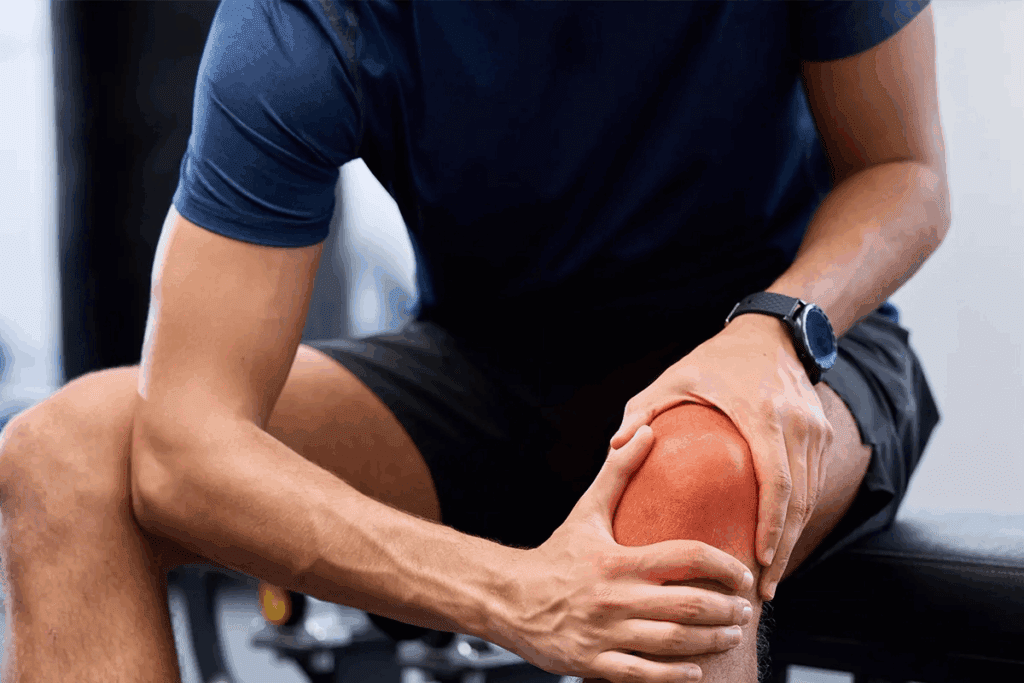
Osteoarthritis affects joint cartilage and mobility. It causes pain, swelling, and stiffness in joints. This happens when cartilage breaks down.
The Degenerative Process of Joint Cartilage
The joint cartilage in osteoarthritis wears down over time. This makes joints move less smoothly. It leads to pain and less mobility.
Most Commonly Affected Joints and Symptoms
The knees, hips, spine, and small hand joints are often hit. Symptoms include pain when moving, stiffness after rest, and swelling. These symptoms can make daily tasks hard.
Recognizing the symptoms and understanding the mechanisms of osteoarthritis are crucial. Early action can lessen its effects on life quality.
Primary Osteoarthritis Risk Factors: An Overview
Osteoarthritis risk is influenced by many factors. Some can be changed, while others can’t. Knowing these factors helps in preventing and managing the disease.
Modifiable vs. Non-Modifiable Risk Factors
Osteoarthritis risk factors fall into two groups: modifiable and non-modifiable. Non-modifiable risk factors like age, genetics, and family history can’t be changed. Modifiable risk factors such as obesity, joint injuries, and certain jobs can be managed through lifestyle changes.
- Obesity: Being overweight puts more stress on joints, speeding up cartilage wear.
- Joint Injuries: Trauma can start the degenerative process leading to osteoarthritis.
- Occupational Hazards: Jobs that involve repetitive strain or heavy lifting can harm joints.
How Risk Factors Compound Over Time
Having multiple risk factors increases the chance of getting osteoarthritis. For example, someone with a family history of osteoarthritis, obesity, and a joint injury is at higher risk. Knowing how these factors add up helps in creating effective prevention plans.
- Genetic predisposition and obesity together raise the risk a lot.
- Previous joint injuries can speed up degeneration, even with other risk factors.
By understanding and tackling these risk factors, people can lower their chance of getting osteoarthritis. This includes keeping a healthy weight, avoiding injuries, and managing job-related hazards.
Age-Related Osteoarthritis: Why Older Adults Are Most Affected

Older adults face a higher risk of osteoarthritis due to aging. As people get older, their joints undergo changes that can lead to osteoarthritis.
Aging leads to the breakdown of cartilage in joints.
Aging leads to the breakdown of cartilage in joints. Cartilage osteoarthritis results from this breakdown, causing pain and stiffness. Several factors contribute to this deterioration, including:
- Reduced chondrocyte function and density
- Accumulation of advanced glycosylation end-products (AGEs)
- Decreased water content and changes in the composition of cartilage
These changes weaken the cartilage, making older adults more likely to develop age osteoarthritis.
Typical Age of Onset for Different Joint Types
The age when osteoarthritis starts varies by joint. Research shows that:
| Joint Type | Typical Age of Onset |
| Knees | 50-60 years |
| Hips | 55-65 years |
| Hands | 40-50 years (more common in women) |
The table shows that the risk of osteoarthritis in these joints grows with age. Older adults osteoarthritis is a big concern, with a sharp increase after 55.
“The aging population is a major driver of the increasing prevalence of osteoarthritis, highlighting the need for targeted interventions to mitigate age-related joint deterioration.”
In conclusion, aging is a key factor in osteoarthritis, mainly in older adults. Knowing how joints change with age helps in finding ways to prevent or manage cartilage osteoarthritis.
Gender Disparities: Women’s Higher Osteoarthritis Burden
Osteoarthritis hits women more often than men, mainly after menopause. This is due to hormonal and anatomical factors. It shows that gender-specific traits are key in the disease’s development and growth.
Hormonal Influences on Joint Health and Deterioration
Hormonal shifts, like the drop in estrogen at menopause, raise women’s osteoarthritis risk. Estrogen helps protect joints, and its drop can harm cartilage. Research suggests hormone replacement therapy (HRT) might lower osteoarthritis risk in postmenopausal women, but the proof is not solid.
“The loss of estrogen’s protective effects on joints during menopause may contribute to the higher incidence of osteoarthritis in women.”
Anatomical Differences Contributing to Female Susceptibility
Men and women have different body shapes, which affects osteoarthritis risk. Women have smaller joints and different joint setups. This uneven stress on joints, like in knees and hands, makes women more prone to osteoarthritis.
| Anatomical Feature | Men | Women |
| Joint Size | Larger | Smaller |
| Joint Alignment | Different | More prone to malalignment |
| Stress Distribution | More evenly distributed | More stress on certain areas |
Weight and Obesity: Critical Factors in Osteoarthritis Development
The link between weight and osteoarthritis is complex. It involves both mechanical and metabolic factors. Osteoarthritis, a degenerative joint disease, is heavily influenced by an individual’s weight, mainly in weight-bearing joints.
Mechanical Stress on Weight-Bearing Joints
Extra weight puts more stress on joints like the knees and hips. This stress speeds up cartilage wear and tear, leading to osteoarthritis. Studies show that each pound of extra weight adds several pounds of force on the knee joint, raising the risk of osteoarthritis.
A study in the Arthritis Care & Research journal found that losing weight can lower the risk of knee osteoarthritis. It showed that losing just 5% of body weight can slow down osteoarthritis progression.
Metabolic Effects of Obesity on Joint Inflammation
Obesity not only increases joint stress but also causes metabolic changes that lead to joint inflammation. Fat tissue releases pro-inflammatory cytokines, which are key in osteoarthritis development. These cytokines cause joint inflammation, worsening cartilage damage.
A study in Nature Reviews Rheumatology notes: “Obesity leads to chronic low-grade inflammation. This is due to adipokines and cytokines that harm joint health.”
“Obesity is associated with a state of chronic low-grade inflammation, which is mediated by adipokines and cytokines that can affect joint health.”
Nature Reviews Rheumatology
The metabolic effects of obesity on joint health are shown in the table below. It highlights the differences in joint health between obese and non-obese individuals.
| Characteristics | Obese Individuals | Non-Obese Individuals |
| Inflammatory Markers | High levels of pro-inflammatory cytokines | Lower levels of pro-inflammatory cytokines |
| Cartilage Health | Increased cartilage degradation | Better cartilage health |
| Joint Pain | Higher incidence of joint pain | Lower incidence of joint pain |
Joint Injuries and Athletic Activities
Sports-related joint injuries can lead to osteoarthritis. Athletes often face damage that goes beyond immediate pain. This can affect their joint health for years to come.
Post-Traumatic Osteoarthritis Progression
Post-traumatic osteoarthritis happens after a joint injury, like a fracture or sprain. It can cause fast and severe joint damage. Getting the right treatment for joint injuries is key to avoiding this condition.
The severity of the injury can predict the risk and severity of osteoarthritis. Knowing how injuries happen and using good rehab can lower the risk of long-term damage.
High-Impact Sports and Long-Term Joint Health
High-impact sports raise the risk of joint injuries and osteoarthritis. Athletes in sports like football, basketball, and soccer are at higher risk because of the intense nature of these activities.
While exercise is good for joints, high-impact sports can be harmful without proper care. Using preventive measures, like strengthening exercises and the right gear, can help avoid injuries and osteoarthritis.
Genetic Predisposition and Family History
Research shows that genetics and family history play big roles in getting osteoarthritis. This disease affects joints and is caused by genes and the environment.
Hereditary Patterns in Osteoarthritis Development
People with a family history of osteoarthritis are more likely to get it. Hereditary patterns are key, with certain genes passed down, raising the risk of joint damage.
If your parents or grandparents had osteoarthritis, you might be at higher risk. Knowing about hereditary patterns can help spot the disease early. This could lead to better management.
Specific Genetic Markers Associated with Joint Deterioration
Research found specific genetic markers linked to osteoarthritis risk. These markers help control cartilage and bone health. Changes in these genes can make joints more likely to wear down.
For example, genes in the collagen production pathway are connected to osteoarthritis. Changes in these genes can weaken cartilage, making it more likely to break down.
Learning about osteoarthritis’s genetic roots can improve diagnosis and treatment. It could lead to therapies that target the disease’s causes.
Occupational Hazards and Lifestyle Contributions to Osteoarthritis
Some jobs and lifestyle choices can increase the risk of osteoarthritis. People in certain jobs face a higher risk because of the stress on their joints. This stress comes from doing the same thing over and over again.
High-Risk Professions and Repetitive Joint Stress
Jobs that involve a lot of movement, heavy lifting, or standing for long periods can raise the risk. Construction, manufacturing, and healthcare workers often face this problem. Repetitive joint stress can damage the cartilage, speeding up the wear and tear.
Sedentary Lifestyle vs. Excessive Joint Loading
Not being active can also lead to osteoarthritis. It can make muscles weak and joints less mobile. But, doing too much activity or being overweight can also harm joints. Finding a balance between activity and rest is key to keeping joints healthy.
Staying at a healthy weight, doing moderate exercise, and avoiding injuries can lower the risk of osteoarthritis. It’s important for people, and those in risky jobs, to know this and take steps to prevent it.
Conclusion: Reducing Your Osteoarthritis Risk
Knowing the risks of osteoarthritis is key to preventing it. Age, gender, weight, and injuries can all play a part. So does genetics and work-related hazards.
Managing health conditions and living a healthy lifestyle can help. Early action and good management can slow the disease. This lets people stay active and healthy.
Keeping a balanced lifestyle is important. Eating well and exercising regularly can lower your risk. It’s also vital to watch out for jobs and sports that might harm your joints.
To lower your risk of osteoarthritis, you need to know the risks and take steps to avoid them. This way, you can keep your joints healthy and reduce your chances of getting the disease.
FAQ
What is osteoarthritis and how does it affect the body?
Osteoarthritis is a disease where cartilage breaks down. This leads to pain, stiffness, and less mobility. It mainly affects joints like the knees and hips.
What are the primary risk factors for developing osteoarthritis?
Risk factors include age, gender, and obesity. Joint injuries, genetics, and lifestyle also play a role. This includes repetitive stress and excessive loading on joints.
How does age affect the likelihood of developing osteoarthritis?
As we get older, our cartilage wears down. This makes older adults more likely to get osteoarthritis. It often starts in the 40s and 50s for knees, and a bit later for hips.
Why are women more likely to develop osteoarthritis than men?
Hormones and joint health are influenced by gender. Women have wider pelvises, affecting joint alignment. They also might have certain genetic markers more often.
How does obesity contribute to the development of osteoarthritis?
Obesity puts extra stress on joints and causes inflammation. Keeping a healthy weight is key to reducing osteoarthritis risk.
Can joint injuries and athletic activities increase the risk of osteoarthritis?
Yes, injuries and high-impact sports can lead to osteoarthritis. They can also speed up joint wear and tear.
Is there a genetic component to osteoarthritis?
Yes, genetics play a big role in osteoarthritis. Certain genes increase the risk of joint damage and osteoarthritis.
How do occupational hazards and lifestyle factors contribute to osteoarthritis?
Jobs with repetitive stress and a sedentary lifestyle can cause osteoarthritis. So can too much physical activity. These factors can worsen joint health.
Can osteoarthritis be prevented or its progression slowed?
Some risk factors can’t be changed, but a healthy weight and right exercise can help. Avoiding joint stress and managing injuries also slow osteoarthritis.
What are the most commonly affected joints in osteoarthritis?
Knees and hips are most often affected. But hands and spine can also be impacted, depending on risk factors and individual cases
.
References
- Xie, X., Zhang, K., Li, Y., Li, Y., Li, X., Lin, Y., Huang, L., & Tian, G. (2024). Global, regional, and national burden of osteoarthritis in 1990–2021: a systematic analysis of the Global Burden of Disease Study 2021. BMC Musculoskeletal Disorders, 25, Article 1222. https://bmcmusculoskeletdisord.biomedcentral.com/articles/10.1186/s12891-024-08122-5