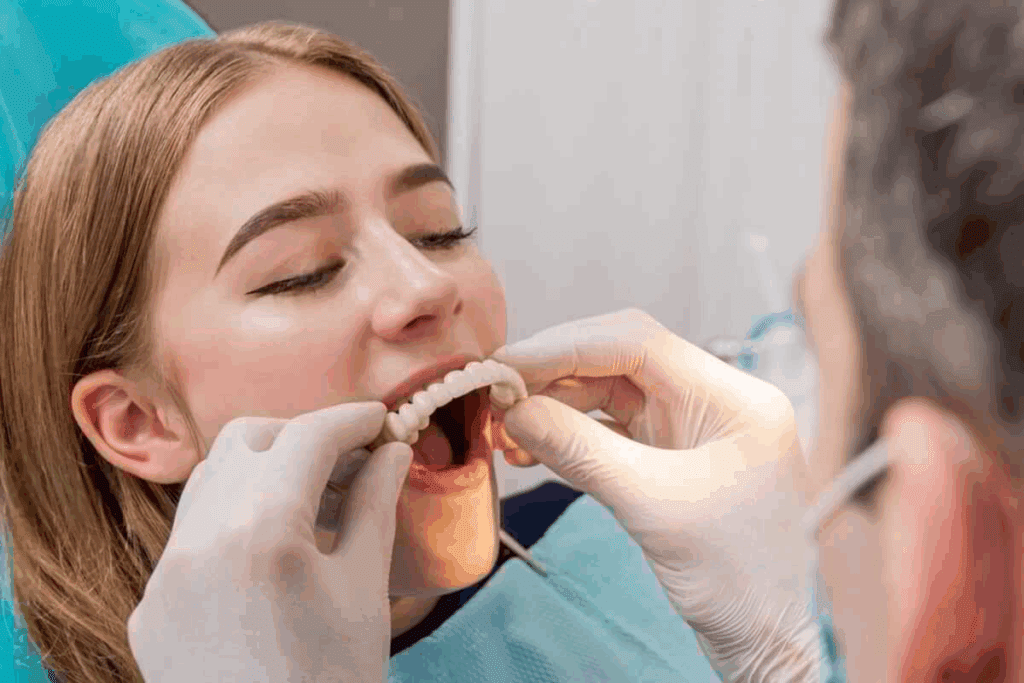
A full mouth restoration is a major dental makeover. It can make your smile and oral health better again. This is after years of wear, damage, or missing teethwhole mouth restorationHow to Prepare for Bone Graft Mouth Surgery: Step-by-Step Dental Guide.
At Liv Hospital, we know how bad bad teeth can make you feel. Our full mouth makeover uses top tech and international skills. We aim to fix your smile and health.
This comprehensive guide will show you how full mouth restoration works. You’ll learn its benefits and what to expect during treatment.
Key Takeaways
- Full mouth restoration is a complete fix for many dental problems.
- Our method mixes global expertise with the newest tech.
- A full mouth makeover boosts your oral health and confidence.
- The treatment is made just for you, based on your needs and goals.
- We offer caring and personalized care every step of the way.
Understanding Whole Mouth Restoration

Restoring your mouth fully means fixing every tooth and gum. This detailed process is called whole mouth restoration. It looks at each tooth, gum, and tissue in your mouth.
Definition and Scope of Full Mouth Rehabilitation
Full-mouth rehabilitation, or full-mouth reconstruction, aims to fix your mouth’s health and look. It combines many treatments to make your smile look good and work well.
What treatments you need can vary a lot. It might include:
- Dental implants
- Crowns and bridges
- Veneers
- Periodontal therapy
- Orthodontic treatment
Difference Between Restoration and Cosmetic Dentistry
Restoration and cosmetic dentistry both aim to improve your teeth. But they do it in different ways. Restoration fixes teeth to make them work and look right. Cosmetic dentistry makes your teeth look better.
Whole mouth restoration often uses both types of dentistry. For example, implants fix missing teeth, and veneers make front teeth look better.
The Interdisciplinary Approach to Dental Restoration
Fixing your mouth fully often needs a team of dental experts. This team might include:
- Prosthodontists, who fix and replace teeth
- Periodontists, who treat gum disease and place implants
- Orthodontists, who align teeth and fix bites
- Cosmetic dentists, who make your smile look great
This team works together to make sure your mouth is fixed right. They create a plan that meets your needs and wants.
Signs You May Need a Full Mouth Restoration
There are several signs that show you might need a full mouth restoration. Dental problems often come together, like extensive decay, muscle pain, and tooth loss. These issues can happen if you don’t take care of your teeth regularly.
Severe Tooth Damage or Multiple Missing Teeth
Severe tooth damage or losing many teeth is a clear sign you might need a full mouth restoration. Tooth decay, trauma, or genetic conditions can cause this. It makes it hard to chew and speak right.
For example, losing many teeth can make eating and speaking hard. This can really affect your life. A full mouth restoration can help, using dental implants, crowns, or dentures.
Chronic Pain and Functional Issues
Chronic pain in your jaw, teeth, or gums is a big sign you might need a full mouth restoration. This pain can come from TMJ disorders, grinding, or clenching. Also, if chewing or biting is hard, you might need dental work.
“The relationship between dental health and overall well-being is complex. Chronic pain can be a sign of dental issues that need quick attention.”
Advanced Periodontal Disease
Advanced periodontal disease is another big sign you might need a full mouth restoration. This disease causes a lot of bone and tissue loss around your teeth. If not treated, it can lead to losing your teeth.
A full mouth restoration can fix this with periodontal treatments. This might include surgery to repair gum tissue and bone.
Malocclusion and Bite Problems
Malocclusion, or a bad bite, can cause many problems. It can affect how you look and how you chew. A full mouth restoration can fix these issues with orthodontic treatments or restorative work like crowns and veneers.
| Signs | Possible Causes | Restoration Options |
|---|---|---|
| Severe Tooth Damage | Decay, Trauma | Crowns, Veneers |
| Multiple Missing Teeth | Periodontal Disease, Genetics | Dental Implants, Dentures |
| Chronic Pain | TMJ Disorders, Grinding | TMJ Therapy, Night Guards |
Components of a Complete Dental Restoration
A complete dental restoration includes many parts working together for a healthy smile. We know that full mouth reconstructions need a custom plan. This plan combines different treatments for each patient’s unique needs.
Periodontal Treatments
Periodontal treatments are key for gum and tooth support health. Periodontal therapy includes scaling, root planing, and gum grafting. These help treat gum disease and prevent more problems.
Fixing gum issues first helps other treatments work better. This ensures the restoration lasts long.
Restorative Procedures
Restorative procedures fix or replace damaged or missing teeth. Options include dental implants, crowns, bridges, and dentures. Each is designed to improve function and look of the smile.
The right procedure depends on the patient’s needs and the restoration’s extent. We help patients choose the best treatment plan.
Orthodontic Interventions
Orthodontic treatments are vital in full mouth reconstructions. They align teeth and improve the bite. Orthodontic treatment prepares teeth for other restorations, leading to better results.
Orthodontics combined with other treatments creates a more balanced and functional smile.
Cosmetic Enhancements
Cosmetic enhancements are the last step in a dental restoration. They focus on the smile’s look. Treatments like veneers and teeth whitening enhance tooth appearance, boosting confidence.
We listen to patients’ aesthetic goals. Then, we create a plan for a beautiful, natural smile.
The Full Mouth Restoration Process: Step by Step
Getting a new smile is a journey with many steps. Full mouth restoration is complex and needs careful planning. We help our patients know what to expect at each step.
Initial Consultation and Comprehensive Examination
The first step is a consultation and exam. We check the patient’s oral health and talk about their goals. This includes looking at their dental and medical history, X-rays, and sometimes 3D imaging.
Key components of the initial consultation include:
- Comprehensive medical and dental history review
- Thorough oral examination
- Discussion of patient concerns and goals
- X-rays and potentially 3D imaging
Diagnostic Records and Treatment Planning
Next, we make detailed records for a personalized plan. We use digital impressions and 3D imaging for accurate models.
“Accurate diagnosis is the foundation of successful full mouth restoration. By utilizing advanced diagnostic tools, we can create a precise treatment plan tailored to each patient’s unique needs.”
Our planning involves:
| Diagnostic Tool | Purpose |
|---|---|
| Digital Impressions | Accurate modeling of the patient’s mouth |
| 3D Imaging | Detailed visualization of dental structure |
| X-rays | Assessment of bone density and dental health |
Phased Treatment Implementation
Full mouth restoration is often done in phases. This makes the treatment easier to manage. It lets the patient heal between steps and keeps the treatment on track.
The phases include periodontal treatment, restorations, orthodontics, and cosmetic work. Staging the treatment helps us track progress and make changes if needed.
Final Adjustments and Refinements
The last step is making any final adjustments. We make sure the bite is right and the restorations work well. We also check if the patient’s aesthetic goals are met.
In this phase, we teach patients how to care for their new smile. This helps ensure long-term success and happiness.
Treatment Options and Techniques
Getting a complete smile makeover through full mouth restoration involves many steps. Each patient’s needs are different, and we tailor our approach to meet those needs.
Full mouth restoration is a detailed process that might include several dental procedures. The treatments chosen depend on the patient’s condition, oral health, and what they want to achieve.
Dental Implants for Missing Teeth
Dental implants are a key part of modern dentistry. They offer a solid base for artificial teeth, improving both function and looks.
Implants are great for people with many missing teeth. They can support single crowns or full dentures.
Crowns, Bridges, and Veneers
Crowns, bridges, and veneers are used in full mouth restoration. Crowns cover damaged teeth, while bridges fill gaps. Veneers are thin layers placed over teeth to enhance their look.
These treatments can be used alone or together. For example, crowns can support bridges, and veneers can make the smile look better.
Dentures and Overdentures
Dentures are removable appliances that replace missing teeth. They restore chewing function and look. Overdentures are supported by natural teeth or implants, making them more stable.
Both types of dentures can be customized to fit individual needs. They offer a comfortable and natural-looking solution for tooth loss.
Minimally Invasive Techniques
Minimally invasive techniques are becoming more popular in full mouth restoration. They offer benefits like less recovery time and preserving natural tooth structure. These techniques use advanced materials and technologies.
Examples include ceramic veneers and composite resin restorations. These can be applied with minimal tooth preparation.
| Treatment Option | Description | Benefits |
|---|---|---|
| Dental Implants | Artificial tooth roots supporting dental restorations | Enhanced stability, natural feel, and aesthetics |
| Crowns and Bridges | Restorations covering damaged or missing teeth | Improved function, durability, and appearance |
| Veneers | Thin layers improving the front of teeth | Enhanced aesthetics, minimal tooth preparation |
| Dentures and Overdentures | Removable appliances replacing missing teeth | Restored chewing function, improved aesthetics |
Modern Technologies in Full Mouth Reconstruction
Modern technologies are changing full mouth reconstruction. They make the process better and the results more impressive. These new tools help dentists make more accurate diagnoses and create personalized plans. They also make procedures more efficient.
Digital Smile Design
Digital Smile Design (DSD) is a game-changer in dentistry. It lets dentists show patients what their smile will look like before it’s done. Using detailed images and precise measurements, DSD helps dentists and patients work together. This way, they can achieve the perfect look and function.
Key benefits of DSD include:
- Enhanced patient-dentist communication
- Predictable outcomes
- Customized treatment plans
3D Imaging and Treatment Planning
3D imaging has made diagnosing and planning treatments much better. It gives dentists a clear, three-dimensional view of the patient’s mouth. This helps them plan treatments more accurately.
The advantages of 3D imaging include:
- More accurate diagnoses
- Detailed treatment planning
- Reduced need for exploratory surgeries
CAD/CAM Restorations
CAD/CAM technology is used to make dental restorations with great precision. It ensures that things like crowns, bridges, and veneers fit perfectly and look great.
Laser Dentistry Applications
Laser dentistry is a big help in full mouth reconstruction. It offers gentle solutions for many dental needs. Lasers can be used for soft tissue work, making some surgeries unnecessary.
These modern technologies have greatly improved full mouth reconstruction. The table below shows the benefits of these technologies:
| Technology | Benefits |
|---|---|
| Digital Smile Design | Enhanced patient communication, predictable outcomes, customized plans |
| 3D Imaging | Accurate diagnoses, detailed planning, fewer exploratory surgeries |
| CAD/CAM Restorations | Precise restorations, improved aesthetics, better fit |
| Laser Dentistry | Minimally invasive, reduced recovery time, less discomfort |
Choosing the Right Full Mouth Restoration Dentist
Finding the right dentist for your full mouth restoration is important. In Burton, MI, the right dentist can make a big difference. They help you get lasting results.
Qualifications and Specializations to Look For
When looking for a dentist, check their qualifications and specializations. Find a dentist with advanced training in restorative dentistry and experience with complex cases. Being part of professional organizations, like the American Academy of Restorative Dentistry, shows their expertise.
Also, look for a dentist who specializes in areas like periodontics, prosthodontics, or cosmetic dentistry. A dentist with many skills can offer a better treatment plan.
Questions to Ask During Consultation
The first meeting is key to see if the dentist is right for you. Make a list of questions to ask, such as:
- What experience do you have with full mouth restorations?
- Can you show me before and after photos of your work?
- What treatment options do you suggest for me?
- How will you make sure the treatment is comfortable and meets my expectations?
Listen to how the dentist responds to your concerns and explains the treatment.
Reviewing Before and After Cases
Looking at before and after cases helps you understand the dentist’s skill and taste. Ask to see cases like yours to see what your treatment might look like. Look at the quality of the work and how much the patient’s smile improved.
The Importance of a Multidisciplinary Team
Full mouth restorations often need a team effort. This includes dentists, periodontists, orthodontists, and oral surgeons. A team working together makes sure all parts of your oral health are taken care of. This leads to a better and more complete treatment.
By looking at these factors, you can choose the best dentist for your full mouth restoration. This ensures you get the best care for your needs.
Cost Considerations for Whole Mouth Restoration
Understanding the costs and financing options for total mouth reconstruction is key. The cost can vary a lot. This depends on how much work is needed and the materials used.
Factors Influencing Full Mouth Restoration Costs
Several factors affect the cost of full mouth restoration. These include:
- The extent of the dental work required, including the number of teeth that need to be restored or replaced.
- The type of materials used for restorations, such as porcelain, ceramic, or composite.
- The complexity of the procedures involved, including any necessary extractions, bone grafts, or implant placements.
- The expertise and fees of the dental professionals involved in the treatment.
The more complex the case, the higher the cost due to the increased time, skill, and materials required.
Insurance Coverage and Financing Options
It’s important to know about insurance coverage and financing options for whole mouth restoration. Many dental insurance plans cover some of the costs. But, the amount covered can vary a lot.
We suggest that patients check their insurance policies carefully. They should also talk to both their insurance provider and our office. This helps understand what is covered and what they might have to pay out of pocket.
For many, financing options can help make the cost more manageable. These include payment plans, dental financing programs, or third-party financing options.
Cost-Benefit Analysis of Different Materials
The choice of materials for restorations can affect the cost. More expensive materials like porcelain or ceramic have a higher upfront cost. But, they often last longer and look better.
| Material | Cost | Durability | Aesthetic Appeal |
|---|---|---|---|
| Porcelain | High | High | Excellent |
| Ceramic | High | High | Excellent |
| Composite | Moderate | Moderate | Good |
Long-term Value of Quality Restoration
Choosing quality restoration can have long-term benefits. It can improve your oral health, look, and confidence. The initial cost may be higher, but quality restorations last longer. This can save money in the long run.
We believe the long-term benefits of quality restoration are worth the initial cost. It’s a good investment in your oral health and overall well-being.
Recovery and Aftercare
Knowing what to expect during recovery is key to a successful full mouth restoration. The healing time depends on the complexity of your procedures.
What to Expect During Healing Periods
You might feel some discomfort, swelling, or sensitivity during healing. These are normal and usually go away in a few days. We suggest eating soft foods and keeping your mouth clean to help heal faster.
- Rest for the remainder of the day after your procedure.
- Avoid strenuous activities for a few days.
- Use ice packs to reduce swelling.
Dietary Considerations
Start with a soft-food diet during the initial healing period. Include foods like yogurt, scrambled eggs, and mashed potatoes. As you get better, you can add more solid foods to your diet.
Foods to Avoid:
- Hard or crunchy foods
- Spicy or acidic foods
- Sticky foods
Pain Management and Complications
Managing pain is important during recovery. We’ll give you tips on how to handle pain and discomfort. It’s important to follow these instructions to avoid complications.
Contact us immediately if you experience severe pain, excessive bleeding, or signs of infection.
Follow-up Appointments
Follow-up appointments are key to check on your recovery. These visits let us see how you’re healing, answer any questions, and make any needed changes.
By following our aftercare tips and attending follow-up appointments, you can have a smooth recovery from your full mouth restoration.
Long-term Maintenance of Your Full Mouth Restoration
To keep your smile looking great, a good maintenance plan is key. Proper long-term care helps your full mouth restoration last longer. It also keeps your mouth healthy.
Daily Care Routine
Having a strict daily care routine is important. Brush your teeth twice a day with fluoride toothpaste. Clean between your teeth once a day with floss or interdental brushes.
If you have dental implants, use an interdental brush or water flosser. Using antibacterial mouthwash can also help prevent infections. Try not to use your teeth as tools and avoid hard objects.
Regular Professional Maintenance
Regular dental visits are key to keeping your dental work in top shape. We suggest going every six months. Or more often if your dentist says so.
Your dentist will clean your teeth and check your restorations during these visits. They can make any needed adjustments. This helps catch problems early.
Signs of Potencial Problems
Knowing the signs of problems can help you act fast. Look out for sensitivity, pain, or discomfort. Also, watch for changes in how your restorations fit or feel.
If you notice any of these, call your dentist right away. They can check things out and help you.
Expected Lifespan of Different Restorations
The life of your full mouth restoration parts can vary. It depends on the materials, how well you care for them, and more. Dental implants can last decades. But veneers and crowns might need to be replaced in 10 to 20 years.
Knowing how long your restorations should last helps you plan. It prepares you for future dental needs and care.
Conclusion: Embracing Your New Smile
A full mouth restoration changes your life for the better. It boosts your health, comfort, and confidence. This guide has shown how it works, using many dental specialties for a perfect smile.
Knowing when you need a full mouth makeover helps. It’s about more than looks. It’s about getting your health back and living better.
If you’re thinking about a full mouth restoration, take action. Find a skilled dentist to help you. With good care, your new smile will last, making you look and feel great.
FAQ
What is full mouth restoration?
Full mouth restoration is a detailed dental treatment. It aims to fix the health, function, and look of your entire mouth. This includes your teeth, gums, and how your teeth bite together.
How long does a full mouth restoration take?
The time needed for a full mouth restoration varies. It depends on how complex your case is, how many procedures you need, and your current oral health. It can take from several months to over a year.
What are the benefits of full mouth restoration?
Full mouth restoration offers many benefits. It improves your oral health and makes your smile look better. It also boosts your confidence and makes eating and speaking more comfortable. Plus, it can help reduce chronic pain and other dental-related symptoms.
Is full mouth restoration painful?
Some discomfort is normal during treatment. But we use many ways to make you comfortable. This includes local anesthesia, sedation dentistry, and pain medicines.
How much does full mouth restoration cost?
The cost of full mouth restoration varies a lot. It depends on your specific needs, how complex your case is, and the materials used. We’ll discuss insurance, financing, and the cost of different materials during your consultation.
Can I get dental implants as part of my full mouth restoration?
Yes, dental implants are often part of full mouth restoration. They can replace missing teeth, support dentures, or hold other appliances in place.
How do I care for my full mouth restoration?
To keep your restoration in good shape, brush, floss, and rinse regularly. Also, don’t forget to see your dentist for check-ups and cleanings.
What are the signs that I need a full mouth restoration?
If you have severe tooth damage, many missing teeth, chronic pain, advanced gum disease, or bite problems, you might need a full mouth restoration.
Can I finance my full mouth restoration?
Yes, there are financing options to make full mouth restoration more affordable. We can talk about these during your consultation.
How do I choose the right dentist for my full mouth restoration?
Look for a dentist with the right qualifications and experience in full mouth restoration. Check their before and after work, ask questions, and see if they have a team of specialists.
References
National Center for Biotechnology Information. Evidence-Based Medical Guidance. Retrieved from https://pmc.ncbi.nlm.nih.gov/articles/PMC12208233/