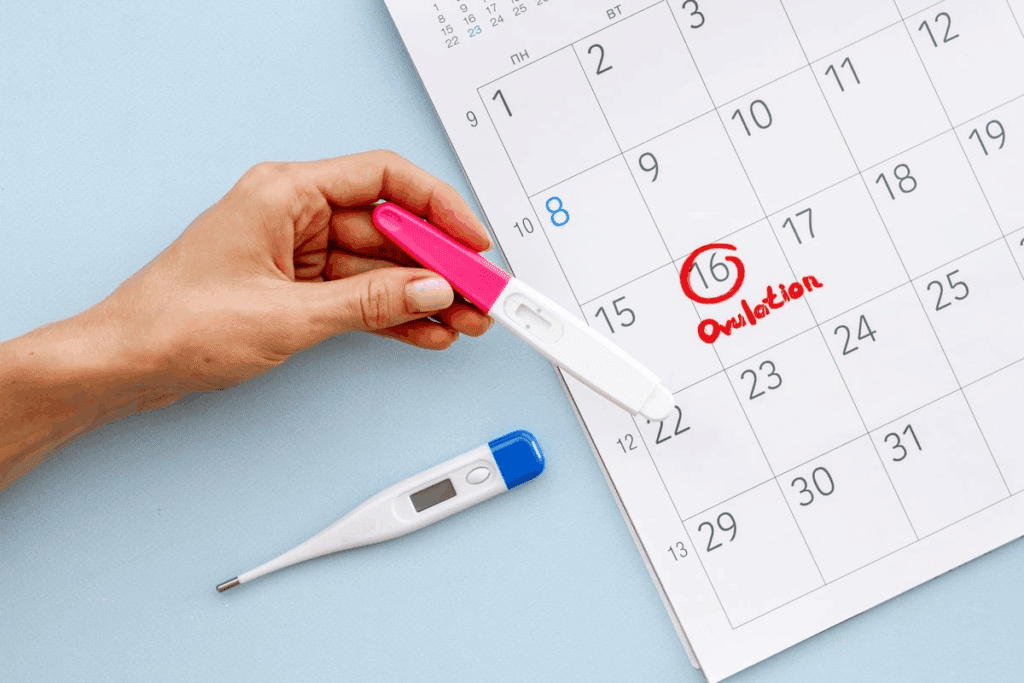
Missing a period or having irregular cycles can worry many women. They often wonder if they ovulated. Anovulation, or not ovulating, is a common issue. It affects about one-third of women during normal cycles. Explaining the temporary and chronic causes for why am i not ovulating this month.
At Liv Hospital, we get how worried women are about their reproductive health. Our team is here to help. We offer caring, detailed checks to find out why you’re not ovulating. Then, we create a treatment plan just for you.
Key Takeaways
- Anovulation is a common condition that affects many women.
- Approximately one-third of women experience anovulation during normal menstrual cycles.
- Understanding the causes of anovulation is key to effective treatment.
- Liv Hospital offers detailed evaluations and tailored treatment plans.
- It’s important to talk to a healthcare professional about reproductive health concerns.
Understanding the Ovulation Process
Ovulation is a key part of a woman’s cycle, controlled by hormones. To know why ovulation might not happen, we need to understand how it usually does.
The Normal Menstrual Cycle Timeline
A normal cycle lasts 28 to 32 days. Ovulation happens around day 14. The cycle has two parts: the follicular phase before ovulation and the luteal phase after.
In the follicular phase, the pituitary gland releases follicle-stimulating hormone (FSH). This hormone helps the ovaries grow follicles. One follicle will release an egg.
Hormones That Control Ovulation
Hormones control ovulation. The hypothalamus makes gonadotropin-releasing hormone (GnRH). This hormone tells the pituitary gland to release FSH and luteinizing hormone (LH). LH causes the egg to be released.
Estrogen and progesterone are also important. Estrogen goes up before ovulation, making the uterine lining thick. Progesterone goes up after ovulation, getting the uterus ready for a baby.
What Happens During Successful Ovulation
When ovulation is successful, the egg goes into the fallopian tube. There, it can be fertilized by sperm. The follicle that released the egg turns into the corpus luteum, making progesterone.
If the egg is fertilized, it implants in the uterine lining. The corpus luteum keeps making progesterone until the placenta takes over. If it’s not fertilized, the corpus luteum breaks down, and menstruation starts.
How Common Is Anovulation?

Anovulation affects many women, making it hard for them to get pregnant. It happens when the ovaries don’t release an egg during a cycle. Knowing how common anovulation is helps women trying to conceive and doctors to help them.
Statistics on Occasional Anovulation
Even women with regular periods can have occasional anovulation. About one-third of women with normal cycles don’t ovulate sometimes. This means they might not get pregnant even when they have periods.
Chronic Anovulation Prevalence
Chronic anovulation is rarer but more serious for fertility. Around 6-12% of women of childbearing age have it. It’s often linked to hormonal problems or other health issues.
Impact on Fertility Rates
Anovulation, whether it’s occasional or chronic, greatly affects fertility. Without an egg, getting pregnant is impossible. This makes anovulation a big reason for infertility in women.
To understand anovulation’s effect on fertility, let’s look at some numbers:
Condition | Prevalence | Impact on Fertility |
Occasional Anovulation | Approximately 33% of women | Reduced fertility due to irregular ovulation |
Chronic Anovulation | 6-12% of women of reproductive age | Significant reduction in fertility |
Knowing these stats is key for women trying to conceive and doctors to help. By understanding anovulation’s prevalence and effects, we can tackle fertility issues better.
Signs You Might Not Be Ovulating
Knowing the signs of anovulation is key for women trying to get pregnant or dealing with irregular cycles. Anovulation means no ovulation, and it can show in different ways. It’s important to spot these signs to understand if there’s a problem.
Changes in Menstrual Cycle Length or Flow
One big sign of anovulation is changes in your menstrual cycle. If your cycles are usually regular but now vary, it could be a sign. Also, if your period is heavier or lighter than usual, it might mean hormonal issues.
Absence of Ovulation Symptoms
Some women feel certain symptoms when they ovulate, like pain, more cervical mucus, or tender breasts. Not feeling these symptoms could mean you’re not ovulating. But, not all women notice these signs, so it’s not always clear.
Basal Body Temperature Patterns
Tracking your basal body temperature (BBT) can help spot ovulation. BBT usually goes up after ovulation because of progesterone. If you don’t ovulate, your BBT might not rise, showing a flat line. An odd BBT pattern, along with other signs, could mean you’re not ovulating.
Ovulation Predictor Kit Results
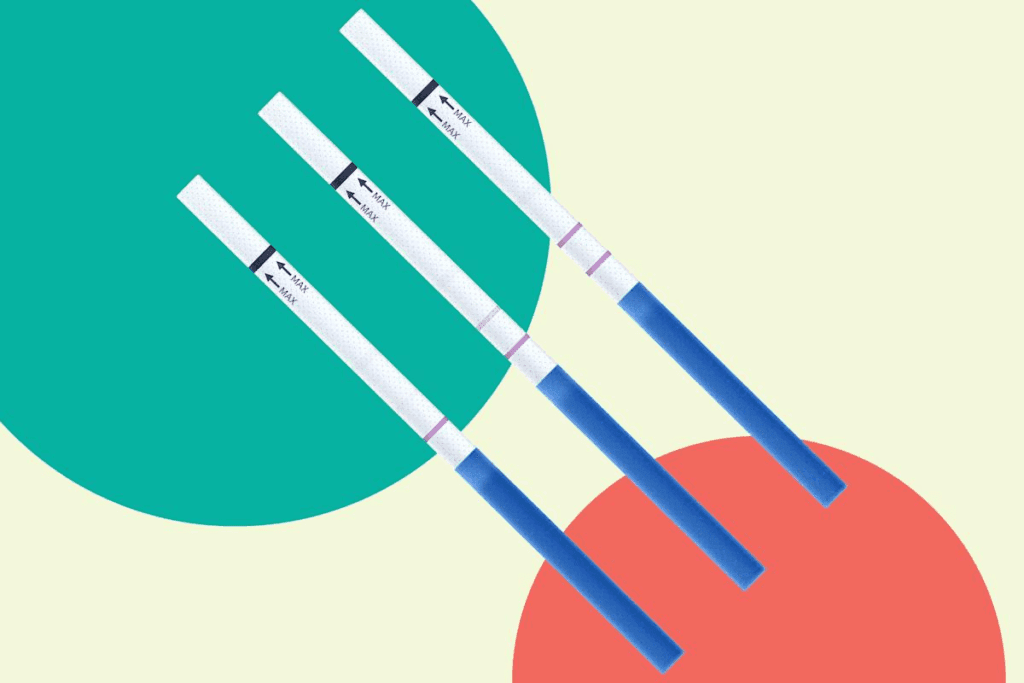
Ovulation predictor kits (OPKs) look for the LH surge before ovulation. If an OPK keeps showing negative results or misses the LH surge, it might mean you’re not ovulating. But, remember, OPKs can sometimes give false negatives.
By watching for these signs and tracking your cycle and symptoms, you can get a better feel for your ovulation. This way, you can spot any issues early on.
Why Am I Not Ovulating This Month? Common Temporary Causes
Many things can temporarily mess with ovulation, making cycles irregular. Knowing these factors helps women find out why they might not be ovulating. They can then take steps to get back to normal.
Stress and Emotional Factors
Stress can mess with the hormones needed for ovulation. High stress levels can affect the hypothalamus, the brain part that controls these hormones. Stress makes our body produce more cortisol, which can stop ovulation.
Emotional issues like anxiety or depression can also mess with ovulation. Women feeling stressed or emotionally down should try to manage their stress. This can be through exercise, meditation, or therapy.
Weight Fluctuations
Big changes in weight can mess with ovulation. Both gaining and losing weight can change hormone levels and ovulation. For women with PCOS, keeping a healthy weight is key to regular ovulation.
Eating well and exercising regularly can help with regular ovulation. Avoid extreme dieting or too much exercise, as they can harm ovulation too.
Travel and Time Zone Changes
Travel, and crossing time zones, can mess with our body’s clock and hormone levels. Jet lag can stop the right hormone release for ovulation, leading to irregular or no ovulation.
Travel’s effects on ovulation are usually short-term. But women who travel a lot may need to adjust their routines to keep their ovulation cycle regular.
Illness and Medications
Some illnesses, like fever or big stress, can stop ovulation. Chronic illnesses or infections can mess with hormone production and ovulation. Some medicines, like antidepressants, can also affect ovulation.
Women should talk to their doctor about their health and medicines if they’re not ovulating regularly.
Polycystic Ovary Syndrome (PCOS) and Anovulation
PCOS is a complex hormonal disorder that affects many women, often leading to anovulation. This condition is characterized by a group of symptoms related to hormonal imbalance, ovulation, and metabolism.
Disrupting Hormone Balance
PCOS disrupts the normal balance of hormones, which are key for ovulation. In women with PCOS, the hormonal imbalance can prevent the release of an egg from the ovary, leading to anovulation. This imbalance affects the levels of estrogen, progesterone, and testosterone, making it challenging for ovulation to occur regularly.
The hormonal disruption in PCOS also affects insulin production, leading to insulin resistance. Insulin resistance means the body’s cells don’t respond effectively to insulin, resulting in higher blood sugar levels. This condition is closely linked to the development of type 2 diabetes and metabolic syndrome.
Insulin Resistance and Testosterone Elevation
Insulin resistance is a common feature in many women with PCOS. High insulin levels can increase the production of androgens, such as testosterone. Elevated testosterone levels can disrupt ovulation and cause other symptoms like acne, excess hair growth, and male-pattern baldness.
The combination of insulin resistance and hormonal imbalance creates a cycle that can be challenging to break without proper treatment. Managing insulin resistance through lifestyle changes and medication can help improve ovulation and overall hormonal balance.
Common Symptoms Beyond Anovulation
While anovulation is a significant issue for many women with PCOS, it’s not the only symptom. Other common symptoms include:
- Irregular menstrual cycles or amenorrhea (absence of menstruation)
- Weight gain and obesity
- Acne and oily skin
- Excess hair growth on the face, chest, back, and buttocks
- Male-pattern baldness or thinning hair
- Fertility issues due to anovulation
Diagnosis Criteria and Testing
Diagnosing PCOS involves a combination of clinical evaluation, medical history, and diagnostic tests. The Rotterdam criteria are commonly used, requiring at least two of the following:
- Ovulatory dysfunction (anovulation or irregular ovulation)
- Clinical or biochemical signs of hyperandrogenism
- Polycystic ovaries on ultrasound
Testing may include blood tests to check hormone levels, insulin resistance, and glucose tolerance. Ultrasound imaging can help identify polycystic ovaries. A healthcare provider may also perform a physical exam to look for signs of hyperandrogenism and other symptoms associated with PCOS.
Thyroid Disorders and Their Impact on Ovulation
The thyroid gland is key to regulating ovulation. Disorders in this gland can greatly affect fertility. These issues affect hormone production, leading to irregular menstrual cycles.
Hypothyroidism Effects on Reproductive Hormones
Hypothyroidism means the thyroid gland doesn’t make enough hormones. This can upset the balance of reproductive hormones. This imbalance can mess with ovulation by changing the release of important hormones. Key effects include:
- Changes in menstrual cycle length and frequency
- Increased risk of anovulatory cycles
- Potential impact on the quality of eggs
It’s important to understand these effects to manage hypothyroidism and support fertility.
Hyperthyroidism and Menstrual Irregularities
Hyperthyroidism, where the thyroid makes too many hormones, can cause menstrual problems. The extra hormones can mess with the feedback loops between the hypothalamus, pituitary gland, and ovaries. This can change menstrual cycle patterns. Common symptoms include:
- Shorter or lighter menstrual periods
- Irregular ovulation or anovulation
- In some cases, heavier or more frequent bleeding
Managing hyperthyroidism is key to getting back to normal ovulation and menstrual regularity.
Testing and Treatment Approaches
Diagnosing thyroid disorders involves blood tests to check TSH and thyroid hormone levels. Once diagnosed, treatment can help manage the condition and improve ovulation. Treatment approaches may include:
- Medication to normalize thyroid hormone levels
- Lifestyle changes to support thyroid health
- Regular monitoring to adjust treatment as necessary
Understanding how thyroid disorders affect ovulation is key. By addressing these conditions, women can boost their chances of getting pregnant. It’s vital to work with healthcare providers to manage thyroid health and support fertility.
Other Hormonal Imbalances That Prevent Ovulation
Ovulation is a complex process that can be affected by various hormonal imbalances. These include those related to prolactin, cortisol, and sex hormones. These imbalances can disrupt the reproductive system, making it hard for women to conceive.
Elevated Prolactin Levels (Hyperprolactinemia)
Hyperprolactinemia is a condition where prolactin levels are too high. This hormone is produced by the pituitary gland. High levels can reduce the production of GnRH, FSH, and LH, which are needed for ovulation.
Causes of hyperprolactinemia include pituitary tumors, thyroid disorders, and certain medications. Symptoms include irregular menstrual cycles, spontaneous milk production, and infertility. Treatment may involve adjusting medications or surgery for tumors.
Cortisol Imbalances and Adrenal Issues
Cortisol is a hormone produced by the adrenal glands that helps the body handle stress. Chronic stress can cause cortisol imbalances. This can disrupt the HPA axis, affecting GnRH, FSH, and LH production and leading to ovulation disorders.
Adrenal issues like congenital adrenal hyperplasia (CAH) or Cushing’s syndrome can also affect ovulation. CAH is a genetic condition affecting adrenal hormone production. Cushing’s syndrome is caused by too much cortisol. Both can cause hormonal imbalances that prevent ovulation.
“The relationship between cortisol and reproductive hormones is complex, and chronic stress can have a significant impact on ovulation.”
Medical Expert, Endocrinologist
Estrogen and Progesterone Disruptions
Estrogen and progesterone are key sex hormones in the menstrual cycle and ovulation. Imbalances in these hormones can cause ovulation disorders. Estrogen dominance or deficiency can disrupt the feedback loop between the hypothalamus and pituitary gland, affecting LH and FSH secretion.
- Estrogen dominance can lead to irregular menstrual cycles and anovulation.
- Progesterone insufficiency can result in luteal phase defects, making it difficult to maintain a pregnancy.
- Polycystic ovary syndrome (PCOS) is often associated with estrogen and progesterone imbalances, contributing to anovulation.
Understanding and addressing these hormonal imbalances is key to restoring ovulation and improving fertility. A healthcare provider can help diagnose the cause and recommend treatment.
Age-Related Ovulation Changes
As women get older, their bodies change in ways that can affect how they ovulate. It’s important for women trying to get pregnant or worried about their health to understand these changes.
These changes can show up in different ways, like irregular periods and lower fertility. We’ll look at how perimenopause, primary ovarian insufficiency, and age affect fertility.
Perimenopause and Irregular Ovulation
Perimenopause is the time before menopause when hormone levels swing a lot. It can last for years and brings irregular periods and ovulation.
Women in perimenopause might see their periods get longer or shorter. It can also make it harder to get pregnant because ovulation is less predictable.
Primary Ovarian Insufficiency
Primary ovarian insufficiency (POI) happens when the ovaries stop working and hormone levels drop early, before 40. This can cause irregular or no ovulation.
POI is different from early menopause because women with it might sometimes ovulate and have periods. But, it’s hard to plan a family because ovulation is unpredictable.
Natural Age-Related Fertility Decline
A woman’s age is a big factor in her fertility. The quality and number of eggs decrease with age. By the mid-to-late 30s, getting pregnant becomes harder.
This decline not only makes it harder to conceive but also raises the risk of miscarriage and birth defects.
Age | Fertility Rate |
20-24 | High |
25-29 | Optimal |
30-34 | Gradual Decline |
35-39 | Significant Decline |
40-44 | Low |
“The decline in female fertility with age is a complex process involving both the quantity and quality of oocytes.”
Source: American Society for Reproductive Medicine
Nutrition, Exercise, and Lifestyle Factors Affecting Ovulation
Ovulation is key to female fertility and can be influenced by lifestyle choices. Our diet, exercise, and lifestyle play a big role in our reproductive health. We’ll look at how nutrition, exercise, and lifestyle factors affect ovulation.
Dietary Patterns That Support Ovulation
Eating well is vital for regular ovulation. Foods rich in nutrients support reproductive health. For example, whole foods like fruits, veggies, whole grains, and lean proteins help regulate ovulation.
Key nutrients include omega-3 fatty acids, vitamin D, and antioxidants. These promote hormonal balance and reproductive well-being.
It’s also key to avoid foods that can harm ovulation. Too much processed food, sugar, and unhealthy fats can cause insulin resistance and hormonal imbalances. A balanced diet can help avoid these risks.
Exercise: Finding the Right Balance
Exercise is important for ovulation. It helps maintain a healthy weight, reduces stress, and improves hormonal balance. But, too much exercise can harm ovulation.
- Moderate exercise, like brisk walking, cycling, or swimming, is recommended.
- At least 30 minutes of moderate-intensity exercise daily is beneficial.
- Limit high-intensity exercise to avoid negative impacts on ovulation.
Sleep Quality and Ovulation
Sleep quality is vital for reproductive health. Poor sleep can disrupt hormonal balances needed for ovulation. Good sleep hygiene supports ovulation.
Improving sleep quality includes:
- Keeping a consistent sleep schedule.
- Creating a restful sleep environment.
- Avoiding caffeine and electronic devices before bed.
Environmental Factors and Toxin Exposure
Environmental toxins and pollutants can affect ovulation. Chemicals in plastics, pesticides, and personal care products can mimic or interfere with hormones, disrupting ovulation.
To reduce exposure:
- Choose natural and organic personal care products.
- Avoid heating food in plastic containers.
- Use a water filter to reduce contaminants.
Diagnosing Anovulation: Tests and Procedures
To find out if you’re not ovulating, doctors use many tests and checks. It’s key to know why you might not be ovulating to treat it well.
At-Home Ovulation Tracking Methods
Many women start by tracking ovulation at home. They might use basal body temperature monitoring or ovulation predictor kits (OPKs). These tools help spot when ovulation might happen.
But, these methods aren’t perfect. Things like sleep and some medicines can mess with basal body temperature. And, OPKs might not always be right.
Blood Tests for Hormone Levels
Blood tests are very important for figuring out anovulation. They check levels of follicle-stimulating hormone (FSH), luteinizing hormone (LH), estrogen, and progesterone. Doctors use these tests to see if hormone levels are off.
For example, high FSH levels might mean your ovaries are failing early. An LH surge shows ovulation has happened. Doctors also check progesterone to see if ovulation has occurred.
Ultrasound and Other Medical Evaluations
Ultrasound examinations help doctors see if you’re ovulating. They use a transvaginal ultrasound to look at the ovaries. This can spot problems like PCOS, where many follicles grow but don’t release an egg.
Doctors also look at your medical history and do a physical exam. They want to find any health issues that might be causing anovulation.
Endometrial Biopsy
In some cases, doctors do an endometrial biopsy. They take a small piece of tissue from the uterine lining. This helps them see if you’re ovulating and if your hormones are balanced.
This test can show if you’re not making enough progesterone. This can affect your ability to ovulate and get pregnant.
Treatment Options for Restoring Ovulation
When ovulation doesn’t happen regularly, there are many ways to help. These methods are key for women facing fertility problems. The right treatment depends on why ovulation isn’t happening.
Lifestyle Modifications
Making lifestyle changes is often the first step. Dietary adjustments are important for ovulation. Eating a diet full of whole foods, fruits, and veggies helps keep a healthy weight and balance hormones.
Regular physical activity is also good. It helps lower stress and keeps a healthy BMI.
Stress management is key too. Meditation and yoga can help. High stress can mess with hormone levels needed for ovulation.
Medication Options
If lifestyle changes don’t work, medication might be needed. Clomiphene citrate is a common choice. It helps release hormones for ovulation. Letrozole is another option, used off-label for ovulation.
These meds are for women with PCOS or other anovulation causes. It’s important to watch ovulation with ultrasound and blood tests to make sure it’s working right.
Surgical Interventions When Necessary
In some cases, surgery is needed to help ovulation. For example, women with PCOS and ovarian cysts might get ovarian drilling. This surgery can help start ovulation.
Surgery is usually a last resort. It’s for when other treatments fail or there’s a physical issue.
Conclusion: When to Seek Medical Help
If you’re dealing with persistent anovulation, it’s important to get medical help. Anovulation can signal other health problems. Getting help early can greatly improve your treatment chances.
Think about how long you’ve had anovulation and any other symptoms. Women with irregular cycles or other reproductive issues should see a doctor. They can give you personalized advice on how to treat anovulation.
A doctor will do tests to find out why you’re not ovulating. They’ll then suggest the best treatment. This could be changing your lifestyle, taking medicine, or surgery.
Getting medical help is the first step to fixing anovulation and improving your reproductive health. Look for a healthcare provider who can give you the right care for your needs.
FAQ
Why don’t I ovulate every month?
Several reasons can stop you from ovulating every month. Stress, weight changes, and hormonal imbalances are common causes. Medical issues like PCOS or thyroid problems can also play a role.
What does it mean if I don’t ovulate?
Not ovulating means your ovaries don’t release an egg. This makes it hard to get pregnant. Hormonal imbalances, age, and lifestyle can cause it.
Can stress cause anovulation?
Yes, stress can mess with your hormones and stop ovulation. High stress levels can affect the hormone that controls ovulation.
How does PCOS affect ovulation?
PCOS disrupts ovulation by causing insulin resistance and hormonal imbalances. It leads to irregular periods, cysts, and fertility issues.
Can thyroid disorders impact ovulation?
Yes, thyroid problems can mess with ovulation. They affect the hormones that control menstrual cycles and ovulation.
How does age affect ovulation?
Age can make it harder to ovulate, mainly in perimenopause and primary ovarian insufficiency. As women get older, egg quality and quantity decrease.
Can lifestyle factors like diet and exercise affect ovulation?
Yes, diet, exercise, and sleep can influence ovulation. A balanced diet, moderate exercise, and good sleep support it. Extreme dieting, too much exercise, or poor sleep can disrupt it.
How is anovulation diagnosed?
Tests like basal body temperature tracking, ovulation predictor kits, and blood tests can diagnose anovulation. Ultrasound and endometrial biopsy are also used.
What are the treatment options for anovulation?
Treatment depends on the cause. Lifestyle changes, medication, or surgery might be needed. Medications like clomiphene citrate or letrozole can help. Losing weight or reducing stress can also aid.
When should I seek medical help for anovulation?
If you have irregular periods, trouble getting pregnant, or think you’re not ovulating, see a doctor. They can find the cause and suggest treatments.
References
World Health Organization. Anovulation: Common Causes of Absent Ovulation and Irregular Cycles. Retrieved from https://www.who.int/news-room/fact-sheets/detail/polycystic-ovary-syndrome