Bladder health is often ignored until it starts to cause problems. Identifying the warning signs of bladder dysfunction early can prevent serious issues. It’s important because bladder control problems are common, affecting more women and people over 50 — and many people often wonder why am I peeing so much when these symptoms appear.
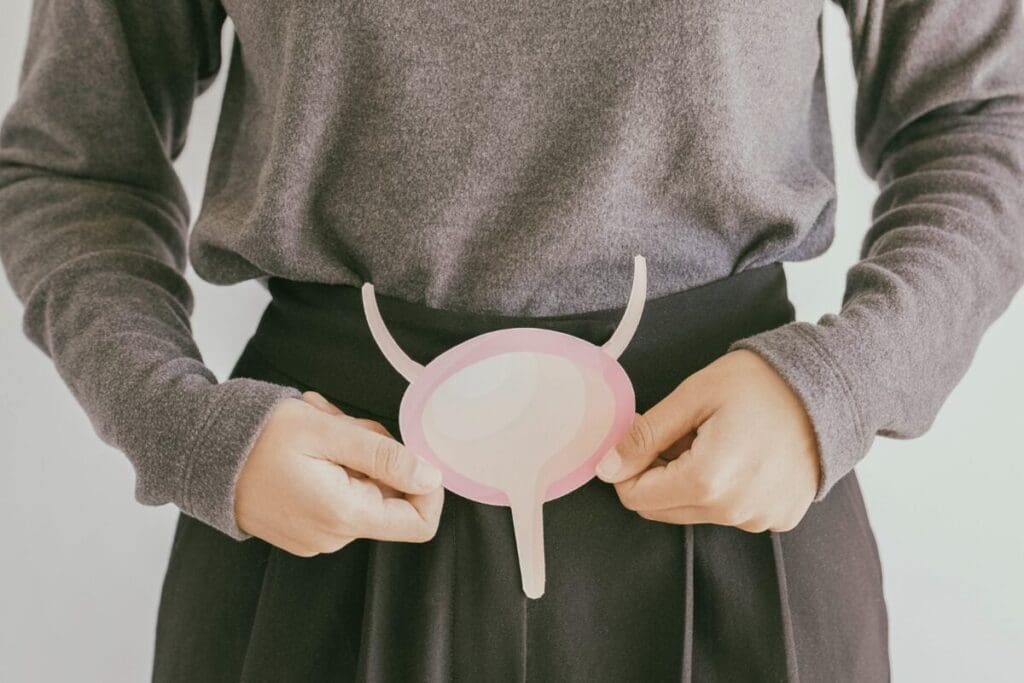
Spotting bladder problems early is key. Bladder issues can harm your health and quality of life. We aim to explain why early detection matters for your overall health.
Key Takeaways
- Bladder control problems are more common among females and people over 50 years of age.
- Early detection of bladder dysfunction is critical to avoid serious complications.
- Bladder problems can cause health and quality-of-life issues.
- Recognizing bladder dysfunction signs is vital for better well-being.
- Bladder health is often ignored until it affects daily life.
Understanding Your Bladder: Normal Function vs. Dysfunction
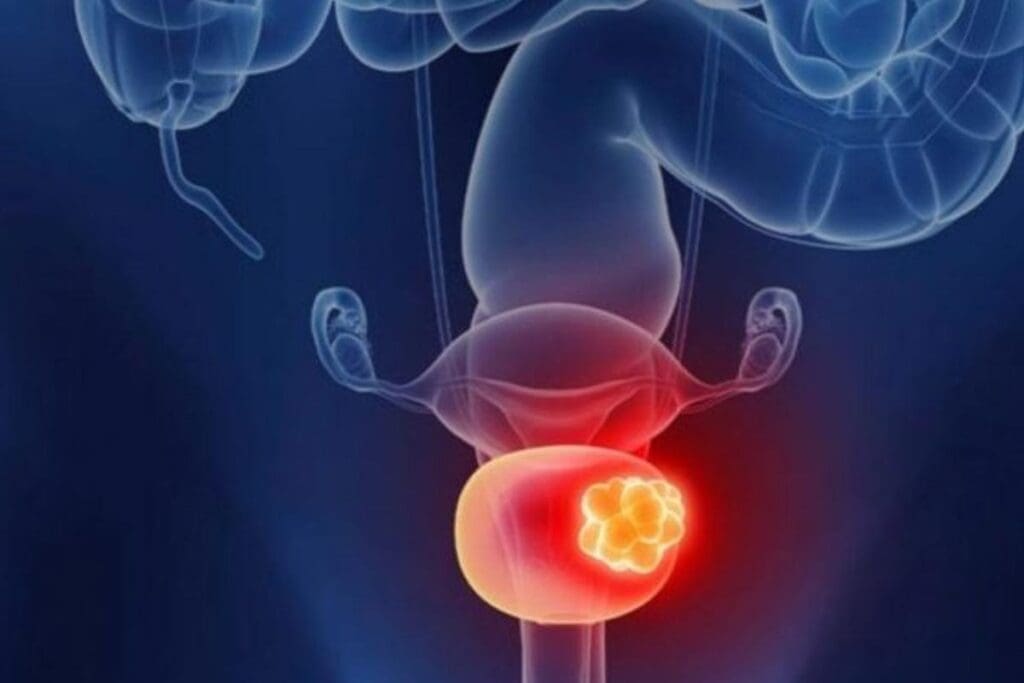
To understand bladder dysfunction, we must first know how a healthy bladder works. The urinary system includes the kidneys, ureters, bladder, and urethra. It helps remove waste from our body.
How a Healthy Bladder Works
A healthy bladder stores urine from the kidneys through the ureters. The kidneys filter waste and excess fluids to make urine. This urine then goes to the bladder.
When the bladder is full, urine is released through the urethra during urination.
When Bladder Function Goes Awry
Bladder dysfunction happens when this process is disrupted. This can cause frequent urination or trouble urinating. For example,frequent urination might signal a health issue.
Spotting the signs of bladder dysfunction is key to fixing problems. Knowing how our bladder should work helps us notice when it’s not right.
Common Signs That Something Is Wrong With Your Bladder
Knowing the signs of bladder problems is key to good health. The bladder plays a big role in our urinary system. Issues with it can show up in different ways.
A change in how often you need to pee is a big sign. This includes frequent urination or a sudden urge to pee.
Changes in Urination Frequency and Urgency
Feeling the need to pee a lot or urgently can disrupt your day. If you pee more than usual or feel a strong urge, it might mean something’s wrong. Medical sources say signs include leaking urine and trouble holding ithttps://www.medicalnewstoday.com/articles/70782.
Discomfort or Pain During Urination
Pain or discomfort while peeing is a big warning sign. It can be a mild burn or severe pain. Painful urination is not something to ignore. It could mean an infection or another serious problem.
Unusual Urine Appearance or Odor
Changes in urine color or smell can also point to bladder issues. If your pee looks cloudy, dark, or has blood, it’s a sign. A strong or odd smell can mean an infection or health problem. Noticing these changes early can help catch problems before they get worse.
Why Am I Peeing So Much? Understanding Frequent Urination
If you’re wondering, “Why am I peeing so much?” you’re not alone. Frequent urination can disrupt daily life. It causes discomfort and raises concerns about health issues.
Normal Causes of Increased Urination
Drinking more fluids is a common reason for needing to pee more. Drinking caffeine or alcohol can also increase urination. Some medicines, like diuretics, make you pee more too.
Pregnancy can also make women pee more often. This is because the growing uterus puts pressure on the bladder.
When Frequent Urination Signals a Problem
Frequent urination can sometimes be a sign of a health issue. Diabetes, for example, can make the body produce more urine. UTIs and an overactive bladder are other possible causes.
In men, an enlarged prostate can block urine flow. This leads to more frequent trips to the bathroom.
Gender Differences: Why Am I Peeing So Much Female vs. Male
Women are more likely to get UTIs, which can cause frequent urination. Men often experience urinary frequency due to prostate issues. Hormonal changes during menopause can also affect bladder control in women.
Understanding these gender differences is key to finding the cause of frequent urination. Knowing why you pee a lot is the first step to solving the problem.
Bladder Pressure and Pain: What It Means
It’s important to know why your bladder might hurt or feel tight. These feelings can mean different things, like infections or long-term problems like interstitial cystitis.
Why Does My Bladder Hurt: Common Causes
There are a few reasons why your bladder might hurt:
- Urinary tract infections (UTIs)
- Bladder stones
- Interstitial cystitis, a chronic condition causing bladder pressure and pain
These issues can be quite uncomfortable. If not treated, they might get worse.
Understanding Bladder Spasms
Bladder spasms are sudden, unwanted muscle contractions in the bladder. They can be painful and linked to infections or irritation. Bladder spasms make you feel like you need to pee right away.
Differentiating Bladder Pain from Other Abdominal Discomfort
Telling if pain comes from the bladder or elsewhere in your belly can be tricky. But bladder pain usually feels in the pelvic area. It often comes with other urinary issues, like needing to pee a lot or right away.
Bladder Control Issues: Understanding Incontinence
Dealing with incontinence can be tough, but knowing what it is and how to treat it can help. It’s not a normal part of getting older, even though it might seem that way. We’ll look into incontinence to help you manage it better.
What Is Incontinence: Types and Symptoms
Incontinence means losing control over your bladder, leading to urine leaks. There are a few types, including:
- Stress Incontinence: This happens when pressure on the bladder increases, like when you cough or sneeze.
- Urge Incontinence: It’s when you feel a strong urge to pee and can’t hold it.
- Overflow Incontinence: This is when your bladder doesn’t empty fully, causing dribbling.
Causes of Bladder Leakage
There are many reasons for bladder leaks, like weak muscles or nerve damage. Knowing these can help find the right treatment.
Treatment Options for Bladder Incontinence
There are many ways to manage incontinence. Some include:
- Lifestyle Changes: Drinking less, losing weight, and avoiding things that irritate your bladder can help.
- Pelvic Floor Exercises: Doing Kegels can strengthen your pelvic muscles and improve control.
- Medications: Some medications can help with incontinence symptoms.
By learning about incontinence, its causes, and treatments, you can start to manage your bladder health better.
Urination Difficulties: When You Can’t Pee Normally
Having trouble peeing can mean there’s a health issue that needs to be looked at. Symptoms include urinary retention, a weak stream, and not feeling like you’ve emptied your bladder fully.
Why Can’t I Pee: Understanding Urinary Retention
Urinary retention means you can’t fully empty your bladder. It can happen for many reasons, like an enlarged prostate, constipation, or some medicines. Sometimes, it’s a sign of a bigger problem, like a neurological disorder.
Weak Stream or Incomplete Emptying
A weak stream or feeling like you can’t empty your bladder fully is upsetting. It can be due to blockages, nerve issues, or weak muscles. For men, an enlarged prostate often causes this problem.
Conditions That Affect Urination
Many things can mess with how you pee, like urinary tract infections, kidney stones, and tumors. Neurological problems, like multiple sclerosis or Parkinson’s disease, can also affect your bladder. Knowing what’s causing your pee troubles is key to finding the right treatment.
Serious Bladder Conditions: Warning Signs Not to Ignore
Knowing the warning signs of serious bladder conditions is key. Some symptoms point to serious issues that need quick medical help.
Blood in Urine: What It Means
Blood in urine, or hematuria, is a scary symptom. It can mean many things, like infections or kidney stones. But it can also hint at bladder cancer. If you see blood in your pee, see a doctor right away.
Risk Factors for Bladder Problems
Some things raise your risk for bladder issues. These include getting older, smoking, and being around certain chemicals. Knowing these risk factors helps you prevent problems and get help if you notice symptoms.
Recognizing Possible Signs of Bladder Cancer
Bladder cancer often starts with small symptoms. Look out for blood in urine, needing to pee a lot, and pain when you pee. If you notice these, see a doctor fast for a correct diagnosis and treatment.
Spotting serious bladder condition signs early can really help your health. If you notice anything odd, get medical help without delay.
Conclusion: Protecting Your Bladder Health
Keeping your bladder healthy is key to feeling good overall. We’ve talked about signs like changes in how often you pee and feeling pain when you do. Catching these early can stop bigger problems.
To keep your bladder in check, wash well, drink lots of water, and see a doctor if you’re worried. Being active about your bladder health can lower risks and improve your life.
It’s vital to listen to your body and act fast if something feels off. This step is huge for your bladder and overall health.
FAQ
Why do I pee so much?
There are many reasons you might pee a lot. It could be because you drink more water, take certain medicines, or have a health issue. We talk about the usual reasons and serious health problems linked to frequent urination.
What is incontinence, and what are its types?
Incontinence means you can’t control your bladder, leading to leaks. There are three main types: stress, urge, and overflow incontinence. Each has its own causes and symptoms.
Why does my bladder hurt, and what are the common causes?
Bladder pain can come from infections, stones, or interstitial cystitis. We look at why your bladder might hurt and how to tell it apart from other belly pain.
What causes bladder leakage, and how is it treated?
Bladder leakage, or incontinence, can happen for many reasons. It might be due to weak muscles, medical conditions, or your lifestyle. Treatment includes changing your habits, doing exercises, or getting medical help.
Why can’t I pee, and what is urinary retention?
Urinary retention means you can’t fully empty your bladder. It can be caused by an enlarged prostate, constipation, or other issues. We explain the reasons and effects of urinary retention.
What are the warning signs of serious bladder conditions?
Serious bladder problems, like cancer, can show symptoms like blood in urine, pain, and changes in how you pee. We talk about the risk factors and signs that mean you should see a doctor.
How can I protect my bladder health?
Keeping your bladder healthy means staying clean, drinking enough water, and seeing a doctor if you have symptoms. We give tips on how to live a healthy lifestyle for your bladder.
What are bladder spasms, and how are they related to bladder dysfunction?
Bladder spasms are sudden, unwanted muscle contractions in the bladder. They can be a sign of bladder problems or other issues. We discuss what causes bladder spasms and their implications.
How do I differentiate between bladder pain and other abdominal discomfort?
You can tell bladder pain from other belly discomfort by its location, how it feels, and other symptoms. We help you figure out where your pain is coming from.
References:
- Wagg, A., Gibson, W., Ostaszkiewicz, J., et al. (2020). Urinary incontinence in older people: report from the 4th International Consultation on Urological Diseases. Neurourology and Urodynamics, 39(7), 1876–1889.https://pubmed.ncbi.nlm.nih.gov/32284529/
- Milsom, I., Gyhagen, M. (2019). The prevalence of urinary incontinence. Current Opinion in Urology, 29(4), 351–356.https://pubmed.ncbi.nlm.nih.gov/31362416/
- Fultz, N. H., Herzog, A. R., & Brown, W. J. (2003). Prevalence and severity of urinary incontinence in older U.S. women. The Gerontologist, 43(2), 159–168.https://academic.oup.com/gerontologist/article/43/2/159/552273
- Szonyi, G., Sárközy, M., & Vigvári, A. (2013). Epidemiology of urinary incontinence: Prevalence, incidence, and risk factors. Orvosi Hetilap, 154(47), 1914–1920.https://pubmed.ncbi.nlm.nih.gov/24343606/