

Excessive urination, or frequent urination, is a common problem worldwide. It disrupts daily life and causes discomfort. Studies show that bladder function issues are a main cause.
Why am I peeing so much? Learn the amazing signs that your bladder issues are serious and find a powerful cure for your incontinence.
We will look into the causes and symptoms of excessive urination. This will help us understand this condition better. By knowing what leads to frequent urination, we can help people get the medical care they need.
Key Takeaways
- Excessive urination is a widespread issue impacting daily life.
- Urodynamic studies are key for diagnosing bladder function issues.
- Understanding the causes and symptoms is vital for managing frequent urination.
- Seeking medical care is essential for addressing underlying conditions.
- A thorough approach can ease the discomfort of excessive urination.
Understanding Excessive Urination

Frequent urination can really disrupt your day. It means you need to go more often than usual. This can make everyday tasks hard to do.
Definition of Excessive Urination
Excessive urination means needing to pee more than usual. Most people pee 8-10 times a day. This can happen to anyone, no matter their age or gender.
Knowing what excessive urination is helps find the cause. It’s not just how often you pee. How much you pee matters too.
Common Causes
Many things can cause you to pee too much. Diabetes mellitus is one, because high blood sugar makes you pee more. Other health issues like UTIs, prostate problems, and bladder conditions also cause it.
What you drink and take can also affect how often you pee. Drinking lots of caffeine or alcohol makes you pee more. Some medicines, like diuretics, do the same thing.
Frequency and Volume
How often and how much you pee are different things. Some people pee more often and more. Others might pee more often but not as much.
Knowing about frequency and volume helps doctors find the cause. Tests like urodynamic studies check how well your bladder works. They help figure out if you have incontinence.
In short, peeing too much can come from many health issues and lifestyle choices. Understanding it helps you find the right treatment.
Normal Urination Patterns
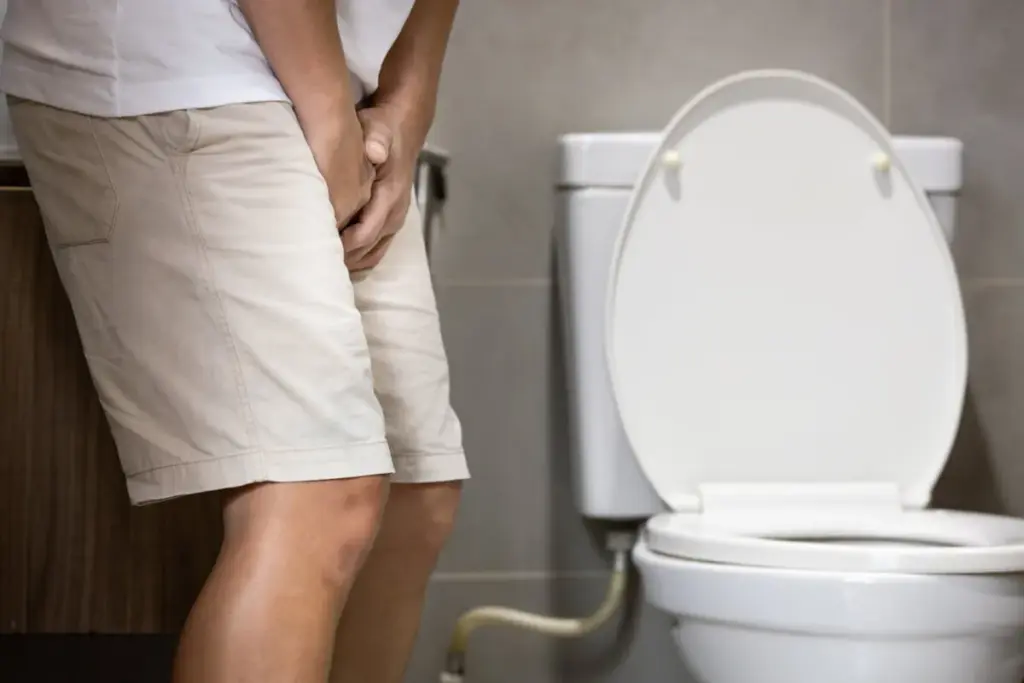
Knowing what’s normal when it comes to urination is key to keeping your bladder healthy. Urination is a vital function that can be affected by many things. These include how much you drink, your age, and your overall health.
What Constitutes “Normal”?
What’s considered normal can vary a lot from person to person. On average, people pee 4 to 7 times in a day. But, it can be anywhere from 4 to 10 times, depending on how much you drink and other factors. The main thing is if your urination pattern is steady and doesn’t hurt or cause distress.
- Average urine output per day is around 1.5 liters.
- Urine should be pale yellow to clear in color.
- The normal urination process should not be painful or accompanied by a strong urge to urinate immediately after.
Factors Influencing Urination
Many things can affect how often you pee, making what’s “normal” different for everyone. These include:
- Fluid Intake: Drinking more fluids, like those with caffeine or alcohol, can make you pee more.
- Age: As you get older, your bladder might change, affecting how often you pee.
- Overall Health: Some health issues, like diabetes or urinary tract infections, can really impact how you pee.
- Medications: Some medicines, like diuretics, are made to help you pee more.
How Many Times Is Too Many?
Going to the bathroom a lot can be a problem if it hurts, feels urgent, or gets in the way of your day. If you’re peeing more than 10 times a day or waking up a lot at night, talk to a doctor. It’s important to remember that sometimes peeing more or less is normal. But if it keeps changing, it might mean there’s something wrong.
Knowing your usual urination pattern and noticing any changes can help spot health problems early. If you’re worried about how often you pee or if it hurts, see a doctor. They can help figure out what’s going on.
Lifestyle Factors That Increase Urination
Our daily habits can greatly affect how often we need to pee. We’ll look at how certain lifestyle choices can make us pee more often.
Fluid Intake and Caffeine
How much water we drink affects how often we pee. Drinking a lot of fluids means we’ll pee more. Caffeine in coffee, tea, and some sodas also makes us pee more because it’s a diuretic. Reducing caffeine intake can help us pee less often.
Alcohol’s Impact on Bladder Health
Alcohol can also mess with our bladder and how often we pee. Like caffeine, alcohol makes us pee more because it’s a diuretic. It can also irritate the bladder, making us feel like we need to pee right away. Drinking less alcohol can help with these problems.
Physical Activity and Its Effects
Exercise is good for us, but it can also affect how often we pee. It can put pressure on the bladder, but regular exercise can also improve bladder control. It’s all about finding the right balance for our bodies.
|
Lifestyle Factor |
Effect on Urination |
|---|---|
|
High Fluid Intake |
Increases urination frequency |
|
Caffeine Consumption |
Acts as a diuretic, increasing urine production |
|
Alcohol Consumption |
Diuretic effect and bladder irritation |
|
Physical Activity |
Can put pressure on the bladder, but improves control over time |
Medical Conditions Associated with Frequent Urination
It’s important to know what medical conditions can cause frequent urination. This is because it can be a sign of other health problems that need attention.
Diabetes Mellitus
Diabetes mellitus is a big reason for frequent urination. High blood sugar makes the kidneys work harder to get rid of extra sugar. This results in a lot of urine being made.
Symptoms: You might feel very thirsty, need to pee a lot, feel tired, and see things less clearly.
Diagnosis: Doctors use blood tests to check for diabetes. These include fasting plasma glucose and oral glucose tolerance tests.
Urinary Tract Infections
Urinary tract infections (UTIs) also make you pee a lot. These infections happen when bacteria in the urinary tract cause inflammation and irritation.
Symptoms: You might pee a lot, feel burning when you pee, have cloudy or smelly urine, and feel pain in your pelvis.
Diagnosis: Doctors use urinalysis and urine culture to find UTIs.
Prostate Issues in Men
Prostate problems, like benign prostatic hyperplasia (BPH) and prostatitis, can also cause frequent urination in men. An enlarged prostate can block the urethra, making it hard to pee.
Symptoms: You might pee a lot, have a weak stream, struggle to start peeing, and pee a lot at night.
Diagnosis: Doctors use digital rectal examination, prostate-specific antigen test, and urodynamic tests to find prostate problems.
Other Health Issues Leading to Increased Urination
Many health issues can cause you to need to pee more often. These problems need medical help. Lifestyle choices and common health issues can also make you pee more.
Kidney Problems
Kidney issues are a big deal for frequent urination. Chronic kidney disease and kidney stones can change how you pee. Chronic kidney disease makes your kidneys not work right, leading to more urine.
- Kidney stones can block urine flow, causing pain and changes in how you pee.
- Chronic kidney disease slowly damages your kidneys.
Symptoms of kidney problems include pain in the back or side, nausea, and vomiting. If you have these symptoms and pee a lot, see a doctor.
Bladder Conditions
Bladder issues can also make you pee more. Overactive bladder and bladder infections are common. They make you need to pee often.
- Overactive bladder makes you pee suddenly.
- Bladder infections cause discomfort and frequent need to pee.
A medical expert says, “Bladder conditions can really affect your life. It’s important to deal with symptoms quickly.” Treatment might include medicine, lifestyle changes, or other ways to manage symptoms and improve bladder control.
Conditions Affecting Hormones
Hormonal imbalances can also cause you to pee more. For example, diabetes insipidus is a condition where the hormone that controls fluid balance is off. This leads to too much thirst and peeing.
- Diabetes insipidus can greatly change how you pee.
- Hormonal changes during pregnancy can also affect your bladder habits.
It’s important to know why you pee more often. If symptoms don’t go away or are bad, see a doctor. They can help figure out what’s wrong and how to treat it.
Medications and Their Side Effects
It’s important to know how different medicines affect our bladder habits. This knowledge helps us manage how often we need to go to the bathroom. Many medicines can change how often we urinate, and it’s key to understand these changes to deal with too much urination.
Diuretics and Other Common Medications
Diuretics, or “water pills,” help the body get rid of extra fluid. They’re used for high blood pressure and swelling. But, they can also make us go to the bathroom more often. Other medicines that might make us urinate more include:
- Certain antidepressants
- Antihypertensive drugs
- Diabetes medications
These drugs can either make us produce more urine or irritate our bladder. This leads to more bathroom trips.
How Prescription Drugs Influence Urinary Frequency
Prescription drugs can change how often we urinate in different ways. Some make us produce more urine, while others irritate the bladder or affect bladder muscle control. Knowing how these drugs work is important for managing their side effects.
Some common ways prescription drugs can affect how often we urinate include:
- Increasing urine production
- Irritating the bladder lining
- Affecting the muscles that control urination
By understanding how medicines impact our bladder habits, we can work with our doctors to adjust our treatment. This helps reduce side effects like too much urination.
It’s also important to note that bladder spasms can be a side effect of some medicines. This can make urinary frequency issues worse. Managing these side effects often requires teamwork between patients and healthcare providers.
When to Seek Medical Attention
Excessive urination can be a sign of an underlying condition. It’s important to know when to seek medical attention. While occasional changes in urination frequency can be normal, persistent or severe symptoms need medical evaluation.
Symptoms Indicating a Serious Condition
Certain symptoms with frequent urination may indicate a serious health issue. These include:
- Pain or burning during urination: This could be a sign of a urinary tract infection or other conditions affecting the bladder or kidneys.
- Blood in the urine: Hematuria, or blood in the urine, can be a symptom of various conditions, ranging from infections to more severe diseases.
- Severe abdominal or back pain: Pain in these areas can indicate kidney stones, infections, or other issues.
- Fever: A fever accompanying frequent urination could indicate an infection.
- Unusual thirst or fatigue: These symptoms, when combined with frequent urination, might suggest diabetes or other metabolic issues.
Importance of Early Diagnosis
Early diagnosis of the underlying cause of excessive urination can significantly impact the effectiveness of treatment and overall outcome. Many conditions that cause frequent urination can be managed or treated if identified early.
For instance, diabetes, when diagnosed early, can be managed through lifestyle changes and medication, potentially preventing serious complications. Similar conditions like urinary tract infections and others can be effectively treated with antibiotics or other interventions if caught early.
Questions to Ask Your Healthcare Provider
When consulting a healthcare provider about frequent urination, it’s helpful to be prepared with questions. Consider asking:
- What could be causing my symptoms?
- Are there any tests or examinations needed to diagnose the cause?
- What treatment options are available?
- Are there lifestyle changes that can help manage my symptoms?
- How can I monitor my condition and know if it’s improving or worsening?
|
Symptom |
Possible Indication |
|---|---|
|
Pain or burning during urination |
Urinary tract infection or other conditions affecting the bladder or kidneys |
|
Blood in the urine |
Infections, kidney stones, or more severe diseases |
|
Severe abdominal or back pain |
Kidney stones, infections, or other issues |
|
Fever |
Infection |
|
Unusual thirst or fatigue |
Diabetes or other metabolic issues |
Diagnostic Tests for Frequent Urination
Diagnostic tests are key in finding out why we pee too much. When we pee a lot, it’s important to do tests to find the cause.
Urinalysis and Its Significance
Urinalysis is a main test for too much peeing. It checks a urine sample for signs like infections, diabetes, or kidney problems. Urinalysis can show blood, protein, or other things in the pee that mean there’s a problem. It’s fast and accurate, helping doctors find what’s wrong.
Urinalysis looks at several things, like:
- Urine color and clarity
- Presence of bacteria or yeast
- Concentration of the urine
- pH level of the urine
Imaging Tests and What They Reveal
Imaging tests are also used to check for too much peeing. These include ultrasound, CT scans, or MRI scans. Imaging tests show the urinary tract and find problems like tumors, stones, or structural issues.
The table below shows different imaging tests and what they do:
|
Imaging Test |
Purpose |
What It Reveals |
|---|---|---|
|
Ultrasound |
To see the kidneys and bladder |
Finds problems like stones, tumors, or cysts |
|
CT Scan |
To get detailed images of the urinary tract |
Shows structural issues, tumors, or other problems |
|
MRI Scan |
To check the urinary tract and nearby tissues |
Helps find issues like prostate problems or bladder issues |
By using urinalysis and imaging tests together, doctors can understand why we pee too much. They can then make a good treatment plan.
Treatment Options for Excessive Urination
Excessive urination, or polyuria, can be treated in several ways. This includes medications, lifestyle changes, and sometimes surgery. The right treatment depends on the cause of the problem.
Medications to Consider
There are many medications for excessive urination. For diabetes insipidus, desmopressin can help reduce urine. Antibiotics treat urinary tract infections.
Common Medications:
- Desmopressin for diabetes insipidus
- Antibiotics for urinary tract infections
- Anticholinergics for overactive bladder
Talking to a healthcare provider is key to find the right medication and dosage.
Lifestyle Modifications That Help
Changing your lifestyle can help a lot. Here are some tips:
- Drink the right amount of fluids to avoid too much urine
- Avoid caffeine and alcohol to not irritate your bladder
- Keep a healthy weight to ease pressure on your bladder
- Do pelvic floor exercises (like Kegels) to strengthen your bladder muscles
Asa urologist, notes, “Making lifestyle changes can really help manage excessive urination and improve your life.”
“Understanding the cause and treatment of excessive urination is essential. Lifestyle changes can make a big difference.”
Urology Specialist
When Surgery Becomes Necessary
In some cases, surgery is needed to fix the cause of excessive urination. This might be to remove bladder stones or tumors, or to fix anatomical problems.
|
Surgical Option |
Description |
Indications |
|---|---|---|
|
Bladder Stone Removal |
Surgical procedure to remove stones from the bladder |
Bladder stones causing obstruction or infection |
|
Tumor Removal |
Surgery to remove tumors affecting bladder function |
Presence of tumors in the bladder |
|
Corrective Surgery |
Procedures to correct anatomical issues affecting the urinary system |
Anatomical abnormalities causing urinary issues |
We will work with your healthcare provider to see if surgery is the best option for you.
Prevention Strategies for Better Bladder Health
Good bladder health is key for feeling your best. Simple steps can help lower the chance of too much urination and other problems.
Optimal Hydration
Dietary Adjustments
Changing what you eat can also help your bladder. Cutting down on caffeine and alcohol can make you pee less often.
Strengthening Bladder Control
Kegel exercises can make your pelvic muscles stronger. This helps you control your bladder better. It’s great for those with urinary incontinence.
Adding these prevention steps to your daily routine can improve your bladder health. Knowing the reasons behind frequent urination and making these easy changes can help. It can also answer questions like “why am I peeing so much female.”
FAQ
Why am I peeing so much all of a sudden?
Many things can cause you to pee more suddenly. This includes drinking more water, drinking caffeine, or having health issues like diabetes. It’s best to talk to a doctor to find out why.
What causes frequent urination in females?
Women might pee more often due to infections, hormonal changes, or other health issues. We’ll look into these reasons to help you understand your symptoms better.
Can certain medications affect my urination frequency?
Yes, some medicines, like diuretics, can make you pee more. We’ll talk about these medicines and how to handle their effects on your bladder.
How can I determine if my urination frequency is excessive?
If you pee more than usual or feel pain while doing so, it might be a problem. We’ll explain what’s normal and when you should see a doctor.
What are the symptoms of a serious condition related to frequent urination?
Signs like pain while peeing, blood in your urine, or trouble controlling it could mean a serious issue. We’ll stress the need to see a doctor if you notice these symptoms.
What diagnostic tests are used to evaluate frequent urination?
Tests like urinalysis and imaging can find the cause of frequent peeing. We’ll explain why these tests are important and what they show about your bladder.
What are the treatment options for excessive urination?
To deal with too much peeing, you might need medicine, change your lifestyle, or have surgery. We’ll discuss the good and bad of each option to help you decide.
How can I prevent frequent urination?
To keep your bladder healthy, drink the right amount of water, eat well, and do exercises to strengthen your bladder. We’ll give you tips to keep your bladder in good shape and avoid too much peeing.
Can lifestyle factors contribute to excessive urination?
Yes, things like how much you drink, caffeine, and exercise can affect your bladder. We’ll talk about how these things impact your bladder and how to manage them.
What are the benefits of seeking medical attention for frequent urination?
Going to the doctor for frequent peeing can find the cause, prevent worse problems, and improve your bladder health. We’ll explain why early diagnosis and treatment are key.
How can I strengthen my bladder control?
Doing Kegel exercises can help control your bladder. We’ll show you how to do these exercises and give other tips for a healthy bladder.
References
National Institutes of Health. Evidence-Based Medical Insight. Retrieved from https://www.niddk.nih.gov/health-information/urologic-diseases/overactive-bladder-adults-overview
health-information/urologic-diseases/overactive-bladder-adults-overview [https://www.niddk.nih.gov/



 Departments
 Related Videos
 Our Doctors
 News
News