Feeling the constant urge to urinate can be frustrating and disruptive. Many people wonder, “why am I peeing so much? ” especially when it starts affecting daily routines or sleep.
On average, adults urinate about 5 to 7 times a day. If you find yourself going more often, it might signal an underlying issue such as a urinary tract infection (UTI), overactive bladder (OAB), or problems fully emptying your bladder.
Understanding why you’re peeing so much helps you take the right steps. Tracking your symptoms and consulting a healthcare provider can help identify the cause and guide proper treatment for lasting relief.
Key Takeaways
- Normal urination frequency is between 5 to 7 times per day.
- Urinary frequency exceeding 7 times may indicate underlying health issues.
- Common causes include UTIs, OAB, and incomplete bladder emptying.
- Understanding symptoms is key to effective management and treatment.
- Seeking medical attention is important for ongoing symptoms.
Understanding the Sensation of Needing to Pee Again Immediately
Feeling like you need to pee again right after you’ve gone can be really annoying. It’s puzzling and can make you wonder if there’s something wrong. This feeling can be frustrating and confusing.
How Normal Bladder Function Works
The bladder works with muscles and the nervous system to function properly. It’s a muscular sac that holds urine. When it’s full, the muscles contract to let you pee. Normal bladder capacity is between 400“700 ml. On average, adults pee 5“7 times a day.
What Constitutes Normal Urination Patterns
Knowing what normal urination patterns are can help you spot problems. Normal urination is steady and uninterrupted. You should be able to empty your bladder fully. Things like how much you drink, your health, and some medicines can affect how often you pee.
The Difference Between Actual and Phantom Urges
It’s important to tell the difference between real and fake urges to pee. Real urges usually mean your bladder is full or there’s a medical issue. Fake urges can come from stress, irritation, or other non-medical reasons. Knowing this helps doctors figure out why you pee so much.
Understanding how your bladder works and what normal urination is can help you know your body better. If you pee a lot or feel like you need to go again soon, think about these things. It’s key to figuring out what’s going on.
Why Am I Peeing So Much? 5 Common Causes of Post-Urination Urgency
It’s important to know why you might feel the need to pee a lot. Many things can cause this feeling. Finding out what’s causing it is key to feeling better.
Urinary Tract Infections (UTIs)
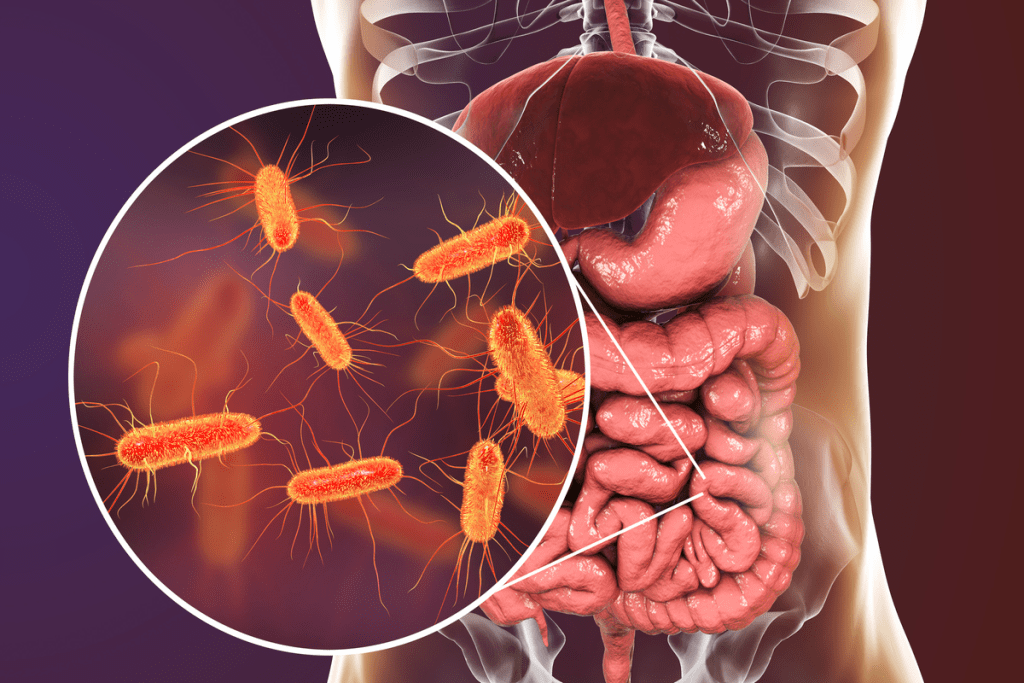
UTIs are infections in the urinary system. They often make you pee more and feel like you need to go right away. Signs include a strong urge to pee, pain while peeing, and small amounts of urine.
Key symptoms of UTIs:
- Frequent urination
- Pain or burning while urinating
- Cloudy or strong-smelling urine
Overactive Bladder Syndrome (OAB)
OAB makes you feel a sudden, strong need to pee. You might pee without meaning to. It’s not always clear why this happens, but it might be because of how your bladder and brain talk to each other.
Characteristics of OAB:
- Urgency: Sudden, intense need to urinate
- Frequency: Urinating more often than usual
- Urge Incontinence: Leaking urine while feeling the need to urinate
Incomplete Bladder Emptying
When your bladder doesn’t empty fully, you might pee more often. This can happen if your bladder muscles are weak or if something blocks your urinary tract.
Factors contributing to incomplete bladder emptying:
- Weak bladder muscles
- Urinary tract obstruction
- Nerve damage
Pelvic Floor Dysfunction
Pelvic floor dysfunction means your pelvic floor muscles don’t work right. This can mess with your bladder control. It can make you pee more and feel like you need to go right away.
Knowing what causes these problems is the first step to managing them. It’s important to seek medical help to find the right treatment.
Medical Conditions That Can Cause Persistent Urinary Frequency
Many medical conditions can lead to frequent urination. It’s important to know about these to manage the issue well. Some health problems can really affect how we control our bladder and when we need to go.
Diabetes and Blood Sugar Regulation
Diabetes is a big reason for frequent urination. High blood sugar makes the body try to get rid of it by peeing more. Poor blood sugar control makes this symptom worse.
“Diabetes can cause many urinary problems, like needing to pee a lot, feeling urgent, and leaking,” doctors say. Changing your lifestyle and taking medicine can help with these symptoms.
Neurological Disorders Affecting Bladder Control
Conditions like multiple sclerosis, Parkinson’s disease, and spinal cord injuries can mess with bladder function. They can mess up the signals between the bladder and the brain. This leads to abnormal bladder contractions and more frequent peeing.
It’s key to treat the neurological condition to manage urinary issues. Sometimes, treatments just for bladder control are needed.
Prostate Issues in Men
In men, problems like benign prostatic hyperplasia (BPH) or prostate cancer can cause frequent urination. An enlarged prostate can block the urethra, making it hard to pee and leading to more trips to the bathroom.
There are medical treatments for prostate issues to help with urinary symptoms. Sometimes, surgery is needed to fix the blockage.
Pregnancy and Hormonal Changes in Women
Pregnancy brings hormonal changes and pressure from the growing uterus, leading to more frequent urination. This symptom is common and usually goes away after pregnancy. But it can be uncomfortable and disrupt daily life.
Pregnant women should talk to their healthcare provider about frequent urination. This is to check for any infections or other issues.
Self-Care Strategies and Treatment Options
Managing urinary frequency needs a mix of self-care and medical treatments. By using these methods daily, people can control their bladder better. This improves their quality of life a lot.
Pelvic Floor Exercises and Physical Therapy
Doing Kegel exercises strengthens the pelvic floor muscles. This helps control the bladder. It’s best to talk to a healthcare expert or a pelvic health physical therapist for a custom plan.
Physical therapy can fix issues like pelvic floor dysfunction that cause urinary frequency. It targets these problems, reducing symptoms.
Bladder Training Techniques
Bladder training makes you hold urine longer. This increases bladder capacity and reduces how often you pee. Start with small steps and increase the time as your bladder gets stronger.
Being consistent and patient is key when using bladder training. It might take time to see results.
Dietary Modifications That May Help
Changing what you eat can help with urinary frequency. Avoiding caffeine, alcohol, and spicy foods can lessen bladder irritation. Eating foods high in fiber can also help with bowel movements, which helps with pee frequency.
Keeping a food diary can show which foods make pee frequency worse. This helps make better food choices.
Hydration Strategies
Drinking water is important for a healthy bladder. Drink water all day, not all at once. This helps keep urine from irritating the bladder.
Drinking less water at night can also help you sleep better. It reduces the need to pee during the night.
Conclusion: When to Seek Medical Help and Next Steps
Knowing when to see a doctor is key to handling urinary frequency well. If you always feel like you need to pee and also have pain or trouble peeing, you should get medical help.
We’ve looked at why you might pee a lot, like UTIs, an overactive bladder, and nerve problems. Knowing about these and how to treat them helps you manage your bladder health better.
If you pee a lot all the time, it’s time to act. Make an appointment with a doctor to find out why and get a plan to fix it. Taking care of your bladder health can make you feel better and live better.
FAQ
Why do I have to pee so much?
Many things can make you pee more often. This includes infections, an overactive bladder, and problems with the pelvic floor. Knowing why is key to fixing the issue.
Why am I peeing so much all of a sudden?
Sudden pee needs can come from body changes or new health issues. This might include infections or diabetes. Seeing a doctor is important to find out why.
What is urinary frequency?
It’s when you need to pee more than usual. It can be a sign of a health problem or lifestyle choices.
Why does it feel like I have to pee even when I don’t?
Feeling like you need to pee when you don’t can happen for several reasons. This includes overactive bladder, neurological issues, or other bladder control problems.
Can diabetes cause urinary frequency?
Yes, diabetes can make you pee more. High blood sugar levels increase urine production. Keeping blood sugar in check helps manage pee frequency.
How can I manage urinary frequency?
Managing pee frequency involves several steps. This includes exercises, bladder training, diet changes, and staying hydrated. Medical treatments also play a role, depending on the cause.
Are there any dietary changes that can help with urinary frequency?
Yes, eating less caffeine and spicy foods can help. Drinking enough water is also important.
Can pelvic floor exercises help with urinary frequency?
Yes, Kegel exercises can strengthen the muscles that control urination. This can reduce pee frequency and improve bladder control.
When should I seek medical help for urinary frequency?
If pee frequency is persistent or severe, see a doctor. They can find the cause and suggest treatment.
What are the treatment options for urinary frequency?
Treatment depends on the cause. It might include lifestyle changes, physical therapy, or medications. The goal is to find what works best for you.
Why am I experiencing a constant urge to pee?
A constant urge to pee can have many causes. This includes infections, overactive bladder, or neurological issues. It’s important to talk to a healthcare provider to find out why.
Can pregnancy cause urinary frequency?
Yes, pregnancy can lead to more frequent urination. This is due to hormonal changes and bladder pressure. While it’s usually temporary, it’s good to discuss it with your doctor.
References
- Coyne, K. S., Sexton, C. C., Thompson, C. L., Kopp, Z. S., Milsom, I., & Kaplan, S. A. (2009). The prevalence of lower urinary tract symptoms (LUTS) in the USA, the UK, and Sweden: Results from the Epidemiology of LUTS (EpiLUTS) study. BJU International, 104(3), 352“360. Retrieved from https://pubmed.ncbi.nlm.nih.gov/19281467/
- National Institute of Diabetes and Digestive and Kidney Diseases. (2017Coyne, K. S., Wein, A. J., Tubaro, A., Sexton, C. C., Thompson, C. L., Kopp, Z. S., & Aiyer, L. P. (2009). The burden of lower urinary tract symptoms: Evaluating the effect of LUTS on health-related quality of life, anxiety, and depression: EpiLUTS. BJU International, 103(Suppl 3), 4“11. https://doi.org/10.1111/j.1464-410X.2009.08371.x
- National Institute of Diabetes and Digestive and Kidney Diseases. (2019). Bladder control problems (urinary incontinence). U.S. Department of Health and Human Services. https://www.niddk.nih.gov/health-information/urologic-diseases/bladder-control-problems