


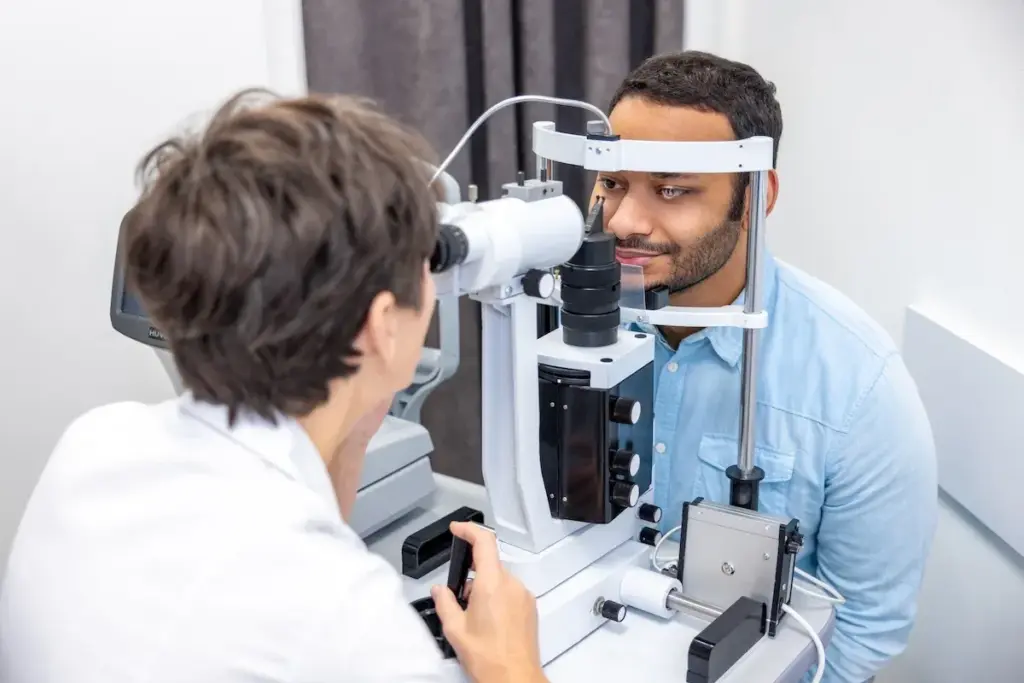
Ever noticed your eyes turning red after a tough workout? It might look scary, but it’s usually just your body’s way of saying, “Hey, I’m working hard!” Seeing your eyes turn red can be surprising. But most of the time, it means your body is just adjusting to the exercise.
When you exercise, tiny blood vessels in your eyes get bigger. This happens because your body needs more blood to keep up with the activity. Baylor Scott & White Health says this is a normal response to increased blood flow. It’s often caused by the effort you put in or something in your environment.
At Liv Hospital, we make sure you know what’s going on with your body. We think knowing why your eyes get red after working out helps you stay healthy. Our team is here to help you, whether you’re from around the corner or across the globe.
Key Takeaways
- Physical exertion leads to vessel expansion in the conjunctiva.
- Bloodshot appearance is usually a benign response to strain.
- High circulation during fitness tasks triggers the change.
- Protective membranes react to external irritants easily.
- Temporary visual changes rarely indicate serious medical issues.
- Hydration and proper form minimize ocular pressure during lifting.
Understanding Why You Experience Red Eyes After Working Out
Red eyes after exercise are common. They happen due to several reasons. Our body changes a lot when we exercise, affecting our eyes.
The Role of Increased Blood Flow and Vasodilation
Exercise makes our heart beat faster. This boosts blood flow all over our body. The blood vessels in our eyes get bigger, making them look red.
This red look usually goes away when we rest. It’s a normal and safe change.
Environmental Factors and Irritants in the Gym
The gym environment can also cause red eyes. Dust, pollen, and chemicals can irritate our eyes. Wearing protective eyewear helps.
Physical Strain and the Valsalva Maneuver
Physical strain, like the Valsalva maneuver, can increase eye pressure. This can cause tiny vessels in the eyes to burst. This looks like a bright red patch on the eye.
This condition is usually not serious but can be scary. It takes time to heal.
Red eyes after exercise are common. They come from how our body reacts to exercise, the gym environment, and physical strain.
When to Be Concerned About Bloodshot Eyes After Exercise
It’s normal to see red eyes after a workout. But, some signs might mean you need to see a doctor. We’ll show you when bloodshot eyes could be a warning sign.
Identifying Signs of Eye Injury or Infection
Eye pain, vision changes, or discharge mean you might have an eye problem. Issues like conjunctivitis (pink eye), iritis, or corneal ulcers can cause redness. They need quick treatment.
Knowing these signs is key to getting help when you need it.
Preventive Measures for Clearer Eyes
To avoid eye problems after working out, keep your eyes clean. Don’t rub your eyes, as it can spread bacteria. Also, make sure your workout area is clean and free from irritants. Wearing protective eyewear during some exercises can also help protect your eyes.
Here are some ways to prevent eye issues:
- Avoid touching or rubbing your eyes
- Keep your workout environment clean
- Use protective eyewear when necessary
By following these tips, you can lower the chance of getting bloodshot eyes after a workout. If you’re worried about your eye health, always talk to a doctor.
Conclusion
Red eyes after working out is common. Increased blood flow, environmental irritants, and physical strain cause it. Knowing these causes helps prevent eye health problems during workouts.
Being aware of eye redness signs is key to safe workouts. If redness persists or worsens, see an eye doctor. They can check for serious issues.
Good eye care and protective eyewear can prevent red eyes. Always look after your eye health as part of your fitness plan. This keeps your eyes healthy and comfortable during exercise.
FAQ
The Role of Increased Blood Flow and Vasodilation
Exercise raises blood flow, dilating eye vessels and making them appear red temporarily.
Environmental Factors and Irritants in the Gym
Dust, sweat, chlorine, and dry air can irritate eyes and worsen redness during workouts.
Physical Strain and the Valsalva Maneuver
Holding your breath or straining increases eye pressure, sometimes causing burst capillaries.
Identifying Signs of Eye Injury or Infection
Pain, vision changes, swelling, or discharge may indicate injury or infection needing medical attention.
Preventive Measures for Clearer Eyes
Use protective eyewear, stay hydrated, blink frequently, and avoid rubbing eyes during exercise.
References
JAMA Network. Evidence-Based Medical Insight. Retrieved from https://jamanetwork.com/journals/jamaophthalmology/fullarticle/269443


 Departments
 Related Videos
 Our Doctors
 News
News


