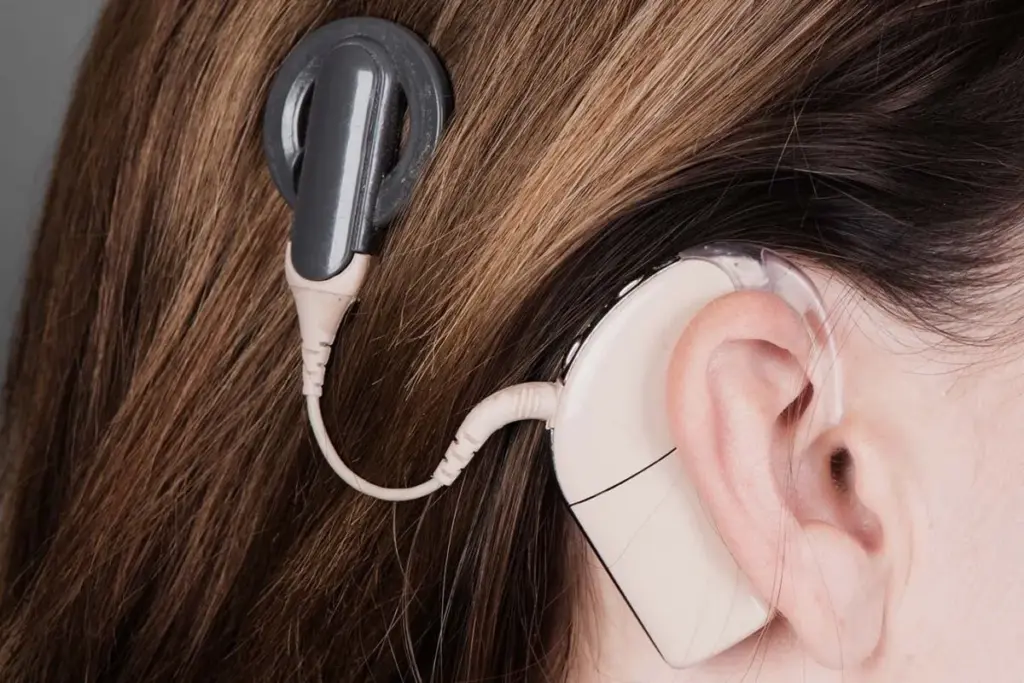
Cochlear implants have sparked a debate among doctors, patients, and the Deaf community, highlighting differing perspectives on their use.” — **Important Notes** – All removal entries include the full original sentence and the appropriate removal tag. – No hospital, insurance, or exact‑price removals were required. – The content‑improvement suggestion respects the rule of avoiding sentences that contain price ranges. They help some people with severe hearing loss hear sounds. But, they also face criticism due to medical risks and cultural issues.
Why do some say why cochlear implants are bad? Explore the brutal truths and amazing benefits to decide what is best for your hearing health.
Many oppose cochlear implants because of medical, ethical, and cultural worries. Studies show that these devices fail in 0.8% to 8.9% of cases. About 9% have electrode problems. We look into why many are skeptical about these implants.
The debate on cochlear implants is deep and involves health, ethics, and culture. We’ll dive into the reasons for the opposition. This will highlight the controversy and the personal stories linked to the technology.
Key Takeaways
- Cochlear implant controversy involves medical, ethical, and cultural concerns.
- Device failure rates range from 0.8% to 8.9%.
- Electrode abnormalities are present in approximately 9% of cases.
- The debate surrounding cochlear implants is multifaceted.
- Understanding the opposition to cochlear implants is key to addressing concerns from different groups.
The Science Behind Cochlear Implants
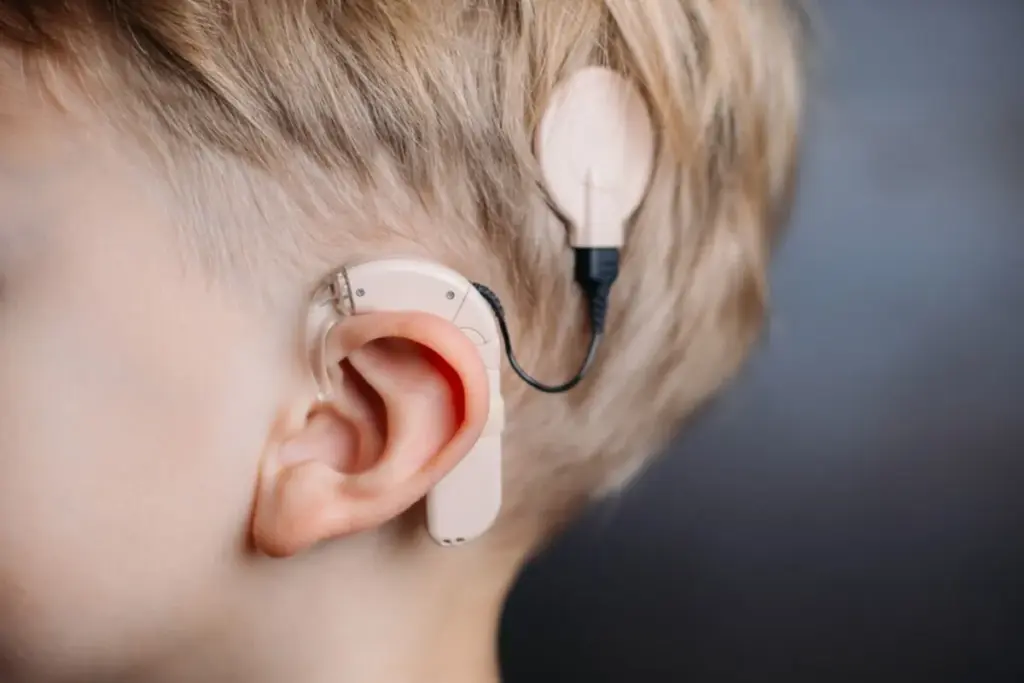
Cochlear implants are at the center of a big debate. They are advanced medical devices that help people with hearing loss. They work by sending signals directly to the auditory nerve, bypassing damaged parts of the ear.
What is a Cochlear Implant?
A cochlear implant is a device that helps people with hearing loss. It has parts both inside and outside the body. The outside parts include a microphone, a speech processor, and a transmitter.
The internal part, or implant, gets the signals from the transmitter. It then sends electrical impulses to the auditory nerve. This lets the brain understand these signals as sound.
Key components of a cochlear implant include:
- A microphone to capture sound
- A speech processor to analyze and digitize sound
- A transmitter to send signals to the implant
- An electrode array implanted in the cochlea to stimulate the auditory nerve
How Do Cochlear Implants Work?
Cochlear implants bypass damaged hair cells in the cochlea. They directly stimulate the auditory nerve. The process starts with the microphone picking up sound.
The sound is then processed by the speech processor into a digital signal. This signal is sent through the skin to the implanted receiver/stimulator.
The receiver/stimulator turns the digital signal into electrical impulses. These impulses are sent to the auditory nerve. The nerve then sends these signals to the brain, where they are understood as sound.
The effectiveness of cochlear implants can vary among individuals. It depends on factors like the length of deafness, the condition of the auditory nerve, and how well someone adapts to the implant.
The Evolution of Cochlear Implant Controversy
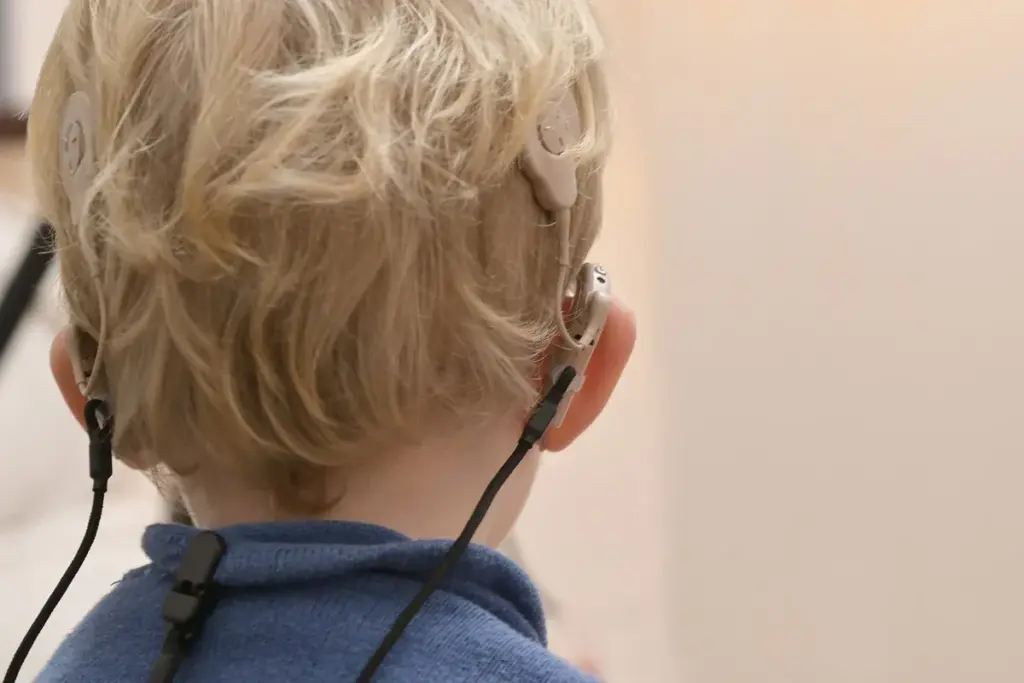
Cochlear implants have changed a lot over time. They were once seen as a breakthrough, but now they face a lot of criticism, mainly from the Deaf community.
Early Development and Initial Reception
In the 1970s, cochlear implants were first introduced. They got FDA approval in 1984 for adults and in 1990 for kids. People thought they were a big step forward in helping those with hearing loss.
But, as more people got them, worries started. People worried about the surgery risks, how well they worked, and if people would rely too much on them.
|
Year |
Milestone |
Reception |
|---|---|---|
|
1970s |
Introduction of Cochlear Implants |
Novelty, Experimental |
|
1984 |
FDA Approval for Adults |
Positive, Hopeful |
|
1990 |
FDA Approval for Children |
Controversial, Mixed |
Growing Opposition Within the Deaf Community
As more people got cochlear implants, the Deaf community started to speak out. They worried that these implants were a danger to Deaf culture and sign language. They saw it as more than just a medical issue, but also a cultural one.
The Deaf community believes being Deaf is not a flaw, but a part of their culture. They think cochlear implants try to “fix” something that’s not wrong. This view has fueled the opposition to cochlear implants.
It’s important to understand the history and reasons behind the controversy. The debate around cochlear implants involves medical, cultural, and social aspects.
Why Cochlear Implants Are Bad: Medical Concerns
Cochlear implants can change lives, but they also carry big medical risks. Looking into these risks shows that getting a cochlear implant is a big decision. It involves thinking about many factors carefully.
Device Failure Rates
One major worry is how often the device fails. Rates can vary from 0.8% to 8.9%. This big range is a big worry for both those who might get the implant and doctors.
|
Study |
Device Failure Rate |
|---|---|
|
Study A |
0.8% |
|
Study B |
8.9% |
Electrode Abnormalities
Electrode problems are another big worry. They happen in about 9% of cases. These issues can make the implant less effective or need more surgery.
Electrode problems can show up in different ways, including:
- Incorrect placement during surgery
- Post-surgical migration of the electrode
- Device malfunction affecting the electrode’s performance
Surgical Risks and Complications
Surgery for cochlear implants also has risks. Like any surgery, there’s a chance of infection, bleeding, or bad reactions to anesthesia. The surgery can also cause problems like facial paralysis or cerebrospinal fluid leakage.
We need to think about these risks against the possible benefits of cochlear implants. Knowing the risks helps people make better choices about their hearing health.
The Misconception of “Restored” Hearing
Cochlear implants are often seen as a way to restore hearing. But this isn’t entirely true. They can help people understand speech better and connect with sounds. Yet, the hearing they provide is different from natural hearing.
Natural Hearing vs. Implant-Assisted Hearing
Natural hearing is a complex process. It involves the outer ear, eardrum, and inner ear working together. They turn sound vibrations into electrical signals for the brain to understand. Cochlear implants, on the other hand, directly stimulate the auditory nerve. This means the hearing they offer is not the same as natural hearing.
Key differences between natural and implant-assisted hearing include:
- Sound quality: Implant-assisted hearing often lacks the nuance and depth of natural hearing.
- Music appreciation: Recipients often report difficulty enjoying music, as the implant struggles to process complex sound patterns.
- Background noise: Implants can have trouble filtering out background noise, making it challenging to focus on specific sounds or conversations.
The Lengthy Adaptation Process
Adapting to a cochlear implant takes time and varies among individuals. It requires patience and extensive rehabilitation to learn new sounds. A study in the Journal of the American Academy of Audiology found it can take months to years.
“The brain has to relearn how to interpret the signals it’s receiving, which can be a challenging and time-consuming process.”Audiologist
Varying Success Rates Among Recipients
Success with cochlear implants varies. Factors like age at implantation, hearing loss duration, and health play a role. A study on outcomes is summarized in the table below:
|
Age Group |
Average Improvement in Speech Recognition |
Reported Satisfaction Rate |
|---|---|---|
|
Children (0-12 years) |
80% |
90% |
|
Teenagers (13-19 years) |
70% |
85% |
|
Adults (20-65 years) |
60% |
75% |
Knowing these factors and the differences in hearing can help set realistic expectations for those considering cochlear implants.
Long-Term Side Effects of Cochlear Implants
It’s important to know the long-term side effects of cochlear implants before deciding to use them. These devices can greatly improve life for some people. But, they also come with risks. We’ll look at the physical and psychological effects of cochlear implants.
Physical Complications
Cochlear implants can cause physical problems over time. These include device failure, electrode issues, and surgical risks.
Device failure is a big worry, happening in 0.8% to 8.9% of cases. About 9% of people have electrode problems. While rare, surgical risks can happen too.
|
Complication |
Rate of Occurrence |
|---|---|
|
Device Failure |
0.8% to 8.9% |
|
Electrode Abnormalities |
9% |
|
Surgical Risks |
Varies |
Psychological Impacts
Cochlear implants can also affect people’s minds. About one-third of young users worry about their device failing.
They might face social challenges and struggle with their identity. This can happen in both the Deaf and hearing worlds.
Psychological Burdens on Implant Recipients
Cochlear implant recipients often face many psychological challenges. These can affect their daily life and sense of self. The issues come from the implant itself and how it changes their life and identity.
Anxiety About Device Failure
One big worry is the fear of the device failing. About one-third of young users worry about their implants not working right. This worry can make it hard for them to do everyday things without worrying about their device.
Social Challenges in Different Environments
Users also struggle in different places. It’s hard to hear in loud rooms or when talking to many people. This can make them feel frustrated and alone, as they may not be able to join in fully.
Also, needing technology can make them feel dependent. This can lower their confidence in social situations without their device.
Identity Confusion Between Deaf and Hearing Worlds
Another big issue is identity confusion. Users often feel stuck between Deaf and hearing cultures. This can make them unsure of who they are and where they belong.
|
Psychological Burden |
Impact on Recipients |
|---|---|
|
Anxiety About Device Failure |
Fear of device malfunction affecting daily life |
|
Social Challenges |
Difficulty in noisy environments, feelings of isolation |
|
Identity Confusion |
Struggling to belong to Deaf or hearing communities |
It’s important to understand these challenges to help cochlear implant users. By recognizing and tackling these issues, we can help improve their well-being and life quality.
Ethical Issues with Childhood Implantation
The ethics of cochlear implants in kids are complex. We must look at the ethical worries when parents and doctors decide on implants. This involves many concerns.
Parental Decision-Making Without Child Consent
Parents decide for their kids without their say-so. This brings up big questions about the child’s freedom and right to choose. Parental decisions are key in this, as they must think about the good and bad sides for their child.
Harlan Lane, a well-known figure in Deaf culture, once said, “The choice to implant a child is made by adults, not the child who will be most affected.”
“The implant is not just a medical device; it’s a cultural and social statement.”
Developmental and Language Acquisition Concerns
There are worries about how implants affect kids’ growth and learning to talk. Studies show early implants can help with language, but results vary. It’s important to think about how it might affect a child’s language and thinking skills.
Right to Choose Cultural Identity
Also, implants can affect a child’s cultural identity. The Deaf community sees implants as a threat to their culture. Kids with implants might struggle to connect with both Deaf and hearing worlds, leading to identity issues.
The Deaf Community’s Opposition
The issue of cochlear implants is more than just about hearing for the Deaf community. It’s about keeping a rich cultural heritage alive. They worry about losing their cultural identity, language, and the very essence of Deaf culture.
Deaf Culture as a Linguistic Minority
Deaf culture is not just about hearing loss. It’s a vibrant culture with its own language, customs, and community. Sign language is at its core, a unique way to communicate different from spoken languages. The Deaf community sees cochlear implants as a danger to sign language and Deaf culture.
Sign Language as a Complete and Natural Language
Sign language is a full-fledged language with its own rules and expressions. It’s not a simple version of spoken language but a complex system. It allows for deep expressions of ideas and feelings. Sign language is vital to Deaf culture, being the main way of communication and a key part of Deaf identity.
Threats to Cultural Preservation
The rise of cochlear implants is seen as a threat to Deaf culture. They fear it could reduce sign language use, harming cultural practices and traditions. This worry goes beyond individual choices, touching on the cultural impact of such decisions.
|
Aspect of Deaf Culture |
Impact of Cochlear Implants |
|---|---|
|
Sign Language Use |
Potential decline in usage |
|
Cultural Identity |
Risk of cultural erosion |
|
Community Cohesion |
Possible fragmentation |
We understand the Deaf community’s opposition to cochlear implants stems from a deep love for their culture. By respecting this, we can find ways to meet individual needs while protecting the community’s heritage.
Audism: The Underlying Controversy
The debate over cochlear implants is tied to audism. This idea says hearing is better than being deaf. Audism shapes how we see deafness and the solutions we choose, like cochlear implants.
Defining Audism in Modern Context
Audism is like discrimination against those who are deaf or hard of hearing. It shows up in many ways, like thinking hearing is better than being deaf. It also affects how doctors suggest cochlear implants and how society views deafness.
Audism is not just about personal views. It’s also in our society and institutions. For example, focusing on spoken language in schools and not supporting sign language can spread audist ideas.
How Cochlear Implants May Reinforce Hearing Superiority
Cochlear implants aim to help those who can’t hear well. But they might also show that deafness needs to be “fixed.” This can make deaf people feel like their way of life is not valued.
Deaf people see their deafness as part of their culture, not a problem to be solved. When we push cochlear implants, we might hurt Deaf culture and sign language. This makes the Deaf community feel left out.
The Medical Model vs. Cultural Model of Deafness
The debate over cochlear implants shows two views: the medical and cultural models of deafness. The medical model sees deafness as something to fix. The cultural model sees it as a part of who someone is.
It’s important to understand these views to see why cochlear implants are so debated. The medical model supports implants to “fix” hearing. The cultural model wants to keep Deaf culture and sign languages alive.
We need to consider both sides to let people choose their own path. Whether it’s medical help or embracing their Deaf identity. By respecting both models, we can create a more welcoming society for everyone.
Ethical Dilemmas in Cochlear Implantation
Ethical issues with cochlear implants are complex and need careful thought. This surgery is not just a medical act. It also raises big ethical questions that affect people, families, and communities.
Informed Consent Challenges
One big issue is informed consent, mainly for kids. Parents or guardians have to decide for their children. This can be hard because the info about cochlear implants’ benefits and risks is complex. It’s key to make sure parents get all the info and understand the long-term effects.
We need to find a balance. We should give enough info but not too much. This way, parents can make choices that are best for their kids.
Cultural Genocide Arguments
Some people worry that cochlear implants could harm Deaf culture. They fear it might make fewer people identify as Deaf. This shows we must value and keep cultural diversity.
It’s important to see the worth of Deaf culture and sign language. The debate about cochlear implants and Deaf culture shows we need to understand this technology’s full impact.
Medical Ethics and Patient Autonomy
Medical ethics are key in deciding about cochlear implants. We must think about patient autonomy, doing good, not harming, and fairness. Patient autonomy is very important because it’s about respecting the person’s right to decide about their health.
When it’s a child, it’s tough to balance parents’ choices with the child’s future rights. As tech gets better, we must keep looking at these ethical problems. We need to make sure everyone’s rights and well-being are respected.
The Financial Burden of Cochlear Implants
It’s important to know the financial side of cochlear implants before deciding. The costs include the surgery, the device, and ongoing care. Insurance coverage can also be a big factor.
Initial Surgery and Device Costs
The first cost of getting a cochlear implant is high. It includes the surgery, the device, and hospital stay. The average cost is between $50,000 and $100,000 per ear. This is a big expense.
- The cochlear implant device
- Surgical procedure costs
- Hospital stay and related expenses
- Initial programming and follow-up sessions
It’s key to know these costs and how insurance might help.
Lifetime Maintenance Expenses
After the initial cost, there are ongoing expenses. These include repairs, replacement parts, and audiological services. These costs can add up over time. It’s important to plan for them.
Insurance Coverage Limitations
Insurance for cochlear implants varies a lot. Some plans cover a lot, while others cover less. It’s important to know what your insurance covers to manage costs.
|
Insurance Provider |
Coverage for Device |
Coverage for Surgery |
Coverage for Follow-Up |
|---|---|---|---|
|
Provider A |
80% |
100% |
50% |
|
Provider B |
50% |
80% |
30% |
|
Provider C |
90% |
90% |
70% |
Knowing these financial details helps make informed decisions. It ensures the choice fits your budget and health needs.
Alternatives to Cochlear Implantation
There are many ways to deal with hearing loss, not just cochlear implants. For some, the thought of surgery is scary. So, they look for other options that work well.
Sign Language Education and Immersion
Sign language is a big alternative to cochlear implants. It’s a full language that lets people talk well in the Deaf community. Learning sign language helps people connect with Deaf culture and feel part of it.
Benefits of Sign Language Education:
- It makes talking with the Deaf community better.
- It helps people feel connected to their culture.
- It doesn’t need surgery or upkeep.
Hearing Aids for Partial Hearing Loss
Hearing aids are good for those with some hearing loss. They’re advanced tools that make sounds louder. This helps people hear and understand speech better.
|
Feature |
Cochlear Implants |
Hearing Aids |
|---|---|---|
|
Surgical Requirement |
Yes |
No |
|
Sound Quality |
Electronic signal |
Amplified sound |
|
Maintenance |
Regular device adjustments |
Battery replacement, cleaning |
Assistive Technologies Without Surgical Intervention
There are also other tech tools that help with hearing loss without surgery. These include:
- Captioned phones and TVs
- Devices for doorbells and alarms
- Personal amplifiers for talking one-on-one
These tools make life better for those with hearing loss. They offer flexibility and easy access.
Cochlear Implant Regret: Personal Testimonies
Cochlear implant regret is a growing concern. Personal stories highlight the complexities of this medical choice. Many find that the outcomes are not as expected.
Adult Recipients Who Discontinued Use
Some adults have stopped using their cochlear implants. Reasons include lack of benefit, discomfort, or complications. A study showed an adult who found the device useless in daily life.
“I thought it would be a miracle cure, but it wasn’t. The sound was unnatural, and I felt like I was stuck with this device that wasn’t serving me.” – Adult cochlear implant recipient.
Parents Reconsidering Their Children’s Implantation
Parents who chose cochlear implants for their kids sometimes doubt their decision. They worry about long-term effects, the child’s adaptation, and cultural identity. These concerns can make them question their choice.
“We were told it was the best decision for our child’s hearing, but now we see the emotional toll it’s taking. We’re questioning whether we made the right choice.”
– Parent of a child with a cochlear implant
Challenges of Reversal or Removal
Discontinuing a cochlear implant is challenging. Risks include surgical complications, damage to the auditory nerve, and emotional impacts. These factors make the decision difficult.
- Surgical complications associated with removal.
- Potential for increased hearing loss.
- Emotional and psychological impacts on the individual.
The journey with cochlear implants varies greatly. What works for one may not for another. It’s important to offer support and understanding to all involved.
The Technological Limitations of Current Implants
Cochlear implant technology has made big strides, but it’s not perfect. It faces challenges in sound quality and adapting to different environments. These devices have greatly helped people with severe hearing loss. Yet, they have limitations that affect how well they work and how happy users are.
Sound Quality Issues
One big problem with cochlear implants is the sound they produce. It’s often seen as unnatural or robotic. This is because they don’t perfectly mimic how our ears process sound. Sound quality issues make it hard to understand speech, even more so in noisy places.
Difficulty in Noisy Environments
Users of cochlear implants find it tough in noisy environments. The device can’t filter out background noise well. This makes talking in crowded or noisy areas hard. The tech is getting better, but it’s a big challenge.
Music Appreciation Challenges
Cochlear implants also struggle with music appreciation. They can’t capture the details of music like melody and rhythm. This makes music sound distorted or unnatural to users.
We know cochlear implants have changed lives for many. But, we need to keep working to overcome these tech limits. By understanding these challenges, we can help those considering or using cochlear implants.
Balancing Perspectives: When Implants May Be Appropriate
Cochlear implants can greatly improve life quality in some cases. There are valid concerns and debates about their use. Yet, it’s key to look at when they might be most helpful.
Late-Onset Hearing Loss Cases
People with late-onset hearing loss might find cochlear implants beneficial. Unlike those born with hearing loss, they have developed auditory memories and language skills. This makes adapting to implants easier.
Benefits for Late-Onset Hearing Loss:
- Enhanced speech recognition in both quiet and noisy environments
- Improved ability to enjoy music and other auditory experiences
- Better social interactions due to improved communication
Informed Adult Decision-Making
Adults considering cochlear implants can make informed choices. They get full counseling and understand the pros and cons.
Informed decision-making means knowing the surgery, outcomes, and post-implant care. Adults can choose based on their lifestyle and preferences.
|
Factors Influencing Decision |
Description |
|---|---|
|
Personal Health |
Overall health and suitability for surgery |
|
Lifestyle Considerations |
Daily activities, social interactions, and work requirements |
|
Expectations |
Understanding the benefits and limits of cochlear implants |
Bilingual-Bicultural Approaches
For many in the Deaf community, sign language is more than communication. It’s a key part of their culture. Bilingual-bicultural methods mix sign language with spoken language, potentially aided by implants.
This method lets people move between Deaf and hearing worlds. They keep their cultural identity while using auditory communication.
Looking at different needs and situations helps us see when implants are a good choice. It’s about weighing benefits against personal, social, and cultural factors.
Conclusion: Respecting Choice and Identity in Hearing Solutions
As we wrap up our look at cochlear implants, it’s clear that respecting choices and identities is key. The Deaf and hard of hearing communities show us the importance of understanding cochlear implants well. Research has found different results, with infection rates from -3.9% to 3.7% and failure rates from 0.8% to 8.9%.
The choice to get a cochlear implant is very personal. It’s shaped by culture, personal values, and health reasons. By recognizing and valuing these differences, we can make a space that’s welcoming for everyone with hearing loss. Our aim is to help people make choices that fit their unique needs and identities in hearing solutions.
FAQ
What are the primary concerns driving opposition to cochlear implants?
People oppose cochlear implants for many reasons. These include worries about device failure and surgery risks. They also fear losing Deaf culture and believe implants show hearing is better than being Deaf.
How do cochlear implants work, and what are their limitations?
Cochlear implants help those who can’t hear by directly stimulating the auditory nerve. But, they don’t always sound natural. They struggle in loud places and with music.
What are the possible long-term side effects of cochlear implants?
Long-term issues include physical problems like device failure. There are also mental effects like anxiety and confusion between Deaf and hearing cultures.
Why are cochlear implants controversial within the Deaf community?
The Deaf community sees implants as a threat to their culture and identity. They believe implants could harm their natural language and cultural practices.
What are the ethical concerns surrounding childhood cochlear implantation?
Ethical worries include the child’s lack of consent. There are concerns about language and cultural identity impacts. Parental decisions greatly affect a child’s life and identity.
Are there alternatives to cochlear implants for individuals with hearing loss?
Yes, there are other options. These include sign language, hearing aids, and assistive technologies that don’t require surgery.
What is audism, and how does it relate to the controversy over cochlear implants?
Audism is the belief that hearing is better than being Deaf. The debate over implants is partly because they seem to support this idea.
Can cochlear implants be reversed or removed, and what are the challenges associated with this process?
Removing a cochlear implant is possible but complex. It can damage the ear and affect the person’s mental health.
What are the financial implications of choosing cochlear implantation?
The costs include the surgery, device, and ongoing maintenance. Insurance often doesn’t cover all these expenses.
In what situations might cochlear implants be considered appropriate or beneficial?
Implants might be good for late-onset hearing loss or for adults who choose them. They can also support bilingual-bicultural approaches.
References
National Center for Biotechnology Information. Evidence-Based Medical Insight. Retrieved from https://pmc.ncbi.nlm.nih.gov/articles/PMC11564329/