Cochlear implants have changed how we treat severe hearing loss. They offer a new hope for many. Yet, these devices also have their limits.
Some believe why cochlear implants are bad due to lifestyle limits. Explore the truth and learn how to enjoy an amazing, active life today.
Her story shows how important it is to know and understand the challenges they bring.
Cochlear implants can make a big difference in people’s lives. But, they also have downsides. We’ll look at the negative aspects and hurdles that users might face. This includes performance gaps, daily struggles, and barriers to getting the right care.
Key Takeaways
- Cochlear implants have limitations despite their benefits.
- Awareness and representation are key for those with cochlear implants.
- Users might face performance gaps and daily challenges.
- Barriers to care can affect how well cochlear implants work.
- Knowing the cons of cochlear implants helps make informed choices.
The Reality of Cochlear Implants: Beyond the Miracle Narrative
Cochlear implants are a big step forward in technology, but they come with both good and bad sides. They’ve changed how we treat hearing loss, but it’s key to know what they can and can’t do. This helps us make better choices.
What Cochlear Implants Actually Do vs. Common Misconceptions
Many think cochlear implants fix hearing like magic. But, they actually help by going around damaged parts of the ear. They send signals to the nerve, letting us hear sounds, but not always clearly.
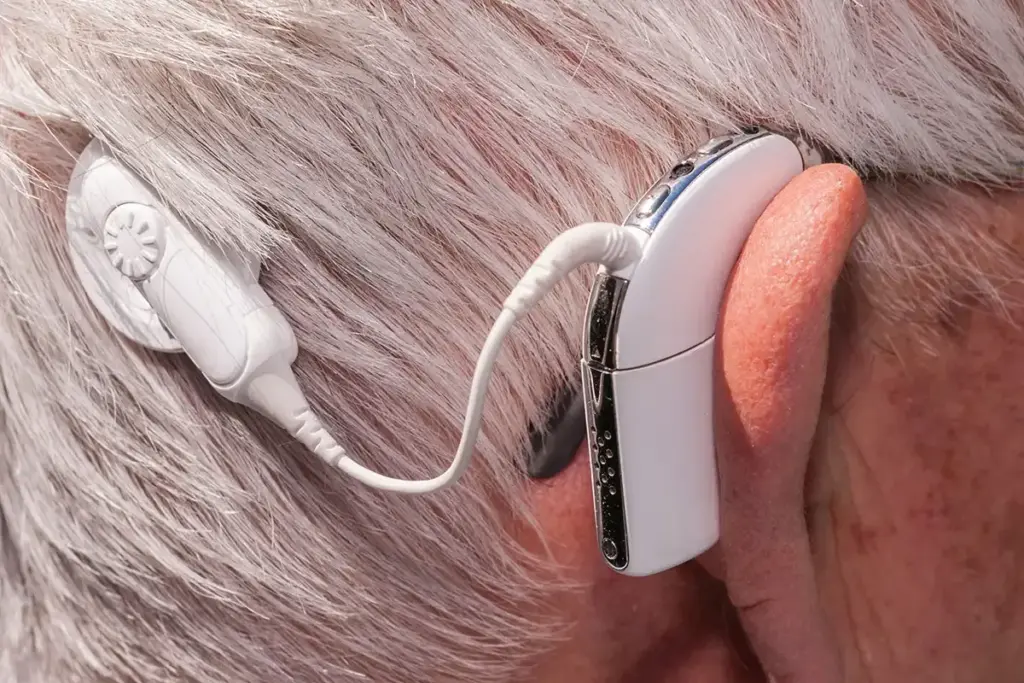
Cochlear implants have both outside and inside parts. The outside bits are a microphone, a speech processor, and a transmitter. The inside part, put in by surgery, has a receiver and an electrode array. The microphone catches sound, which the speech processor turns into signals for the inside part.
The Internal and External Components
The outside parts of a cochlear implant are key for catching and making sense of sound. The speech processor focuses on important sounds like speech. The inside parts, like the electrode array, are made to be small but effective.
It’s important to know the difference between the outside and inside parts. The outside parts can be adjusted to fit better over time. The inside parts need careful surgery to work right.
Physical Activities and Limitations
It’s important for cochlear implant users to know their physical limits. This helps them stay active and safe. Cochlear implants are a big help, but there are things to watch out for.
Swimming and Water Exposure: Are Cochlear Implants Waterproof?
Many wonder if cochlear implants can get wet. The parts outside the body aren’t waterproof. So, it’s key to be careful when swimming.
Swimming with a cochlear implant needs extra care. You might need waterproof covers or special accessories. But, not all implants fit the same accessories. Always check with your audiologist or the maker’s guide.
Contact Sports and High-Impact Activities
Playing sports or doing activities that involve a lot of contact can be risky. The outside part of the implant might get hurt. Wearing protective gear made for cochlear implants is a good idea.
There’s also a small chance the implant could move or get damaged. Talking to your doctor about your plans is a smart move.
Magnetic Interference Concerns
Strong magnetic fields can be a problem for cochlear implant users. This includes things like MRI scans. Modern implants can handle some MRI scans, but you need to tell your doctor first.
Carrying an implant ID card is also a good idea. It tells doctors you have a cochlear implant.
Knowing these limits and taking the right steps lets cochlear implant users stay active. They can enjoy many activities while keeping their implant safe.
Daily Life Challenges for Implant Users
Living with a cochlear implant brings its own set of daily challenges. Users must get used to hearing in a new way. They also need to adjust to how they interact with their surroundings.
Sleeping After Cochlear Implant Surgery
Sleeping after getting a cochlear implant can be tough. It might be because of discomfort or the external device. It’s key to listen to the surgeon’s advice on how to heal right.
Here are some tips for better sleep:
- Keep your head elevated to lessen swelling
- Avoid sleeping on the side of the implant
- Use a supportive pillow for comfort
Battery Dependency and Maintenance Requirements
Cochlear implants need regular upkeep, mainly for their battery. Users have to deal with charging or replacing batteries, which can be a hassle.
|
Maintenance Task |
Frequency |
Tips |
|---|---|---|
|
Battery Charging |
Daily |
Use the charger provided and follow the manufacturer’s guidelines |
|
Device Cleaning |
Weekly |
Use a soft cloth and avoid harsh chemicals |
|
Software Updates |
As Needed |
Stay informed about updates from the manufacturer |
Environmental Sound Perception Limitations
Even though cochlear implants help a lot, they don’t solve all hearing problems. Users might find it hard in very loud places or with specific sounds.
Knowing these limits can help users set realistic goals. It also helps them find ways to handle tough listening situations.
Sound Quality and Perception Issues
Cochlear implants help many people hear better, but the sound they get is different from natural hearing. This difference can cause problems for users. It can affect how happy they are with their implants.
The Gap Between Natural Hearing and Implant Sound
One big issue with cochlear implants is the sound they make versus natural hearing. Natural hearing is complex and lets us understand sound well. Cochlear implants, though, send sound straight to the nerve, making it sound mechanically processed.
This difference is hard to ignore, like when trying to hear in noisy places or enjoy music.
Music Appreciation Difficulties
Many find it hard to enjoy music with cochlear implants. Music has complex sounds like melody and rhythm. But, implants can’t always get these right, making music sound unnatural.
Background Noise Challenges in Social Settings
Background noise is a big problem for cochlear implant users in places like restaurants. Being able to ignore background noise is key for clear communication. But, implants often can’t do this well.
This leads to a mix of sounds that are hard to make out. It can make users feel tired and frustrated.
These issues show we need to keep working on making cochlear implants better. We need to improve the sound quality and how users feel about them.
Why Cochlear Implants Are Bad: Critical Perspectives
Cochlear implants are seen as a fix for hearing loss, but they also raise important concerns. These concerns affect not just the person with the implant but also the wider culture and ethics.
Deaf Culture Concerns and Identity Erasure
Cochlear implants can harm deaf culture. Deaf communities have their own culture, language, and history. The use of implants, mainly in kids, worries about losing this culture.
The narrative of Tasha Ghouri highlights the significance of identity and the need for diverse representation among individuals with cochlear implants. The story of these devices can deeply affect users.
“The deaf community is not just a group of people who can’t hear; it’s a vibrant culture with its own language, history, and identity.”
By seeing implants as a cure, we might overlook the value of deaf culture.
Alternatives to Cochlear Implantation
There are other ways to deal with hearing loss. Options like hearing aids, sign language, and other tech can help people communicate. It’s key to think about these choices and what the person or family wants.
Looking at all options can help make a choice that respects the person’s culture and identity.
Ethical Considerations for Children
Deciding on a cochlear implant for a child is very complex. Parents must think about the benefits and risks. They should also think about how it might affect the child’s identity and culture.
It’s important to talk to doctors, audiologists, and deaf community members. This way, everyone understands the big picture.
- The impact on the child’s cultural identity
- The risks of surgery and keeping the device working
- The child’s right to choose about the implant
Thinking about these points helps families make choices that fit their values and what’s best for the child.
Medical Risks and Complications with Cochlear Implants
Cochlear implants can greatly improve life for those with severe hearing loss. But, it’s important to know about the risks. We’ll look at the medical risks and complications of these implants.
Surgical Risks During Implantation
Surgical risks with cochlear implants are a big concern. These include infections, bleeding, and reactions to anesthesia. There are also risks specific to the surgery, like damage to nerves that could cause facial paralysis or changes in taste.
Surgical Complication Rates: While major complications are rare, they can happen. Knowing about these risks is key for both patients and surgeons.
Potential Damage to Residual Hearing
Inserting an electrode array into the cochlea can risk any remaining hearing. This risk depends on the surgery, the type of electrode, and the person’s ear anatomy.
|
Factor |
Impact on Residual Hearing |
|---|---|
|
Surgical Technique |
Soft surgery techniques can minimize trauma to the cochlea. |
|
Electrode Type |
Some electrodes are designed to be less traumatic than others. |
|
Individual Anatomy |
Variations in cochlear anatomy can affect the risk of damage. |
Infection Risks and Prevention Strategies
Infections can happen after getting a cochlear implant. To prevent this, doctors use antibiotics and follow strict surgical and post-operative care. It’s important to watch for signs of infection and get help right away.
Prevention Strategies: Using antibiotics and proper wound care can lower the chance of infection.
Side Effects After Cochlear Implant Surgery
It’s important to know about side effects after cochlear implant surgery. This helps manage expectations and ensures a smooth recovery. Cochlear implants can greatly improve life for those with severe hearing loss. But, the surgery and recovery can have side effects.
Immediate Post-Surgical Complications
Right after surgery, patients might face several complications. These include:
- Swelling and bruising around the surgical site
- Pain or discomfort, which can usually be managed with medication
- Taste disturbances due to the surgical procedure
- Dizziness or vertigo
These issues are usually short-term and get better in a few weeks.
Long-term Side Effects and Management
Some patients may deal with long-term side effects. These can include:
|
Side Effect |
Management Strategy |
|---|---|
|
Tinnitus (ringing in the ears) |
Sound therapy, counseling |
|
Hearing loss in the non-implanted ear |
Regular audiological assessments, possible hearing aids |
|
Device malfunction or failure |
Regular check-ups, device replacement if needed |
Managing these side effects often needs a team effort. This team includes audiologists, ENT specialists, and sometimes psychologists.
Facial Nerve Complications
Facial nerve complications are a risk with cochlear implant surgery. These can be from temporary weakness to permanent paralysis, though rare. Thanks to better surgery and monitoring, this risk has decreased.
“The risk of facial nerve injury is a significant consideration in cochlear implant surgery. Advances in surgical techniques and monitoring have reduced this risk, but it remains a critical aspect of pre-surgical counseling.”ENT Specialist
In conclusion, while cochlear implant surgery is a good option for severe hearing loss, knowing the side effects is key. Understanding these risks and working with healthcare professionals helps patients on their journey to better hearing.
Device Failure and Malfunction Concerns
Cochlear implants have changed how we treat hearing loss. But, they can fail, affecting a person’s life greatly.
Implant Failure Rates and Statistics
Failure rates for cochlear implants vary. Some studies show a few percent fail, while others report up to 10% or more over time. A detailed review found a 4.5% failure rate overall. But, what counts as a failure can differ.
It’s important to know these numbers and why implants fail. Failures can be due to defects, trauma, or technical problems. We need to think about these risks when deciding if cochlear implants are right.
Key statistics on cochlear implant failure include:
- Average failure rate: around 4-5%
- Range of failure rates: 1-15% depending on the study and criteria used
- Causes of failure: technical faults, biological complications, device incompatibility
Reimplantation Challenges and Considerations
If a cochlear implant fails, getting a new one might be needed. But, this surgery is harder than the first one. Risks include more scarring, changed anatomy, and problems with removing the old device.
“Reimplantation surgery requires careful planning and consideration of the individual’s specific circumstances, including the reason for the initial device failure and any changes in their auditory or overall health.”Cochlear Implant Specialist
Deciding to reimplant needs a deep look at the person’s hearing needs and what the new device can offer. Newer implants might work better or have more features.
Obsolescence and Upgrade Issues
Technology in cochlear implants keeps getting better. But, this means older devices might not work as well. Users might miss out on new features and improvements.
Upgrading a cochlear implant is not easy. It often needs more surgery, which is risky. Also, it can be expensive, and insurance might not cover it.
Thinking about device obsolescence and future upgrades is important when considering cochlear implants.
Financial Burden of Cochlear Implants
Choosing to get a cochlear implant is a big decision. It’s not just about health; it’s also about money. The cost of these implants goes beyond the surgery itself.
Initial Costs and Ongoing Expenses
The initial cost of cochlear implants is high. It includes the device, surgery, hospital stay, and rehab. The average price for one ear is between $30,000 and $50,000. You also have to pay for upkeep, like new batteries or updates.
“The financial burden of cochlear implants can be overwhelming for many families,” says a healthcare expert. “It’s not just the first cost. It’s the long-term care and upkeep that matters.”
Insurance Coverage Limitations
Getting a cochlear implant can be tough because of insurance coverage limitations. Some plans cover it, but others don’t. Or they might have rules you need to follow to get coverage.
- Variability in insurance coverage
- Pre-approval requirements
- Limits on coverage for related services like speech therapy
Lifetime Financial Commitment
The lifetime financial commitment for cochlear implants is big. You’ll need to budget for future costs, like maintenance and upgrades. This long-term cost is something to think about carefully.
Looking at the financial side of cochlear implants shows they’re a big deal. They change lives but come with big costs. Knowing these costs helps people make better choices about their health.
Psychological Impact and Adjustment Challenges
The journey with cochlear implants is more than just surgery. It’s about the complex process of adjusting psychologically. People face many challenges that affect their well-being.
Managing Expectations vs. Reality
Managing expectations is a big challenge with cochlear implants. Many have high hopes, but reality can differ. Adapting to new sounds and sensations can be hard and frustrating.
Tasha Ghouri, a model and TV star, has shared her cochlear implant journey. Her story shows the importance of managing expectations and the emotional adjustments. Her experience offers valuable insights into the personal side of this choice.
Identity Challenges and Social Integration
Cochlear implants can change how people see themselves and how others see them. It’s a time to rethink self-perception and social roles. Social integration is key, as people adjust to new social situations and possible stigma.
Everyone’s emotional journey is different. Some feel liberated, while others face big challenges. We need to support each person in their unique way.
Coping with Disappointment When Results Are Suboptimal
Not everyone gets the results they hope for with cochlear implants. Coping with disappointment is a big challenge. Having a support system, like counseling and groups, is vital.
Understanding the risk of disappointment helps prepare for any outcome. This proactive approach is key to managing the emotional impact.
Technological Limitations of Current Implants
Cochlear implants are a big help, but they have some big challenges. These issues can make the device less effective and affect the user’s quality of life.
Sound Processing Constraints
One big problem is how well cochlear implants process sound. It’s hard to make sense of all the sounds around us. This is why it’s tough for many to understand speech in noisy places.
Key Challenges in Sound Processing:
- Difficulty in distinguishing between similar sounds
- Struggling to understand speech in environments with background noise
- Limited ability to appreciate music due to the complexity of sound signals
|
Sound Processing Feature |
Current Limitation |
Potential Improvement |
|---|---|---|
|
Noise Reduction |
Limited effectiveness in very noisy environments |
Advanced algorithms for better noise filtering |
|
Music Appreciation |
Difficulty in processing complex musical signals |
Enhanced signal processing for nuanced sound |
|
Speech Recognition |
Struggles with accents and fast speech |
Improved speech recognition software |
Battery Life and Power Management Issues
Battery life is a big problem for cochlear implants. Users often have to recharge or replace batteries a lot. This can really mess up their day.
For kids and people who are always on the go, this is a huge challenge.
Compatibility Problems with Other Technologies
Cochlear implants sometimes don’t work well with other devices. This includes smartphones, TVs, and hearing aids. It makes it hard for users to use their implants with other tech they need every day.
Examples of Compatibility Issues:
- Interference with certain mobile phone frequencies
- Difficulty in connecting to Bluetooth devices
- Incompatibility with some assistive listening systems
As tech gets better, solving these problems will be key to making implants work better for everyone.
Age-Related Considerations and Limitations
Cochlear implants affect people differently based on their age. Each age group has its own set of challenges and opportunities.
Elderly Patients and Cognitive Adaptation Challenges
Elderly people face unique challenges with cochlear implants. Their brains may not process sounds as well as they used to.
It’s important to think about how much mental effort is needed to adjust to new sounds. Older adults might need more time and practice to get used to it.
Cognitive Adaptation Strategies for Elderly:
- Personalized rehabilitation programs
- Regular auditory training sessions
- Support from family and caregivers
Very Young Children: Developmental Concerns
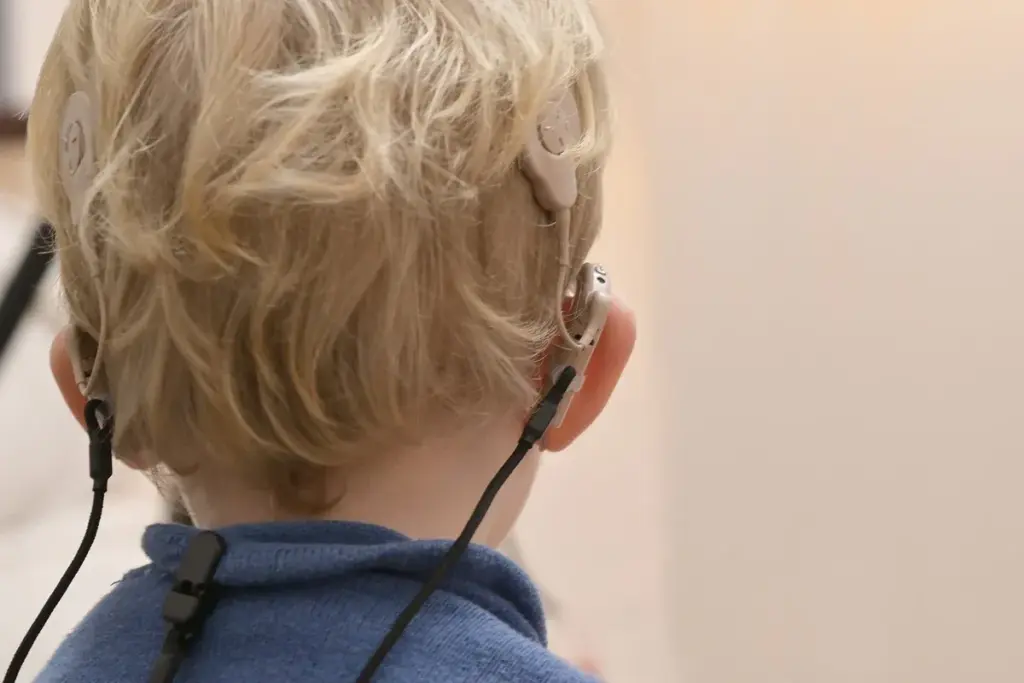
Young children’s language skills can be greatly impacted by cochlear implants. Early implantation is often recommended to help with language development.
It’s important to watch their language skills closely and make sure the implant is working right. Regular check-ups with audiologists and speech therapists are key.
|
Age at Implantation |
Language Development Outcome |
|---|---|
|
Under 12 months |
Typically achieves age-appropriate language skills |
|
1-2 years |
Often achieves significant language development |
|
2-3 years |
May experience some delay but can catch up with therapy |
Adolescents and Social Stigma
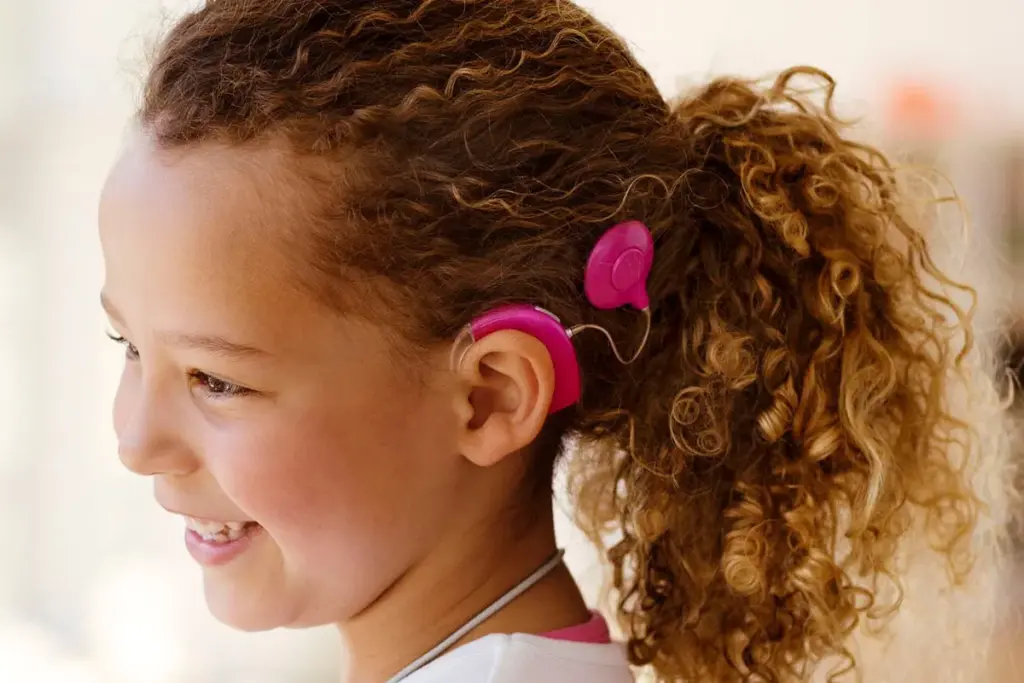
Adolescents with cochlear implants may feel self-conscious about their appearance. The visible part of the implant can make them feel different.
We need to offer counseling and support groups to help them. Understanding the benefits and normalizing their experience can help reduce stigma.
In conclusion, age is a big factor in how well cochlear implants work. Knowing this helps us better support and manage expectations.
Disadvantages of Cochlear Implants Compared to Hearing Aids
Cochlear implants have clear downsides, mainly in how invasive and inflexible they are compared to hearing aids. Both devices aim to help with hearing, but they do so in different ways.
Invasiveness and Irreversibility
One big worry with cochlear implants is how invasive they are. Unlike hearing aids, which you can wear, implants need surgical implantation in your inner ear. This surgery comes with risks like infection and damage to the facial nerve.
It also risks harming any hearing you might have left. And, once you get an implant, taking it out can cause more problems.
Natural Hearing Preservation Concerns
Getting a cochlear implant can hurt your chances of keeping any hearing you have left. The surgery puts an electrode in your cochlea, which can damage your ear’s delicate parts. This might mean losing what little hearing you have.
Hearing aids, on the other hand, don’t touch your ear’s natural parts. So, they don’t hurt your chances of keeping any hearing you have.
Flexibility and Adaptability Differences
Hearing aids are much more flexible and adaptable than cochlear implants. You can easily change or upgrade them as your hearing needs change. Cochlear implants, being implanted, are harder to modify or improve.
Even with new tech, implants can’t match the ease of adjustment that hearing aids offer.
In summary, while cochlear implants can be a big help for some with severe hearing loss, they have big downsides. These include being very invasive, risking your natural hearing, and being less flexible and adaptable than hearing aids.
Professional and Career Limitations
People with cochlear implants face many challenges at work. These implants greatly improve life for many, but they also bring specific work issues. These issues can affect how far someone can go in their career.
Workplace Challenges and Necessary Accommodations
Those with cochlear implants may struggle with background noise and communication problems. Employers can help a lot by making adjustments. This could mean quieter spaces or visual alerts.
A study showed that small changes can make a big difference. Things like flexible work hours and assistive devices can boost job satisfaction and productivity.
Careers with Specific Hearing Requirements
Some jobs need perfect hearing, which can be tough for those with cochlear implants. Jobs in music, broadcasting, or law enforcement might be hard to do with implants.
It’s key for those thinking about implants to think about how it might affect their job. They should look into careers that fit better with their hearing after the implant.
Communication Barriers in Professional Settings
Communication is hard for those with cochlear implants, mainly in noisy places. Learning to deal with these issues is important. This could mean using visual aids or asking for things to be repeated.
Also, it helps to educate coworkers and clients about cochlear implants. This can make the workplace more understanding and welcoming.
Travel and Geographic Restrictions
Traveling with a cochlear implant is more than just booking a flight. You need to know about the restrictions and challenges you might face.
One big worry is airport security. Metal detectors and advanced imaging can make you anxious.
Airport Security and Metal Detectors
At airport security, cochlear implant users might face problems with metal detectors. It’s important to tell security about your implant before going through.
- Carry your implant identification card with you.
- Inform security personnel about your cochlear implant before the screening.
- Be prepared for additional screening procedures.
Full-body scanners are usually safe for cochlear implant users. But, always tell security about your implant.
Access to Maintenance and Support While Traveling
Getting help for your cochlear implant while traveling can be tough, even in other countries. Here are some tips to help:
- Research local audiologists or cochlear implant specialists at your destination.
- Contact your implant manufacturer’s local representative for assistance.
- Carry a travel kit with essential spare parts and accessories.
Having a plan can help reduce stress and ensure you get the support you need while traveling.
International Healthcare Considerations
When traveling abroad, think about the healthcare options at your destination. Not all countries have the same level of healthcare for cochlear implants.
Key Considerations:
- Research local healthcare facilities and their capabilities.
- Understand the local healthcare system and any costs.
- Consider purchasing travel insurance that covers medical emergencies.
Being informed and prepared can help you avoid risks and have a smoother trip.
Conclusion: Making Informed Decisions About Cochlear Implants
Understanding the pros and cons of cochlear implants is key for those thinking about them. The criticisms show we need a balanced view. This includes seeing both the good and the bad sides.
Tasha Ghouri’s story and the GNAI document show how complex cochlear implants can be. They highlight the need for careful thought. This includes looking at personal, medical, and tech factors. By comparing the good and bad, people can choose what’s best for them.
Deciding on cochlear implants means knowing a lot about them. It’s about understanding their limits and how they might change your life. As we move forward, staying up-to-date with new tech is vital. This helps us tackle current challenges.
FAQ
What are the main drawbacks of cochlear implants?
Cochlear implants have several drawbacks. These include surgical risks and the chance of damaging what little hearing you have left. They also don’t always sound as good as natural hearing. Plus, they can be expensive and affect your mental health.
Are cochlear implants waterproof?
Cochlear implants are not fully waterproof. Some parts might be okay with water, but it’s best to avoid getting them wet. This means no swimming or bathing without protection.
Can I participate in contact sports with a cochlear implant?
Contact sports can be risky for cochlear implant users. They might damage the implant or the tissue around it. Always talk to a doctor before playing sports that could be dangerous.
How do cochlear implants affect music appreciation?
Cochlear implants can make it hard to enjoy music. They struggle to capture the details of sound. This makes it tough to appreciate the fullness of music.
What are the alternatives to cochlear implantation?
There are other options instead of cochlear implants. You could try hearing aids, sign language, or other devices to help with hearing. The best choice depends on your hearing needs and what you prefer.
What are the risks associated with cochlear implant surgery?
Cochlear implant surgery comes with risks. These include infection, damage to the facial nerve, and losing what little hearing you have. It’s important to talk about these risks with a doctor.
How do I manage side effects after cochlear implant surgery?
Managing side effects after surgery might involve medical treatment and rehabilitation. You might also need to adjust your implant settings. Always follow the care instructions from your healthcare team.
What happens if my cochlear implant fails?
If your cochlear implant fails, it could be due to a malfunction or surgery problems. You might need another surgery to fix it. This comes with its own set of risks.
Are cochlear implants covered by insurance?
Insurance coverage for cochlear implants varies. Some plans might cover part or all of the costs. Others might not cover anything. It depends on your insurance.
How do cochlear implants impact daily life?
Cochlear implants can change your daily life a lot. They affect not just your hearing but also your mental health, social life, and work. You might face new challenges and limitations.
Can cochlear implants be used in conjunction with other hearing devices?
Cochlear implants might work with other hearing devices like hearing aids. But how well they work together can vary. It depends on your specific situation.
What are the age-related considerations for cochlear implant users?
Age can affect how well cochlear implants work. Older people might face challenges adapting mentally. Young children and teenagers might deal with different issues, like developmental concerns or stigma. These factors can impact how well you use your implant.
How do cochlear implants compare to hearing aids in terms of invasiveness?
Cochlear implants are more invasive than hearing aids. They require surgery, which is a big deal. This is something to think about when deciding between the two.
Can I travel with a cochlear implant?
Traveling with a cochlear implant needs some planning. Tell airport security about your implant to avoid problems with metal detectors. Also, make sure you have access to maintenance and support while you’re away.
Reference
National Center for Biotechnology Information. Evidence-Based Medical Insight. Retrieved from https://pmc.ncbi.nlm.nih.gov/articles/PMC11932275/