
Feeling unexplained chest pain and abdominal cramps can be scary. These symptoms can come from many things, like stomach problems or heart issues.
At Liv Hospital, we’re here to help. We offer the care and kindness you need. Our team works together to find the right solution for you.
Key Takeaways
- Chest pain and abdominal cramps can occur together due to several causes.
- Digestive issues, heart conditions, muscular strain, and anxiety are possible reasons.
- Knowing the cause is key to managing the symptoms.
- Liv Hospital provides a team approach and caring service.
- We aim to offer both medical skill and warmth in our care.
Understanding Chest Pain and Abdominal Cramps
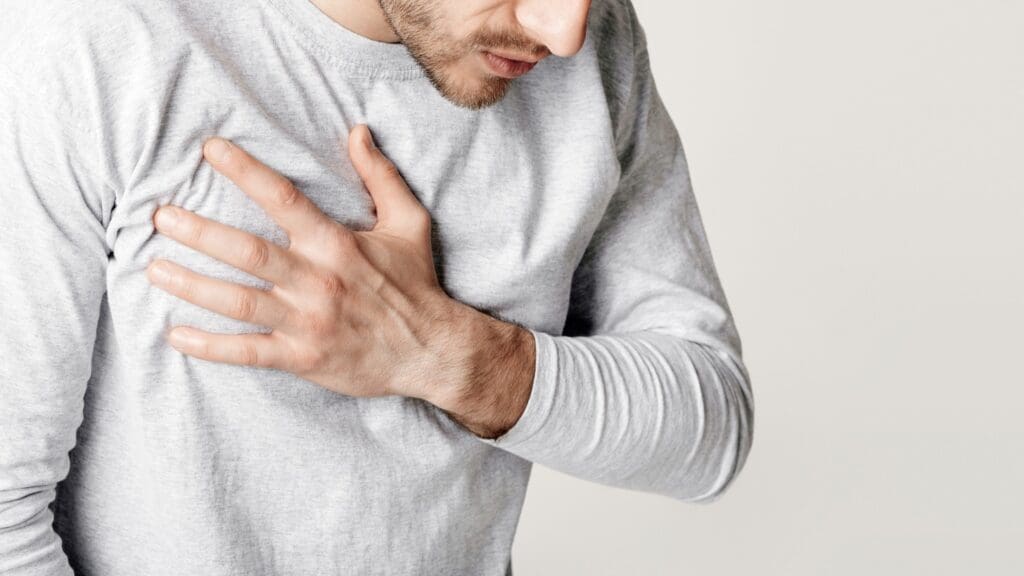
Chest pain and abdominal cramps can be scary. They make people wonder what’s wrong and how to feel better. We aim to give clear info to help you understand these issues.
These pains often come from the stomach, with gastroesophageal reflux disease (GERD) being a big cause. Knowing how these symptoms work is key to managing them.
How These Symptoms Typically Present
Chest pain and stomach cramps can show up in different ways. You might feel sharp or dull pain, or pain that gets worse when you move. For example, pain in the lower chest upper abdomen often means stomach problems. On the other hand, pain in stomach and chest and back could mean something more serious.
- Pain that is sharp or stabbing, often associated with musculoskeletal issues.
- Dull, aching pain that may indicate gastrointestinal problems.
- Pain that radiates or spreads to other areas, such as the back or arms, potentially signifying cardiac or severe gastrointestinal issues.
The Connection Between Chest and Abdominal Discomfort
The nerves in the chest and stomach are connected. The phrenic nerve can send pain from the stomach to the chest. This is why stomach problems can cause chest pain.
“The complexity of the innervation of the chest and abdominal cavities means that pain can be referred from one area to another, complicating diagnosis.”
Common Patterns of Pain Distribution
Where pain is felt can give clues about what’s wrong. For instance, pain in the lower abdomen and chest might point to stomach issues. But pain that starts in the stomach and goes to the chest and back could mean something more serious like pancreatitis.
Understanding these patterns helps us diagnose and treat chest pain and stomach cramps better. This way, people get the right care for their problems.
Digestive Causes of Chest Pain and Abdominal Cramps
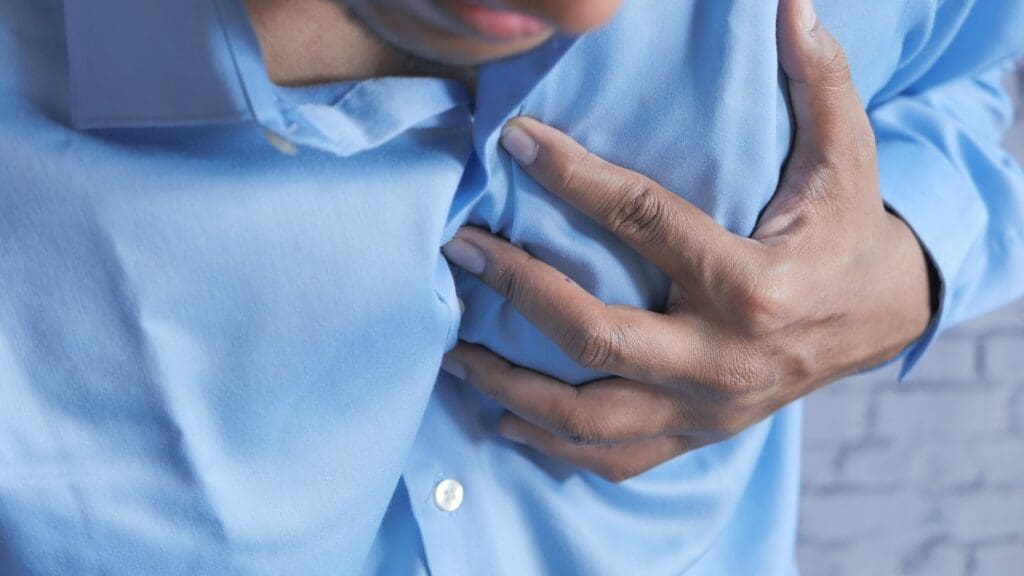
Digestive problems often lead to chest pain and stomach cramps. It’s important to understand why this happens. Many people wonder, “why does my chest and stomach hurt?” Stress and what we eat play big roles in these symptoms.
Gastroesophageal Reflux Disease (GERD)
Gastroesophageal Reflux Disease, or GERD, happens when stomach acid flows back up into the esophagus. This can hurt the esophagus’s lining. Symptoms include chest pain, trouble swallowing, and bringing food back up.
GERD can really affect your life if not treated. Changing your lifestyle and taking medicine to lower acid can help manage it.
Peptic Ulcers and Gastritis
Peptic ulcers are sores in your stomach and small intestine’s top part. Gastritis is inflammation of the stomach lining. Both can cause stomach and chest pain. Mostly, they’re caused by a bacterium called Helicobacter pylori.
“Having H. pylori increases your risk of peptic ulcers and gastritis. These can show up as chest pain and stomach cramps.”
Getting rid of H. pylori with antibiotics and reducing stomach acid with medicine are common treatments.
Irritable Bowel Syndrome (IBS)
Irritable Bowel Syndrome (IBS) affects the large intestine. It causes pain, cramps, bloating, gas, diarrhea, and constipation. IBS doesn’t harm bowel tissue or raise cancer risk but can really affect your life.
Managing stress is key in treating IBS, as stress makes symptoms worse. Eating a low-FODMAP diet can also help manage symptoms.
Gallbladder and Pancreatic Issues
The gallbladder and pancreas are key to digestion. Problems here can cause chest and abdominal pain. We’ll look at how gallbladder disease, gallstones, and pancreatitis lead to these symptoms.
Gallbladder Disease and Gallstones
Gallbladder disease, often linked to gallstones, can cause severe pain. Gallstones are hard deposits in the gallbladder. They can block bile flow, causing pain.
Symptoms of gallbladder disease include:
- Severe pain in the upper right abdomen
- Pain that radiates to the back or right shoulder
- Nausea and vomiting
- Fever
Gallstones can cause inflammation of the gallbladder, known as cholecystitis. This needs quick medical help.
| Condition | Symptoms | Treatment |
|---|---|---|
| Gallstones | Severe abdominal pain, nausea | Surgery to remove the gallbladder |
| Cholecystitis | Severe pain, fever, vomiting | Antibiotics, surgery |
Pancreatitis
Pancreatitis, or inflammation of the pancreas, causes severe pain. This pain often goes to the back and sometimes the chest. It can be acute or chronic.
Acute pancreatitis starts suddenly with severe pain. Chronic pancreatitis has recurring pain and long-term damage.
Pancreatitis can be caused by gallstones, too much alcohol, and some medicines. Treatment aims to fix the cause and manage symptoms.
Knowing about gallbladder and pancreatic issues helps get the right medical care. We aim to support in diagnosing and treating these conditions.
Cardiac Conditions That Mimic Digestive Pain
The difference between heart and stomach pain can be tricky. This is why knowing the causes is key. Heart problems can feel like stomach issues, leading to confusion and late diagnosis. We’ll look at heart attack signs, angina, and pericarditis. It’s vital to get help fast if you have severe or sudden symptoms.
Heart Attack Symptoms
A heart attack happens when blood flow to the heart stops. This damages the heart muscle. Symptoms include chest pain that spreads to the abdomen, arms, or jaw. You might also feel short of breath, nauseous, or tired. It’s important to know these signs and get medical help right away.
Common heart attack symptoms include:
- Chest pain or discomfort
- Pain or discomfort in one or both arms, the back, neck, jaw, or stomach
- Shortness of breath
- Nausea or vomiting
- Lightheadedness or dizziness
- Cold sweats
- Fatigue
Angina
Angina is chest pain or discomfort from less blood to the heart. It often happens when you’re active or stressed. It usually goes away with rest or medicine. Sometimes, people confuse it with indigestion or other stomach problems.
| Condition | Characteristics | Triggers | Relief |
|---|---|---|---|
| Angina | Chest pain or discomfort | Physical exertion, emotional stress | Rest, medication |
| Heart Attack | Severe chest pain, shortness of breath | Blockage of blood flow | Immediate medical attention |
| Pericarditis | Sharp chest pain, worse with deep breaths | Inflammation of the pericardium | Anti-inflammatory medication, rest |
Pericarditis
Pericarditis is when the sac around the heart gets inflamed. It causes sharp chest pain that feels better when sitting up and leaning forward. But, the pain gets worse with deep breaths, coughing, or swallowing.
Knowing about these heart conditions is key for the right treatment. If you think your symptoms might be heart-related, get medical help fast. Our team is here to help you understand your heart health and get the care you need.
Muscular and Skeletal Causes
Muscular and skeletal issues are often overlooked causes of pain in chest and stomach cramps. These problems can show up as chest and stomach pressure. Sometimes, the pain moves from the stomach to the chest. It’s important to know these causes to manage the pain effectively.
Costochondritis
Costochondritis is a condition where the cartilage between the ribs and breastbone gets inflamed. It can cause sharp pains in the chest, sometimes feeling like heart problems. Activities like heavy lifting or severe coughing can trigger it.
Symptoms include:
- Sharp chest pain that gets worse with movement or deep breathing
- Tenderness in the area where the ribs meet the breastbone
Abdominal Muscle Strain
Straining the abdominal muscles can cause a lot of discomfort. This pain can spread to both the abdomen and chest. It often happens from overexertion, sudden twisting, or heavy lifting.
Common symptoms include:
- Pain that gets worse with movement
- Muscle spasms in the abdominal area
Rib Injuries and Intercostal Muscle Pain
Rib injuries or strains in the intercostal muscles can cause a lot of pain. This pain can stay in one place or spread to other areas. It can make you feel like you have chest and stomach pressure.
Symptoms to watch for:
- Pain that increases with deep breathing or coughing
- Tenderness or swelling in the rib area
Understanding these muscular and skeletal causes helps us manage and treat pain in chest and stomach cramps better. Our goal is to provide complete care and support for these often misunderstood conditions.
Psychological Factors Contributing to Chest and Stomach Pain
Stress and anxiety can make your chest and stomach hurt. This shows how our minds and bodies are connected. Mental health affects our physical feelings, often mixing with physical reasons.
Anxiety and Panic Attacks
Anxiety and panic attacks can make your chest and stomach tight. During a panic attack, your body goes into “fight or flight” mode. This can cause a fast heartbeat, sweating, and shaking.
These signs can be scary and might make you think you have a serious health problem. It’s important to deal with both the physical and mental sides of these feelings. Relaxation methods like deep breathing or meditation can help.
Stress-Related Gastrointestinal Symptoms
Stress can hurt your stomach and chest. When stressed, digestion slows down, causing pain, bloating, and cramps. Stress can also make stomach problems worse.
It’s key to manage stress to help your stomach. Yoga, mindfulness, and exercise can lower stress and improve health.
The Gut-Brain Connection
The gut and brain talk to each other through the gut-brain axis. This network lets the brain and gut send messages back and forth. This is why stress can show up as stomach pain.
We focus on both your body and mind’s health. Knowing about the gut-brain connection helps us treat symptoms better. We aim for care that covers both your mental and stomach health.
Understanding Pain in Specific Areas
It’s key to know where pain happens to figure out why you’re feeling chest pain and stomach cramps. The spot and how it feels can tell us a lot. This helps doctors guess what might be wrong.
Pain in Lower Chest Upper Abdomen
Pain in the lower chest and upper belly often points to stomach problems, like peptic ulcers. This pain comes from stomach acid hitting an ulcer, causing discomfort that might spread to the chest. Another possible cause is gastroesophageal reflux disease (GERD), where stomach acid goes back up into the esophagus, leading to pain in the lower chest and upper belly.
Discomfort in Chest and Lower Abdomen
Feeling pain in both the chest and lower belly can mean different things. It might be due to irritable bowel syndrome (IBS), where you also have changes in bowel habits. Or, it could be linked to cardiac issues, like angina, where pain moves to the belly. Getting a detailed medical check is vital to find out the real cause.
Pain That Spreads from Stomach to Chest and Back
Pain starting in the stomach and moving to the chest and back might signal a serious issue, like pancreatitis. Inflammation of the pancreas can cause severe pain that goes to the back and sometimes the chest. This pain needs quick medical care to handle it well and avoid worse problems.
Understanding where pain is felt helps us deal with the complex link between chest pain and stomach cramps. This leads to better diagnosis and treatment.
Diagnostic Approaches for Combined Symptoms
When you have both chest pain and abdominal cramps, finding the cause is key. Doctors use many steps to figure out what’s wrong. These steps include talking to you, doing a physical check, running tests, and using imaging.
Medical History and Physical Examination
First, doctors will ask you lots of questions and do a physical check. They want to know when and how long the pain lasts, and if you feel sick to your stomach or have trouble breathing. They also look for any signs of pain or unusual sounds in your heart or belly.
Knowing your medical history is very important. It can tell doctors if you’ve had similar pain before or if you have any health conditions. For example, if you’ve had stomach problems or heart issues, it can help them guess what might be causing your pain now.
Laboratory Tests and Biomarkers
Lab tests are a big part of figuring out what’s wrong. Blood tests can show if you have an infection, inflammation, or heart damage. For example, if your heart enzymes are high, it might mean you’re having a heart attack. Or, if your liver tests are off, it could mean you have liver or gallbladder problems.
Tests like troponin levels are key for spotting heart problems. Other tests, like blood counts and electrolyte panels, give doctors more clues about your health.
Imaging Studies and Specialized Tests
Imaging tests are often needed to look closer at your chest and belly. Chest X-rays can spot lung or heart issues, and an ultrasound can check your gallbladder and liver. Sometimes, a CT scan or MRI is needed for clearer pictures of your organs.
Doctors might also suggest special tests like endoscopy or stress tests. These help them make a more precise diagnosis and plan the best treatment for you.
Treatment Options for Chest Pain and Abdominal Cramps
Treatment for chest and abdominal pain involves many steps. This includes medical care, diet changes, and lifestyle adjustments. Finding the right cause of these symptoms is key to managing them well.
Medications for Different Underlying Causes
Medicines vary based on the cause of pain. For GERD, we often use antacids or PPIs. Anti-anxiety drugs help with anxiety-related pain.
| Condition | Common Medications |
|---|---|
| GERD | Antacids, PPIs (e.g., omeprazole) |
| Peptic Ulcer | H2 blockers (e.g., ranitidine), PPIs |
| Anxiety | Benzodiazepines (short-term), SSRIs |
Dietary and Lifestyle Modifications
Changing what you eat is important for managing pain. We suggest avoiding certain foods, eating smaller meals, and keeping a healthy weight. Stress management and regular exercise also help.
- Avoid foods that trigger symptoms
- Eat smaller, more frequent meals
- Maintain a healthy weight
- Practice stress-reducing techniques (e.g., meditation, yoga)
Surgical Interventions When Necessary
Surgery might be needed for some causes of pain. For example, removing the gallbladder is sometimes necessary for severe symptoms caused by gallstones.
We focus on giving our patients the best care. We make sure they get the right treatment for their specific needs.
Prevention Strategies to Avoid Recurrence
Recurring chest pain and abdominal cramps can be lessened by making dietary changes, managing stress, and staying active. Knowing and using these strategies can help avoid these symptoms.
Dietary Triggers to Avoid
Some foods and drinks can cause or worsen chest pain and abdominal cramps. Spicy foods, fatty or fried foods, caffeine, and carbonated drinks are common culprits. Keeping a food diary can help pinpoint what triggers your symptoms, leading to better dietary choices.
- Spicy Foods: Try to limit or avoid spicy foods that can upset your stomach.
- Fatty or Fried Foods: Cut down on fatty or fried foods that can slow digestion and cause discomfort.
- Caffeine and Carbonated Drinks: Reduce or avoid caffeine and carbonated drinks to prevent bloating and discomfort.
“The key to managing symptoms is understanding your body’s response to different foods and making informed choices.”
Stress Management Techniques
Stress plays a big role in chest pain and abdominal cramps. Using effective stress management techniques can help ease these symptoms.
- Meditation and Deep Breathing: Meditation and deep breathing can help lower stress levels.
- Physical Activity: Regular exercise can manage stress and boost overall health.
- Relaxation Techniques: Progressive muscle relaxation can also be helpful.
Regular Exercise and Proper Posture
Regular physical activity not only manages stress but also aids digestion and health. Keeping a good posture is key to avoiding muscle strain and reducing discomfort in the chest and abdomen.
- Regular Exercise: Regular physical activity improves health and reduces symptoms.
- Proper Posture: Good posture prevents muscle strain and discomfort.
Preventive Medical Care
Regular visits to healthcare providers are vital for preventive care. These visits can spot issues early, allowing for quick action.
By adopting these prevention strategies, people can greatly reduce chest pain and abdominal cramps. This improves their overall quality of life.
Conclusion
Understanding chest pain and abdominal cramps is key to managing them well. We’ve looked at many possible causes, from digestive problems to heart issues. It’s also important to use a thorough diagnostic approach.
By knowing the cause, we can choose the right treatment. This might include medicines, changes in lifestyle, or surgery. We promise to give you the care and kindness you need during this time.
In short, dealing with chest pain and abdominal cramps can be complex. We hope this info helps you take charge of your health. Our aim is to support you fully, ensuring you get top-notch care every step of the way.
What are the common causes of chest pain and abdominal cramps?
Chest pain and stomach cramps can come from many sources. Digestive problems like GERD, peptic ulcers, and IBS are common culprits. Cardiac issues, muscle strain, and anxiety also play a role.
Why does my chest and stomach hurt after eating?
Eating can trigger pain in your chest and stomach. This is often due to digestive issues like GERD, gastritis, or peptic ulcers. Certain foods or eating habits can set off these problems.
Can stress cause chest pain and abdominal cramps?
Yes, stress and anxiety can lead to chest pain and stomach cramps. This happens through the gut-brain connection. It affects your digestion and causes muscle tension.
How are chest pain and abdominal cramps diagnosed?
Doctors use a detailed medical history and physical exam to diagnose these pains. They also run lab tests and imaging studies to find the cause.
What are the treatment options for chest pain and abdominal cramps?
Treatment varies based on the cause. It might include medicines, changes in diet and lifestyle, or surgery if needed.
Can pain in the lower chest upper abdomen be a sign of a serious condition?
Yes, pain in this area can signal serious issues like peptic ulcers or gallbladder disease. It’s important to see a doctor quickly.
How can I prevent chest pain and abdominal cramps from recurring?
To prevent these pains, avoid foods that trigger them. Manage stress, exercise regularly, and maintain good posture. Also, get regular medical check-ups.
Are there any specific dietary changes that can help alleviate chest pain and abdominal cramps?
Yes, changing your diet can help. Avoid foods that trigger pain, eat smaller meals, and keep a healthy weight.
Can anxiety cause sharp pains in the chest and stomach?
Yes, anxiety and panic attacks can cause sharp pains. This is due to the body’s stress response and the connection between the gut and brain.
What is the connection between chest pain and lower abdomen pain?
Chest and lower abdomen pain can be linked to many conditions. This includes gastrointestinal issues. A thorough medical check-up is needed to find the cause.
References
NHS. Coronary Heart Disease – Symptoms. https://www.nhs.uk/conditions/coronary-heart-disease/symptoms/
NHS. Coronary Heart Disease. https://www.nhs.uk/conditions/coronary-heart-disease/
Visit Complete Care. Freestanding Emergency Room Services. https://www.visitcompletecare.com/emergency-room-services/
Baptist Health. Chest & Abdominal Pain: ER or Urgent Care. https://www.baptisthealth.com/care-services/types-of-care/er-urgent-care/conditions-we-treat/chest-abdominal-pain