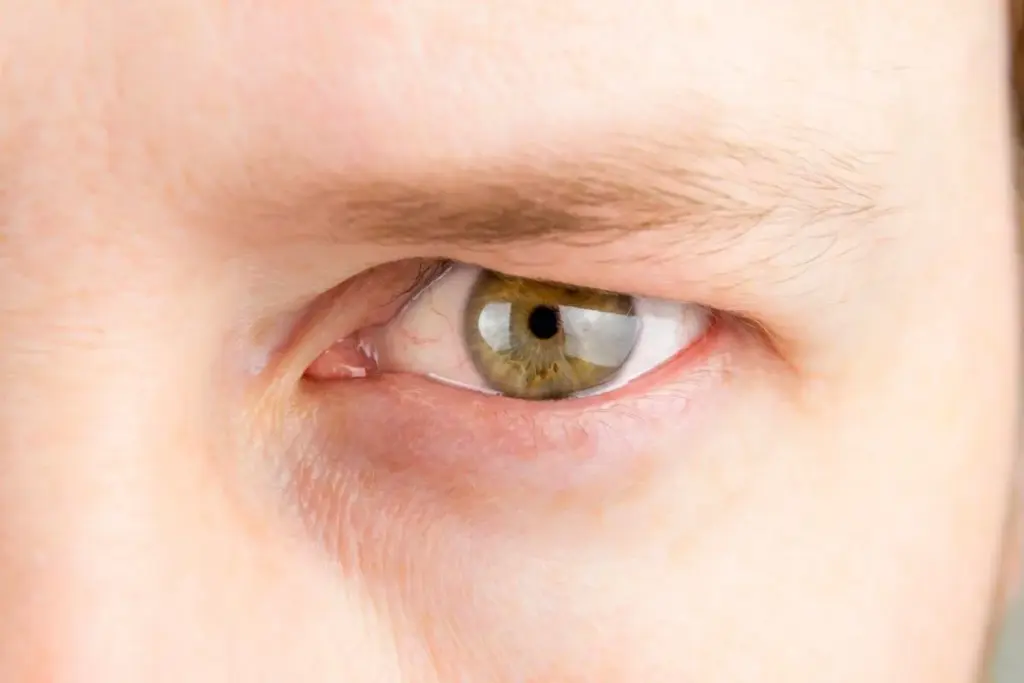
Ever noticed your eyes don’t match? Uneven eyes, or asymmetrical eyes, happen when eyes are different sizes or shapes. Studies say most people have some eye asymmetry.
Many things can make your eyes uneven. Genetics, aging, and some health issues play a part. Knowing why and how to fix it can help you take care of your eyes. Places like Liv Hospital focus on you, helping with facial asymmetry.
Key Takeaways
- Uneven eyes are a common condition where the eyes are not perfectly symmetrical.
- Facial asymmetry is highly prevalent and can be caused by various factors.
- Genetics, aging, and medical conditions can contribute to uneven eyes.
- Understanding the causes and treatment options is key for making informed decisions.
- Medical institutions like Liv Hospital offer patient-centered care for addressing facial asymmetry.
Understanding Facial Asymmetry
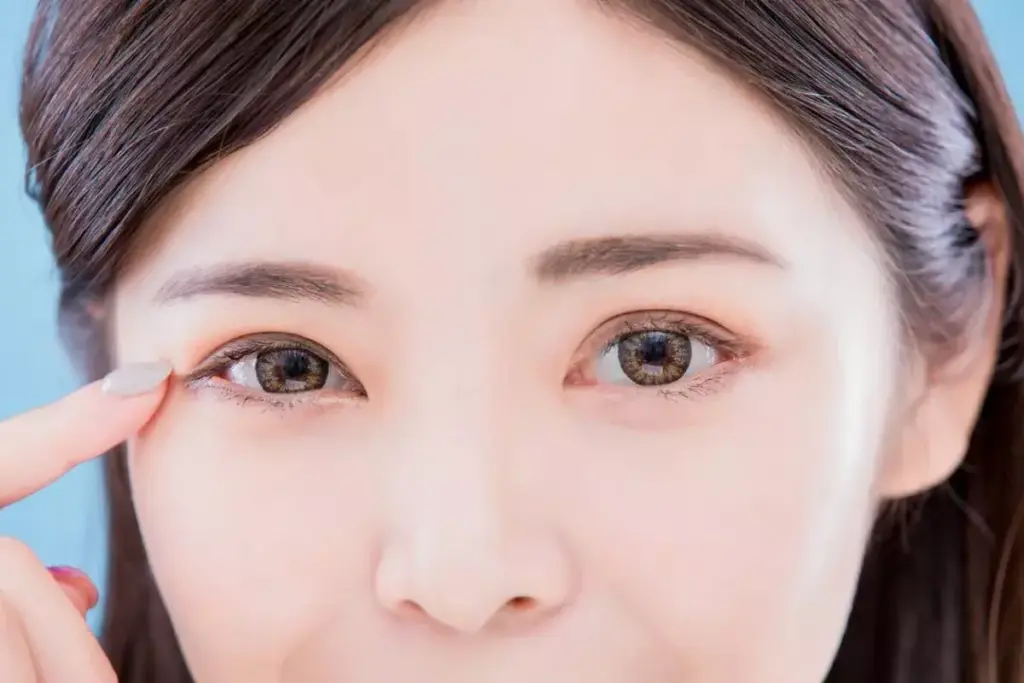
The human face is rarely perfectly symmetrical. This is true, even more so for the eyes. Facial asymmetry means the two sides of the face are not exactly the same. This can show up in eye shape, size, or where they sit.
What Are Asymmetrical Eyes?
Asymmetrical eyes mean the eyes are not the same in shape, size, or how they line up. This can be due to differences in eyelid height, eye shape, or how far apart they are. Minor differences in eye position or shape are common and usually harmless, but some can signal health problems.
The Normalcy of Uneven Features
It’s normal to have some facial asymmetry. Studies show that slightly asymmetrical eyes are common and usually don’t cause health issues. The important thing is if the asymmetry is stable, recent, or getting worse. Stable asymmetry is generally considered a normal variation in facial structure.
| Characteristics | Normal Asymmetry | Potential Medical Concern |
| Eye Shape/Size | Minor differences | Significant differences or changes |
| Eye Alignment | Slight variations | Noticeable or sudden changes |
| Impact on Vision | No impact | Affects vision or causes discomfort |
Knowing about facial asymmetry can ease worries and tell us when to see a doctor. While asymmetrical eyes are usually not a worry, it’s key to watch for any big or sudden changes. If you notice something different, it’s best to talk to a healthcare expert.
Common Causes of Lopsided Eyes
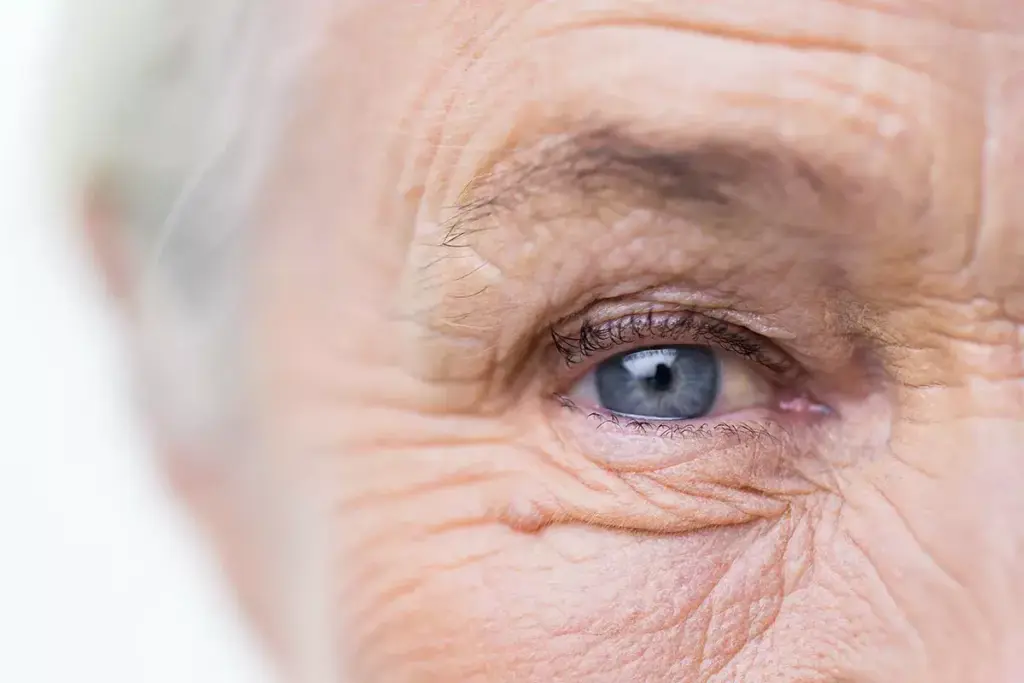
Many things can make our eyes look uneven. These include our genes, aging, and some health issues. Knowing why our eyes might look different can help us decide if we need to see a doctor.
Genetic and Hereditary Factors
Our genes greatly influence how our eyes look. Asymmetrical eyes can be passed down from our parents. If your family has uneven eyes, you might too. This is usually just a natural part of our looks.
Natural Aging Process
As we get older, our skin and eye muscles get weaker. This can make one eye look different. It’s a common sign of aging and affects many people.
Ptosis and Muscle Weakness
Ptosis, or a drooping eyelid, can make eyes look uneven. It happens when the levator muscle that lifts the eyelid weakens. It can be caused by injury, disease, or aging.
Temporary Factors: Allergies, Swelling, and Fatigue
Short-term issues like allergies, swelling, or tiredness can also make eyes look uneven. For example, allergic reactions can swell the eyes. Lack of sleep can also make eyelids droop. These problems usually go away once the cause is fixed.
- Genetic and hereditary factors
- The natural aging process
- Ptosis and muscle weakness
- Temporary factors such as allergies, swelling, and fatigue
When to Consult a Medical Professional
Knowing when uneven eyes need a doctor’s check-up is key. Many cases of uneven eyes are just part of our genes. But, some changes might mean there’s a health issue that needs quick attention.
Distinguishing Normal Asymmetry from Medical Concerns
Facial asymmetry, like uneven eyes, is common and usually not a worry. But, if you see sudden changes or your eyes drooping, it could be serious. If you notice these signs, it’s important to see a doctor right away.
Normal asymmetry doesn’t change much and doesn’t come with other bad signs. But, if one eye looks way different from the other, or if your eye’s shape or color changes, it’s time to get medical help.
Underlying Conditions That May Cause Sudden Eye Changes
Many health issues can make your eyes look or work differently. For example, ptosis (drooping eyelid) can happen from muscle or nerve problems. Thyroid eye disease can make your eyes bulge, and conditions like stroke or myasthenia gravis can mess with how your eyes move.
| Condition | Symptoms | Potential Causes |
| Ptosis | Drooping eyelid | Muscle weakness, nerve damage |
| Thyroid Eye Disease | Bulging eyes, eye pain | Thyroid dysfunction |
| Myasthenia Gravis | Muscle weakness, double vision | Autoimmune disorder |
If your eyes change suddenly or you’re worried about your eye health, it’s best to be safe and see a doctor. Catching and treating problems early can make a big difference.
Conclusion
Knowing why eyes are uneven is key to finding the right solution. This could be for looks or health reasons. We’ve looked at how genetics, aging, and health issues can cause uneven eyes.
Getting a check-up from a skilled expert is vital. They can find out why your eyes are uneven and suggest the best treatment. If you’re worried about uneven eyes, a place like Marin Aesthetics can help with personalized advice.
We stress the need to know about uneven eyes and what they might mean. Getting professional help can help fix the issue. This way, you can get a more even and natural look.
FAQ
Why do I have two different eye shapes?
Eye shape differences can come from genetics, aging, or medical conditions. Minor differences are common and usually not a problem.
Is it normal to have one eye higher than the other?
Yes, it’s normal for eyes to be a bit different. But big differences might mean a problem like muscle weakness or facial paralysis.
Can allergies cause uneven eyes?
Yes, allergies can make eyes swell, causing them to look uneven. This usually goes away once the allergy is treated.
How does aging affect the symmetry of my eyes?
Aging can change eye shape and position, causing asymmetry. This can happen due to muscle weakness or conditions like ptosis.
What is ptosis, and can it cause uneven eyes?
Ptosis is when the eyelid droops. It can make eyes look uneven if one eyelid droops more. It can be from birth or happen later due to aging or other conditions.
When should I consult a medical professional about my uneven eyes?
See a doctor if your eye look changes suddenly, if you have vision problems, or if you’re worried about eye asymmetry. Some conditions need quick medical check-ups.
Can uneven eyes be a sign of an underlying medical condition?
Yes, uneven eyes can signal a medical issue like a neurological disorder or a muscle condition. A doctor can check and guide you.
Are there treatment options available for asymmetrical eyes?
Yes, treatments exist for uneven eyes, depending on the cause. These can be surgical or non-surgical. A doctor can suggest the best option for you.
References
World Health Organization. Evidence-Based Medical Insight. Retrieved from https://www.who.int/news-room/fact-sheets/detail/ageing-and-health



 Departments
 Related Videos
 Our Doctors
 News
News