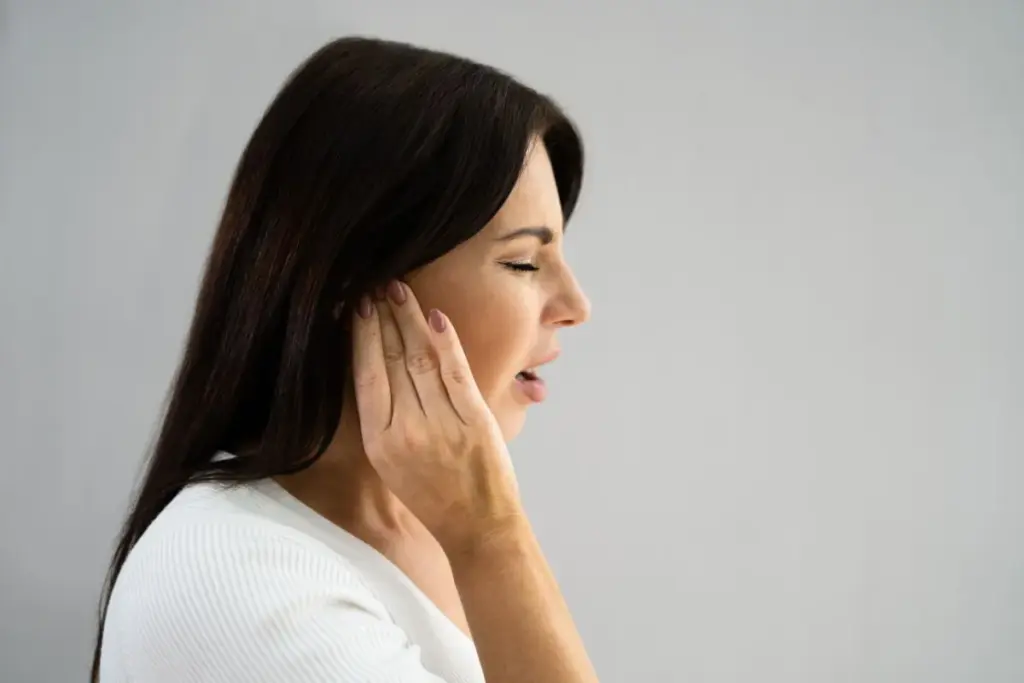
Feeling like your ear is clogged but not painful or waxy can really get in the way of your day. At Liv Hospital, we get how much ear fullness can bother you. It’s often caused by things like Eustachian tube dysfunction, sinus pressure, or allergies.
Discover why your Ear Feel Clogged without pain or wax – learn about Eustachian tube dysfunction and other common causes of blocked ears.
The Eustachian tube, which links your middle ear to your throat, plays a big role. If it doesn’t work right, you might feel like your ear is full or blocked. Our team is here to help you figure out why your ear feels clogged and find a way to fix it.
Key Takeaways
- Eustachian tube dysfunction is a common cause of clogged ears without pain or wax.
- Sinus pressure and allergies can contribute to ear fullness.
- Proper diagnosis is essential to determine the underlying cause of a clogged ear.
- Liv Hospital offers specialized otolaryngologic care for effective treatment.
- Understanding the cause of your clogged ear is the first step towards relief.
Understanding Why Are My Ears Blocking Without Pain or Wax
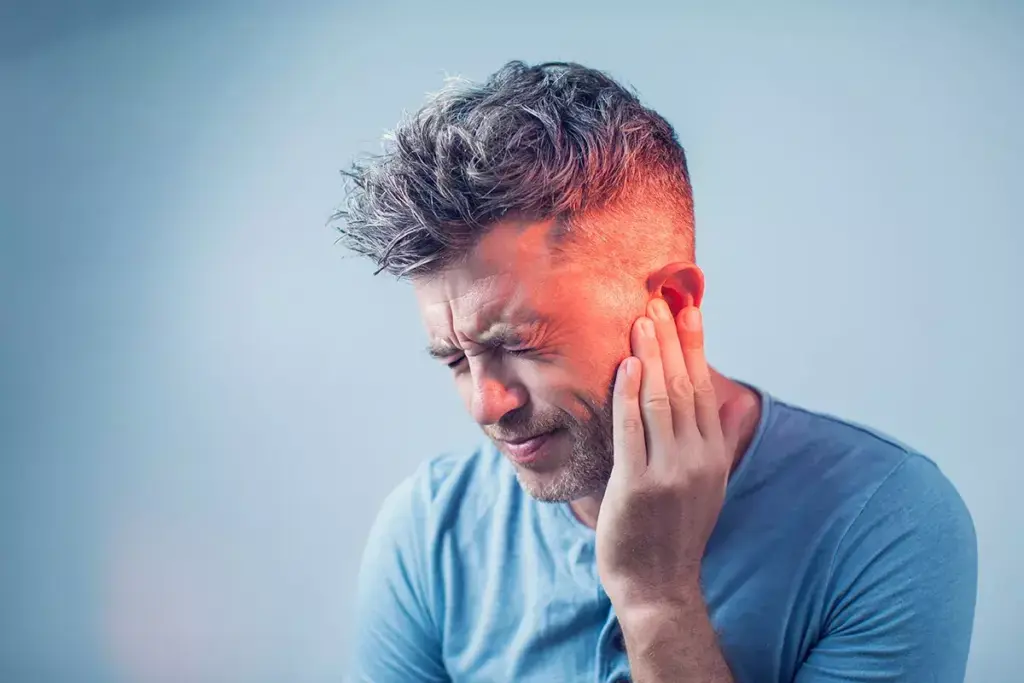
Feeling like your ears are blocked but not hurting or having wax can be confusing. It might mess up your day. This feeling often ties back to the Eustachian tube, which helps balance air pressure in your ears.
The Sensation of Ear Fullness Explained
The Eustachian tube links your middle ear to the back of your nose and throat. It’s key for keeping air pressure equal on both sides of your eardrum. If it gets blocked or swollen, you might feel like your ear is full or blocked.
This can happen for many reasons. Like when you have a cold, allergies, or sinus issues.
Distinguishing Between Different Types of Ear Blockage
Ear blockage can show up in different ways. Knowing why it happens is important for fixing it. We’ll look at why your ears might feel blocked without pain or wax. This includes problems with the Eustachian tube, sinus pressure, and other reasons.
| Cause | Description |
| Eustachian Tube Dysfunction | The Eustachian tube fails to properly regulate air pressure, leading to ear blockage. |
| Sinus Pressure | Pressure from the sinuses can affect the Eustachian tube and cause ear blockage. |
| Allergies | Allergic reactions can cause nasal congestion, affecting the Eustachian tube. |
Understanding why your ears might feel blocked can help you find relief. It’s all about knowing the reasons behind it.
Common Causes of Clogged Ears Without Pain
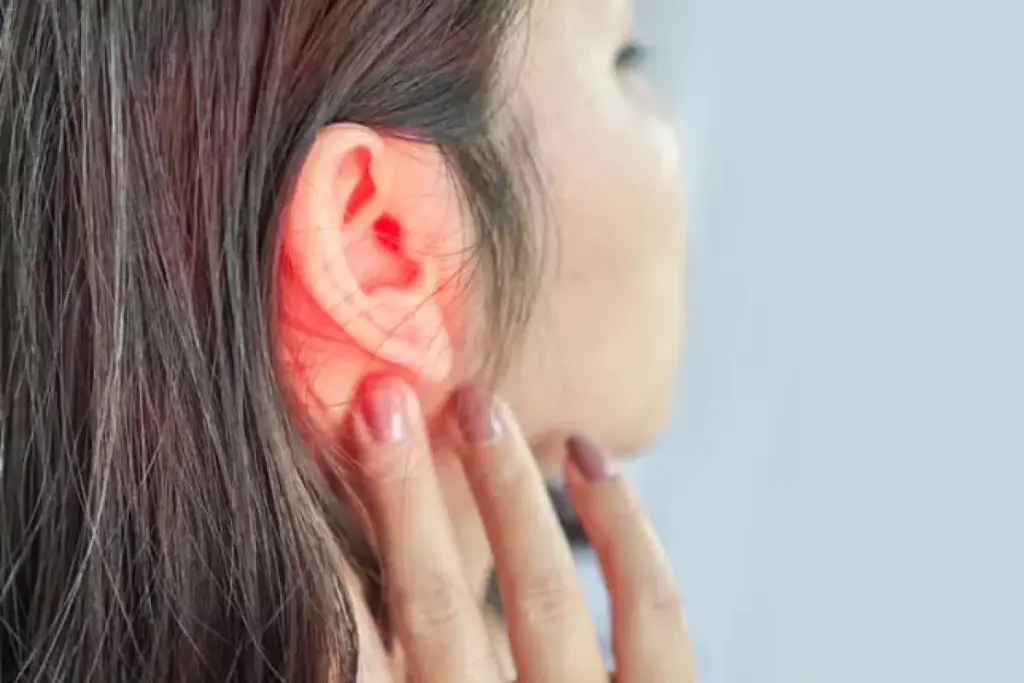
When your ears feel clogged but don’t hurt, it’s often because of specific reasons. We’ll look into these causes. Knowing what causes clogged ears is key to treating them effectively.
Eustachian Tube Dysfunction
The Eustachian tube helps keep ear pressure balanced. If it doesn’t work right, you might feel like your ears are full or clogged. This can happen after colds or allergies, making it hard for the tube to adjust pressure.
Eustachian tube dysfunction can be treated. Using pressure equalization techniques is one way. It’s important to understand the Eustachian tube’s role in ear health.
Sinus Problems and Allergies
Sinus issues and allergies often cause clogged ears. When sinuses get inflamed or blocked, it can affect the Eustachian tube. This leads to ear fullness. Allergies can make sinus problems worse, making ears feel clogged.
Fixing sinus problems and allergies can help clear ear clogging. It’s vital to manage these conditions to avoid ongoing ear troubles.
Post-Respiratory Infection Effects
After a cold, some people might feel their ears are clogged. This is because the Eustachian tube stays blocked or inflamed. Even after the cold is gone, the tube’s problem can continue, causing ear fullness.
To treat post-cold ear clogging, you need to fix the Eustachian tube issue. This might involve nasal decongestants or other treatments to reduce inflammation and help the tube work better.
Pressure Changes and Altitude
Changes in altitude or pressure can block ears by creating pressure differences. This is common when flying or diving. The pressure change can make ears feel full or clogged.
| Cause | Effect on Ear | Common Solutions |
| Eustachian Tube Dysfunction | Ear fullness or clogging | Pressure equalization techniques, nasal decongestants |
| Sinus Problems and Allergies | Increased risk of ear clogging | Allergy management, sinus treatment |
| Post-Respiratory Infection | Lingering ear clogging | Nasal decongestants, antihistamines |
| Pressure Changes | Ear blockage | Pressure equalization techniques, yawning, swallowing |
Understanding why ears get clogged helps find the right treatment. Whether it’s managing allergies, treating sinus problems, or using pressure techniques, there are many ways to relieve clogged ears.
Effective Home Remedies for Clogged Ears
Feeling like your ear is full but not painful can be annoying. Luckily, there are easy home fixes to help. Clogged ears can mess with our hearing and comfort. But, many home remedies can offer relief.
Pressure Equalization Techniques
One easy way to fix clogged ears is through pressure balancing. The Valsalva maneuver and Toynbee maneuver are great for this. They open the Eustachian tube, balancing ear pressure.
To do the Valsalva, pinch your nose, close your mouth, and gently blow through your nose. This balances ear pressure with the air around you.
The Toynbee method is to swallow while pinching your nose. Swallowing opens the Eustachian tube. Pinching your nose makes it work better.
Nasal Decongestants and Antihistamines
Nasal decongestants and antihistamines are also key. Nasal decongestants cut down nasal stuffiness. This helps the Eustachian tube work better, easing ear fullness.
Antihistamines are good for allergies causing nasal blockage. They reduce swelling and help the Eustachian tube function better.
Steam Therapy and Hydration
Steam therapy is another great fix for clogged ears. Inhaling steam loosens mucus and eases nasal stuffiness. This makes it easier for the Eustachian tube to open.
Using a steam humidifier or a bowl of hot water works well. Adding eucalyptus oil to the water boosts its benefits.
Drinking lots of water is also important. It thins out mucus, making it easier to get rid of. Drinking water or clear broths helps keep the Eustachian tube working right.
Gentle Exercises for the Eustachian Tube
Doing gentle exercises can also help the Eustachian tube. Chewing gum or yawning can open it up. Simple jaw movements or neck stretches also help.
Adding these home remedies to your daily routine can help with clogged ears. It can also improve your ear health.
When to Seek Medical Attention
Many ear blockages can be treated at home. But, some cases need a doctor’s help. If you have ear pain, fever, or dizziness, it could be a sign of an infection or something serious.
Seeing a doctor is also a good idea if your symptoms don’t go away or get worse. This includes hearing loss or ongoing discomfort. An audiologist or ENT specialist might be needed for a proper diagnosis and treatment.
If your ear problems keep coming back or get worse, it’s time to see a doctor. They can check what’s going on and tell you the best way to feel better. This might include medicine or more tests to find the cause.
FAQ
Why is one of my ears blocked?
One ear can feel blocked due to pressure imbalance, fluid buildup, mild inflammation, or temporary eustachian tube dysfunction on that side.
Why does my ear feel clogged but no pain or wax?
This is often caused by pressure changes or fluid trapped behind the eardrum, commonly linked to allergies, sinus congestion, or recent illness.
What causes your ear to feel clogged?
A clogged sensation may come from earwax, fluid, swelling, or pressure problems in the middle ear that interfere with normal airflow.
Why are my ears plugging?
Ears may plug when the eustachian tubes fail to open properly. This can happen with colds, allergies, altitude changes, or frequent congestion.
My ears always feel clogged, what should I do?
Ongoing ear fullness should be evaluated by a healthcare provider to check for chronic sinus issues, allergies, or eustachian tube dysfunction.
Why are my ears always clogged after being sick?
Respiratory infections can leave lingering inflammation or fluid in the ears, causing a clogged feeling even after other symptoms improve.
Ear feels clogged but no wax, no pain, what could be the cause?
This is commonly due to fluid buildup, pressure imbalance, or mild inflammation rather than earwax or infection.
Clogged ear for days, what are my options?
If clogging lasts several days, options include managing allergies, using pressure-equalizing techniques, or seeking medical evaluation.
Ears feel clogged and ringing, no pain, what could be the cause?
This combination often points to pressure imbalance, fluid, or temporary tinnitus and should be checked if it persists.
My ear feels full but no wax, what should I do?
Try gentle pressure-equalizing methods and address nasal congestion. If fullness continues, a medical exam is recommended.
Why did my ear randomly clog?
Random ear clogging can occur due to sudden pressure changes, mild inflammation, or temporary eustachian tube blockage.
References
JAMA Network. Evidence-Based Medical Insight. Retrieved from https://jamanetwork.com/journals/jamaotolaryngology/fullarticle/2825855