

Ever had a sudden ringing in just one ear and wondered what it meant? This is called unilateral tinnitus. It affects about 10-15% of people with tinnitus. It often means there’s something serious going on that needs a doctor’s help.
Single-sided ringing is different from when both ears ring. It might mean a problem in just one ear. This could be something simple like earwax or something more serious that needs quick attention. We’ll look at why sudden tinnitus in one ear happens and when you should see a doctor.
Key Takeaways
- Unilateral tinnitus is a condition where individuals perceive sound in only one ear without an external source.
- Sudden ringing in one ear may indicate a localized medical issue.
- Simple earwax buildup or more complex medical conditions can cause unilateral tinnitus.
- Understanding the causes is key for managing and treating it.
- Getting medical help is important to find and fix the underlying problem.
Understanding Unilateral Tinnitus

Tinnitus in one ear, known as unilateral tinnitus, is a unique challenge. We’ll look into what it is, how common it is, and the differences with bilateral tinnitus.
What is One-Sided Ear Ringing?
Unilateral tinnitus is when you hear sounds in one ear without any outside noise. These sounds can be ringing, buzzing, or hissing. It’s a sign of an underlying issue that needs to be found and treated.
How Common is Unilateral Tinnitus?
About 10-15% of tinnitus cases are unilateral. These cases often point to structural problems or specific health issues. Knowing how common it is helps in finding its cause and treatment.
Differences Between One-Sided and Bilateral Tinnitus
| Characteristics | Unilateral Tinnitus | Bilateral Tinnitus |
| Prevalence | Less common, approximately 10-15% of tinnitus cases | More common, affects both ears |
| Causes | Often associated with structural abnormalities or specific medical conditions in one ear | Can be related to systemic conditions, age-related hearing loss, or exposure to noise |
| Diagnosis | Requires thorough examination of the affected ear and potentially imaging studies | May involve assessment of overall hearing and systemic health |
| Treatment | Depends on the underlying cause; can range from medical treatment to sound therapy | Treatment varies based on the cause; may include counseling, sound therapy, or medical interventions |
The table shows unilateral tinnitus has unique traits compared to bilateral tinnitus. Experts say, “Understanding the differences between unilateral and bilateral tinnitus is essential for determining the underlying cause and appropriate treatment.”
If you have unilateral tinnitus, seeing a specialist is key. For more on tinnitus in one ear, visit this resource.
Common Causes of Sudden Tinnitus in One Ear
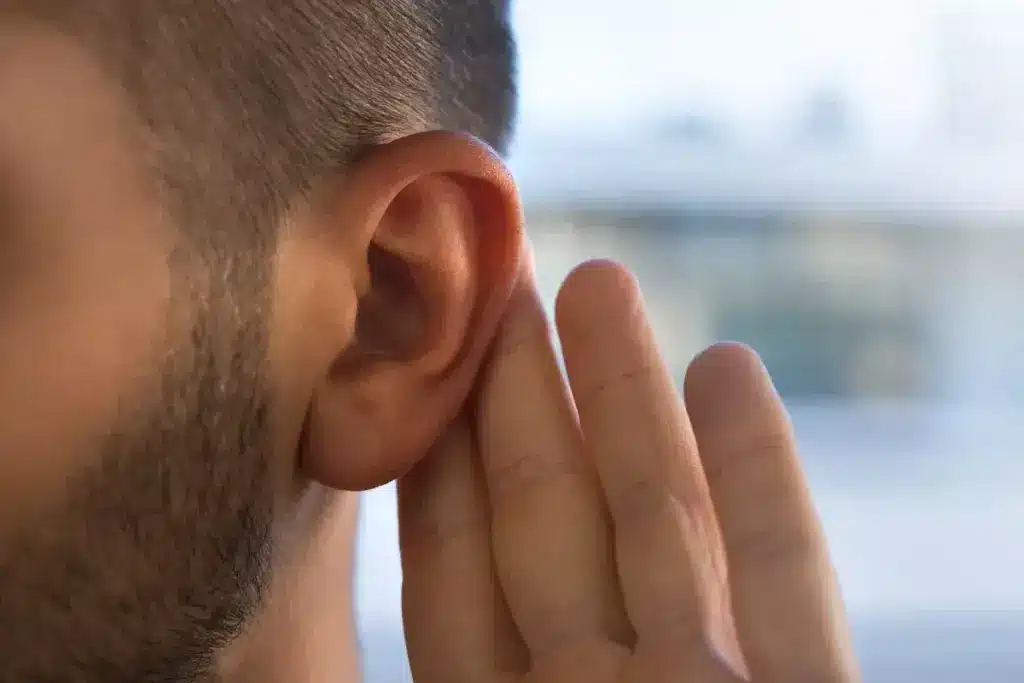
Sudden tinnitus in one ear can come from many things. It can be as simple as earwax buildup or as complex as a medical condition. Knowing what causes it helps figure out what to do next.
Earwax Buildup and Impaction
Earwax helps protect our ears, but too much can cause temporary tinnitus. When earwax hardens, it can block sound waves. This leads to ringing or buzzing in one ear. It’s best to see a doctor for safe removal.
Ear Infections and Inflammation
Ear infections, often from colds or allergies, can cause inflammation and fluid in the ear. This can lead to temporary tinnitus in one ear. Getting medical help quickly can help and prevent worse problems.
Sudden Sensorineural Hearing Loss (SSNHL)
SSNHL is a serious condition where hearing drops quickly, often with tinnitus in one ear. It needs quick medical care to try and fix hearing and stop tinnitus.
Acoustic Trauma and Noise Exposure
Loud noises or acoustic trauma can hurt the inner ear, causing tinnitus. This can happen suddenly or slowly with long exposure to loud sounds.
| Cause | Description | Typical Symptoms |
| Earwax Buildup | Impaction of earwax in the ear canal | Temporary tinnitus, hearing loss |
| Ear Infections | Infection causing inflammation and fluid buildup | Tinnitus, ear pain, fever |
| SSNHL | Sudden loss of hearing | Tinnitus, hearing loss, ear fullness |
| Acoustic Trauma | Damage from loud noise exposure | Tinnitus, hearing loss |
When to Seek Medical Help for One-Sided Ear Ringing
One-sided ear ringing might signal a health issue that needs a doctor’s attention. Tinnitus in one ear is not always a big worry. But, there are times when you should see a doctor.
Warning Signs That Require Immediate Attention
If you notice any of these signs, get medical help right away:
- Sudden or severe hearing loss in one or both ears.
- Dizziness or vertigo with tinnitus.
- Ear pain or discomfort that doesn’t go away or gets worse.
- Discharge or bleeding from the ear.
Diagnostic Procedures for Unilateral Tinnitus
An ENT specialist will do tests to find out why you have tinnitus in one ear. These tests include:
| Diagnostic Test | Purpose |
| Hearing Tests | Check how much and what kind of hearing loss you have. |
| Imaging Scans (MRI or CT) | Look for any structural problems or issues. |
| Physical Examination | Check the ear canal and eardrum for infections or damage. |
Treatment Approaches Based on Underlying Causes
The treatment for tinnitus in one ear depends on the cause. Common treatments are:
- Earwax removal to fix blockages.
- Antibiotics or antivirals for infections.
- Corticosteroids to reduce swelling.
- Hearing aids or sound therapy to help with tinnitus symptoms.
Self-Care Strategies for Temporary Relief
While waiting for medical help or as part of treatment, try these self-care tips for temporary relief:
- Sound therapy: Listen to calming sounds or white noise.
- Stress management: Use relaxation techniques like meditation or yoga.
- Avoiding loud noises: Keep your ears safe from loud sounds.
Understanding the causes and getting the right medical help can help you feel better from tinnitus in one ear.
Conclusion
It’s important to understand why you might hear ringing in one ear. This can happen for many reasons, like earwax buildup or infections. Sometimes, it’s due to more serious issues like sudden hearing loss.
Each case of tinnitus is different, and the right treatment varies. For example, removing earwax, using antibiotics, or getting hearing aids might help. Sound therapy can also offer relief.
Knowing the signs and getting medical help is key to managing tinnitus. This can greatly improve your life. We aim to provide top-notch healthcare to all our patients, including those from abroad. We want to make sure you get the care you need to manage your tinnitus well.
FAQ:
What is unilateral tinnitus?
Unilateral tinnitus is ringing, buzzing, or noise perception occurring in only one ear.
What causes sudden tinnitus in one ear?
Sudden tinnitus in one ear may be caused by earwax blockage, infection, noise exposure, stress, or sudden sensorineural hearing loss.
Is tinnitus in one ear a cause for concern?
Yes, persistent or sudden one-sided tinnitus should be medically evaluated to rule out underlying ear or nerve conditions.
How is unilateral tinnitus diagnosed?
Diagnosis involves hearing tests, ear examination, and sometimes imaging such as MRI to identify underlying causes.
What are the treatment approaches for unilateral tinnitus?
Treatment focuses on the cause and may include wax removal, medications, hearing aids, sound therapy, or stress management.
Can earwax buildup cause tinnitus in one ear?
Yes, impacted earwax can block sound and trigger tinnitus in the affected ear.
What is sudden sensorineural hearing loss?
It is a rapid loss of inner-ear hearing, usually in one ear, occurring within hours to days and requiring urgent treatment.
How can I find relief from tinnitus?
Relief may come from treating the cause, using background noise, reducing stress, and avoiding loud sounds.
Why does my left ear ring randomly?
Random ringing in one ear can be due to temporary noise exposure, stress, ear pressure changes, or mild irritation.
What causes constant ringing in the right ear only?
Constant one-sided ringing may be linked to hearing loss, earwax buildup, infection, or nerve-related conditions and should be evaluated.
References:
JAMA Network. Evidence-Based Medical Insight. Retrieved from https://jamanetwork.com/journals/jamaotolaryngology/fullarticle/2666579