Ever noticed your hands getting tight during physical activity? It’s more common than you think. Many people who exercise regularly face this issue. We’ll look into why hands swell when walking.
Studies show that arm movement during exercise might cause swelling. When we walk, our arms swing. This can push fluid into our hands and fingers. Doctors at Medical organization say it’s because of how our bodies and blood vessels react to more energy needs.
Key Takeaways
- Hand swelling during walking is a common phenomenon, mainly among women.
- Arm movement during exercise contributes to hand swelling.
- Centrifugal force may push fluid into hands and fingers.
- Removing rings and loosening watchbands before exercise can help ease swelling.
- Drinking electrolyte-rich liquids may also help alleviate hand swelling.
Understanding Fingers Swelling While Walking
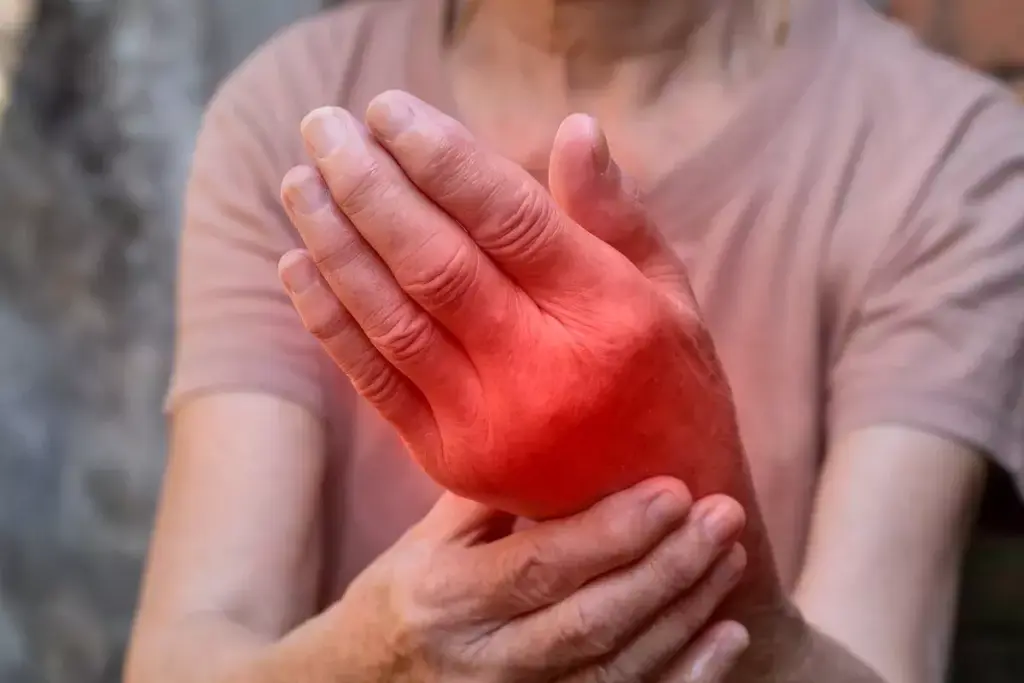
Many people notice their fingers swelling when they walk or run. This happens due to several body mechanisms that kick in when we move.
Common Occurrence and Affected Demographics
Swollen fingers or hands while walking or running is common. Some groups are more likely to experience this, including:
- Athletes or those who are active often
- People with circulatory or heart problems
- Those who are overweight or obese
For tips on handling swollen hands and fingers while walking, check out Verywell Fit.
Normal vs. Concerning Swelling Patterns
Some swelling is okay, but persistent or severe swelling might mean a problem. To tell if swelling is normal or not, look at these points:
- Duration: Swelling that lasts even after resting or elevating your hands is a worry.
- Severity: If swelling is really bad and gets in the way of daily life, or if it hurts or numbs, see a doctor.
- Associated Symptoms: Swelling with redness, warmth, or tingling needs medical check-up.
Knowing these signs can help you figure out if your swelling is normal or if you need a doctor’s visit.
Physiological Mechanisms Behind Hand Swelling
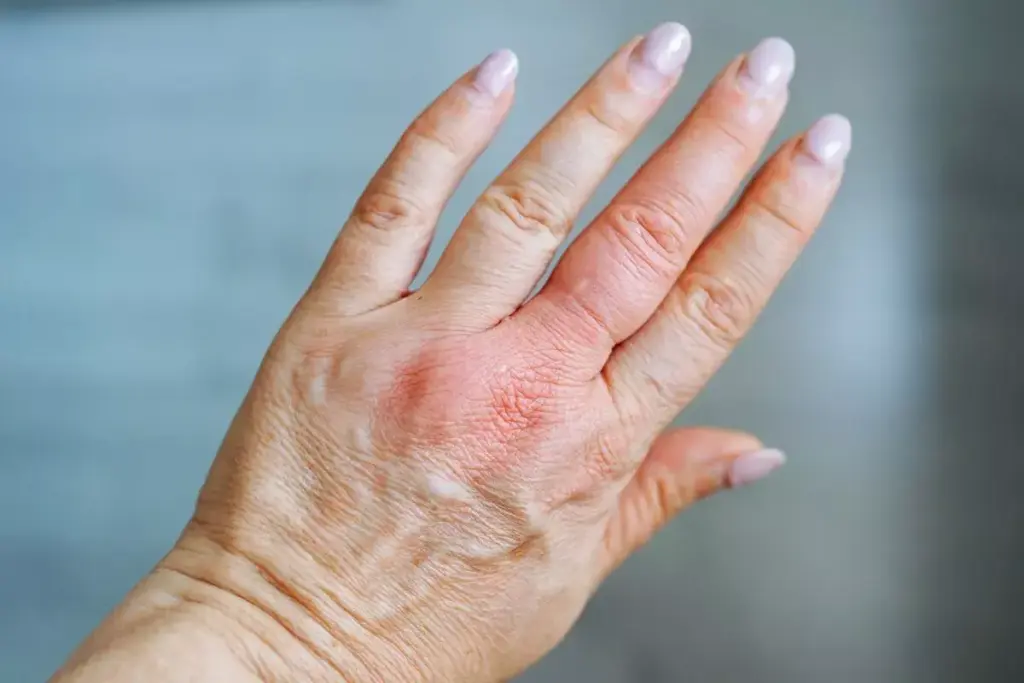
Walking is a simple activity, but it can trigger complex physiological responses, including hand swelling. When we walk, our body changes a lot. It needs more oxygen and nutrients.
During exercise, our body’s blood flow increases. Blood is sent to the heart, lungs, and muscles. This is key for our body to get the energy it needs.
Blood Flow Redistribution During Exercise
As we walk, more blood goes to the muscles. This happens because blood vessels in the muscles get wider. The increased blood flow to the muscles is essential for delivering oxygen and nutrients, supporting the energy demands of the activity.
“The redistribution of blood flow during exercise is a finely tuned process that ensures optimal performance,” as noted by medical professionals. This process is critical for balancing muscle energy needs and oxygen and nutrient supply.
Vasodilation Process in Extremities
Vasodilation, or the widening of blood vessels, is another key physiological mechanism that occurs during walking. As blood vessels dilate, they allow more blood to flow to the extremities, including the hands. This increased blood flow can lead to swelling as fluid moves into the tissues.
The vasodilation process is influenced by various factors, including the release of certain chemicals and the relaxation of smooth muscle cells in the blood vessel walls. Understanding this process can help us appreciate why hand swelling occurs during walking.
Temperature Effects on Hand Swelling
Temperature is another factor that can influence hand swelling during walking. In hot environments, the body’s response to heat can exacerbate vasodilation, leading to increased fluid buildup in the hands. On the other hand, cold temperatures can cause vasoconstriction, potentially reducing swelling.
It’s essential to consider the impact of temperature on hand swelling, specially for those who walk in extreme environments. By being aware of these factors, we can take steps to mitigate the effects of hand swelling.
Conclusion: Managing and Preventing Hand Swelling
To reduce puffy hands when walking, it’s key to know the causes and use good management tips. Remove tight jewelry or watches to help blood flow and lessen swelling in hands.
Drink fluids with electrolytes, like sports drinks, to keep your body hydrated and fight swelling in fingers. Also, wearing compression gloves can offer support and lessen swelling during exercise.
Making regular arm movements during workouts can also help prevent swelling in hands. By adding these simple steps to your routine, you can cut down on swollen fingers while walking. This makes exercising more comfortable.
By using these methods, people can manage and stop hand swelling. This ensures a more enjoyable and comfortable walking experience.
FAQ
Why do my hands swell when I walk?
Is it normal for hands to swell when walking?
What causes swelling in fingers when walking?
How can I manage and prevent hand swelling while walking?
Can temperature affect hand swelling during exercise?
Are some demographics more affected by finger swelling during walking?
When should I seek medical attention for swollen fingers while walking?
Does exercise cause fingers to swell?
How can I reduce swelling in my fingers after walking?
References
National Center for Biotechnology Information. Evidence-Based Medical Insight. Retrieved from https://pmc.ncbi.nlm.nih.gov/articles/PMC10285137/[4