
Ever felt your heart racing or fluttering when you’re anxious? You’re not alone. At Liv Hospital, we get how anxiety and heart rate are connected. When we’re stressed, our body’s “fight or flight” response kicks in, releasing hormones like adrenaline.
This rush can cause heart palpitations, a fast heartbeat, and a quick pulse. We’ll dive into how anxiety sets off this stress response, affecting your heart.
Our team is here to explain the bond between anxiety and your heart. We’ll also share ways to manage it.
Key Takeaways
- Anxiety triggers the body’s stress response, leading to heart-related symptoms.
- Hormones like adrenaline can cause heart palpitations and a racing heartbeat.
- Understanding the link between anxiety and heart rate is key for managing it.
- Liv Hospital’s experts offer evidence-based advice to tackle anxiety-related heart issues.
- Managing anxiety can ease heart-related symptoms.
The Physical Reality of Anxiety’s Impact on the Heart
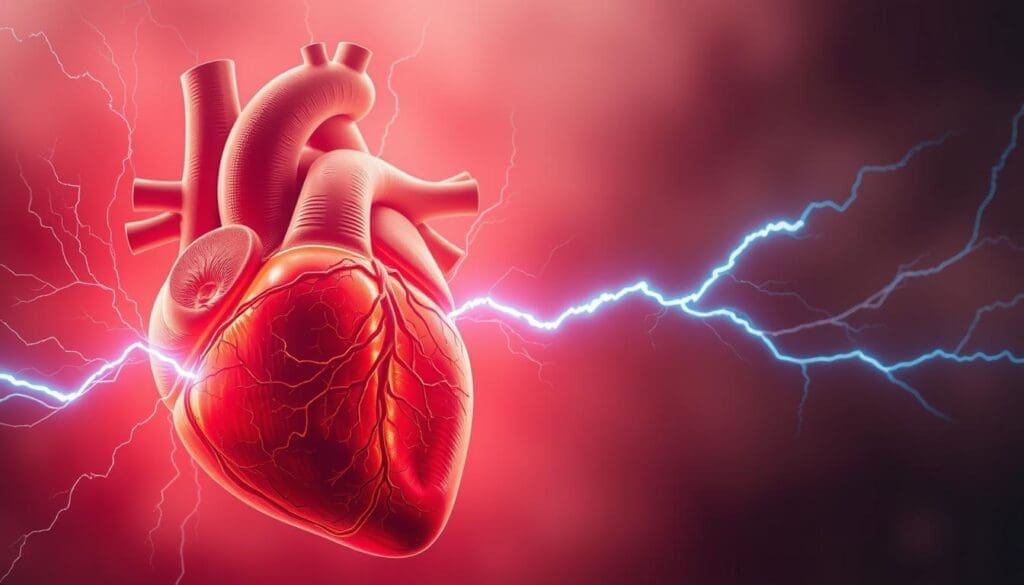
Anxiety can deeply affect the heart, causing various physical symptoms. Many feel heart palpitations, a racing heartbeat, or other heart issues during anxiety. These symptoms can be scary and worry about heart health.
Common Heart-Related Symptoms During Anxiety Episodes
During anxiety, people may feel different heart symptoms. Some common ones are:
- Heart palpitations, feeling like a pounding or fluttering in the chest
- A racing or accelerated heartbeat
- A sensation of skipped beats or irregular heart rhythms
- Tachycardia, or a faster than normal heart rate
Anxiety triggers the body’s stress response, releasing hormones like adrenaline. This makes the heart beat faster and more forcefully. It leads to the sensations mentioned above.
Prevalence of Heart Symptoms Among Anxiety Sufferers
Research shows heart symptoms are common in anxiety sufferers. Studies reveal a significant number of people with anxiety experience heart symptoms. For example, a study might find that “up to 70% of individuals with anxiety disorders report experiencing heart palpitations or a fast pulse during periods of heightened anxiety.” This shows anxiety’s big impact on heart function and overall health.
Knowing about these symptoms helps in finding better ways to cope and treat anxiety. By understanding anxiety’s physical effects on the heart, healthcare providers can offer better care.
It’s important to note these symptoms are usually not signs of a heart problem. They show the body’s reaction to anxiety. As one expert says,
“Anxiety can mimic or exacerbate symptoms of heart disease, making it vital to address both the psychological and physical aspects of the condition.”
Understanding the Body’s Stress Response System

Anxiety triggers the body’s stress response, a complex mechanism designed to protect us from harm. This response is deeply rooted in our physiology and plays a key role in how anxiety affects our heart rate.
The Fight-or-Flight Response Mechanism
The fight-or-flight response is a natural reaction to perceived danger or stress. When we experience anxiety, our sympathetic nervous system is activated. It releases stress hormones like adrenaline and noradrenaline.
These hormones prepare our body to either confront the threat or flee from it, causing our heart rate to increase rapidly.
This mechanism is designed to be a temporary response. But for individuals with anxiety disorders, it can be triggered frequently or persist over time. This leads to chronic stress and increased heart rate.
Evolutionary Purpose of Increased Heart Rate During Stress
The fight-or-flight response has an evolutionary purpose. It enhances our chances of survival during dangerous situations. By increasing heart rate, the body ensures that muscles receive more oxygen and nutrients, preparing us for immediate action.
In the context of anxiety, this means that even without physical exertion, the heart beats faster. This rapid heartbeat is a manifestation of the body’s preparation for action, even when there’s no physical threat present.
Understanding this mechanism helps clarify why anxiety can lead to increased heart rate and nervousness in the heart. It’s a physiological response intended to protect us, but it can become a source of distress when experienced chronically.
Why Does Anxiety Cause Heart Palpitations? The Physiological Explanation
Anxiety can make your heart feel like it’s racing. This happens because of how our body reacts to stress. When we feel anxious, our body’s stress system kicks in, changing how our heart works.
The Sympathetic Nervous System Activation
The sympathetic nervous system is key in handling stress and anxiety. When we’re anxious, this system gets turned on. It sends out signals that make our heart beat faster.
This faster heartbeat is part of our body’s “fight-or-flight” response. It gets us ready to face or run from danger. This is why anxiety can make our heart palpitate.
Stress Hormones: How Adrenaline and Noradrenaline Affect Your Heart
Stress hormones like adrenaline and noradrenaline are important when we’re anxious. They’re released into our blood and affect our body, including our heart.
- Adrenaline makes our heart beat faster and harder, causing palpitations.
- Noradrenaline also makes our heart rate and output go up, adding to anxiety symptoms.
These hormones help our body respond to threats. But in anxiety disorders, they can cause symptoms like heart palpitations without a real danger.
Knowing why anxiety makes our heart palpitate can help us deal with it. It shows that these symptoms are part of our body’s stress response. By understanding this, we can find ways to manage our anxiety and heart symptoms.
Does Anxiety Make Your Heart Beat Faster Even Without Physical Exertion?
Anxiety can really affect our heart, making it beat faster even when we’re not moving. This isn’t just feeling nervous; it’s a real physical reaction. Scientists have studied this a lot.
Anxiety can make our heart rate go up, even when we’re not doing anything. This happens because our body’s stress system kicks in. It releases hormones like adrenaline and noradrenaline.
Research on Heart Rate Increases During Mental Stress
Research shows that mental stress, like anxiety, can make our heart rate go up a lot.
Another study found that people with anxiety disorders have higher heart rates than those without. This shows anxiety can affect heart rate over time, not just in short bursts.
“The relationship between anxiety and heart rate is complex, with anxiety potentially leading to increased heart rate through various physiological mechanisms.”
Why Your Heart Races While Sitting Stil During Anxiety
When we’re anxious, our body gets ready for action. This is called the “fight or flight” response. It makes our heart beat faster because of stress hormones.
Even when we’re sitting, our body reacts to stress. This makes our heart rate go up. It’s hard to stop this without learning how to handle anxiety.
To deal with anxiety-related heart rate, we need to tackle the anxiety itself. We can use relaxation techniques, therapy, or sometimes medicine.
Understanding how anxiety affects our heart helps us manage it better. This can lower the risk of heart problems later on.
Types of Heart Sensations Experienced During Anxiety
Anxiety can make your heart feel like it’s racing, skipping beats, or beating irregularly. These feelings can be scary and uncomfortable. We’ll look at the different heart sensations people feel when they’re anxious.
Heart Fluttering and Palpitations From Stress and Anxiety
Heart fluttering or palpitations are common in anxiety. It feels like your heart skips a beat or flutters. Palpitations happen when your heart beats irregularly or hard, often because of stress hormones.
These feelings can be unsettling, but usually, they’re not a worry for healthy people. But if you have heart problems, talk to your doctor.
Racing Heartbeat and Fast Pulse Rate Anxiety
A racing heartbeat or fast pulse rate is another anxiety symptom. Anxiety triggers our body’s “fight-or-flight” response, making our heart rate go up. This can make you feel like your heart is racing or pounding.
A fast pulse rate from anxiety can be uncomfortable. But it usually goes away when the anxiety does. Relaxation techniques like deep breathing can help slow down your heart rate.
Rhythm Disturbances and Perceived Skipped Beats
Some people feel rhythm disturbances or skipped beats during anxiety. These can feel like your heart is skipping a beat or beating irregularly. While these feelings can be unsettling, they’re often harmless and linked to anxiety.
In some cases, the irregular feelings might be because you’re more aware of your heartbeat when you’re anxious. Paying too much attention to your heart’s rhythm can make you think it’s beating irregularly.
Anxiety Disorder and Heart Rate: The Clinical Connection
It’s important to know how anxiety disorders affect heart rate. This knowledge helps manage heart health. Anxiety can change heart rate, leading to heart problems.
How Different Anxiety Disorders Affect Heart Function
Each anxiety disorder impacts the heart differently. Generalized anxiety disorder (GAD) often leads to a fast heart rate. This is due to constant worry and tension.
Panic disorder causes heart rate spikes during panic attacks. Studies show people with anxiety disorders have lower heart rate variability. This is a sign of imbalance in the autonomic nervous system.
A study on HCPLive found antidepressants affect heart health. This is important for those with anxiety.
| Anxiety Disorder | Effect on Heart Rate | Clinical Implication |
|---|---|---|
| Generalized Anxiety Disorder (GAD) | Persistent tachycardia | Ongoing monitoring of heart rate and cardiovascular health |
| Panic Disorder | Episodic tachycardia during panic attacks | Management of panic attacks to reduce cardiovascular strain |
| Social Anxiety Disorder | Increased heart rate in social situations | Strategies to manage anxiety in social contexts |
High Pulse Rate Anxiety: When to Be Concerned
A high pulse rate from anxiety is a worry if it doesn’t go away or comes with other symptoms. These include chest pain, dizziness, or trouble breathing. If you have these symptoms, see a doctor to check for heart problems.
People with frequent or severe anxiety-related fast heart rates should talk to a healthcare provider. They can help figure out the best way to manage it.
Knowing the link between anxiety and heart rate helps doctors give better care. They can address both the mental and heart health issues.
Distinguishing Between Anxiety-Related Heart Symptoms and Cardiac Issues
It’s important to know the difference between heart symptoms from anxiety and real heart problems. Anxiety can make your heart feel like it’s racing, which can be scary. But, it’s not always a sign of a serious heart issue.
Key Differences in Symptom Presentation
When you’re feeling anxious, your heart might beat fast or irregularly. But, there are big differences between anxiety heart symptoms and heart problems. For example, anxiety heart symptoms often come with other signs like shaking, sweating, or feeling really scared.
Key characteristics of anxiety-related heart symptoms include:
- They happen when you’re feeling really stressed or anxious
- They come with other anxiety symptoms
- They can change with relaxation techniques
On the other hand, heart problems might show up with more serious signs like chest pain, trouble breathing, or feeling dizzy.
| Symptom | Anxiety-Related | Cardiac-Related |
|---|---|---|
| Heart Palpitations | Often accompanied by other anxiety symptoms | May be persistent and accompanied by chest pain |
| Duration | Variable, often resolving with relaxation | Can be persistent |
| Triggers | Typically triggered by anxiety or stress | May be triggered by physical exertion or occur at rest |
When Nervousness in Heart Requires Medical Attention
Many times, a fast heart rate is just from anxiety. But, it’s key to know when to see a doctor. If you have chest pain, can’t catch your breath, or feel dizzy, get help right away.
It’s always better to err on the side of caution when it comes to heart-related symptoms. If you’re not sure if your symptoms are from anxiety or a heart problem, talk to a doctor.
Knowing the difference between anxiety heart symptoms and heart problems helps you take care of your health. If you’re unsure, always check with a healthcare professional.
The Long-Term Impact of Chronic Anxiety on Heart Health
Chronic anxiety is more than just a mental issue; it affects our heart health too. It can change our heart system in big ways, leading to long-term problems.
Reduced Heart Rate Variability and Its Significance
Chronic anxiety can lower heart rate variability (HRV). HRV is the change in time between heartbeats. It shows how well the heart handles stress and different body states. A lower HRV means the heart can’t adapt as well, which is a sign of stress and anxiety.
Low HRV is a big deal because it means a higher risk of heart problems. With low HRV, the heart can’t adjust to the body’s needs as well. This can cause poor blood flow to important organs during stress.
Increased Risk for Cardiovascular Events
Chronic anxiety raises the risk of heart attacks, strokes, and arrhythmias. Anxiety’s stress can cause inflammation, high blood pressure, and other heart risks. These can lead to heart disease over time.
Research shows people with anxiety are more likely to get heart disease. Anxiety’s effects on the heart are complex. They include direct physical impacts and indirect effects like bad diet, no exercise, and smoking.
- Chronic anxiety can lead to increased heart rate and blood pressure.
- It is associated with reduced HRV, a marker for poor cardiovascular health.
- Anxiety disorders increase the risk for cardiovascular events.
It’s key to understand how chronic anxiety affects heart health. This knowledge helps create better prevention and treatment plans. By tackling anxiety and its heart effects, doctors can lower heart disease risk in anxious people.
Managing Fast Heartbeat and Anxiety in the Moment
When anxiety hits, our hearts start racing. We look for quick ways to feel better. Understanding our body’s response and using coping strategies are key.
Anxiety can make our hearts beat fast, like heart palpitations. This happens because our body’s stress system kicks in. It’s ready to face or flee danger.
Immediate Coping Strategies for Heart Palpitations
To handle heart palpitations from anxiety, we have quick fixes. These include:
- Grounding techniques: Focus on the now by using our senses.
- Progressive muscle relaxation: Tense and relax muscles one by one.
- Mindfulness meditation: Be aware of the moment without judgment.
These methods take our mind off anxiety and lessen physical symptoms.
Breathing Techniques to Calm a Racing Heart
Breathing can slow a racing heart. We suggest:
- Diaphragmatic breathing: Use your belly to breathe deeply, slowing your heart.
- 4-7-8 breathing: Breathe in for 4, hold for 7, and out for 8. It calms your heart.
Adding these breathing methods to your day can help with anxiety heart symptoms.
Regular practice of these strategies helps with immediate anxiety. It also improves long-term well-being by lowering stress.
Treatment Options for Anxiety-Related Elevated Heart Rate
Managing anxiety-related heart rate issues needs a full plan. This plan includes therapy and, if needed, medicine. Anxiety can really hurt your heart health, so it’s key to tackle it.
Therapeutic Approaches for Anxiety and Heart Symptoms
Therapy is a big help in dealing with anxiety disorder heart rate. Cognitive-behavioral therapy (CBT) is top-notch for anxiety, including heart symptoms. It helps people change bad thinking patterns, making anxiety less frequent and less strong.
Other therapies include:
- Relaxation techniques, like progressive muscle relaxation and visualization
- Mindfulness-based stress reduction (MBSR)
- Acceptance and commitment therapy (ACT)
These methods help people find ways to deal with high pulse rate anxiety and heart symptoms linked to anxiety.
| Therapy Type | Description | Benefits for Heart Symptoms |
|---|---|---|
| Cognitive-Behavioral Therapy (CBT) | Changes negative thinking | Lessens anxiety episodes, which lowers heart rate |
| Mindfulness-Based Stress Reduction (MBSR) | Uses mindfulness and stress reduction | Manages stress, which can lower heart rate |
| Acceptance and Commitment Therapy (ACT) | Teaches acceptance and action | Improves coping, reducing anxiety’s effect on heart rate |
Medication Options and Their Effects on Heart Symptoms
Medicine might be needed for anxiety and increased heart rate. SSRIs are often used for anxiety and can help with fast pulse rate anxiety.
Other options include:
- Serotonin-norepinephrine reuptake inhibitors (SNRIs)
- Benzodiazepines (for short-term use)
- Beta-blockers (to manage rapid heart rate)
It’s important to work with a doctor to find the best treatment. Everyone reacts differently to medicine. By using therapy and medicine together, people can manage their anxiety and heart rate better, improving their life quality.
Conclusion: Breaking the Cycle of Anxiety and Heart Symptoms
It’s key to understand how anxiety affects our heart. We’ve seen how it can lead to heart palpitations and a faster heart rate. These symptoms come from our body’s stress response, including stress hormones like adrenaline.
Feeling anxious can make our heart race and cause palpitations. This can be scary, but knowing the cause is the first step to fixing it. By tackling anxiety with therapy and breathing exercises, we can stop these symptoms.
It’s important to tell the difference between anxiety symptoms and real heart problems. If you’re worried, see a doctor. By managing anxiety, we can lessen heart symptoms and feel better overall.
Does anxiety cause heart palpitations?
Yes, anxiety can cause heart palpitations. When we feel anxious, our body’s stress response kicks in. This releases hormones like adrenaline and noradrenaline. These hormones can make our heart rate go up and cause palpitations.
What are the common heart-related symptoms during anxiety episodes?
During anxiety episodes, we might feel our heart racing or fluttering. We might also have a fast pulse rate or rhythm disturbances. These happen because our body’s stress response is triggered, releasing stress hormones.
Can anxiety cause a fast heartbeat even when not engaging in physical activity?
Yes, anxiety can make our heart beat fast, even when we’re not active. Studies show that mental stress, like anxiety, can increase our heart rate. This is because our body’s stress response is activated.
How do different anxiety disorders affect heart function?
Different anxiety disorders can affect our heart in different ways. For example, generalized anxiety disorder, panic disorder, and social anxiety disorder can all make our heart rate go up. They can also cause other heart-related symptoms.
When should I be concerned about a high pulse rate due to anxiety?
If your pulse rate is high and doesn’t go away, or if you have other symptoms like chest pain, dizziness, or shortness of breath, you should be concerned. It’s important to talk to a healthcare professional to figure out what’s going on.
How can I manage fast heartbeat and anxiety in the moment?
To manage a fast heartbeat and anxiety right away, try deep breathing, relaxation techniques, or mindfulness exercises. These can help calm your heart rate and reduce anxiety symptoms.
What are the treatment options for anxiety-related elevated heart rate?
To treat anxiety-related elevated heart rate, you can try therapy like cognitive-behavioral therapy (CBT). You can also consider medication, such as beta blockers. These can help manage your anxiety and lower your heart rate.
Can chronic anxiety have long-term effects on heart health?
Yes, chronic anxiety can harm your heart health over time. It can reduce heart rate variability and increase the risk of heart problems. It’s important to manage your anxiety to protect your heart.
How can I differentiate between heart symptoms caused by anxiety and those related to cardiac issues?
To tell if your heart symptoms are from anxiety or a heart problem, you should see a healthcare professional. They can look at your symptoms, medical history, and do tests to find out what’s causing your symptoms.
What is the clinical connection between anxiety disorders and heart rate?
Anxiety disorders can affect our heart rate by triggering our body’s stress response. This releases stress hormones and activates the sympathetic nervous system. This can lead to a faster heart rate, palpitations, and other heart symptoms.
Reference Links :
Anxiety with heart palpitations: Causes, treatment, and prevention” — Medical News Today.https://www.medicalnewstoday.com/articles/anxiety-with-heart-palpitations Medical News Today
The Fundamental Basis of Palpitations: A Neuro-cardiology Approach” — PMC.https://pmc.ncbi.nlm.nih.gov/articles/PMC9615214/ PMC
Association between palpitations and mental health” — PMC.https://pmc.ncbi.nlm.nih.gov/articles/PMC4884607/ PMC