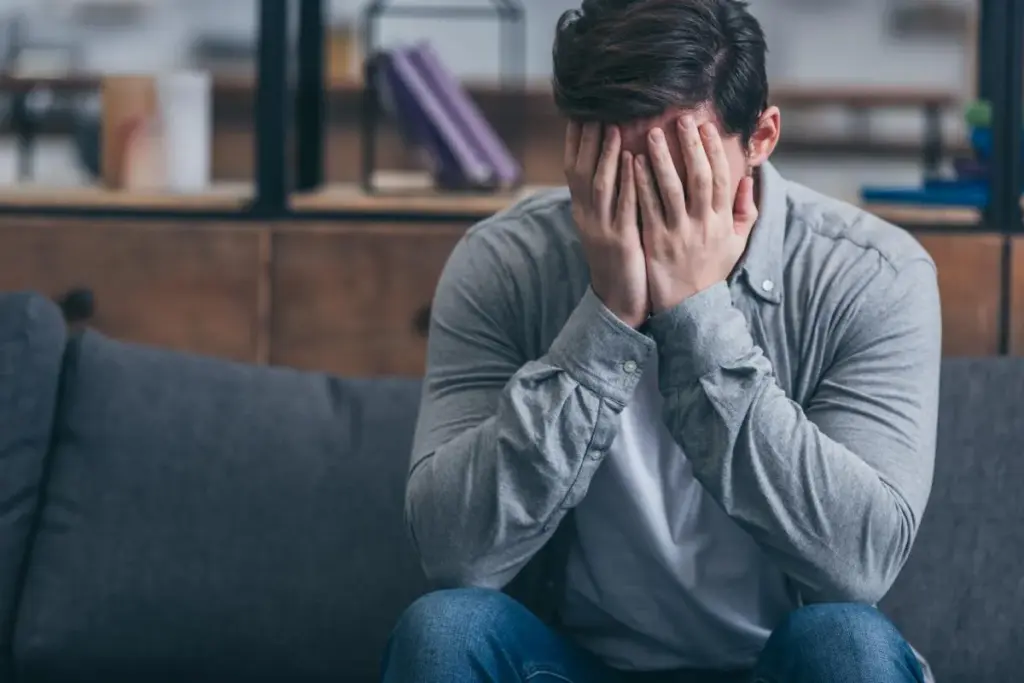
Ever felt a sudden rush of nervousness or anxiety without knowing why? Many people face unexplained anxiety that seems to pop up out of nowhere. It leaves them feeling confused and upset.
The good news is that you can understand sudden anxiety and its triggers. At Liv Hospital, our team offers detailed medical checks and proven psychological treatments. We help you find out why you’re feeling anxious.
Key Takeaways
- Understand the biological, psychological, and environmental factors that contribute to sudden anxiety.
- Learn how to identify triggers that activate the body’s threat-response system.
- Discover how a detailed medical check and proven psychological care can help.
- Regain control over unexplained anxiety episodes.
- Find support from a dedicated team at Liv Hospital.
Can Anxiety Come Out of Nowhere? The Science Explains

Sudden anxiety can be confusing, making us wonder if it can happen without warning. It involves complex biological and psychological processes. Knowing these can help us understand why anxiety can seem to come out of nowhere.
The Prevalence of Sudden Anxiety in America
Anxiety disorders affect a lot of people in the United States. Over 20 million people deal with anxiety disorders every year. This shows how common sudden anxiety is.
It affects not just the person but also their family and community. Knowing how common sudden anxiety is helps us find better ways to manage it.
| Prevalence Statistics | Percentage/Number |
| Annual Cases in the US | Over 20 million |
| Lifetime Prevalence | 31% |
The Amygdala: Your Brain’s Anxiety Control Center
The amygdala is a small part of the brain that deals with emotions and fear. In people with anxiety, it works too much. This makes them react strongly to threats.
The amygdala is key in how we feel emotions and process what we see and hear. Knowing how it works helps us understand sudden anxiety.
How Neurotransmitter Imbalances Trigger Unexpected Panic
Neurotransmitters like serotonin and GABA help control our mood and anxiety. When they’re out of balance, it can cause panic attacks and anxiety. This shows how important they are in treating anxiety.
The balance of neurotransmitters is vital for our emotional well-being. When it’s off, anxiety symptoms can appear, including sudden panic.
Hidden Triggers Behind Seemingly Random Anxiety

Anxiety can seem to come out of nowhere. But research shows there are often hidden triggers. Knowing these triggers is key to managing anxiety well.
Subconscious Psychological Factors
Subconscious factors are big in sudden anxiety. Unresolved emotions, past traumas, and deep fears can cause anxiety without a clear reason. As Medical Expert, a famous psychiatrist, said,
“The body keeps the score. If the trauma is not processed, it will continue to manifest in different ways.”
This shows why we must tackle subconscious factors in anxiety management.
Environmental Influences That Fly Under the Radar
Environmental factors are also very important. Chronic stress, lack of sleep, hormonal changes, and toxins can cause anxiety. For example, sleep disturbances can really affect our mental health, making us more anxious. Getting enough sleep and living a healthy lifestyle can help fight these triggers.
- Chronic stress
- Lack of sleep
- Hormonal fluctuations
- Environmental toxins
The Genetic Link: Why Anxiety Runs in Families
Genetics also matter in anxiety disorders. Studies show people with anxious family members are more likely to feel anxious too. This genetic risk, mixed with environmental factors, can lead to sudden anxiety. Knowing this genetic link helps us take steps to manage our anxiety.
By spotting the hidden causes of random anxiety, we can start managing it better. It’s about understanding the mix of subconscious factors, environmental impacts, and genetic risks.
Conclusion: Taking Control of Unexpected Anxiety
Figuring out why you’re feeling anxious without a reason is key to handling it. Knowing the biological, psychological, and environmental factors can help. This knowledge lets you find ways to cope better.
Techniques like controlled breathing and progressive muscle relaxation can ease sudden anxiety. Also, getting help from a mental health expert can offer tailored advice. This support helps you manage your anxiety and boost your well-being.
If you’re feeling anxious for no reason, remember you’re not alone. By being proactive and informed, you can take back control of your anxiety. Start by understanding what causes your anxiety. Then, create a plan to manage it effectively.
FAQ
Why do I feel anxious for no reason?
Anxiety can seem to come out of nowhere. This is due to complex biological and psychological processes. Imbalances in neurotransmitters and a hyperactive amygdala play a role. So do subconscious psychological factors.
What are the hidden triggers behind seemingly random anxiety?
Hidden triggers include subconscious psychological factors. These can be unresolved emotions or past traumas. Environmental influences like stress and lack of sleep also play a part. Hormonal fluctuations and genetic predisposition are other factors.
How can I manage sudden anxiety?
Grounding techniques like deep breathing and progressive muscle relaxation can help. These methods can ease sudden anxiety symptoms. Seeking professional help is also beneficial. It offers personalized guidance and support.
Why am I anxious out of nowhere?
Sudden anxiety is caused by a mix of biological, psychological, and environmental factors. Imbalances in neurotransmitters, stress, and subconscious psychological factors are key contributors.
What is the role of the amygdala in anxiety?
The amygdala is the anxiety control center. It processes emotions and fear. In those with anxiety disorders, it’s often hyperactive. This leads to exaggerated fear responses.
Can genetic predisposition contribute to anxiety?
Yes, genetic predisposition is a significant factor in anxiety disorders. People with a family history of anxiety are more likely to experience it.
Why do I feel uneasy for no reason?
Feeling uneasy without reason can be linked to anxiety. It’s triggered by subconscious psychological factors, environmental influences, or neurotransmitter imbalances.
How can I take control of unexpected anxiety?
Understanding the biological, psychological, and environmental factors behind anxiety is key. This knowledge helps develop effective coping strategies. Seeking professional help is also important for managing anxiety.
What are some effective coping strategies for anxiety?
Grounding techniques like deep breathing and progressive muscle relaxation can help. These methods ease anxiety symptoms. Understanding the causes of anxiety and seeking professional help are also effective strategies.
References:
World Health Organization. Evidence-Based Medical Guidance. Retrieved from https://www.who.int/news-room/fact-sheets/detail/anxiety-disorders