The feeling of fullness or pressure in the ear can be really annoying. It might also mean you have eustachian tube dysfunction. This is a common issue that affects how your ears handle pressure and drain fluids.
Feeling sudden ear pressure from flying or lingering fullness after a cold can be a problem. At Liv Hospital, our ear specialists are here to help. They want to find a way to make you feel better. For more tips on dealing with ear fullness, check out Boys Town Hospital’s knowledge center.
Key Takeaways
- Ear fullness is often caused by eustachian tube dysfunction or upper respiratory infections.
- Relief methods include chewing gum, yawning, and swallowing to equalize ear pressure.
- Underlying conditions such as sinus congestion or allergies can contribute to ear fullness.
- Altitude changes during air travel can cause ear pressure.
- Simple techniques like tilting your head can help drain water from the ear canal.
Understanding Why Your Ear Feels Full
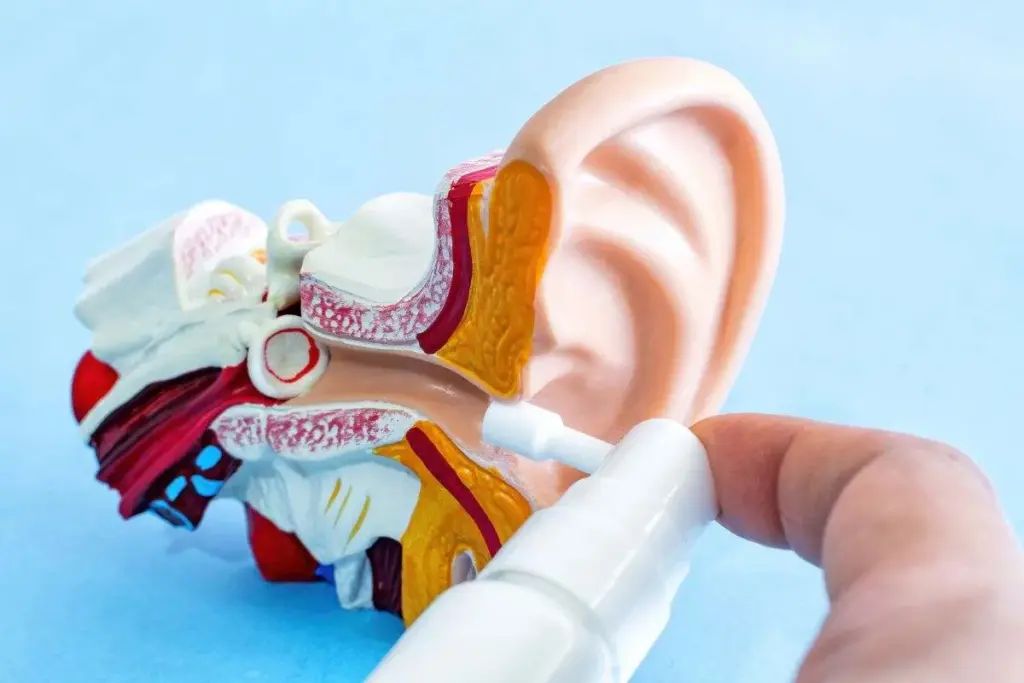
The Eustachian tube is key to keeping ear pressure balanced. When it doesn’t work right, you might feel like your ear is full. This tube links the middle ear to the back of the nose and throat. It’s important for keeping ear pressure equal.
The Eustachian Tube: Function and Importance
The Eustachian tube does two main things: ventilates the middle ear and clears mucus. It keeps air pressure balanced on both sides of the eardrum. This is vital for hearing well and feeling comfortable in your ears.
We count on the Eustachian tube to manage pressure during activities like flying or diving. If it doesn’t work, you might feel uncomfortable, have trouble hearing, and feel like your ear is full.
How Pressure Imbalances Develop in the Ear
Pressure imbalances in the ear happen when the Eustachian tube doesn’t work right. This can be due to colds, allergies, or anatomical issues. When the tube is blocked, the middle ear can’t breathe well.
This leads to pressure differences inside and outside the eardrum. The eardrum might pull back, making you feel like your ear is full or clogged.
Knowing how pressure imbalances occur is key to fixing ear fullness. It helps find the right ways to feel better.
Common Causes of Ear Fullness
Ear fullness can come from many sources, like colds or changes in air pressure. Knowing what causes it helps find the right treatment.
Colds, Flu, and Sinus Infections
Colds, flu, and sinus infections often cause ear fullness. These infections can block or inflame the Eustachian tube. This tube helps balance air pressure in the ears.
Eustachian tube dysfunction happens when the tube can’t balance air pressure. This leads to a feeling of fullness or pressure in the ears. Symptoms like hearing loss or ear pain often come with it.
Altitude and Air Pressure Changes
Changes in altitude or air pressure can also cause ear fullness. Air travel or diving quickly changes air pressure. This can block the Eustachian tube.
To ease ear fullness during flights, try yawning or swallowing. These actions help open the Eustachian tube and balance air pressure.
|
Cause |
Effect on Ear |
Relief Measures |
|---|---|---|
|
Colds, Flu, Sinus Infections |
Eustachian tube dysfunction |
Decongestants, nasal sprays |
|
Altitude/Air Pressure Changes |
Eustachian tube blockage |
Yawning, swallowing, earplugs |
|
Allergies |
Nasal congestion, Eustachian tube dysfunction |
Antihistamines, nasal corticosteroids |
Enlarged Adenoids and Tonsils
Large adenoids and tonsils can block the Eustachian tube, causing ear fullness. This is more common in kids, as their adenoids and tonsils are bigger compared to their airways.
Allergies and Environmental Irritants
Allergies to dust, pollen, or other irritants can cause nasal congestion. This congestion can lead to Eustachian tube dysfunction and ear fullness.
Using antihistamines or nasal corticosteroids can help manage allergies. This can reduce ear fullness caused by allergies.
Finding Relief When Your Ear Feels Full
There are many ways to ease ear fullness. Simple steps like yawning and swallowing can open the Eustachian tube. This helps balance ear pressure. Chewing gum also helps by making more saliva, which encourages swallowing.
For ongoing ear fullness, decongestants like Sudafed can clear nasal congestion. Ear drops such as Cortisporin or Ciprodex might be needed for infections. Sometimes, medical treatments are needed for serious issues like a ruptured eardrum.
Knowing why your ear feels full is key to finding the right treatment. If ear pressure doesn’t go away, see a doctor. They can check for serious problems that need medical help. This way, you can get rid of the annoying feeling of pressure in your ear.
FAQ
What causes the sensation of ear fullness?
Ear fullness is usually caused by pressure imbalance, fluid buildup, earwax blockage, or inflammation in the ear. It can make the ear feel clogged, heavy, or muffled.
How does the eustachian tube affect ear pressure?
The eustachian tube helps equalize pressure between the middle ear and the outside environment. When it becomes blocked or doesn’t open properly, pressure builds up and causes ear fullness.
Can colds and sinus infections cause ear fullness?
Yes. Colds and sinus infections can cause swelling and mucus buildup that block the eustachian tube, trapping fluid and air in the middle ear and creating a feeling of fullness.
How do changes in altitude affect ear pressure?
Rapid altitude changes (such as flying or driving in mountains) can prevent the eustachian tube from adjusting pressure quickly, resulting in temporary ear fullness or popping.
What are some home remedies for relieving ear fullness?
Swallowing, yawning, chewing gum, steam inhalation, warm compresses, staying hydrated, and gentle pressure-equalizing techniques can help relieve mild ear fullness.
When should I seek medical attention for ear fullness?
You should see a doctor if ear fullness lasts more than a few days, worsens, is accompanied by pain, dizziness, hearing loss, discharge, or fever.
References:
National Center for Biotechnology Information. Evidence-Based Medical Insight. Retrieved from https://www.ncbi.nlm.nih.gov/books/NBK262265/