


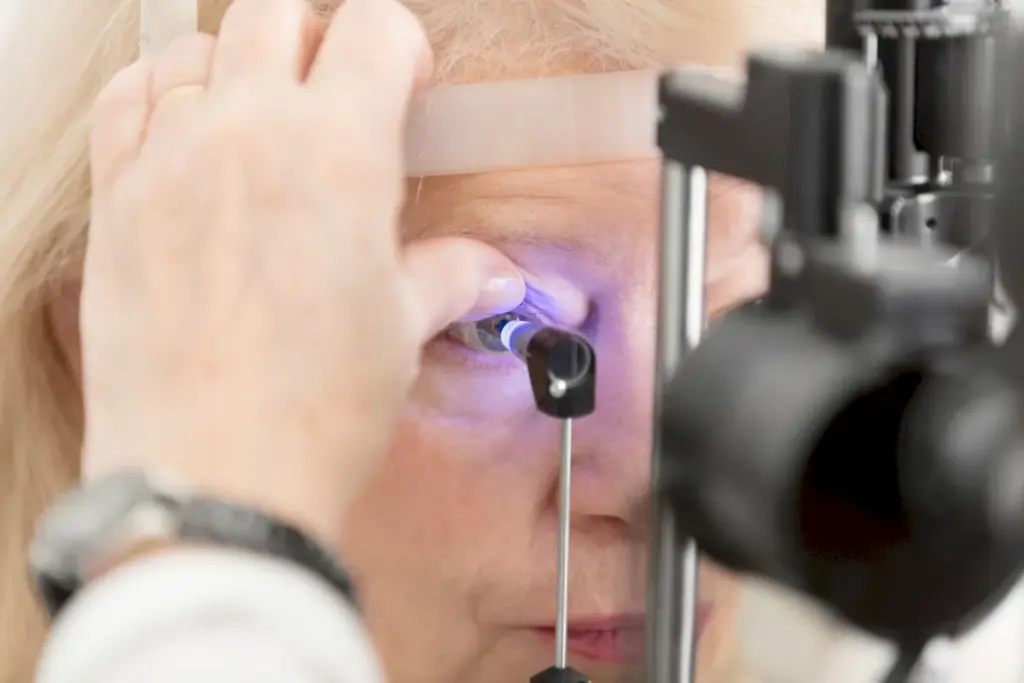
Blinking is something we do without thinking all day. But, when it hurts, it’s hard to ignore. Clear vision is key to feeling good.
Feeling pain when you blink is a common worry. It could be from a small issue or something serious. We see many reasons for this, from minor strains to serious health problems.
Discomfort often means there’s inflammation, infection, or irritation inside your eye. These problems need a doctor’s check-up to avoid serious damage. Finding out why you hurt is the first step to feeling better.
At Liv Hospital, we use advanced tools to check your eyes and health. We aim to help you get back to normal fast. With our top-notch care, even small issues get the attention they need.
Key Takeaways
- Inflammation or infection often causes a bruised sensation during eyelid movement.
- Surface dryness and chronic irritation are frequent culprits for ocular discomfort.
- Physical trauma or minor strain can lead to lingering tenderness in the orbital area.
- Seeking medical advice is essential if pain persists or vision changes occur suddenly.
- Modern diagnostic tools help our experts pinpoint the exact source of your ache.
- Professional treatment plans at Liv Hospital offer effective paths to a full recovery.
Common Reasons Why Does My Eye Feel Bruised

If your eye feels bruised when you blink, it’s important to know why. Many things can cause this feeling, from minor issues to serious health problems.
Sinus Congestion and Pressure
Sinus problems can make your eyes feel uncomfortable. When your sinuses get inflamed or infected, it can press on your eyes. This is because sinuses are near the eyes, and swelling there can affect them.
Relieving sinus congestion can help your eye feel better. Try using nasal decongestants or saline sprays to ease the pressure.
Eye Strain and Fatigue
Looking at screens for too long can strain your eyes. This strain can feel like your eyes are bruised, making blinking uncomfortable.
To avoid eye strain, follow the 20-20-20 rule. Look away from screens every 20 minutes and focus on something 20 feet away for 20 seconds. Also, adjust your device settings to comfortable levels.
Inflammation of the Eyelid or Orbit
Conditions like blepharitis or conjunctivitis can make your eyes feel bruised. These problems can come from infections, allergies, or irritants.
Good eyelid care and warm compresses can help with blepharitis. For conjunctivitis, treatment varies based on the cause, like antibiotic drops for infections or antihistamines for allergies.
Potential Underlying Medical Conditions
Some health issues can also make your eyes feel bruised. Dry eye syndrome, styes, and corneal abrasions are examples.
For dry eye, eye drops can help. Styes usually go away on their own but might need a doctor if they don’t. Corneal abrasions need quick medical check-up to avoid serious problems.
| Condition | Symptoms | Relief Measures |
| Sinus Congestion | Eye discomfort, nasal congestion | Nasal decongestants, saline sprays |
| Eye Strain | Bruised feeling, fatigue | 20-20-20 rule, adjust display settings |
| Blepharitis | Inflammation, redness | Eyelid hygiene, warm compresses |
| Dry Eye Syndrome | Dryness, discomfort | Lubricating eye drops |
An eye care expert says, “Knowing why your eyes hurt is the first step to feeling better.”
When to Seek Professional Medical Attention

A bruised sensation in the eye can be unsettling. Sometimes, it needs immediate medical attention. If you’re feeling persistent or severe eye discomfort, look for signs that mean you need professional help.
Warning Signs of Serious Eye Issues
Certain symptoms mean your eye discomfort might be serious. Look out for severe or sharp pain that doesn’t go away, changes in vision, and signs of infection like discharge or swelling. If you see these, you should see an eye care professional right away.
Medical experts say, “Quick action for severe eye symptoms can stop long-term damage and protect your eye health.”
Preparing for Your Eye Doctor Appointment
To get the right diagnosis and treatment, preparing for your eye doctor visit is key. Keep a record of your symptoms, when they started, and what makes them better or worse. Also, share your medical history and any recent eye health changes.
- List your symptoms and when they began.
- Note any factors that improve or worsen your symptoms.
- Share your complete medical history.
- Mention any recent changes in your eye health or vision.
Being prepared helps your eye care professional give you the best care and advice for your situation.
Conclusion
If your eye feels bruised when you blink, it’s normal to worry. We’ve looked at why this might happen, like sinus issues, eye strain, or health problems.
Knowing why your eye feels bruised is key to fixing the issue. If the pain doesn’t go away, see a doctor to check for serious problems.
Our eye care team is here to help with your eye health. If your eyeballs or sockets feel bruised, book an appointment with us. Our experts are ready to assist.
Understanding why your eye hurts and getting the right help is the first step to feeling better. It’s also a way to protect your vision.
Why Does My Eye Feel Like It’s Bruised Even Though I Wasn’t Hit?
A bruised sensation can come from eye strain, dryness, sinus pressure, or minor inflammation.
Why Does My Eyeball Feel Bruised When Pressed Gently?
The eye is sensitive, and mild inflammation or strain can make it feel tender to touch.
What Causes the Area Under My Eye to Feel Bruised?
Sinus congestion, fatigue, or muscle tension can create a sore or bruised feeling under the eyes.
Why Do My Eye Sockets Feel Bruised When I Move My Eyes?
Eye muscle strain or sinus inflammation can cause discomfort with eye movement.
Why Does My Eye Hurt Like a Bruise When I Blink?
Dryness, irritation, or minor surface inflammation can make blinking feel painful.
Is It Normal for My Eyeballs to Feel Bruised After a Long Day of Work?
Yes, prolonged screen time and fatigue commonly cause eye strain and soreness.
Why Does My Eye Feel Bruised When Blinking If There Is No Redness?
Dry eye or internal irritation can cause discomfort even without visible redness.
References
ScienceDirect. Evidence-Based Medical Insight. Retrieved from https://www.sciencedirect.com/book/9780702050934/clinical-ophthalmology-a-systematic-approach



 Departments
 Related Videos
 Our Doctors
 News
News






