
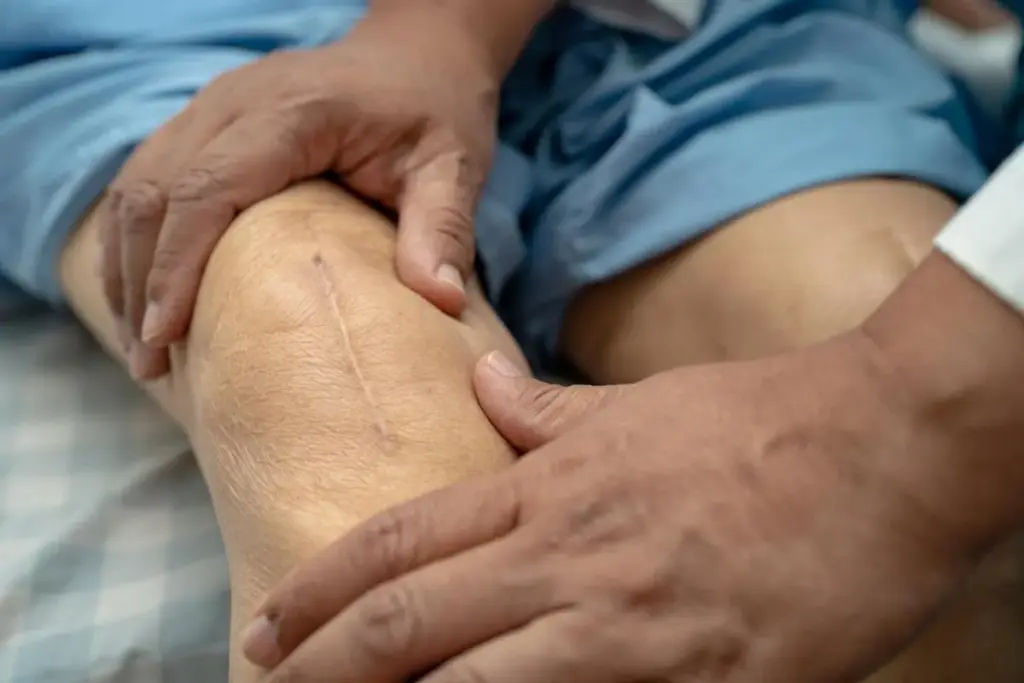
Feeling a heavy sensation in your knee can really get in the way of your day. It’s not just you; about one in four adults deal with knee pain and tightness. This is a common problem all over the world.
At Liv Hospital, we get how tough this can be. We offer top-notch medical care and support to help you figure out why your knee feels tight and heavy. Knowing the cause is key to making the right choices for your health.
Knee tightness and heaviness can come from many things, like injuries, arthritis, or muscle imbalances. For more details on why it happens and how to treat it, check out Healthline’s guide on knee tightness.
Key Takeaways
- Knee tightness and heaviness affect a significant portion of the global population, with approximately 25% of adults experiencing knee pain.
- The prevalence of knee pain increases with age, affecting around 50% of individuals aged 75 and older.
- Women are more likely to report knee-related symptoms compared to men.
- Osteoarthritis is a leading cause of chronic knee pain worldwide.
- Understanding the causes of knee tightness is key for proper management and treatment.
Understanding the Heavy Knee Feeling: Causes and Risk Factors

Knee tightness is a common issue with many causes. It can range from simple overuse to complex medical conditions. Knowing the causes and risk factors is key to managing and treating knee tightness effectively.
Common Causes of Knee Tightness
Several factors lead to knee tightness. Arthritis is a major cause, mainly in older adults, causing inflammation and joint degeneration.
Tendinitis, from overuse or injury, also causes knee tightness. Meniscus tears can lead to tightness, pain, and swelling.
Age and Gender as Risk Factors
Knee pain and tightness grow with age, affecting older adults more. Women are also more likely to experience knee symptoms than men, showing a gender risk factor.
The Role of Physical Activity and Lifestyle
Physical activity and lifestyle choices greatly impact knee health. Muscle imbalances and excess weight stress the knees, worsening tightness.
Previous injuries can leave scar tissue and change joint mechanics, leading to tightness. Keeping a healthy weight and choosing the right physical activities are key to preventing knee tightness.
| Cause/Risk Factor | Description | Impact on Knee |
| Arthritis | Inflammation and degeneration of the joint | Tightness, pain |
| Tendinitis | Inflammation of tendons due to overuse or injury | Pain, tightness |
| Meniscus Tears | Tears in the meniscus cartilage | Pain, swelling, tightness |
| Muscle Imbalances | Imbalances in muscle strength around the knee | Tightness, instability |
| Obesity | Excess weight stressing the knee joint | Increased risk of tightness and pain |
Symptoms and Diagnosis When Your Knee Feels Tight

Feeling a tight knee can be scary. Knowing the symptoms is key to figuring out what’s wrong. When your knee feels tight, you might notice other signs that help find the cause.
Recognizing Different Types of Knee Discomfort
Knee tightness often comes with pain, from mild to severe. The pain might stay the same or only happen when you move. Swelling can also occur, due to inflammation. Plus, a stiff knee can make simple tasks hard.
Pay attention to when your knee feels tight and stiff. This can tell you a lot about what’s going on. For example, stiffness after rest might mean arthritis.
When to See a Doctor About Knee Tightness
If your knee tightness doesn’t go away or gets worse, see a doctor. They can check your symptoms and find out what’s wrong. Look for these signs to know when to get help:
- Severe pain or swelling
- Instability in the knee
- Redness or warmth around the knee
- A fever with knee symptoms
- Hard time walking or putting weight on the knee
Diagnostic Approaches for Knee Problems
Figuring out knee tightness needs a physical check and sometimes tests. First, a doctor will look at your medical history and do a physical exam. They’ll check for tenderness, swelling, and how well you can move your knee.
| Diagnostic Method | Description | Usefulness |
| Physical Examination | Checks knee stability, tenderness, and movement | First look at knee function and symptoms |
| X-ray | Imaging to see bone structure | Finds fractures, osteoarthritis, or bone spurs |
| MRI (Magnetic Resonance Imaging) | Detailed look at soft tissues around the knee | Diagnoses ligament tears, meniscal tears, or tendonitis |
Knowing the symptoms and how doctors diagnose knee tightness is the first step to feeling better. By noticing the signs and getting the right care, you can fix the problem.
Conclusion: Relief Strategies for Tight and Heavy Knees
When your knee feels tight and heavy, it’s key to know why and how to feel better. We’ve talked about many reasons for knee tightness, like age, how active you are, and your lifestyle.
There are ways to ease the pain in your knee. Physical therapy can make your knee move better and stronger. Doctors might give you medicine to help with pain and swelling. Sometimes, surgery is needed to fix deeper problems.
To avoid tight knees, keep a healthy weight, exercise regularly, and stretch often. If your knee stays tight, see a doctor to find the right treatment. Knowing how to handle tight knees helps you stay active and feel good.
By using these tips and getting help when you need it, you can handle knee tightness well. This improves your life, making your knee feel better and more comfortable.
FAQ:
What are the common causes of knee tightness and heaviness?
Knee tightness can come from many sources. Arthritis, tendinitis, and meniscus tears are common causes. Muscle imbalances and excess weight also play a role. Previous injuries can lead to scar tissue and joint changes, causing tightness.
Why do my knees feel tight and stiff, specially in the morning?
Morning knee stiffness often points to arthritis, like osteoarthritis. Rest can cause inflammation and fluid buildup, leading to stiffness. Gentle movement and stretching can help improve this.
How does age affect the risk of developing knee tightness?
Knee tightness risk grows with age, more so after 45. By 45, 25% of people report knee discomfort. For those 75 and older, the rate jumps to 50%.
What role does physical activity play in knee tightness?
Physical activity can both cause and help knee tightness. Overuse or repetitive strain can tighten the knee. But, regular, gentle exercise keeps joints mobile and strengthens muscles.
When should I seek medical advice for knee tightness?
Seek medical help if knee tightness doesn’t go away or gets worse. Also, if it’s painful, swollen, or limits movement.
What diagnostic approaches are used to determine the underlying cause of knee tightness?
Doctors use physical exams, X-rays, MRI, and sometimes arthroscopy. Arthroscopy lets them see the joint directly.
Can lifestyle modifications help alleviate knee tightness?
Yes, staying healthy, stretching, and gentle exercise can ease knee tightness. These habits help keep the knee flexible and strong.
Are there any effective relief strategies for tight and heavy knees?
Effective strategies include physical therapy, pain and inflammation meds, and lifestyle changes. These can help manage knee tightness.
Why do women tend to experience knee tightness more frequently than men?
Women face knee tightness more often, being about twice as likely as men. This is partly due to a higher osteoarthritis rate in women.
Can knee tightness be a symptom of an underlying serious condition?
Yes, knee tightness can signal serious issues like osteoarthritis, tendinitis, or meniscus tears. It’s key to get a medical check-up.
References:
National Center for Biotechnology Information. Evidence-Based Medical Insight. Retrieved from https://www.ncbi.nlm.nih.gov/pmc/articles/PMC3419177/