
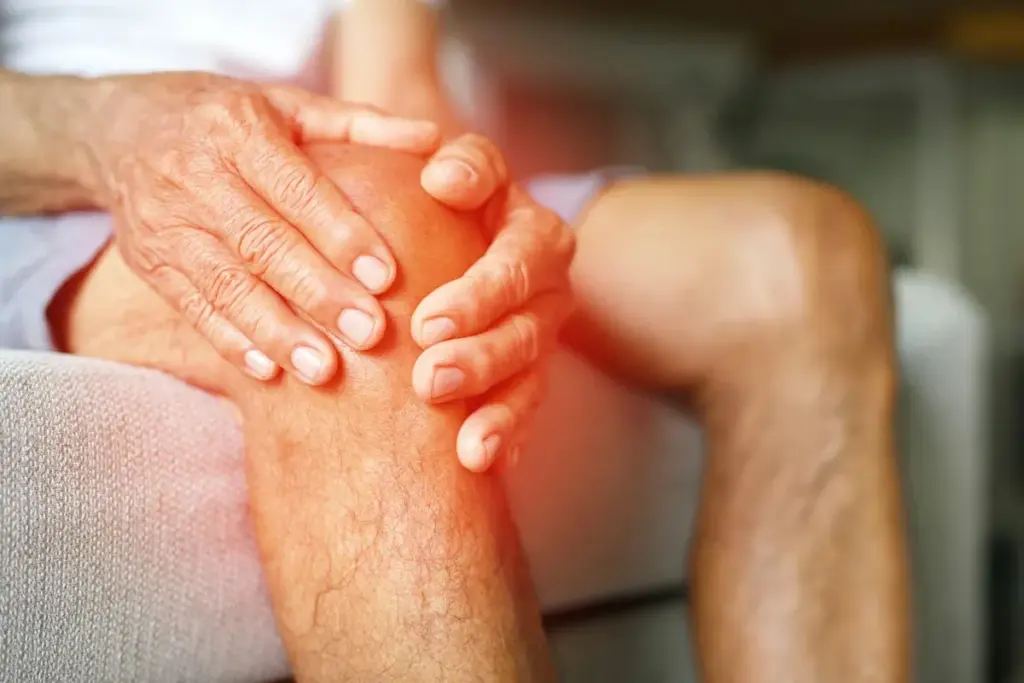
Knee pain is a big problem worldwide, affecting about 25% of adults. It makes daily life harder and lowers our quality of life. Many things can cause knee problems, like injuries, too much use, and conditions like osteoarthritis.
Studies show that knee pain has gone up by about 65% in 20 years. This is mainly because more people are getting older and more are overweight. Knowing what causes knee pain is key to feeling better.
At Liv Hospital, we offer caring and top-notch medical help for knee issues. We focus on our patients, helping them find the right care and move freely again.
Key Takeaways
- Knee pain affects approximately 25% of adults worldwide.
- The prevalence of knee pain has increased by 65% over the past 20 years.
- Aging populations and rising obesity rates contribute to the rise in knee pain.
- Common causes of knee pain include osteoarthritis, injuries, and overuse.
- Understanding the causes of knee pain is key to effective treatment and relief.
The Growing Epidemic of Knee Pain
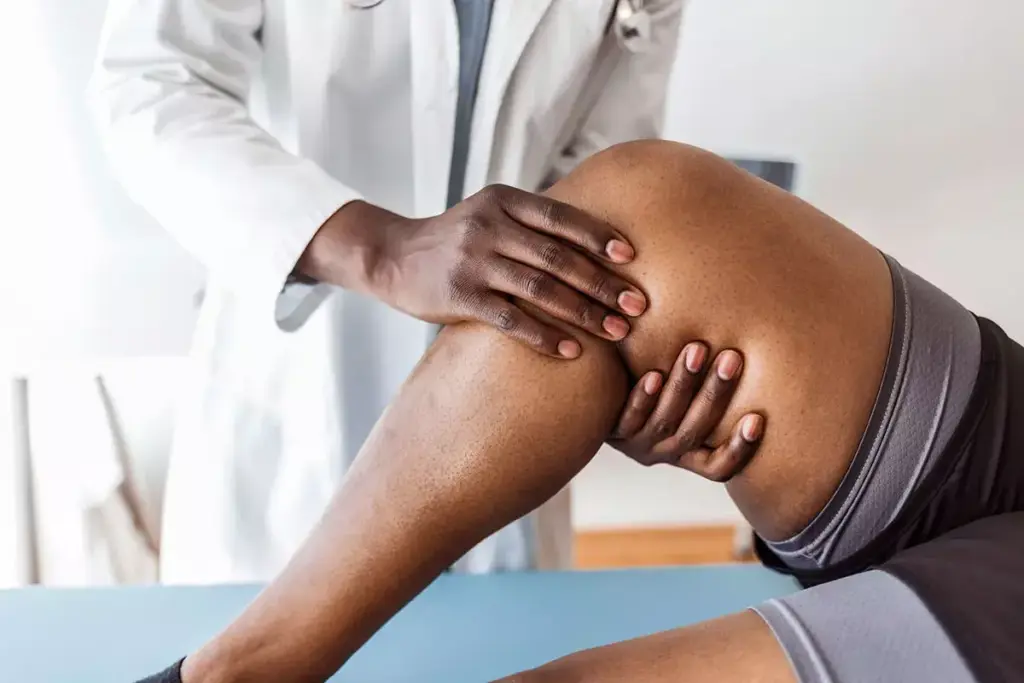
Knee pain is becoming a big problem as people get older. It’s not just a small issue; it’s a major health concern for millions worldwide. The prevalence of knee pain is alarmingly high, and it’s important to understand it well.
Global Statistics and Trends
Recent studies show a shocking increase in knee pain cases worldwide. Young adults aged 18-39 have a 31.8% chance of knee problems in a year. This shows knee pain isn’t just for the elderly.
Age-Related Prevalence
Knee pain gets worse with age. It affects up to 50% of people over 75. As more people get older, knee pain will become a bigger problem for healthcare.
Age-related joint degeneration is a big reason for knee pain in older adults. Knowing this helps us create better solutions.
Gender Differences in Knee Pain
Research shows gender is a big factor in knee pain. Women are more likely to have knee pain than men, making up about 60% of joint osteoarthritis cases. This shows we need to treat knee pain differently for men and women.
By looking at these global numbers, age trends, and gender differences, we can tackle the knee pain epidemic. This will help improve the lives of those suffering from it.
Common Causes of Knee Pain
It’s important to know why knee pain happens. Knee pain can come from many sources, like wear and tear, injuries, or other health problems.
Osteoarthritis: The Primary Culprit
Osteoarthritis is a big reason for knee pain, mainly in people over 50. Around the world, over 365 million people have knee osteoarthritis. This disease wears down the cartilage in the knee, causing pain, stiffness, and less mobility. Learn more about knee pain causes.
Managing osteoarthritis involves lifestyle changes, physical therapy, and medical treatments. Catching it early can slow it down and improve life quality.
Injury-Related Knee Problems
Injuries also cause knee pain. Tears in ligaments, meniscus, or fractures can lead to pain. Sports, falls, and accidents often cause these injuries.
| Type of Injury | Common Causes | Symptoms |
| Ligament Tears | Sports injuries, sudden twists | Pain, instability, swelling |
| Meniscus Tears | Aging, sports, sudden movements | Pain, locking, limited mobility |
| Fractures | Falls, accidents, direct blows | Severe pain, swelling, bruising |
Other Medical Conditions Affecting the Knee
Other health issues can also cause knee pain. Tendinitis, bursitis, and gout are examples. Tendinitis is inflammation of the tendons, and bursitis affects the bursae. Gout causes sudden, severe pain attacks.
Effective management of knee pain starts with knowing the cause. Whether it’s osteoarthritis, an injury, or another condition, the right treatment can help.
Why Does My Knee Pain Occur? Understanding Risk Factors
Knowing what causes knee pain is key to preventing and managing it. Knee pain comes from many sources. Being aware of these can help you take steps to lower your risk.
Lifestyle and Activity Influences
Our lifestyle and daily activities greatly affect knee pain. For example, being overweight is a big risk factor because it puts more stress on the knees. Medical Expert, an orthopedic surgeon, says, “Being overweight is a major risk for knee osteoarthritis. It increases the load on the joints and causes inflammation.”
It’s important to stay active but do it in a way that doesn’t strain your knees. Activities like cycling or running can cause knee pain if you don’t take the right precautions and train properly.
Occupational and Sports-Related Risks
Some jobs and sports increase the risk of knee pain due to repetitive strain or injuries. Jobs that involve heavy lifting, bending, or kneeling can be hard on the knees. Sports like football, basketball, and soccer also have a high risk of knee injuries because of their high-impact nature.
Knowing these risks can help you prevent knee pain. You can wear the right protective gear, follow proper training, and make sure to rest enough between intense activities.
Genetic and Anatomical Factors
Genetics and the shape of your body also affect knee pain. If your family has a history of knee problems, you might be more likely to experience knee pain. Issues like misaligned knees or weak muscles around the knee can also cause pain.
Spotting these factors early can help you take steps to prevent knee pain. You can do exercises to strengthen the muscles around your knee and improve how your joints line up.
By understanding and tackling these risk factors, you can lower your chance of knee pain. This helps keep your knees healthy for years to come.
Effective Solutions for Managing Knee Pain
Managing knee pain needs a mix of medical treatments, physical therapy, and self-care. Knee pain can really affect your life. So, it’s important to look at all the ways to find relief.
Medical Treatments and Interventions
Medical options for knee pain include medicines and surgery. Medical organization says treatments can be:
- Pain-relieving medicines like acetaminophen or NSAIDs
- Corticosteroid shots to cut down inflammation
- Hyaluronic acid shots to make the joint move better
- Surgery like arthroscopy or knee replacement for serious cases
It’s key to talk to a doctor to find the best treatment for your knee pain.
Physical Therapy and Exercise Approaches
Physical therapy is key in managing knee pain. It helps make the joint move better and strengthens the muscles around it. A physical therapist can create a plan that might include:
- Exercises to improve flexibility
- Workouts to strengthen the quadriceps and hamstrings
- Aerobic activities like cycling or swimming to keep the heart healthy without hurting the knee
Self-Care Strategies and Prevention
Self-care is also vital for managing knee pain and stopping it from coming back. It includes:
| Strategy | Description | Benefits |
| Maintaining a Healthy Weight | Keeping a healthy weight to lessen stress on the knee | Reduces pain and boosts mobility |
| Using Proper Footwear | Wearing shoes that support and cushion well | Lessens impact on the knee |
| Engaging in Low-Impact Activities | Doing activities like walking, cycling, or swimming | Keeps the heart healthy without straining the knee |
By adding these self-care steps to your daily routine, you can lessen knee pain and feel better overall.
Conclusion
Understanding why knee pain happens is key to managing it. Knowing the causes helps people take steps to prevent and treat it. This improves their knee health.
Managing knee pain needs a full approach. This includes medical care, making lifestyle changes, and taking preventive steps. We think these steps can help reduce knee pain and keep people moving freely.
Knee pain is complex, caused by things like osteoarthritis, injuries, and lifestyle. By tackling these causes and getting the right care, people can lessen their pain. This improves their life quality.
We urge people to actively manage their knee pain. Working with healthcare experts to create a treatment plan is important. This way, individuals can control their knee health and live a more active, healthy life.
FAQ
What are the most common causes of knee pain?
Knee pain can come from many sources. Osteoarthritis, injuries like ligament and meniscus tears, and overuse are common. Medical conditions like rheumatoid arthritis and gout also play a role.
How does osteoarthritis affect the knee?
Osteoarthritis wears down the cartilage in the knee. This leads to pain, stiffness, and limited movement. It’s a big reason for knee pain, mainly in older people.
Can lifestyle changes help alleviate knee pain?
Yes, changing your lifestyle can help. Keeping a healthy weight, exercising, and avoiding too much stress on the knee can ease pain.
What are the benefits of physical therapy for knee pain?
Physical therapy can improve knee function and reduce pain. It also boosts mobility. A physical therapist will create a plan tailored to your knee issues.
Are there any self-care strategies that can help manage knee pain?
Yes, there are self-care steps. Applying ice or heat, using supports or braces, and resting the knee can help manage pain.
How can I prevent knee pain from occurring in the first place?
To prevent knee pain, live a healthy lifestyle. Exercise regularly, eat well, and avoid overdoing it. Wear the right shoes and use knee protection when needed.
What are the risks of ignoring knee pain?
Ignoring knee pain can lead to more harm. It can cause chronic pain and limit mobility. Always seek medical help if pain doesn’t go away or gets worse.
Can knee pain be a symptom of an underlying medical condition?
Yes, knee pain can signal a bigger issue. It might be osteoarthritis, rheumatoid arthritis, or a torn ligament or meniscus. Always check with a doctor to find out why.
How can I find relief from extreme knee pain?
For severe knee pain, a mix of treatments might work. This includes medication, physical therapy, and self-care. Always talk to a healthcare professional to find the best treatment.
References:
National Center for Biotechnology Information. Evidence-Based Medical Insight. Retrieved from https://pmc.ncbi.nlm.nih.gov/articles/PMC7704420/



 Departments
 Related Videos
 Our Doctors
 News
News