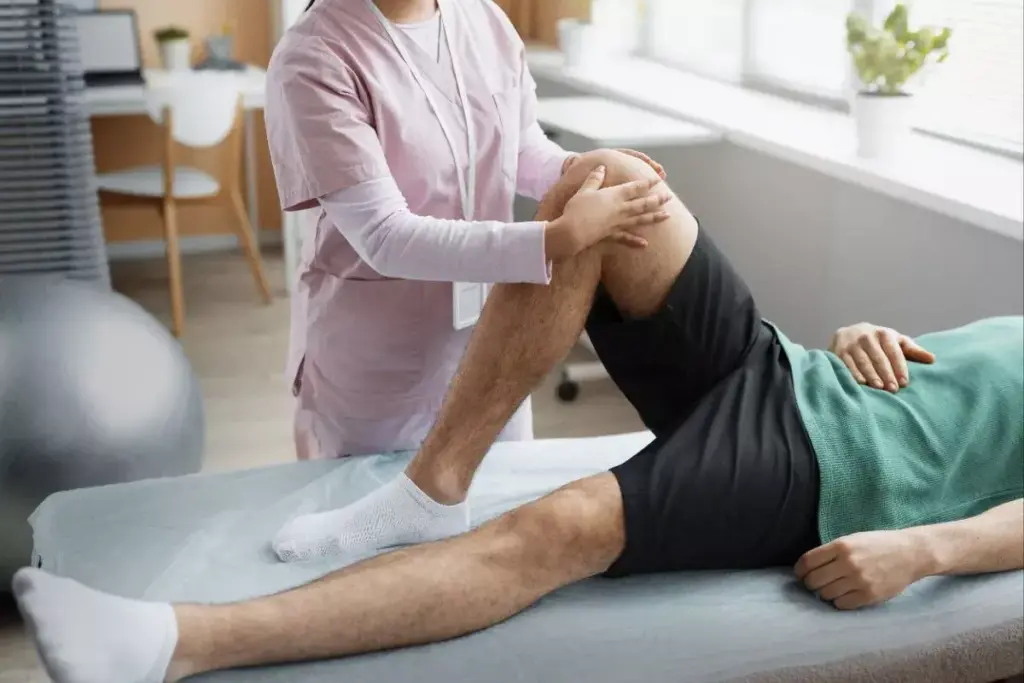
Feeling a pop, click, or crack in your knee can be scary, and even more so when it hurts. Many wonder if these sounds mean serious damage or the start of arthritis. But, the truth is more complex.
At Pyramid Physical Therapy in San Antonio, we often see this knee issue. Studies show that 41 percent of people hear knee clicking and popping. This number jumps to 81 percent for those with osteoarthritis. It usually happens during exercise or when stepping off a curb, showing that something in your knee joint has moved out of place.
It’s important to know why this happens and what you can do about it. We’ll talk about how common knee popping and pain are. We’ll also look at why you should take action to keep your joint health in check.
Key Takeaways
- Knee popping and pain are common musculoskeletal concerns affecting millions globally.
- Research shows that 41% of people experience knee clicking and popping.
- The prevalence rises to 81% among those with osteoarthritis.
- Understanding the underlying causes is key for long-term joint health.
- There are many ways to treat knee popping and pain.
Understanding Why Does My Knee Pop and Hurt
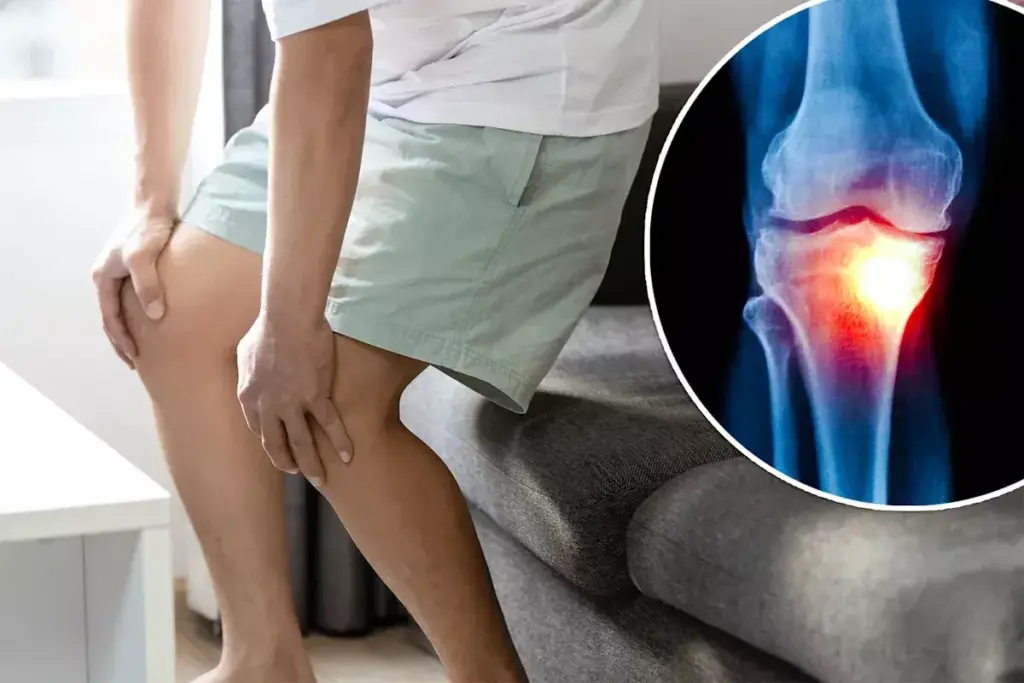
It’s important to know why your knee pops and hurts. Knee popping, or crepitus, can happen for many reasons. Some are harmless, while others might be serious.
What is Knee Crepitus?
Knee crepitus is the feeling of grinding or popping in your knee. It happens when bones, cartilage, or other tissues rub against each other. Crepitus can be a sign of many issues, like joint wear, injuries, or osteoarthritis.
When you feel knee crepitus, watch for pain, swelling, or trouble moving. These signs might mean you need to see a doctor. For example, knee popping and pain could mean a meniscus tear or other knee problems.
When to Be Concerned About Knee Popping
Occasional, painless knee popping is usually okay. But persistent or painful popping needs a closer look. If you have pain, swelling, or trouble moving, see a doctor.
These signs might mean you have a serious condition. For instance, osteoarthritis can cause knee pain and crepitus. Knowing when knee popping is serious is key to getting the right treatment.
Risk Factors for Painful Knee Popping
Some things can make knee popping more likely to hurt. These include:
- Age: As we get older, our joints wear out, leading to conditions like osteoarthritis.
- Previous knee injuries: Past injuries can make you more likely to have future problems, like meniscus tears or ligament sprains.
- Obesity: Being overweight puts extra stress on your knee, speeding up wear and tear.
- Repetitive strain or overuse: Doing the same thing over and over can cause inflammation and pain in your knee.
Knowing these risk factors can help you prevent problems. If you start to feel symptoms, get medical help early. Understanding the causes and risk factors of painful knee popping helps us find the right treatment.
Causes and Treatment Options for Knee Popping and Pain
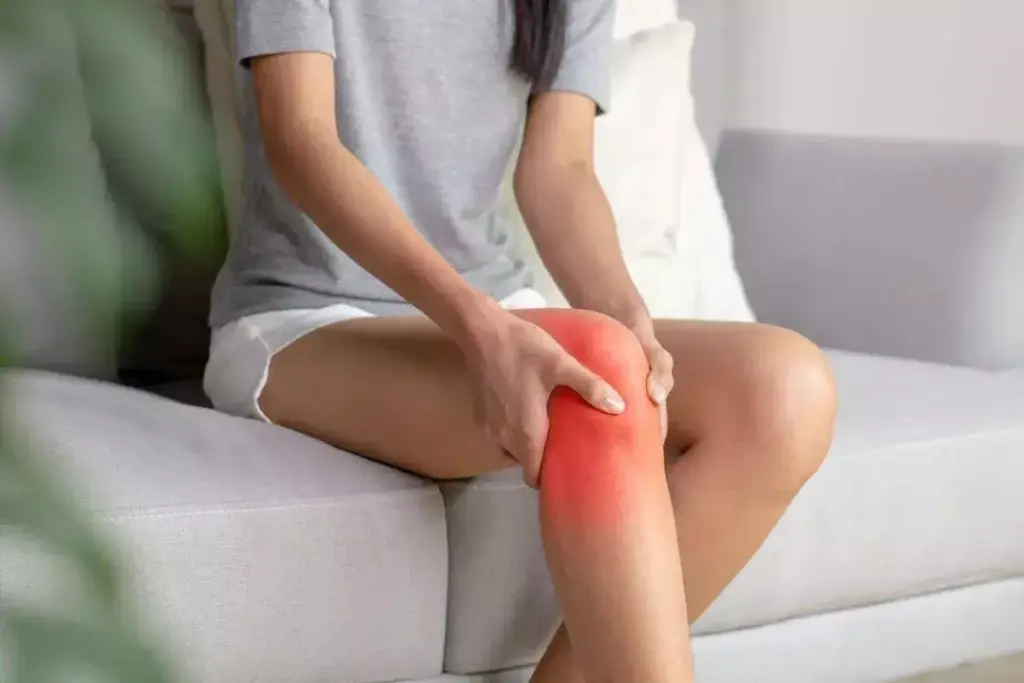
Knee popping and pain can be scary. It’s important to know why it happens and how to treat it. Knee popping, or crepitus, feels like grinding or crunching in the knee. It can also cause pain, stiffness, or make it hard to move.
Common Causes of Knee Popping
Many things can cause knee popping and pain. Here are some common reasons:
- Meniscus Tears: The meniscus is a cartilage in the knee that can tear. This can lead to popping and pain.
- Ligament Injuries: Ligaments connect bones. Injuries to these can cause knee instability and popping.
- Osteoarthritis: This disease wears away cartilage in the knee. It leads to bone-on-bone contact and crepitus.
Other causes include patellofemoral pain syndrome and tendonitis. These are when the kneecap doesn’t move right and when tendons around the knee get inflamed.
Effective Treatment Approaches
Treatment for knee popping and pain varies by cause. Here are some effective ways to treat it:
| Treatment Option | Description |
| Conservative Care | First, try rest, ice, compression, and elevation (RICE) to reduce pain. Physical therapy can also help improve knee function and strength. |
| Medications | Over-the-counter pain relievers or anti-inflammatory medications may be recommended to manage pain and inflammation. |
| Surgical Interventions | If other treatments don’t work, surgery like arthroscopy or knee replacement might be needed. |
It’s important to talk to a healthcare professional. They can help find the best treatment plan for your knee popping and pain.
Conclusion
Knee popping and pain can be unsettling. It might be a knee cracks and hurts or a popping knee pain that doesn’t go away. We’ve looked at why this happens and how to treat it.
If you’re feeling painful popping in knee or knee swollen and popping, see a doctor. They can find out what’s causing it. We talked about different ways to treat knee popping and pain, from simple steps to more serious actions.
Don’t ignore knee pain with popping that lasts. Getting it checked early can really help. Knowing the reasons and treatments can help you manage and recover from my knee keeps popping and it hurts.
FAQ
What is knee crepitus, and is it a cause for concern?
Why does my knee hurt and keep popping?
What are the risk factors for painful knee popping?
Can knee popping be a sign of a serious underlying condition?
What treatment options are available for knee popping and pain?
How can I alleviate knee pain and popping when walking?
Is knee popping and pain when bent a cause for concern?
Can knee swelling and popping be related?
References
National Center for Biotechnology Information. Evidence-Based Medical Insight. Retrieved from https://pubmed.ncbi.nlm.nih.gov/32192999/[8