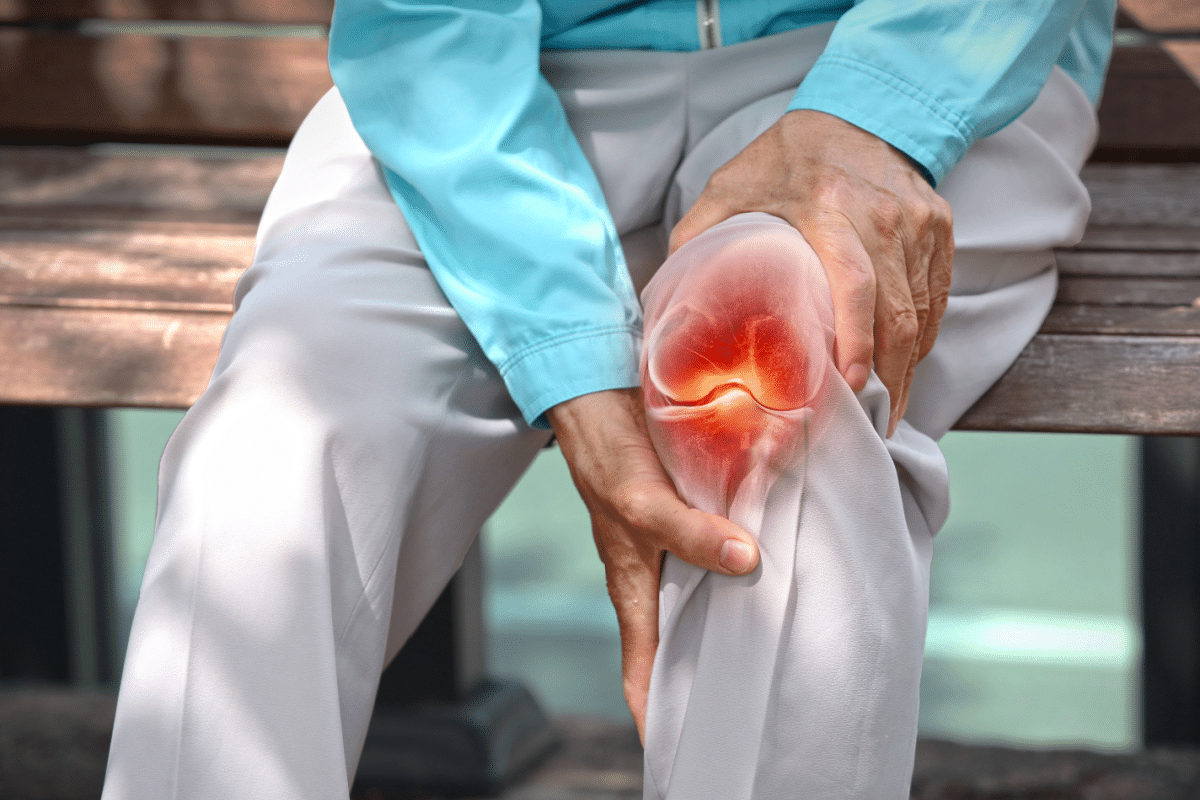
Arthritis is a group of more than 100 diseases that affect millions globally. It’s a big health issue for people of all ages. The World Health Organisation says over 528 million people have osteoarthritis. Also, 18 million have rheumatoid arthritis, among many other types.
Arthritis is much more complex than many think. It causes severe pain by damaging joints and tissues. At Liv Hospital, we offer caring, evidence-based treatment for those with arthritis.
Key Takeaways
- Arthritis is a complex condition with over 100 different forms.
- It affects millions of people worldwide across all age groups.
- Osteoarthritis and rheumatoid arthritis are among the most prevalent types.
- Understanding the different types of arthritis is key for effective management.
- Liv Hospital provides compassionate, evidence-based care for arthritis patients.
The Widespread Impact of Arthritis

Arthritis is a big health issue worldwide, touching millions of lives. It doesn’t just affect one group; it’s a problem that needs everyone’s attention. Understanding and tackling it is key.
Global Statistics and Prevalence
Arthritis is common globally. Osteoarthritis is the top type found everywhere. The numbers vary by region and population, due to genetics, lifestyle, and environment.
Here are some important stats:
|
Region |
Prevalence of Arthritis |
Most Common Type |
|---|---|---|
|
North America |
23% of adults |
Osteoarthritis |
|
Europe |
20% of adults |
Osteoarthritis |
|
Asia-Pacific |
15% of adults |
Rheumatoid Arthritis |
Age, Gender, and Demographic Patterns
Arthritis isn’t the same for everyone. It gets more common with age, hitting older adults hard. Women are more likely to get certain types, like rheumatoid arthritis.
Knowing who’s most at risk helps us create better plans. We can tailor support and treatments to meet the needs of different groups. This way, we can manage arthritis more effectively.
What Exactly Is Arthritis?

Arthritis is not just one disease. It’s a group of joint problems with different causes and symptoms. Over 100 conditions can affect the joints, tissues, and other connective tissues.
Definition and Basic Mechanisms
At its core, arthritis is about inflammation or degeneration in joints. This leads to pain, stiffness, and less mobility. It can be caused by autoimmune responses, wear and tear, infections, or metabolic disorders.
These causes lead to inflammation, cartilage breakdown, and bone erosion. This affects the joint’s structure and function.
Arthritis is complex, and knowing its types is key to managing it. While all types share some common traits, each has unique features. This means each type needs a specific treatment approach.
The Joint Structure and How Arthritis Affects It
A joint is made of bone, cartilage, ligaments, tendons, and synovium. In a healthy joint, these work together for smooth movement and shock absorption. Arthritis disrupts this by causing inflammation, cartilage loss, and bone damage.
- Cartilage Degradation: In osteoarthritis, cartilage wears away, causing bones to rub together.
- Inflammation: In rheumatoid arthritis, the synovium inflames, causing swelling and damage.
- Bone Erosion: Chronic inflammation can cause bone erosion, deformity, and loss of function.
Common Misconceptions About Arthritis
Despite its commonality, arthritis is often misunderstood. Let’s clear up some common misconceptions:
- Arthritis only affects older people. While age is a risk factor, arthritis can affect people of all ages, including children.
- Arthritis is just a minor nuisance. For many, arthritis can be debilitating, significantly impacting quality of life.
- There’s nothing you can do about arthritis. On the contrary, various treatments and lifestyle changes can help manage symptoms and slow disease progression.
Understanding arthritis and its effects on the body is key. It helps us see why early diagnosis and proper management are so important. This knowledge empowers individuals to take control of their condition and improve their well-being.
Why Is Arthritis So Painful? The Science Explained
Pain in arthritis is more than just a simple reaction to inflammation. It involves many biological pathways. To grasp why arthritis hurts so much, we must explore the complex mechanisms behind it.
Pain Receptors and Inflammation Pathways
Arthritis pain mainly comes from inflammation. This inflammation turns on pain receptors in the joints. Chemicals are released, which activate special nerve endings called nociceptors.
Inflammation pathways are key. These pathways release chemicals that cause inflammation and make nociceptors more sensitive. This increased sensitivity is why arthritis patients feel more pain.
Nerve Sensitization in Chronic Arthritis
Chronic arthritis causes nerves to become more sensitive. This leads to hyperalgesia and allodynia. Hyperalgesia makes pain worse, and allodynia makes non-painful things feel painful.
“Chronic pain in arthritis is not just a prolonged version of acute pain; it’s a distinct entity driven by changes in the nervous system.”
Nerve sensitization happens at both the nerve endings and in the brain and spinal cord. Inflammation releases chemicals that make nerves more sensitive. Changes in the brain and spinal cord also make pain signals stronger.
The Role of Cytokines and Pain Mediators
Cytokines are important in arthritis inflammation. They include TNF-alpha and IL-1beta, which make nerves more sensitive to pain. Other chemicals, like prostaglandins and bradykinin, also contribute to pain.
Knowing how these chemicals work is key to finding better treatments. By targeting these mechanisms, doctors can help reduce arthritis pain more effectively.
Categorizing the 100+ Types of Arthritis
Arthritis comes in over 100 types, each affecting the body differently. This variety makes finding the right treatment tricky. But it also means treatments can be tailored to each person’s needs.
Degenerative vs. Inflammatory Forms
Arthritis falls into two main groups: degenerative and inflammatory. Degenerative arthritis, like osteoarthritis, happens when joints wear out over time. Inflammatory arthritis, such as rheumatoid arthritis, occurs when the immune system attacks the joints, causing pain and swelling.
We’ll dive deeper into these categories, showing how they differ.
Metabolic, Infectious, and Autoimmune Categories
Arthritis also includes metabolic, infectious, and autoimmune types. Metabolic arthritis, like gout, is caused by metabolic imbalances that lead to joint crystals. Infectious arthritis is due to joint infections, often from bacteria or viruses. Autoimmune arthritis, such as rheumatoid arthritis, happens when the immune system attacks the body’s own tissues.
To understand the various types of arthritis, let’s look at a comparison table:
|
Type of Arthritis |
Primary Characteristics |
Common Symptoms |
|---|---|---|
|
Degenerative (Osteoarthritis) |
Wear and tear of joints |
Joint pain, stiffness, limited mobility |
|
Inflammatory (Rheumatoid Arthritis) |
Immune system attacks joint lining |
Joint inflammation, pain, swelling, fatigue |
|
Metabolic (Gout) |
Uric acid crystal accumulation |
Severe joint pain, redness, swelling |
|
Infectious |
Joint infection |
Joint pain, swelling, fever, redness |
|
Autoimmune (Rheumatoid Arthritis) |
Immune system attacks body’s tissues |
Joint pain, inflammation, fatigue, fever |
Knowing these categories helps doctors create treatments that fit each patient’s needs.
Osteoarthritis: When Cartilage Wears Away
Osteoarthritis is not just a natural part of aging. It’s a complex condition where joint cartilage and bone deteriorate. It affects millions, causing pain, stiffness, and reduced mobility in joints.
We will explore the mechanical breakdown of cartilage. We’ll see why movement becomes painful in osteoarthritis. We’ll also look at primary and secondary osteoarthritis, understanding its causes and symptoms.
Mechanical Breakdown and Pain Generation
The mechanical breakdown of cartilage is key to understanding osteoarthritis. Cartilage acts as a cushion between bones, allowing smooth movement. In osteoarthritis, this cartilage wears away, leading to bone-on-bone contact and pain.
Cartilage degradation happens due to aging, mechanical stress, and biochemical changes. As cartilage deteriorates, the joint can’t absorb shock or move smoothly.
Why Movement Becomes Painful
Movement becomes painful in osteoarthritis because of cartilage loss and bone-on-bone contact. Soft tissues like ligaments and tendons can also become inflamed, adding to the pain.
Inflammation plays a big role in osteoarthritis pain. It’s not as severe as in inflammatory arthritis, but it can cause swelling and pain.
Primary vs. Secondary Osteoarthritis
Osteoarthritis can be primary or secondary. Primary osteoarthritis is common and linked to aging and wear and tear. Secondary osteoarthritis is caused by trauma, infection, or congenital conditions that affect joints.
|
Characteristics |
Primary Osteoarthritis |
Secondary Osteoarthritis |
|---|---|---|
|
Cause |
Aging and wear and tear |
Trauma, infection, congenital conditions |
|
Age of Onset |
Typically older adults |
Can occur at any age depending on the cause |
|
Joint Involvement |
Commonly affects weight-bearing joints like knees and hips |
Can affect any joint, depending on the underlying cause |
Understanding the differences between primary and secondary osteoarthritis is key for treatment. While primary osteoarthritis is common, knowing the cause of secondary osteoarthritis can lead to better treatments.
Inflammatory Arthritis: The Immune System’s Role
When the immune system goes wrong, it can cause inflammatory arthritis. This leads to a lot of pain and can make it hard to move. The immune system attacks the joints, causing inflammation and damage.
We will look at three main types of inflammatory arthritis: rheumatoid arthritis, psoriatic arthritis, and ankylosing spondylitis. Each one affects the body in different ways.
Rheumatoid Arthritis Mechanisms
Rheumatoid arthritis (RA) is a chronic autoimmune disorder that mainly affects the joints. In RA, the immune system mistakenly attacks the lining of the joints (synovium), leading to inflammation and damage. This can result in symptoms such as pain, swelling, and stiffness, mainly in the hands and feet.
The exact cause of RA is unknown, but it’s thought to be a mix of genetics and environment. The immune system’s attack on the joints leads to the production of inflammatory cytokines. These cytokines keep the inflammation and joint damage going.
Psoriatic Arthritis and Skin-Joint Connection
Psoriatic arthritis (PsA) is another form of inflammatory arthritis that happens in some people with psoriasis. Psoriasis is a skin condition with red, scaly patches. In PsA, the immune system targets both the skin and the joints, leading to inflammation in both.
The link between the skin and joints in PsA is not fully understood. But it’s believed that the same inflammatory pathways that cause skin lesions also contribute to joint inflammation. Treatment for PsA often involves addressing both the skin and joint manifestations.
Ankylosing Spondylitis and Spinal Pain
Ankylosing spondylitis (AS) is a type of inflammatory arthritis that mainly affects the spine, though other joints can also be involved. In AS, the immune system’s attack leads to inflammation of the spinal joints (vertebrae), which can eventually cause the vertebrae to fuse together.
This fusion can result in a loss of spinal mobility and flexibility. The inflammation can also cause significant pain and stiffness, mainly in the lower back.
The following table summarizes the key features of the three inflammatory arthritis conditions discussed:
|
Condition |
Primary Affected Areas |
Key Symptoms |
|---|---|---|
|
Rheumatoid Arthritis |
Hands, Feet, Wrists |
Pain, Swelling, Stiffness |
|
Psoriatic Arthritis |
Skin, Joints (hands, feet) |
Skin Lesions, Joint Pain, Swelling |
|
Ankylosing Spondylitis |
Spine, Sacroiliac Joints |
Back Pain, Stiffness, Limited Mobility |
Understanding these conditions is key to creating effective treatment plans. These plans should address both the symptoms and the underlying immune system issues.
Crystal-Induced Arthritis: The Most Acutely Painful Types
Crystal-induced arthritis is known for its sharp pain. It includes gout and pseudogout, where crystals build up in joints. This causes a lot of pain and swelling.
Gout: Why Uric Acid Crystals Cause Excruciating Pain
Gout happens when uric acid crystals build up in joints. This leads to a big inflammatory response and severe pain. The big toe is often hit, but other joints can get it too.
The pain from gout comes on fast and is very strong. Genetics, diet, and some medicines can make gout worse. Eating foods high in purines can raise uric acid levels and start a gout attack.
- Changing what you eat can help with gout symptoms.
- Medicines like allopurinol can lower uric acid levels.
- Living healthier, like losing weight and not drinking too much, helps too.
Pseudogout and Calcium Pyrophosphate Deposition
Pseudogout, or calcium pyrophosphate deposition disease (CPPD), is another type of crystal arthritis. It happens when calcium pyrophosphate dihydrate crystals form in joints, causing swelling and pain.
Pseudogout symptoms can look like gout, making it hard to diagnose. But it usually hits bigger joints like the knees and wrists. Treatment focuses on easing pain and swelling, and fixing any health issues that might lead to crystals forming.
- NSAIDs can help with pain.
- Colchicine is used to treat pseudogout too.
- Sometimes, draining the joint is needed to relieve pressure.
Why Crystal Arthritis Often Strikes at Night
Crystal-induced arthritis, like gout and pseudogout, often hurts more at night. The body’s natural rhythm can affect how it feels pain and inflammation. Also, when we rest, our body’s temperature and water levels can change, which might make crystals form and hurt more.
Knowing why it hurts more at night can help manage symptoms. This can improve life for those with crystal-induced arthritis.
Less Common but Severely Painful Arthritis Types
Arthritis covers many conditions, some rare and very painful. While we know about osteoarthritis and rheumatoid arthritis, others are less common but just as painful. We’ll look at three such types: juvenile idiopathic arthritis, reactive arthritis, and enteropathic arthritis.
Juvenile Idiopathic Arthritis
Juvenile idiopathic arthritis (JIA) is the most common arthritis in kids and teens. It causes joint inflammation, leading to pain and stiffness. The exact cause is unknown, but it’s thought to be a mix of genetics and environment.
JIA can really affect a child’s life, impacting their joints and overall health. Symptoms can vary, from mild to severe, including fever and rash. Early treatment is key to managing the condition and preventing damage.
Reactive Arthritis Following Infections
Reactive arthritis happens after an infection, often in the gut or urethra. It’s usually caused by bacteria like Salmonella or Chlamydia. This type of arthritis can be very painful, mainly affecting the knees and ankles.
Symptoms include joint pain and swelling, along with fatigue and eye issues. Treatment aims to treat the infection and manage symptoms to reduce inflammation and prevent damage.
Enteropathic Arthritis and Gut Connections
Enteropathic arthritis is linked to inflammatory bowel diseases like Crohn’s and ulcerative colitis. It causes joint pain and inflammation, along with gut symptoms. The connection between the gut and joints is complex, with bowel inflammation potentially causing arthritis symptoms.
Managing enteropathic arthritis involves treating the IBD and addressing arthritis symptoms. This may include medications and lifestyle changes to manage both conditions.
Diagnosing Arthritis: Why Identifying the Type Matters for Pain Management
Knowing the exact type of arthritis is key to managing pain well. Accurate diagnosis lets doctors create treatment plans that fit each patient’s needs.
Laboratory Tests and Biomarkers
Laboratory tests are vital in diagnosing arthritis. They find biomarkers linked to different arthritis types. For example, rheumatoid factor (RF) and anti-CCP antibodies are found in rheumatoid arthritis patients.
Other tests include complete blood counts (CBC), erythrocyte sedimentation rate (ESR), and C-reactive protein (CRP). These tests check inflammation levels. A study in the Journal of Rheumatology shows biomarkers help diagnose specific arthritis types.
Imaging Technologies and What They Reveal
Imaging like X-rays, ultrasound, and MRI are key in diagnosing arthritis. They show joint damage, inflammation, and other changes.
X-rays can spot joint space narrowing and bone spurs in osteoarthritis. MRI can find early signs of inflammation and cartilage damage. As noted by the
“Imaging plays a critical role in the early detection and management of arthritis, enabling healthcare providers to intervene before significant damage occurs.”
The Challenge of Accurate Diagnosis
Even with new tests and imaging, diagnosing arthritis can be tough. Many arthritis types have similar symptoms, making it hard to tell them apart.
To solve this, doctors use a mix of clinical checks, lab tests, and imaging. A leading rheumatologist says,
“A thorough diagnostic approach is vital for pinpointing the arthritis type and crafting an effective treatment plan.”
Risk Factors and Prevention Strategies
Arthritis starts with a mix of genetics, lifestyle, and other factors. Knowing these helps us prevent and manage it better.
Genetic Predisposition
Genetics are key in some arthritis types. If your family has it, you might get it too. Scientists have found genes that raise the risk of rheumatoid arthritis and others.
Lifestyle Factors and Modifiable Risks
Our choices and environment also affect arthritis risk. Staying fit, not smoking, and eating right can help. These actions can lower your risk.
- Being at a healthy weight eases joint pressure, mainly in hips, knees, and spine.
- Exercise keeps joints moving and muscles strong.
- Quitting smoking is key because it’s linked to higher rheumatoid arthritis risk.
Early Intervention and Pain Prevention
Spotting arthritis early is vital. Early treatment can slow the disease and prevent worse problems.
|
Risk Factor |
Prevention Strategy |
|---|---|
|
Genetic Predisposition |
Regular check-ups, early screening |
|
Obesity |
Weight management through diet and exercise |
|
Smoking |
Smoking cessation programs |
Understanding risks and using prevention can lower arthritis chances. It can also lessen its effects if you already have it.
Modern Approaches to Managing Arthritis Pain
Managing arthritis pain today involves many treatment options. It’s a complex task that looks at the type of arthritis, its severity, and the patient’s health. This approach helps find the best way to manage pain.
Medication Strategies by Arthritis Type
Each type of arthritis needs a different treatment plan. For osteoarthritis, doctors often use pain relievers and anti-inflammatory drugs. These help manage pain and reduce swelling.
Rheumatoid arthritis might need drugs that slow the disease’s progress. Biologic agents that target the immune system are also used. This helps control the disease.
For crystal-induced arthritis, like gout, lowering uric acid levels is key. Medications that reduce inflammation during attacks are also important. The right medication depends on the patient’s health and the severity of symptoms.
The field of arthritis treatment is always changing. New therapies and medications are being developed. These include biologic agents, targeted therapies, and regenerative medicine.
Clinical trials are vital for testing these new treatments. They help find out if these treatments are safe and work well. This gives hope for better care for patients.
Some exciting areas in arthritis research include:
- Stem cell therapy for cartilage regeneration
- Gene therapy to modulate the immune response
- New oral anticoagulants and anti-inflammatory drugs
Joining clinical trials offers access to new treatments. It also helps improve arthritis care. As research goes on, we’ll see more effective and tailored treatments for managing arthritis pain.
Conclusion: Living Well Despite Arthritis Pain
Understanding arthritis is key to managing it well. We’ve looked at the different types, their causes, and why they hurt. Knowing the specifics of each type helps people deal with their condition better.
Managing arthritis pain involves many steps. This includes medical treatments, lifestyle changes, and self-care. Working with healthcare providers helps create a plan to lessen pain and enhance life quality.
Arthritis may be ongoing, but it doesn’t mean you can’t live fully. The right strategies can help control pain and keep you independent. We urge those with arthritis to learn about their condition and seek support to live well.
FAQ
How many different types of arthritis are there?
There are over 100 different types of arthritis. Each has its own unique effects on the body.
What is the most painful type of arthritis?
Gout is often seen as the most painful. It causes sudden, severe pain, usually in the big toe.
Are there different kinds of arthritis?
Yes, arthritis includes many conditions. These include degenerative, inflammatory, metabolic, infectious, and autoimmune types. Each needs a different management approach.
How does arthritis pain occur?
Arthritis pain comes from inflammation, joint damage, and pain receptor sensitization. Various cytokines and pain mediators play a role.
Can lifestyle changes help manage arthritis pain?
Yes, changing your lifestyle can help manage arthritis pain. This includes diet, exercise, and maintaining a healthy weight.
What are the risk factors for developing arthritis?
Risk factors include genetics, age, gender, obesity, and past joint injuries. These can increase your risk.
How is arthritis diagnosed?
Diagnosis involves a medical history, physical exam, lab tests, and imaging. These help identify the type of arthritis.
What are the modern approaches to managing arthritis pain?
Modern strategies include personalized medication, lifestyle changes, and new treatments like biologics and stem cell therapies.
Is it possible to prevent arthritis?
While some risks can’t be changed, early action and lifestyle changes can help prevent or delay some types of arthritis.
How does the immune system contribute to inflammatory arthritis?
In conditions like rheumatoid arthritis, the immune system attacks the joint lining. This leads to inflammation, pain, and damage.
What is the difference between osteoarthritis and inflammatory arthritis?
Osteoarthritis is a degenerative condition caused by cartilage wear. Inflammatory arthritis is an immune response leading to joint inflammation.
References
National Center for Biotechnology Information. Evidence-Based Medical Guidance. Retrieved from https://www.ncbi.nlm.nih.gov/pmc/articles/PMC2709430/