
When you’re getting chemotherapy, a low white blood cell count is a big worry. It’s called neutropenia. Facing a chemotherapy delay might be scary, but it’s really important for your safety during cancer treatment.
At Liv Hospital, we put your safety and trust first. We make sure to pause chemotherapy if your blood counts are low. This is based on the latest medical research and our care for you. Knowing why delays happen and what to expect can make you feel more in control and confident in your treatment.
Key Takeaways
- Chemotherapy targets cells that grow fast, including healthy ones, leading to fewer white blood cells.
- Neutropenia makes you more likely to get serious infections, so doctors might delay the next cycle of chemo.
- Knowing how chemo affects white blood cells can help you understand your treatment better.
- We take steps to manage and recover from neutropenia to keep you safe.
- Understanding the reasons for chemotherapy delays can help you make better choices about your care.
Understanding White Blood Cells and Their Role in Immune Function
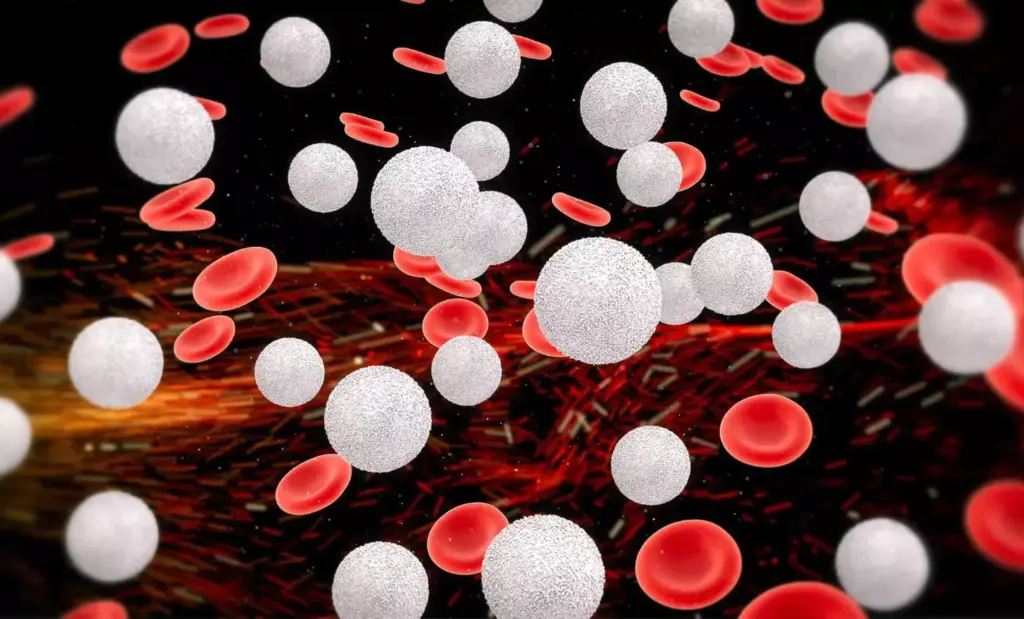
White blood cells, or leukocytes, are the body’s first defense against infections and diseases. They fight off pathogens and help in healing. This is key to the immune system’s function.
There are many types of white blood cells, each with its own role in immune health. Knowing about these types and their roles helps us understand how chemotherapy affects the body’s immune system.
Types of White Blood Cells and Their Functions
White blood cells are diverse, working together to defend the body. The main types include:
- Neutrophils: These cells fight bacterial infections and are the first to respond to infections.
- Lymphocytes: Lymphocytes, including T cells and B cells, are key in fighting viral infections and other pathogens.
- Monocytes: These cells turn into macrophages, which clean up infection sites by engulfing and digesting pathogens.
- Eosinophils: Eosinophils help fight parasitic infections and allergic reactions.
- Basophils: Basophils are involved in inflammation and allergic responses.
Each type of white blood cell has a unique function. Together, they provide a strong defense against many pathogens.
Normal White Blood Cell Count Ranges
A normal white blood cell count is between 4,500 and 11,000 cells per microliter of blood. Counts outside this range can signal health issues like infections, autoimmune disorders, or bone marrow problems.
| Type of White Blood Cell | Normal Range (cells/μL) | Percentage of Total WBCs |
|---|---|---|
| Neutrophils | 1,500 – 8,000 | 45-75% |
| Lymphocytes | 1,000 – 4,000 | 20-40% |
| Monocytes | 100 – 700 | 5-10% |
| Eosinophils | 50 – 500 | 1-4% |
| Basophils | <100 | <1% |
Knowing these ranges is important for patients on chemotherapy. Treatment can lower white blood cell counts, leading to conditions like neutropenia.
White blood cells are essential for immune function. Chemotherapy can reduce their production, causing complications. Understanding their role and normal counts helps patients deal with chemotherapy’s challenges.
“The presence of adequate white blood cells is vital for fighting infections. Their decrease during chemotherapy can cause serious problems.”
How Chemotherapy Affects Blood Cell Production
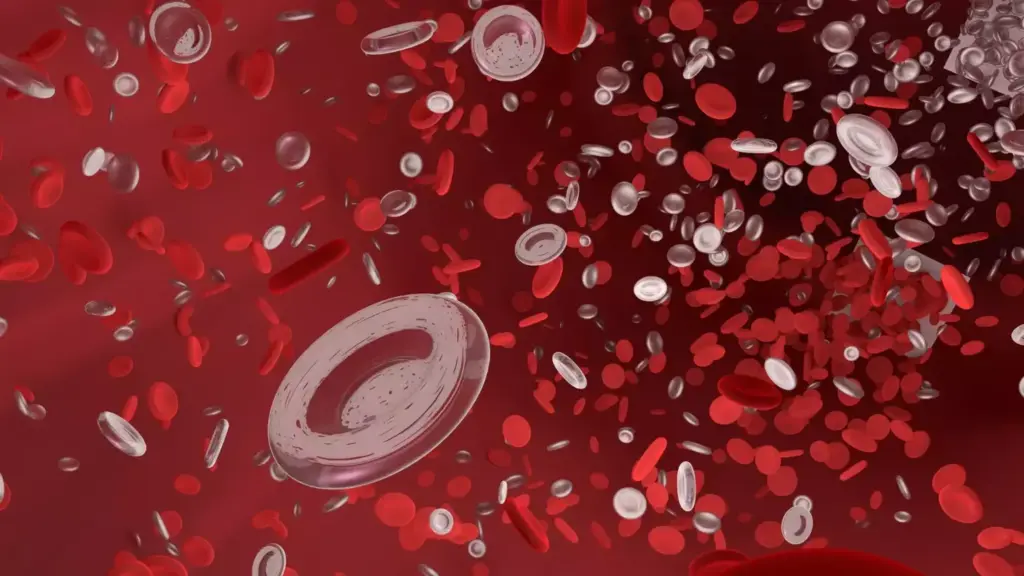
It’s key to know how chemotherapy impacts blood cell making. It targets fast-growing cells, like cancer and healthy bone marrow cells. These cells are vital for making blood.
Myelosuppression: The Impact on Bone Marrow
Myelosuppression is a common side effect of chemotherapy. It leads to fewer white blood cells, red blood cells, and platelets. This happens because chemotherapy hampers the bone marrow’s ability to produce these cells.
Myelosuppression raises the risk of infections, anemia, and bleeding. It’s important for the bone marrow to recover between treatments to keep blood cell counts stable.
Timeline of WBC Depletion After Chemotherapy
The time it takes for white blood cells to drop after chemotherapy varies. It depends on the treatment type and the patient. Usually, white blood cell counts start to fall a few days after treatment.
| Days After Chemotherapy | WBC Count Trend | Clinical Implications |
|---|---|---|
| 0-3 | Stable or slight decrease | Monitoring begins |
| 4-7 | Significant decrease | Risk of neutropenia increases |
| 7-14 | Lowest point (nadir) | Highest risk of infection |
| 14+ | Gradual recovery | Continued monitoring |
Knowing this timeline helps patients and doctors prepare for and manage low white blood cell count issues.
Why Is Chemo Delayed Due to Low White Blood Cell Count?
Doctors delay chemotherapy when a patient’s white blood cell count is too low. This careful step helps avoid serious infections and keeps patients safe.
The Threshold for Treatment Delays
Oncologists watch a patient’s white blood cell count closely. If it drops below 1,500 cells per microliter, they might delay treatment. They wait until the count goes back up to 1,000-1,500 cells per microliter for neutrophils.
Understanding the threshold for treatment delays is key for patients. Knowing when treatment is delayed helps them understand their treatment plan better.
Medical Rationale Behind Postponing Treatment
Delaying chemotherapy is a safety measure to avoid infections. Chemotherapy can weaken the bone marrow, making patients more prone to infections.
The medical rationale is to balance treating cancer with keeping patients safe. Waiting until white blood cell counts improve helps prevent severe infections and keeps patients ready for treatment.
How Treatment Schedules Are Modified
When chemotherapy is delayed, treatment plans change. The next cycle might be postponed until the white blood cell count improves.
Changing treatment schedules is tough but necessary for safety. Oncologists work with patients to adjust treatment plans and help manage risks from low white blood cell counts.
Risks of Continuing Chemotherapy with Neutropenia
Continuing chemotherapy with neutropenia can lead to severe health risks, including life-threatening infections. Neutropenia is when you have too few neutrophils, a key white blood cell. This makes it hard for your body to fight off infections.
Neutropenia often happens as a side effect of chemotherapy. It happens because chemotherapy affects the bone marrow, where white blood cells are made. If you keep taking chemotherapy with neutropenia, the risk of serious infections goes up a lot.
Infection Risks and Complications
The risk of infection is a big worry for people with neutropenia. Even small infections can turn into serious, life-threatening problems because their bodies can’t fight off germs well.
Some serious complications from infections in people with neutropenia include:
- Sepsis: a very serious condition where the body overreacts to an infection.
- Pneumonia: an infection that makes the air sacs in the lungs inflamed.
- Bloodstream infections: when germs or fungi get into the blood, leading to serious problems.
For more info on managing infection risks, check out this article on clinical management strategies for bloodstream infections.
Impact on Overall Treatment Efficacy and Patient Safety
Going on with chemotherapy when you have neutropenia is risky. It can also affect how well the treatment works and how safe it is for you. Serious infections can cause delays, dose cuts, or even stopping treatment that could save your life.
| Risks | Complications | Impact on Treatment |
|---|---|---|
| Increased infection risk | Sepsis, pneumonia, bloodstream infections | Treatment delays or discontinuation |
| Reduced immune response | Prolonged illness, increased morbidity | Dose reductions, compromised treatment efficacy |
The table shows the big risks of continuing chemotherapy with neutropenia. It’s very important to watch your white blood cell counts closely. This helps make sure you’re safe and that treatment works best for you.
How Doctors Monitor and Make Decisions About Treatment Delays
Keeping an eye on patients’ health is key to deciding when to delay chemotherapy. The oncology team is vital in checking the patient’s condition. They figure out the best time to start treatment again.
Blood Tests and Monitoring Protocols
Regular blood tests are a big part of monitoring. These tests check the patient’s white blood cell (WBC) count and more. A low WBC count, or neutropenia, often means treatment needs to wait.
We use different monitoring protocols to see how the patient is doing. This includes regular blood tests and health checks.
Factors That Influence Treatment Continuation Decisions
Many things affect whether to keep going with chemotherapy or to delay it. These include the patient’s WBC count, overall health, and if there are infections or complications.
The oncology team looks at these factors when deciding on treatment. We balance the risks and benefits of treatment against the risks of delaying it.
| Factor | Influence on Treatment Decision |
|---|---|
| WBC Count | A low WBC count may necessitate a treatment delay. |
| Overall Health | Poor overall health may require delaying treatment. |
| Infections or Complications | Presence of infections or complications may influence the decision to delay treatment. |
Communication Between Oncology Team and Patient
Good communication between the oncology team and patients is very important. We make sure patients know about their treatment plan, including any delays or changes.
Our team works closely with patients to answer their questions and offer support. We believe talking openly is key to making the right treatment decisions.
Medical Interventions to Boost White Blood Cell Counts
Medical treatments are key in managing low white blood cell counts from chemotherapy. When white blood cells drop, the risk of getting sick goes up. Doctors use different methods to lower this risk.
Colony-Stimulating Factors: Filgrastim and Pegfilgrastim
Colony-stimulating factors (CSFs) help the bone marrow make more white blood cells. Filgrastim and pegfilgrastim are two CSFs often used. They help fight off infections by boosting neutrophils, a vital white blood cell type.
Filgrastim is given daily by injection, starting a day or two after chemo. Pegfilgrastim is a single dose after chemo and lasts longer. Both are effective in lowering the risk of neutropenia.
Emerging Treatments Like Trilaciclib
New treatments like trilaciclib are being studied to reduce myelosuppression from chemo. Trilaciclib is given before chemo and makes the bone marrow less affected by chemo. Early studies show it might reduce neutropenia and other side effects.
Prophylactic Antibiotics and Other Supportive Medications
Prophylactic antibiotics are used to prevent infections in those at high risk of neutropenia. Other medicines help manage symptoms and prevent complications. For example, antifungal and antiviral drugs prevent infections in those with weakened immune systems.
- Prophylactic antibiotics to prevent bacterial infections
- Antifungal medications to prevent fungal infections
- Antiviral medications to prevent viral infections
When Hospitalization May Be Necessary
In severe cases of neutropenia or infections, hospitalization is needed. In the hospital, infections can be closely monitored and treated aggressively. This is critical for those with weakened immune systems.
Knowing about these medical interventions helps patients deal with neutropenia from chemo. They can work with their healthcare team to reduce risks and improve treatment results.
What to Expect During a Chemotherapy Delay
A delay in chemotherapy can be unsettling. But knowing what to expect can help ease your anxiety. When chemotherapy is postponed, it’s important to understand how it affects your treatment plan and health.
Typical Duration of Treatment Delays
The length of a chemotherapy delay varies from person to person. It depends on individual factors and the treatment plan. Treatment is delayed until the white blood cell count is safe. This ensures you can continue treatment without risk of infection or complications.
Typically, treatment delays can last anywhere from a few days to several weeks. The exact time is based on regular blood tests and your health status.
Follow-up Appointments and Testing
During a chemotherapy delay, follow-up appointments and testing are key. They help monitor your condition and decide when to start treatment again. These appointments may include:
- Blood tests to check white blood cell count
- Physical examinations to assess overall health
- Review of any symptoms or side effects
These regular check-ups help healthcare providers make informed decisions. They ensure treatment is both effective and safe.
Emotional and Psychological Impact
A chemotherapy delay can affect your emotions and mental health. You might feel frustrated, anxious, and uncertain. It’s important to acknowledge these feelings and seek support from healthcare professionals, family, and friends.
Maintaining open communication with your oncology team can help alleviate some of the emotional burden. They can provide reassurance, answer questions, and offer guidance on coping with the delay.
Addressing Concerns About Treatment Effectiveness
Patients often worry about the impact of a chemotherapy delay on treatment effectiveness. It’s natural to worry that a delay might compromise treatment results. But it’s important to understand that delays are often necessary to ensure your safety and health.
Studies have shown that temporary delays in chemotherapy do not significantly affect long-term outcomes in many cases. Your healthcare team will closely monitor your condition and adjust your treatment plan as needed to achieve the best possible results.
Self-Care Strategies to Support White Blood Cell Recovery
When patients are going through chemotherapy, it’s key to practice self-care. This helps in recovering white blood cells and improves overall health. By being proactive in their care, patients can greatly aid in their recovery.
Nutrition and Dietary Recommendations
Eating a balanced diet is vital for making white blood cells. Include foods rich in protein, vitamins, and minerals to boost your immune system. Good foods to eat are:
- Leafy greens like spinach and kale
- Citrus fruits and berries for vitamin C
- Nuts and seeds for healthy fats and antioxidants
- Lean proteins such as chicken, fish, and beans
Drinking lots of water is also important. Avoiding undercooked or raw foods can help prevent infections.
Infection Prevention Measures
It’s important to prevent infections when white blood cell counts are low. Simple steps can greatly lower the risk of infection:
- Avoid close contact with people who are sick
- Practice good hygiene, including frequent handwashing
- Avoid crowded areas and public transportation when possible
- Stay up-to-date on all recommended vaccinations
Using a soft toothbrush and practicing good oral hygiene can also help prevent infections.
Physical Activity and Rest Balance
Finding the right balance between exercise and rest is key for patients undergoing chemotherapy. Gentle activities like walking or yoga can keep energy levels up and improve well-being. But, it’s also important to listen to your body and rest when needed.
“Rest is not idleness, and to lie sometimes on the grass under trees on a summer’s day, listening to the murmur of the water, or watching the clouds float across the sky, is by no means a waste of time.” – John Lubbock
Getting enough sleep and taking short naps during the day can help manage fatigue.
When to Seek Immediate Medical Attention
It’s important for patients to know when to seek immediate medical attention. Signs that need quick medical care include:
- Fever above 100.4°F (38°C)
- Chills or sweating
- Severe fatigue or weakness
- Unusual bleeding or bruising
If you experience any of these symptoms, contact your healthcare provider immediately.
Conclusion: Balancing Treatment Efficacy and Safety
It’s key to balance how well treatment works and keeping patients safe when they’re getting chemotherapy. Deciding to delay treatment because of low white blood cell counts is a big choice. It needs careful thought about these important factors.
Patients can make better choices about their care by knowing why treatment might be delayed. They also need to understand the dangers of neutropenia and how to handle it. Our team works hard to watch white blood cell counts and adjust treatment plans. This way, we make sure treatment is effective and safe for patients.
Managing chemotherapy treatment well means focusing on both its success and safety. This approach helps us get the best results for patients. It’s all about making sure treatment works well and keeps patients safe.
What is a low white blood cell count, and how does it relate to chemotherapy?
A low white blood cell count, or neutropenia, means the body has fewer white blood cells. These cells fight infections. Chemotherapy can cause this by harming the bone marrow, where these cells are made.
Why is chemotherapy delayed due to low white blood cell count?
Chemotherapy is delayed to avoid serious infections. Doctors watch the patient’s WBC count and other health signs. They decide when it’s safe to start again.
What are the risks of continuing chemotherapy with neutropenia?
Going on with chemotherapy when you have neutropenia is risky. It can lead to severe infections and harm your health. This can affect your treatment’s success and safety.
How do doctors monitor and make decisions about treatment delays?
Doctors check patients with regular blood tests and monitoring. They talk with the patient to decide the best action. This ensures the patient is informed and supported.
What medical interventions can help boost white blood cell counts?
Several treatments can increase white blood cell counts. These include colony-stimulating factors, new treatments like trilaciclib, and antibiotics. Supportive medications also help.
What can patients do to support their white blood cell recovery during chemotherapy?
Patients can help their white blood cells recover. They should follow diet advice, prevent infections, and balance rest and activity. Knowing when to seek medical help is also important.
How long are chemotherapy treatment delays typically?
Chemotherapy delays vary by patient and treatment plan. Patients should talk to their oncology team to understand their situation.
Will delaying chemotherapy affect the overall effectiveness of treatment?
Delaying chemotherapy is done to keep patients safe and improve treatment results. While delays are concerning, they are often needed to prevent problems and help recovery.
What should patients expect during a chemotherapy delay?
During a delay, patients will have follow-up appointments and tests. They may also face emotional challenges. Support from their team and loved ones helps.
Can patients continue with other aspects of their treatment plan during a chemotherapy delay?
Patients should talk to their oncology team about their treatment plan. They can continue some care, like other medications or therapies, during a delay.