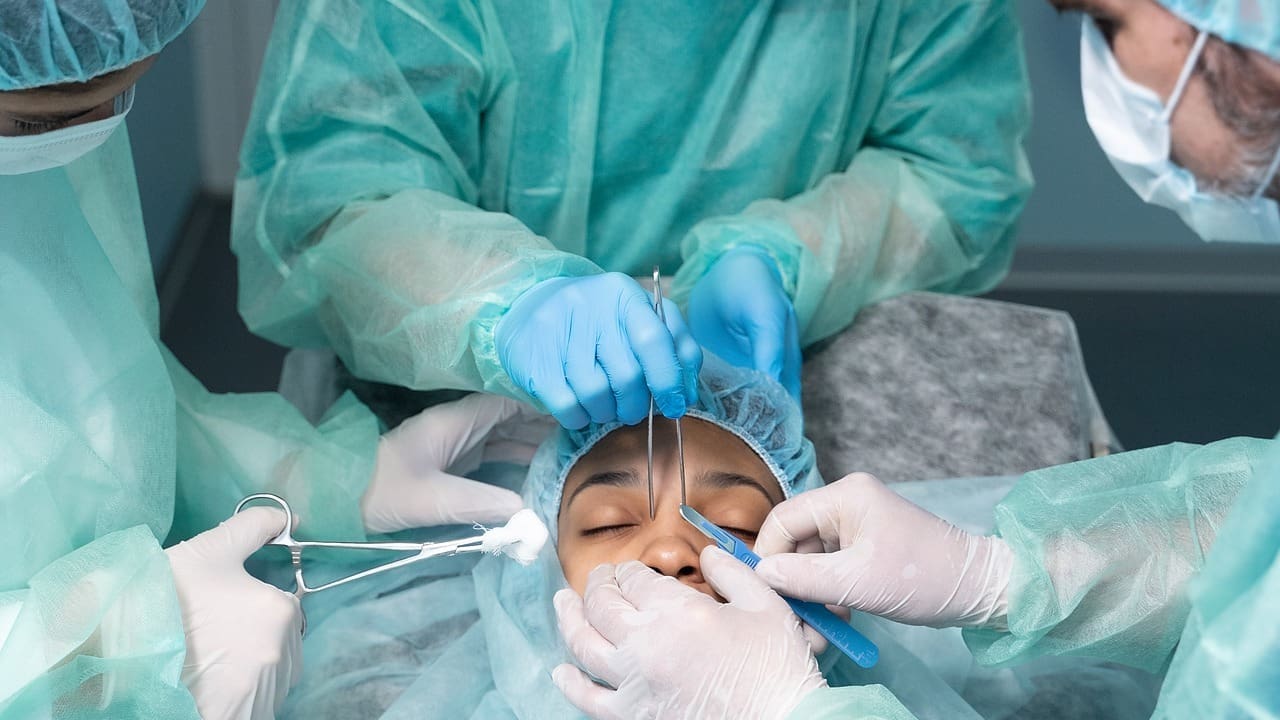
When you’re diagnosed with squamous cell carcinoma or basal cell carcinoma, you want the best treatment. Mohs surgery is the most precise and effective way to treat these common skin cancers. It’s perfect for areas like the face.
At Liv Hospital, we focus on trust and care that’s all about you. We use top-notch protocols and make treatment plans just for you. Mohs surgery is the best for treating squamous cell carcinoma and basal cell carcinoma. It has cure rates of 97-99% for first-time cases.
Key Takeaways
- Mohs surgery offers high cure rates for squamous and basal cell carcinoma.
- It is the most precise treatment, specially for critical areas like the face.
- Liv Hospital provides internationally recognized protocols and personalized care.
- The procedure saves healthy tissue and provides better cosmetic results.
- Patients benefit from a treatment with minimal impact on daily life.
Understanding Skin Cancer: Basal and Squamous Cell Carcinoma
It’s key to know about basal cell carcinoma and squamous cell carcinoma to fight skin cancer. These cancers are very common. They show why we need to be aware and learn more.
What Is Basal Cell Carcinoma?
Basal cell carcinoma (BCC) is the most common skin cancer. It grows slowly and rarely spreads. It often shows up on sun-exposed parts like the face, ears, and neck.
BCC can look like bumps, ulcers, or flat spots.
What Is Squamous Cell Carcinoma?
Squamous cell carcinoma (SCC) is another common skin cancer. It can grow faster than BCC. SCC also shows up on sun-exposed areas and has a higher chance of spreading.
It’s very important to catch and treat SCC early because of this risk.
Prevalence and Risk Factors
Both BCC and SCC are caused by UV radiation from the sun or tanning beds. People with fair skin, a history of skin cancer, or certain genetic conditions are at higher risk. The management of advanced SCC has improved with treatments like cemiplimab-rwlc. The FDA approved it for adults with cutaneous SCC at high risk of coming back.
Knowing these risk factors and the types of BCC and SCC is vital for prevention and treatment.
The Evolution of Mohs Micrographic Surgery
Mohs micrographic surgery has seen big changes over the years. It has changed how we treat skin cancer, like basal and squamous cell carcinoma. Its history shows how effective it is.
Historical Development
created this surgery in the 1930s. It was first called “chemosurgery.” It used a special paste to keep tissue alive, then removed it layer by layer for a microscope check.
Later, the method changed to use fresh tissue. This made the surgery faster and better for patients.
Scientific Principles Behind the Technique
Mohs surgery checks every part of the tumor under a microscope. This makes sure all cancer cells are gone. It also saves healthy tissue, which helps avoid more problems and keeps the skin looking good.
Modern Advancements in Mohs Surgery
Today, Mohs surgery keeps getting better with new tech and ways of doing things. Our doctors use these new tools to give the best care for skin cancer patients.
The growth of Mohs micrographic surgery shows our dedication to top-notch skin cancer treatment. By mixing old knowledge with new methods, we keep getting better at helping our patients.
How Mohs Surgery Works: The Procedure Explained
Mohs surgery is a precise treatment for skin cancer that keeps healthy tissue safe. It can seem scary, but our team is here to help you every step of the way.
Pre-Surgical Consultation and Preparation
We start with a detailed consultation to talk about your medical history and skin cancer. We also explain the Mohs surgery process. This step is key to making sure you know what to expect.
The Layer-by-Layer Removal Process
The surgeon removes the tumor and a thin layer of tissue first. Then, they check it under a microscope. If cancer is found, they remove more layers until it’s gone. This layer-by-layer removal makes Mohs surgery very effective.
Same-Day Reconstruction Options
Once the tumor is removed, we offer same-day reconstruction options. This can be simple stitches, skin grafts, or more complex flap reconstructions. Our aim is to make the area look and work like before.
By removing the tumor precisely and then fixing the area right away, we meet both your medical and aesthetic needs.
Mohs Surgery for Squamous Cell Carcinoma: Superior Cure Rates
Mohs surgery is a top choice for treating squamous cell carcinoma. It has high cure rates and low recurrence. This method is favored for its success in treating SCC.
97-99% Success Rate for Primary SCC
Mohs surgery has a 97-99% cure rate for primary SCC. This is because it checks each layer of the tumor carefully. This ensures all cancer cells are removed.
A study on Springer Link shows Mohs surgery is more effective than traditional methods. It has higher cure rates for SCC.
94-95% Effectiveness for Recurrent SCC
Mohs surgery is also effective for recurrent SCC, with a 94-95% cure rate. This is important because recurrent SCC is harder to treat. It can grow deeper into tissues.
Mohs surgery is precise. It removes the tumor while keeping healthy tissue.
Comparison with Traditional Excision Methods
Mohs surgery has better cure rates than traditional excision. Traditional methods often leave cancer cells behind. This leads to higher recurrence rates.
The table below shows the cure rates for both methods:
| Treatment Method | Cure Rate for Primary SCC | Cure Rate for Recurrent SCC |
|---|---|---|
| Mohs Surgery | 97-99% | 94-95% |
| Traditional Excision | 80-90% | 50-70% |
Mohs surgery clearly outperforms traditional excision. It is highly recommended for treating SCC.
Why Mohs Surgery Excels for Basal Cell Carcinoma Treatment
Mohs surgery is a top choice for treating basal cell carcinoma (BCC). It’s known for its precision in removing cancerous tissue. This method was created by It involves removing layers of tissue and checking them under a microscope to ensure all cancer is gone.
Precision in Removing Irregular Growth Patterns
Mohs surgery is great for removing tumors that grow in odd shapes. Basal cell carcinoma often grows in complex patterns, making it hard to remove fully with traditional methods. Mohs surgery lets the surgeon check the tissue during the procedure. This ensures all cancer cells are removed.
Success Rates for Primary and Recurrent BCC
Mohs surgery has high success rates for both new and recurring BCC. For primary BCC, the cure rate is about 99%. For recurring BCC, it’s around 94-95%. These rates are much better than traditional surgery.
Evidence-Based Outcomes from Clinical Studies
Many studies show Mohs surgery is effective for BCC treatment. A detailed review of these studies shows:
| Study | Number of Patients | Cure Rate |
|---|---|---|
| Study 1 | 100 | 98.5% |
| Study 2 | 200 | 99.2% |
| Study 3 | 150 | 94.7% |
The studies prove Mohs surgery is a top choice for BCC treatment. It offers a high cure rate and great results for how the skin looks afterward.
Tissue Preservation: A Key Advantage of Mohs Surgery
Mohs surgery is great because it saves healthy tissue, mainly in areas that matter for looks. It carefully takes out cancer cells, keeping as much good tissue as it can.
Minimizing Healthy Tissue Removal
Mohs surgery is known for its careful way of taking out skin cancer. We check each layer of tissue during the surgery. This way, we only take out what’s needed, keeping healthy tissue loss to a minimum.
This method helps the patient heal faster and look better after treatment.
Benefits for Cosmetically Sensitive Areas
When skin cancer shows up in places that matter, like the face, keeping tissue safe is key. Mohs surgery is perfect for these spots. It lets us get rid of the cancer without harming the good tissue around it.
This helps keep the patient’s looks and lowers the chance of big scars.
Preserving Structure and Function
Mohs surgery also keeps the area’s shape and how it works. This is really important for spots near the eyes, nose, and mouth. Keeping these areas working right is as important as how they look.
| Benefits of Mohs Surgery | Description |
|---|---|
| Tissue Preservation | Precise removal of cancerous cells while sparing healthy tissue |
| Cosmetic Outcomes | Better appearance with minimal scarring |
| Functional Preservation | Maintenance of the structure and function of sensitive areas |
Comparing Mohs Surgery to Alternative Skin Cancer Treatments
Mohs surgery is often seen as the top choice for treating skin cancer. But, it’s key to know how it stacks up against other treatments. Patients facing skin cancer have many options, each with its own pros and cons.
Standard Surgical Excision Limitations
Standard surgical excision removes the tumor and some healthy tissue too. But, it’s not as precise as Mohs surgery. This can lead to cancer left behind or too much tissue removed. It has higher rates of cancer coming back and may not look as good.
Radiation Therapy: When and Why It’s Less Effective
Radiation therapy is an option for those who can’t have surgery. But, it might not work as well for some skin cancers or big, aggressive tumors. It can also cause side effects like tiredness, skin problems, and even more cancers.
Topical Treatments and Immunotherapy
Topical treatments and immunotherapy work well for early or shallow skin cancers. But, they might not be right for more serious or deep cancers. How well they work depends on the cancer’s type and stage.
Cryosurgery and Electrodesiccation Drawbacks
Cryosurgery and electrodesiccation are methods that destroy cancer cells. They can work for some cases, but they have downsides. They’re not as precise as Mohs surgery and might lead to more cancer coming back.
In summary, while there are many ways to treat skin cancer, Mohs surgery is a standout. It has high success rates and helps save more tissue. Knowing the good and bad of each treatment helps patients and doctors make better choices.
Recovery and Aesthetic Outcomes After Mohs Surgery
The journey to healing after Mohs surgery has several stages. It starts with wound care and ends with managing scars. We will guide you through this process. We want you to know what to expect and how to get the best results.
Typical Healing Timeline
The healing time after Mohs surgery varies. It depends on the size and location of the treated area. Usually, the wound heals in 4-6 weeks. But, the scar’s final look may take months.
Scar Management Techniques
Managing scars well is key for good looks. We suggest using silicone gel or sheeting, massage, and sun protection. These methods can make scars look better over time.
| Scar Management Technique | Description | Benefits |
|---|---|---|
| Silicone Gel or Sheeting | Applied directly to the scar to flatten and soften it | Improves scar texture and appearance |
| Massage | Gentle massage techniques to promote healing | Enhances scar pliability and reduces visibility |
| Sun Protection | Using SPF to protect the scar from UV damage | Prevents darkening and promotes healthier scar tissue |
Long-Term Cosmetic Results
Most patients see great results long-term after Mohs surgery. The surgery is precise, removing cancer while keeping healthy tissue. This leads to good-looking scars.
says, “The secret to great recovery and looks is precise surgery and good care after. By following our advice on scar and wound care, you can get the best results from Mohs surgery.”
When Is Mohs Surgery Most Recommended?
Choosing Mohs surgery depends on several factors. These include the patient’s health and the tumor’s characteristics. We pick Mohs surgery for tumors that benefit most from it.
Optimal Candidates for the Procedure
Mohs surgery is great for patients with high-risk skin cancers. We suggest it for tumors that are aggressive, big, or in sensitive spots.
Tumor Characteristics That Indicate Mohs
Some tumors are better off with Mohs surgery. This includes BCCs and SCCs that keep coming back or are big. Mohs surgery is precise, saving healthy tissue.
Location-Based Considerations
The tumor’s location is key. Tumors in places like the face or ears do well with Mohs. It’s good at saving tissue.
Cost-Effectiveness Analysis
Mohs surgery might cost more upfront. But, its high success rate and tissue-saving make it cost-effective. We look at the long-term cost-effectiveness of Mohs surgery.
We evaluate each case carefully. This way, we can choose Mohs surgery for the best results for our patients.
Conclusion: The Gold Standard in Skin Cancer Treatment
Mohs surgery is the top choice for treating squamous and basal cell carcinoma. It offers high cure rates and great results for how the skin looks after treatment. This method removes cancer cells layer by layer, keeping healthy tissue safe.
This approach is perfect for sensitive areas. We’ve learned that Mohs surgery works well for squamous cell carcinoma, with a 97-99% success rate for first-time cases. For those with recurring cancer, it has a 94-95% success rate.
Its ability to remove cancer cells precisely and check every part of the tumor makes it better than traditional methods. Mohs surgery is the go-to treatment for many, giving patients the best chance at a good outcome. Its effectiveness and ability to save tissue make it a key option for skin cancer patients.
References
FAQ
What is Mohs surgery and how does it work?
Mohs surgery is a precise way to treat skin cancer, like basal cell carcinoma (BCC) and squamous cell carcinoma (SCC). It removes cancerous tissue layer by layer. Then, it’s checked under a microscope until no cancer is found.
What are the benefits of Mohs surgery for BCC and SCC?
Mohs surgery has high success rates, curing 97-99% of primary BCC and SCC. It also saves healthy tissue, reducing scarring and improving looks.
How does Mohs surgery compare to traditional excision methods?
Mohs surgery is more precise and effective than traditional methods. It’s great for tumors with irregular shapes or in sensitive areas. It also lowers the chance of cancer coming back and saves more tissue.
What is the recovery process like after Mohs surgery?
Recovery takes several weeks. Patients might see swelling, bruising, and discomfort. Using creams and protecting from the sun can help scars look better.
Is Mohs surgery suitable for all types of skin cancer?
Mohs surgery works well for BCC and SCC but not for melanoma. It depends on the tumor’s type, location, and the patient’s health.
What are the advantages of same-day reconstruction after Mohs surgery?
Same-day reconstruction means fixing the area on the same day as surgery. It cuts down on the need for more surgeries and speeds up healing.
How does Mohs surgery preserve tissue and minimize scarring?
Mohs surgery removes cancerous tissue carefully, layer by layer. This keeps healthy tissue and reduces scarring. It’s very helpful for tumors in sensitive areas like the face.
What are the location-based considerations for Mohs surgery?
Where the tumor is located is key for Mohs surgery. Tumors in areas with little tissue, like the nose or ears, benefit from Mohs because it saves more tissue.
Is Mohs surgery cost-effective compared to other treatment options?
Mohs surgery can save money in the long run. It lowers the chance of needing more surgeries. But, costs can vary based on location, surgeon fees, and facility costs.
What are the clinical evidence and outcomes for Mohs surgery in treating BCC and SCC?
Studies show Mohs surgery is very effective for BCC and SCC. It has cure rates of 97-99% for first-time cases and 94-95% for those that come back. These results prove Mohs surgery is a good choice for these cancers.
What is Mohs surgery and how does it work?
Mohs surgery is a precise way to treat skin cancer, like basal cell carcinoma (BCC) and squamous cell carcinoma (SCC). It removes cancerous tissue layer by layer. Then, it’s checked under a microscope until no cancer is found.
What are the benefits of Mohs surgery for BCC and SCC?
Mohs surgery has high success rates, curing 97-99% of primary BCC and SCC. It also saves healthy tissue, reducing scarring and improving looks.
How does Mohs surgery compare to traditional excision methods?
Mohs surgery is more precise and effective than traditional methods. It’s great for tumors with irregular shapes or in sensitive areas. It also lowers the chance of cancer coming back and saves more tissue.
What is the recovery process like after Mohs surgery?
Recovery takes several weeks. Patients might see swelling, bruising, and discomfort. Using creams and protecting from the sun can help scars look better.
Is Mohs surgery suitable for all types of skin cancer?
Mohs surgery works well for BCC and SCC but not for melanoma. It depends on the tumor’s type, location, and the patient’s health.
What are the advantages of same-day reconstruction after Mohs surgery?
Same-day reconstruction means fixing the area on the same day as surgery. It cuts down on the need for more surgeries and speeds up healing.
How does Mohs surgery preserve tissue and minimize scarring?
Mohs surgery removes cancerous tissue carefully, layer by layer. This keeps healthy tissue and reduces scarring. It’s very helpful for tumors in sensitive areas like the face.
What are the location-based considerations for Mohs surgery?
Where the tumor is located is key for Mohs surgery. Tumors in areas with little tissue, like the nose or ears, benefit from Mohs because it saves more tissue.
Is Mohs surgery cost-effective compared to other treatment options?
Mohs surgery can save money in the long run. It lowers the chance of needing more surgeries. But, costs can vary based on location, surgeon fees, and facility costs.
What are the clinical evidence and outcomes for Mohs surgery in treating BCC and SCC?
Studies show Mohs surgery is very effective for BCC and SCC. It has cure rates of 97-99% for first-time cases and 94-95% for those that come back. These results prove Mohs surgery is a good choice for these cancers.