Arthroscopic knee surgery is a common fix for knee problems, like meniscus tears. It’s estimated that hundreds of thousands of these surgeries are performed annually worldwide. Even though it’s safe and works well, patients often feel pain or discomfort after.
Many patients worry about their knee feeling tight after meniscus surgery. This feeling can be scary, making them wonder if it’s just part of getting better.
We know that recovering from arthroscopic knee surgery is tough. It’s hard on your body and mind. In this article, we’ll help you understand what to expect. We’ll talk about normal pain and how to deal with knee stiffness.
Key Takeaways
- Understanding the normal recovery process after arthroscopic knee surgery.
- Identifying the causes of knee stiffness after meniscus surgery.
- Learning effective strategies for managing post-operative pain and stiffness.
- Recognizing when to seek medical attention during recovery.
- Tips for improving knee mobility and reducing discomfort during the recovery period.
Understanding Knee Arthroscopy: A Brief Overview
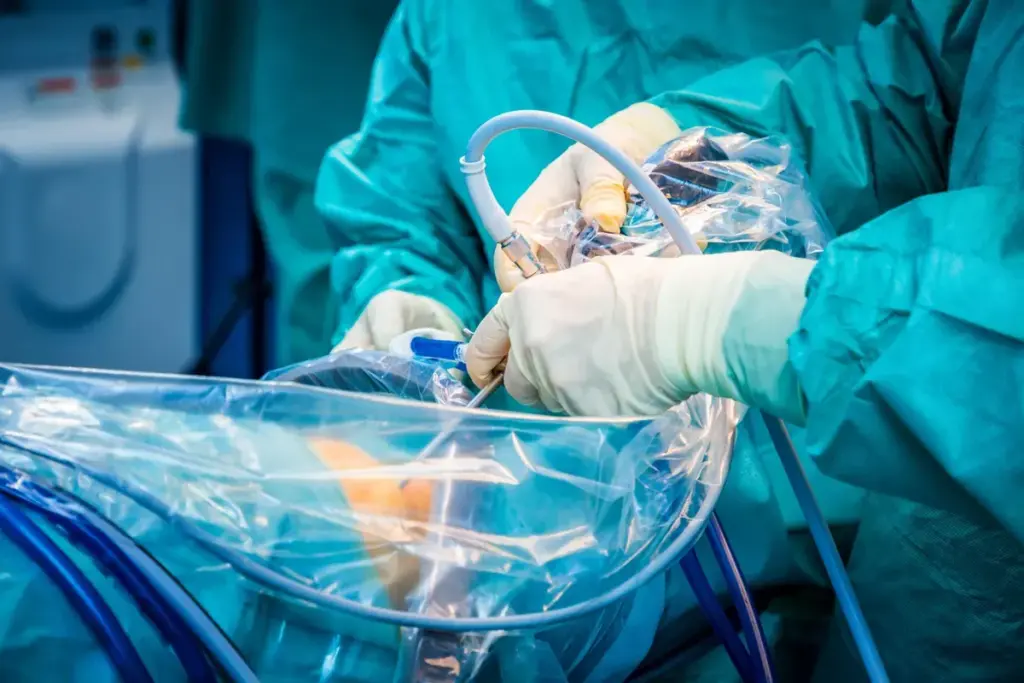
Knee arthroscopy is a new way to treat knee problems. It’s a small surgery that lets doctors see and fix knee issues without hurting much of the surrounding tissue.
Common Types of Knee Arthroscopic Procedures
Knee arthroscopy includes many procedures for different knee problems. Here are some common ones:
- Meniscectomy: removing damaged meniscus tissue
- Meniscal repair: fixing torn meniscus
- ACL (Anterior Cruciate Ligament) reconstruction: rebuilding the ACL with a graft
- Cartilage repair: fixing damaged cartilage
- Loose body removal: taking out bone or cartilage pieces
- Synovectomy: removing inflamed synovial tissue
Most of these surgeries can be done without staying overnight in the hospital.
What Happens During a Knee Scope
During a knee arthroscopy, the surgeon makes small cuts to put in a camera and tools. The camera shows the inside of the knee on a screen. The surgery is done while the patient is under anesthesia to avoid pain.
Expected Outcomes of Arthroscopic Surgery
The main goals of knee arthroscopy are to lessen pain, improve knee function, and help patients get back to normal faster. The results can vary based on the surgery and the patient’s health. Generally, patients can expect:
|
Procedure |
Expected Outcome |
Recovery Time |
|---|---|---|
|
Meniscectomy |
Less pain, better movement |
2-4 weeks |
|
ACL Reconstruction |
Stable knee |
6-9 months |
|
Cartilage Repair |
Less pain, possible new cartilage growth |
3-6 months |
Knowing about knee arthroscopy helps patients get ready for their surgery and recovery.
The Normal Pain Experience After Knee Arthroscopy
Understanding the normal pain after knee arthroscopy is key to a smooth recovery. Each person’s experience can differ. It’s important to know what to expect.
Immediate Post-Operative Pain (First 24-48 Hours)
The first 24 to 48 hours after surgery are usually the most painful. Doctors use medicine and rest to help manage this pain. Patients often feel pain that ranges from moderate to severe. The knee may swell, and moving it or putting weight on it can hurt.
Early Recovery Pain Patterns (Days 3-7)
By days 3 to 7, pain levels often start to decrease. Patients can begin to move more and do more activities. But, some discomfort is common, mainly after resting or doing physical tasks.
|
Day |
Typical Pain Level |
Activity Level |
|---|---|---|
|
3-4 |
Moderate |
Limited mobility |
|
5-6 |
Mild to Moderate |
Gradual increase in mobility |
|
7 |
Mild |
More normal daily activities |
Pain During the Healing Phase (Weeks 2-6)
From weeks 2 to 6, pain usually keeps getting better. The knee starts to feel more like before, and most daily activities can be resumed. But, some might feel stiffness or mild pain, mainly after hard activities or at night.
As we move through recovery, watching pain levels and adjusting activities is key. If pain doesn’t get better or gets worse, seeing a doctor is important to check for any issues.
Why Is My Knee So Tight After Meniscus Surgery?
Many people feel their knee is tight after meniscus surgery. This tightness comes from several reasons. These include the surgery itself and the healing process that follows.
Physiological Causes of Post-Meniscectomy Tightness
Several factors lead to knee tightness after meniscus surgery. These include:
- Post-operative swelling, which can make the knee feel tight or stiff.
- Muscle guarding, where muscles around the knee contract to protect it, causing tightness.
- Scar tissue formation, which can make the knee feel tight or restricted.
- Changes in knee mechanics due to the removal or repair of the meniscus, affecting how the knee moves and feels.
Timeline for Tightness Resolution
The time it takes for knee tightness to go away varies. It depends on the surgery’s extent, your health, and following rehabilitation. Generally, tightness will lessen as the knee heals.
|
Timeline |
Expected Improvement |
|---|---|
|
First 2-4 weeks |
Initial reduction in swelling and muscle guarding, with gradual improvement in knee tightness. |
|
6-8 weeks |
Continued progress in knee mobility and reduction in tightness as scar tissue remodels. |
|
3-6 months |
Significant improvement in knee function and reduction in tightness, with most patients experiencing substantial recovery. |
Exercises to Address Knee Tightness
Exercises can help with knee tightness after meniscus surgery. These include:
- Straight leg raises to strengthen the quadriceps without putting excessive strain on the knee.
- Knee flexion exercises to improve range of motion.
- Wall squats to strengthen the muscles around the knee.
- Straightening exercises to improve knee extension.
It’s important to follow a rehabilitation program tailored to your needs. A healthcare professional should guide you to ensure proper healing and reduce knee tightness.
Different Types of Normal Pain Sensations After Arthroscopy
It is essential to understand the different types of pain after knee arthroscopy to effectively manage recovery. Patients often feel various pain sensations after the procedure. These can differ in intensity and type.
Throbbing and Pulsing Sensations
Throbbing or pulsing pain is common after knee arthroscopy. It’s often due to increased blood flow and swelling. This pain can feel worse when the leg is down or during activities that put pressure on the knee.
Burning or Tingling Feelings
Some people feel burning or tingling around the knee or leg. These feelings can come from nerve irritation or the body’s reaction to surgery. Luckily, they usually go away as the knee heals.
Pressure and Fullness Sensations
Feeling pressure or fullness in the knee is another common issue. This is often because of swelling or fluid in the joint. As swelling goes down and fluid is absorbed, this feeling gets better.
Stabbing Pain After Meniscus Surgery
Stabbing pain is a specific pain some feel after meniscus surgery. This sharp pain can happen when bending or straightening the knee. It’s usually because of the healing meniscus or tissues.
|
Type of Pain |
Possible Cause |
Typical Duration |
|---|---|---|
|
Throbbing/Pulsing |
Increased blood flow and swelling |
Days to weeks |
|
Burning/Tingling |
Nerve irritation |
Weeks to months |
|
Pressure/Fullness |
Swelling or fluid in the joint |
Days to weeks |
|
Stabbing |
Healing meniscus or tissues |
Weeks to months |
It’s important to remember that while these pains are normal, they can vary a lot. If your pain is severe, lasts a long time, or has other symptoms, see your doctor.
Location-Specific Pain After Knee Arthroscopy
Pain after knee arthroscopy can show up in different parts of the knee. Each area has its own reasons and treatments. Knowing where the pain is can help figure out how to manage it.
Pain in Back of Knee After Meniscus Surgery
Pain in the back of the knee after meniscus surgery is common. It can happen because of irritation to nearby tissues or nerves. This is due to the surgery on the meniscus, a cartilage in the knee.
- Possible Causes: Irritation of the posterior capsule, nerve irritation, or referred pain from the surgical site.
- Management: Gentle exercises, physical therapy, and in some cases, specific interventions targeting the posterior knee structures.
Front Knee Pain Following Arthroscopy
Front knee pain after arthroscopy worries patients. It might come from the surgical portals or the treated condition.
Common reasons include:
- Irritation or inflammation around the surgical portals.
- Patellofemoral joint stress or irritation.
- Referred pain from other areas of the knee.
To handle front knee pain, rest, ice, compression, and elevation (RICE) are key. Physical therapy helps strengthen muscles and improve knee function.
Incision Site Discomfort
Discomfort at incision sites is normal after knee arthroscopy. These small cuts are for the arthroscope and tools.
To manage incision site discomfort:
- Keep the incision sites clean and dry.
- Follow your surgeon’s instructions for wound care.
- Gentle mobilization and scar massage may be recommended once the wounds are healed.
Sore Calf After Knee Surgery: Causes and Management
A sore calf after knee surgery can be caused by several things. These include immobilization, changed walking, or deep vein thrombosis (DVT). But DVT is rare after arthroscopic surgery.
To address calf soreness:
- Engage in gentle calf mobilization exercises as recommended by your physical therapist.
- Elevate your leg to reduce swelling.
- Monitor for signs of DVT, such as swelling, redness, or warmth in the calf, and seek medical attention if these symptoms occur.
Knowing why pain happens in specific areas after knee arthroscopy helps patients recover better. It’s important to follow up with your healthcare provider to manage pain effectively and ensure a successful recovery.
Swelling and Bruising: Expected Patterns After Arthroscopic Knee Surgery
Knowing what to expect with swelling and bruising after knee surgery can ease worries. We’ll walk you through the usual recovery steps. This includes what symptoms you might see and how to handle them.
Normal Bruising Patterns and Timeline
Bruising is common after knee surgery because of the tissue work done during the procedure. It usually shows up a few days after surgery and can spread down the leg to the ankle. It might take a week to ten days for the bruising to start fading. Sometimes, it can take up to two weeks for it to fully go away.
Managing bruising means keeping the leg up, using cold packs, and wearing compression bandages as your doctor suggests.
Managing Post-Operative Swelling
Swelling is also common after knee surgery. To keep swelling down, try these steps:
- Keep your leg higher than your heart to reduce fluid buildup.
- Use ice packs to shrink blood vessels and lessen swelling.
- Wear compression bandages or stockings as your doctor advises.
- Do gentle exercises as directed to keep blood flowing and prevent stiffness.
When Swelling Indicates a Problem
While some swelling is okay, too much or lasting swelling might mean a problem. Watch your swelling closely. If it:
- Gets worse over time.
- Is paired with severe pain, redness, or warmth at the surgery site.
- Doesn’t get better with elevation and ice.
Bruising After Arthroscopic Knee Surgery: What’s Normal
Bruising is a normal part of surgery, caused by blood leaking into tissues. How much bruising you get can depend on your health, the surgery’s complexity, and your care after surgery. Generally, bruising is normal if it:
- Shows up slowly over the first few days.
- Stays around the knee and might go down to the ankle.
- Starts to fade within a week to ten days after surgery.
By knowing these patterns and taking steps to manage swelling and bruising, you can make your recovery easier. If you have any worries, always talk to your healthcare provider for advice tailored to you.
Pain During Physical Therapy and Rehabilitation
Effectively managing pain during rehabilitation is vital to achieving a successful recovery following knee arthroscopy. As you progress through physical therapy, it’s important to know the difference between normal discomfort and warning signs of complications.
Distinguishing Between Therapeutic Pain and Warning Signs
During physical therapy, you may feel various sensations, from mild discomfort to intense pain. It’s normal to feel some pain as your knee gets used to the demands of rehab. But, it’s also important to know when pain might be a sign of a problem.
- Therapeutic Pain: This is usually a dull ache or stiffness that happens during or after exercises. It often goes away with rest or by changing the exercise.
- Warning Signs: Sharp, stabbing, or severe pain that doesn’t go away or gets worse. This could mean you’re pushing too hard, doing the exercise wrong, or facing a complication.
Managing Discomfort During Exercise
To manage discomfort during physical therapy, try these strategies:
- Talk to your physical therapist about your pain levels.
- Change exercises to ease the strain on your knee.
- Use ice or compression to help with pain.
- Slowly increase the intensity and duration of exercises.
Working closely with your physical therapist helps find the right balance. This way, you challenge your knee without causing unnecessary pain.
Progression of Activity-Related Pain
As you get better, the pain you feel might change. At first, pain might be more because your knee is under stress. But as you get stronger and move better, the pain should get easier to handle.
“The goal of rehabilitation is not to eliminate pain entirely but to ensure that it’s at a manageable level, allowing you to perform daily activities and eventually return to your normal level of function.” – Expert in Orthopedic Rehabilitation
Working Through Tightness in Rehabilitation
Tightness is common in knee rehab. Gentle stretching, guided by a physical therapist, can help. It’s also key to fix any underlying issues, like scar tissue or muscle imbalances, to avoid ongoing tightness.
Understanding pain during physical therapy and rehab helps you move through recovery with confidence. This ensures a successful outcome after knee arthroscopy.
Timeline for Arthroscopy Knee Surgery Recovery
Knowing how long it takes to recover from knee arthroscopy is key. It helps manage expectations and ensures a smooth healing. The recovery is divided into several phases, each with its own characteristics and goals.
Week 1-2: Acute Recovery Phase
The first two weeks are tough. Swelling, pain, and limited movement are common. Rest, elevate your knee, and use ice to reduce swelling. Follow your doctor’s pain management plan closely.
Key milestones during this phase include:
- Reducing swelling and pain
- Starting gentle exercises to move your knee
- Slowly getting back to putting weight on your knee
Weeks 3-6: Intermediate Recovery
In the next three to six weeks, you’ll see your knee get better. You’ll move more easily and get stronger. Physical therapy is key here, helping you regain function and build muscle.
Notable achievements during weeks 3-6 may include:
- More movement in your knee
- Stronger muscles
- Being able to do more daily tasks
Months 2-6: Long-Term Healing
The healing continues for the next two to six months. You’ll get stronger and your knee will work better. You might even start sports again, but only with your doctor’s okay.
“Most people can get back to normal in 2 to 6 months after knee arthroscopy. But it depends on you and how big the surgery was.”
Recovery Milestones and Expectations
Know what to expect and watch for any signs of trouble. Regular check-ups with your doctor are important. They help track your progress and solve any problems.
By following the recovery timeline and listening to your doctor, you can heal well. This will help you get the best results from your knee arthroscopy.
Managing Normal Post-Arthroscopy Pain
Learning how to handle normal pain after knee arthroscopy can make recovery better. After the surgery, patients often feel different kinds of pain. These can be managed with a few strategies.
Medication Strategies
Medicines are key in controlling pain after knee arthroscopy. Doctors often give out:
Acetaminophen: Good for mild to moderate pain.
- NSAIDs (Non-Steroidal Anti-Inflammatory Drugs): Like ibuprofen, they cut down inflammation and pain.
- Opioids: For severe pain, but used carefully because of side effects and addiction risks.
It’s important to take the medicine as told by your doctor to avoid bad side effects.
Non-Pharmaceutical Pain Management
There are also ways to manage pain without medicine:
- Ice Therapy: Ice on the area can lessen swelling and numb the pain.
- Elevation: Keeping the knee higher than the heart can also reduce swelling.
- Compression: A compression bandage can help with swelling too.
- Rest: Resting well is key for healing.
The Role of Physical Therapy in Pain Control
Physical therapy is a big part of getting better, helping the knee work right and feel better. A physical therapist can:
- Make a special exercise plan to boost knee movement and strength.
- Teach how to walk right to avoid more injury.
- Use tools like ultrasound or electrical stimulation to help with pain and healing.
Going to physical therapy can really help by cutting down pain and making the knee work better.
Dealing with Throbbing Pain After Knee Arthroscopy
Throbbing pain is common after knee arthroscopy. To manage it, try:
|
Strategy |
Description |
|---|---|
|
Medication Adherence |
Stick to the medicine plan given by your doctor. |
|
Rest and Ice |
Use ice and rest the knee often. |
|
Gentle Exercises |
Do gentle exercises as suggested by a physical therapist. |
By using these methods, you can handle throbbing pain and other discomforts from knee arthroscopy.
When Pain After Knee Arthroscopy Isn’t Normal
Not all pain after knee arthroscopy is normal. Some signs mean you need to see a doctor right away. While some discomfort is expected, certain symptoms can show you need more help.
Red Flags That Require Medical Attention
It’s important to know when to get medical help. Look out for these red flags:
- Increasing pain that doesn’t respond to medication
- Swelling that gets worse over time
- Redness or warmth around the surgical site
- Fever or chills
- Difficulty moving the knee or bearing weight
- Numbness or tingling sensations
If you see any of these signs, call your doctor right away.
Symptoms of Nerve Damage After Knee Surgery
Nerve damage is a rare but possible side effect of knee arthroscopy. Look out for these symptoms:
- Persistent numbness or tingling
- Sharp, shooting pains
- Weakness in the leg or foot
- Loss of sensation in specific areas
If you notice these symptoms, talk to your surgeon for a check-up.
Signs of Infection or Complications
Infections and complications are rare but can happen after knee arthroscopy. Watch for these signs:
- Increasing redness or swelling around the incision site
- Pus or discharge from the wound
- Fever above 101.5°F (38.6°C)
- Chills or sweating
- Increasing pain or tenderness
|
Signs of Infection |
Action Required |
|---|---|
|
Increasing redness or swelling |
Contact your healthcare provider |
|
Fever above 101.5°F (38.6°C) |
Seek immediate medical attention |
|
Pus or discharge from the wound |
Consult your surgeon urgently |
Persistent Pain Beyond Expected Timelines
Some pain is normal after knee arthroscopy. But if pain lasts longer than expected, it might mean there’s a problem. Talk to your doctor to figure out why and how to fix it.
Recognizing when pain after knee arthroscopy is abnormal is crucial for ensuring a successful recovery. By watching for red flags, nerve damage symptoms, and signs of infection, you can act fast to solve any problems.
Long-Term Side Effects of Meniscus Surgery
Exploring the long-term effects of meniscus surgery is key. This surgery is common for knee problems. It can lead to lasting impacts on patients’ lives.
Potential Persistent Pain Issues
Persistent pain is a big concern after meniscus surgery. Some pain is normal during recovery. But, some patients may feel pain that lasts.
Factors influencing persistent pain include the injury’s severity, the surgery method, and how well a person handles pain. Conditions like osteoarthritis and how much of the meniscus was affected also play a role.
Joint Stiffness and Mobility Concerns
Joint stiffness and reduced mobility are common side effects. The knee might feel stiff, making daily activities harder. This can affect how well you move.
- Regular exercise and physical therapy can help with stiffness.
- Proper rehabilitation is key for keeping the knee mobile.
- Following a structured rehab program helps avoid long-term mobility problems.
Risk Factors for Chronic Pain Development
Some people are more likely to experience chronic pain after surgery. This includes those with chronic pain before surgery, younger people, and those with significant cartilage damage.
Knowing these risk factors helps tailor rehabilitation and pain management. This can lower the chance of chronic pain.
Managing Long-Term Complications
Managing long-term issues requires a variety of approaches. This includes medication, physical therapy, and changes in lifestyle. Keeping a healthy weight, exercising regularly, and eating well are important for joint health.
In some cases, more treatments are needed. This might include more physical therapy, corticosteroid injections, or even more surgery.
Left vs. Right Knee Arthroscopy: Any Differences in Recovery?
Recovery after knee arthroscopy can differ, depending on whether the left or right knee is operated on. The procedure’s impact varies based on several factors, including the knee operated on.
Left Knee Arthroscopy Recovery Considerations
Recovery from left knee arthroscopy is similar to right knee arthroscopy for most people. Yet, handedness and daily activities can affect how hard it feels to recover. For example, a right-handed person with a left-knee operation might face unique challenges during rehab.
“The side of the operation can affect recovery, mainly in mobility and balance,” a study in an orthopedic journal found. This is key for physical therapists to create personalized rehab plans.
Impact on Daily Activities Based on Operative Side
The impact on daily life can differ based on the knee operated on. Driving might be harder with a right knee operation, as it’s used for pedals. On the other hand, standing on uneven ground or climbing stairs could be tougher with a left knee operation for right-handed people.
- Driving and operating pedals (more challenging with right knee operation)
- Climbing stairs or standing on uneven ground (potentially more challenging with left knee operation for right-handed individuals)
Driving and Mobility Considerations
Driving and mobility are big concerns after knee arthroscopy. If you have a right knee operation, driving, even with an automatic, can be significantly impaired. Insurance and safety rules often suggest waiting until the knee is strong enough to drive safely.
“Patients should not drive until they can do so comfortably and safely,” a leading orthopedic surgeon advises. “This time varies but usually takes a few days to a couple of weeks.”
In summary, while the basic recovery process for both knees is similar, the specific challenges and considerations can differ. This depends on the operative side and individual factors like handedness and daily activities.
Resuming Daily Activities: Managing Pain Expectations”
—
After knee arthroscopy, getting back to daily life needs careful thought. You must balance your body’s healing and pain. It’s important to let your knee heal fully before rushing back to normal activities.
Resuming Daily Activities
Walking, climbing stairs, and simple movements can be tough after knee arthroscopy. You might feel pain or discomfort at first. But, this should lessen as you get better. It’s key to listen to your body and not overdo it, to avoid setbacks.
Even simple tasks like dressing, bathing, and cooking might need changes at first. You should avoid heavy lifting, bending, or kneeling. As your knee gets better, you can start doing these things again.
Return to Work Guidelines
Going back to work after knee arthroscopy depends on your job and surgery. Desk jobs might let you return in a few days to a week. Jobs that are more physical might take longer.
Talking to your surgeon about when to go back to work is very important. They can give advice based on your job and how you’re doing. Some people might need to change their job duties to avoid putting too much strain on their knee.
Sports and Exercise Reintegration
Getting back into sports or regular exercise is a big step. The time it takes to get back into sports depends on the activity and how you’re recovering. You can usually start with low-impact activities like swimming or cycling before moving to high-impact sports.
- Start with low-impact exercises to gradually build up strength and flexibility.
- Progress to more demanding activities as your knee allows.
- Listen to your body and stop if you experience pain.
Long-Term Activity Modifications
Some people might need to change their activities for the long term to protect their knee. This could mean choosing low-impact activities over high-impact ones or adjusting the intensity and frequency of their workouts.
As one medical professional noted,
“The key to successful long-term recovery is finding a balance between staying active and protecting your knee from excessive wear and tear.”
By following these guidelines and working with your healthcare team, you can recover well. This way, you can confidently get back to your normal activities.
Conclusion: The Journey to Recovery After Knee Arthroscopy
Understanding what to expect after knee arthroscopy is key for a smooth recovery. We’ve covered normal pain experiences, knee tightness after surgery, and different pain types. This knowledge is vital for a successful recovery.
The recovery path after knee arthroscopy is gradual. It involves managing pain, reducing swelling and bruising, and doing physical therapy. Each person’s journey is unique, but with the right care, most see big improvements.
Knowing about normal pain, possible complications, and following a good rehab plan helps. We hope this guide has given you a clear idea of what to expect during your recovery. This knowledge will help you move forward with confidence.
FAQ
Why does my knee feel tight after meniscus surgery?
Your knee might feel tight after surgery because of swelling and inflammation. This is how your body reacts to the surgery. As you recover and do exercises, this tightness should get better.
How long does pain last after knee arthroscopy?
Pain after knee arthroscopy can last from 2-6 weeks for most people. Sometimes, it can take longer for the knee to fully heal.
What are normal pain sensations after knee arthroscopy?
Normal pain after surgery can feel like throbbing, burning, or stabbing. You might also feel pressure or fullness. Doctors usually help manage this with medication and other methods.
Is it normal to have pain in the back of the knee after meniscus surgery?
Yes, back of the knee pain is common after surgery. It could be from the surgery itself or how your knee moves during recovery. Always talk to your doctor if the pain doesn’t go away.
How can I manage swelling after knee arthroscopy?
To reduce swelling, elevate your knee, use ice, and wear compression bandages. Also, take anti-inflammatory drugs as your doctor advises.
When should I be concerned about pain after knee arthroscopy?
Be worried if the pain is very bad, doesn’t go away, or comes with fever, redness, or swelling that gets worse. These could be signs of a problem that needs a doctor’s help.
Can nerve damage occur after knee arthroscopy?
Nerve damage is rare but possible after surgery. Symptoms include numbness, tingling, or burning. If you notice these, tell your doctor right away.
How long does it take to recover from arthroscopic knee surgery?
Recovery from surgery can take weeks to months. It depends on the surgery’s extent, how fast you heal, and following your rehab plan.
Are there differences in recovery between left and right knee arthroscopy?
Recovery for both sides is usually similar. But, how it affects your daily life and movement can differ, depending on which leg is dominant.
When can I return to normal activities after knee arthroscopy?
When you can go back to normal activities depends on the surgery and your job or activities. Most people can start with daily tasks in a few weeks. But, high-impact activities might need more time, up to 6-12 weeks.
Reference
National Center for Biotechnology Information. Evidence-Based Medical Insight. Retrieved from https://pmc.ncbi.nlm.nih.gov/articles/PMC2687123/[1