
Discovering that your uterus is enlarged can be worrying. But knowing the common causes can help ease your concerns. It also guides you to the right care.why is my uterus enlargedWhy Am I Peeing So Much? Bladder Issue Sign
An enlarged uterus is common among women. It can be due to uterine fibroids and adenomyosis. Also, higher estrogen levels can change the uterus’s structure, making it bigger.
At Liv Hospital, we offer detailed gynecological checks and treatments. We blend international medical standards with caring patient care. This helps you understand your condition and get the best results.
Key Takeaways
- An enlarged uterus can be caused by various medical conditions, including uterine fibroids and adenomyosis.
- Hormonal imbalances, like higher estrogen levels, can make the uterus bigger.
- Knowing the causes and symptoms of an enlarged uterus is key for good reproductive health.
- Liv Hospital provides full gynecological care and treatment for women with an enlarged uterus.
- It’s important to see a doctor for the right diagnosis and treatment.
Understanding the Uterus: Normal Size and Function
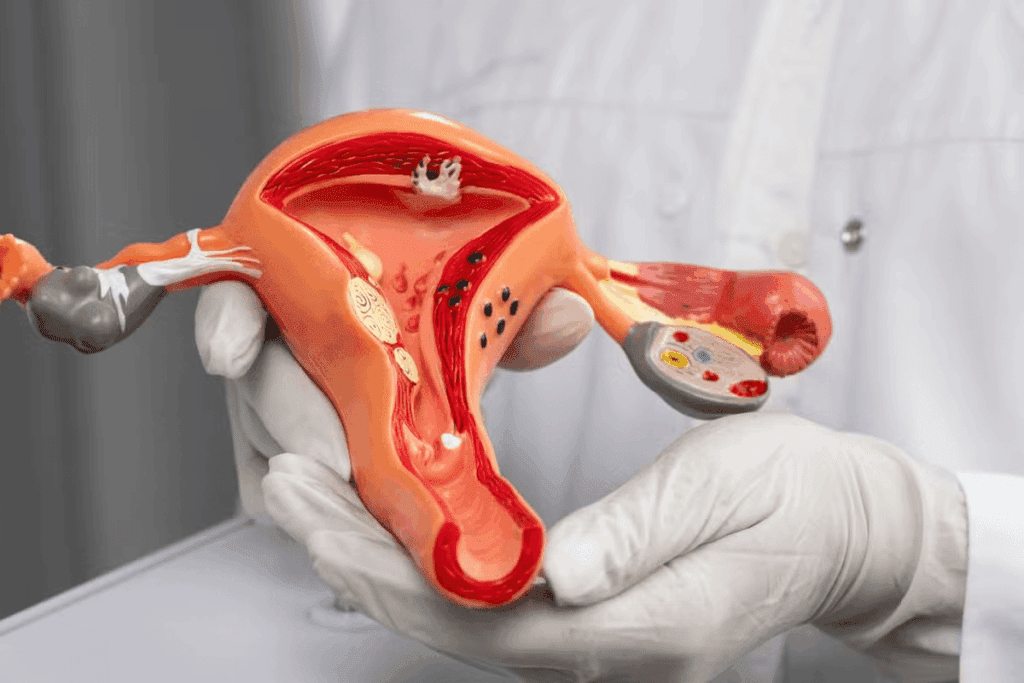
To understand an enlarged uterus, knowing its normal size and function is key. The uterus is a hollow, pear-shaped organ. It’s where a baby grows during pregnancy.
Normal Uterine Dimensions and Anatomy
A normal non-pregnant uterus is about 8 cm long and 5 cm wide. These sizes can vary slightly among individuals. But, big changes might mean there’s a problem.
The uterine anatomy is complex. It has layers like the endometrium (inner lining), myometrium (muscular layer), and perimetrium (outermost layer). Knowing these parts helps in diagnosing and treating uterine issues.
Uterine Dimension | Average Measurement |
Length | Approximately 8 cm |
Width | Approximately 5 cm |
The Role of the Uterus in Female Reproductive Health
The uterus is vital for female reproductive health. It supports pregnancy and helps regulate menstrual cycles. During pregnancy, it grows to fit the baby. It also contracts during labor to help with childbirth.
Also, the uterus sheds its lining during menstruation if there’s no pregnancy. This results in menstrual bleeding. This cycle is important for reproductive health and is influenced by hormones.
Knowing the normal size and function of the uterus is key to spotting problems. We’ll look more into uterine enlargement in the next sections, using this basic knowledge.
What Does It Mean When Your Uterus Is Enlarged?
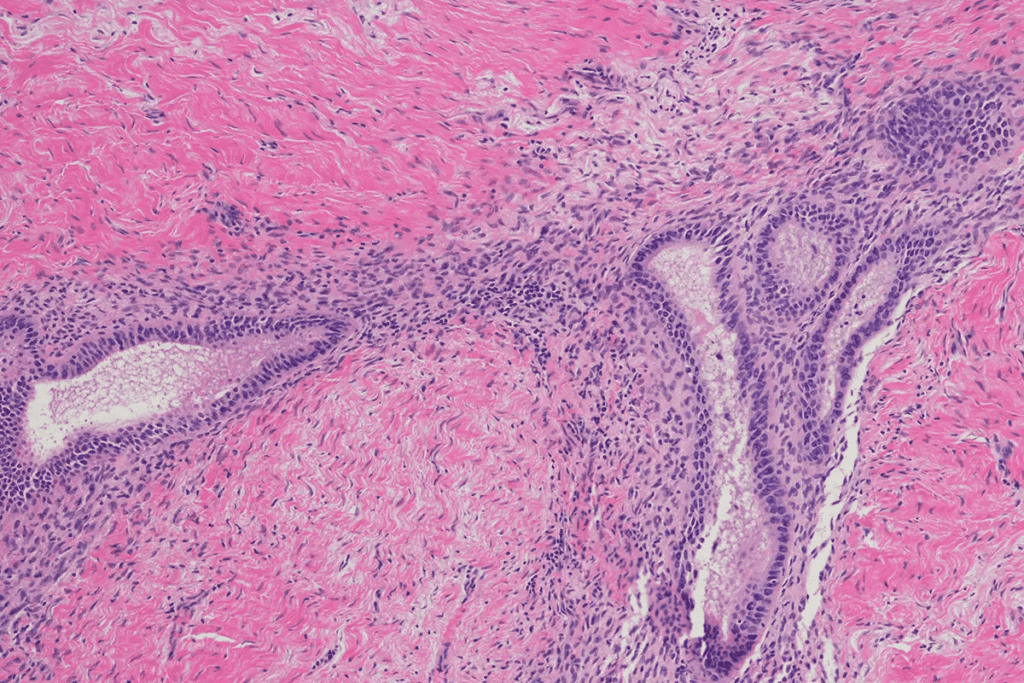
An enlarged uterus can worry many women. It’s important to know why it happens. The uterus grows for many reasons, like hormones, pregnancy, or health issues.
Uterine swelling can have many causes. It’s normal for the uterus to grow during pregnancy or with hormone changes. But, an abnormally large uterus might mean there’s a health problem.
Defining Uterine Enlargement in Medical Terms
Uterine enlargement means the uterus is bigger than usual. Doctors call it when the uterus is larger than normal. This can be due to fibroids, adenomyosis, or other health issues.
Normal uterine dimensions differ among women. Usually, the uterus is 3 inches long, 2 inches wide, and 1 inch thick. If it’s much bigger, it could be a sign of a problem.
Condition | Description | Possible Symptoms |
Uterine Fibroids | Non-cancerous growths in the uterus | Heavy menstrual bleeding, pelvic pain |
Adenomyosis | Tissue similar to the lining inside the uterus grows into the uterine walls | Heavy or painful periods, pelvic pressure |
Hormonal Imbalance | Changes in hormone levels affecting uterine size | Irregular periods, mood swings |
How Doctors Measure and Detect Uterine Size Changes
Doctors use different ways to check uterine size. A pelvic examination is often the first step. They feel the uterus to see its size and shape.
Imaging tests like ultrasound or MRI are used too. They give a precise measurement and spot any issues. These tests help doctors find the cause of uterine enlargement.
Knowing the reasons and signs of an enlarged uterus is key. If you’re worried or have symptoms, see a healthcare provider. They can offer the right care for you.
Why Is My Uterus Enlarged? Common Causes
Knowing why your uterus is enlarged is key for women’s health. It can be due to several reasons. Finding out the cause is important for the right treatment.
Pregnancy-Related Enlargement
Pregnancy is a common reason for an enlarged uterus. As the baby grows, the uterus gets bigger. This is normal during pregnancy and goes back to normal after the baby is born.
Uterine Fibroids
Uterine fibroids are noncancerous growths in or around the uterus. They affect up to 75% of women at some point. Fibroids can make the uterus bigger, causing heavy bleeding, pelvic pressure, and discomfort.
- Fibroids can vary in size, number, and location.
- They are more common in women of reproductive age.
- Treatment options range from medication to surgical interventions.
Adenomyosis
Adenomyosis happens when tissue like the uterus lining grows into its walls. This can make the uterus bigger, leading to heavy or painful periods. The exact cause is unknown, but hormones are thought to play a role.
Hormonal Imbalances and Their Effects
Hormonal imbalances, like those in estrogen, can affect the uterus. Conditions like PCOS can cause these imbalances. It’s important to manage these imbalances to ease symptoms and prevent problems.
“Hormonal treatments can help manage symptoms associated with uterine enlargement caused by hormonal imbalances.”
In conclusion, an enlarged uterus can be caused by many things, like pregnancy, fibroids, adenomyosis, and hormonal imbalances. Each condition has its own effects on women’s health. Knowing the cause helps doctors find the best treatment to improve your life.
Less Common Causes of Uterine Enlargement
There are less common causes of uterine enlargement, like endometrial hyperplasia and uterine polyps. These are important to know for the right diagnosis and treatment. While many know about fibroids and adenomyosis, these conditions also affect uterine size and health.
Endometrial Hyperplasia
Endometrial hyperplasia makes the uterine lining too thick. This can lead to cancer and make the uterus bigger. It also causes abnormal bleeding.
Uterine Polyps
Uterine polyps grow on the uterus lining and make it bigger. They are usually not cancerous but can cause irregular bleeding and infertility.
Gynecological Cancers
Uterine enlargement can also be a sign of gynecological cancers, like endometrial cancer. Early treatment is key. We’ll talk about why regular check-ups are important.
Knowing about these less common causes is key for women’s health. Recognizing symptoms and getting medical help is essential for the right care.
Recognizing Symptoms of an Enlarged Uterus
It’s important for women to know the signs of an enlarged uterus. This condition can change how you menstruate, cause pain, and affect your health.
Menstrual Changes and Abnormal Bleeding
Changes in menstrual cycles are a key sign. You might have heavy or prolonged menstrual bleeding and severe cramps. Sometimes, there’s abnormal bleeding between periods or after sex.
These changes can be upsetting. It’s vital to watch your menstrual cycles and see a doctor if they’re not normal.
Pelvic Pain and Pressure Sensations
Pelvic pain is another sign of an enlarged uterus. This pain can feel like a dull ache or sharp, stabbing sensations. Some women also find sex painful or uncomfortable during physical activities.
The pressure from an enlarged uterus can make you feel like your pelvis is heavy or full. These feelings can make daily life uncomfortable.
Urinary and Bowel Symptoms
As the uterus grows, it can press on the bladder and bowels. This might make you pee more often or have trouble emptying your bladder. You might also have constipation or irregular bowel movements.
These symptoms can be uncomfortable. They might need a doctor’s check-up to find out why they’re happening.
Abdominal Swelling and Bloating
Visible abdominal swelling or bloating can happen with a big uterus. This can make women feel self-conscious about their bodies.
It’s important to deal with these symptoms quickly. This can help prevent more problems and improve your life.
To understand symptoms of an enlarged uterus better, let’s look at some common signs:
Symptom Category | Common Symptoms |
Menstrual Changes | Heavy or prolonged bleeding, severe cramping, abnormal bleeding |
Pelvic Discomfort | Pelvic pain, painful sex, pressure sensations |
Urinary and Bowel Issues | Frequent urination, constipation, bowel irregularities |
Abdominal Symptoms | Abdominal swelling, bloating |
By knowing these symptoms, women can get help sooner. This can lead to better treatment and a better life.
Diagnosis Methods for Uterine Enlargement
Diagnosing an enlarged uterus takes several steps. These include physical exams, imaging tests, and sometimes, more detailed procedures. Knowing these steps is key to finding the cause of uterine growth and choosing the right treatment.
Physical Examination Procedures
A pelvic exam is often the first step. A healthcare provider feels the uterus, looks for any issues, and checks the pelvic area. This helps decide what tests to do next.
Imaging Tests and Their Uses
Transvaginal ultrasound is a main tool for checking uterine size. It shows detailed images of the uterus. Healthcare providers can measure it, find fibroids, and spot other problems. Sometimes, MRI or CT scans are used for more info.
Biopsy and Other Diagnostic Procedures
A biopsy might be needed to find the cause of uterine growth. It involves taking a sample of uterine tissue for tests. Other tests like hysteroscopy and dilation and curettage (D&C) can also help find issues inside the uterus.
By using these methods, doctors can find the cause of an enlarged uterus. Then, they can create a treatment plan that fits the person’s needs.
Treatment Options for an Enlarged Uterus
The treatment for an enlarged uterus depends on the cause. There are many options available. Knowing about these can help women choose the best care for themselves.
Medication-Based Treatments
For some, medication is the first step against an enlarged uterus. These treatments can ease symptoms like heavy bleeding and pain. Hormonal therapies and pain relievers are common.
It’s important to talk to a healthcare provider about the benefits and risks of these treatments. They can help decide the best option.
Minimally Invasive Procedures
Minimally invasive procedures are another option, often for uterine fibroids. Methods like uterine artery embolization and MRgFUS can help without big surgery. These procedures usually mean a quicker recovery and can be done as an outpatient.
Surgical Interventions
Sometimes, surgery is needed for an enlarged uterus. Options include myomectomy and hysterectomy. The choice depends on the cause, symptoms, and health.
Deciding on surgery should be a careful choice with a healthcare provider.
Lifestyle Modifications and Complementary Approaches
Lifestyle changes and alternative therapies can also help. Eating right, managing stress, and trying acupuncture may ease symptoms. These methods can be used alongside other treatments to improve health.
Risk Factors and Prevention Strategies
Several factors can increase the risk of an enlarged uterus. These include genetics, lifestyle, and age. Knowing these factors is key to preventing and catching problems early.
Genetic and Age-Related Risk Factors
Genetics play a big role in uterine enlargement. Women with a family history of uterine fibroids or endometriosis are at higher risk. Age also matters, as the risk grows in the 30s and 40s.
As we get older, hormone levels change. This can lead to adenomyosis, where uterine tissue grows into the muscular walls. This causes the uterus to enlarge and can be painful.
Lifestyle Factors That May Contribute
Lifestyle choices can also impact uterine health. For example, being overweight can raise the risk of uterine issues. Eating a lot of red meat and not enough fruits and veggies can also be a risk factor.
Not being active and high stress levels can also affect uterine health. They can disrupt hormone balance and overall well-being.
Preventive Measures and Regular Screenings
While some risks can’t be changed, there are steps to lower the risk of an enlarged uterus. Eating well and exercising can help keep hormone levels in check. This can reduce the risk of uterine problems.
Regular health check-ups are also important. Catching uterine issues early can lead to better outcomes. Women should talk to their doctors about their risk factors. This helps determine the best screening schedule for them.
By understanding risks and taking preventive steps, women can help keep their uterus healthy. This reduces the chance of complications from an enlarged uterus.
Conclusion
Knowing what causes an enlarged womb is key for good reproductive health. A big womb can come from many health issues. These include changes during pregnancy, fibroids, adenomyosis, and hormonal imbalances.
We talked about the normal size and job of the uterus. It’s important for female health. Spotting signs like changes in periods, pelvic pain, and trouble with urination is vital. This helps catch problems early.
Doctors use exams and imaging tests to find out why the uterus is big. Treatments vary. They can be medicines, small procedures, or surgery, based on the problem and how bad it is.
In short, knowing the risks and taking steps to prevent them is important. Regular health checks and a healthy lifestyle keep the uterus healthy. By understanding the causes, symptoms, and treatments, women can act early. This helps keep the uterus healthy and overall well-being.
FAQ
What is considered an enlarged uterus?
An enlarged uterus is when the uterus grows too big. It’s usually over 8 cm long and 5 cm wide.
What are the common causes of an enlarged uterus?
Causes include pregnancy changes, uterine fibroids, adenomyosis, and hormonal imbalances.
What are the symptoms of an enlarged uterus?
Symptoms include changes in menstrual cycles, pelvic pain, and problems with urination and bowel movements. You might also notice swelling in your abdomen.
How is uterine enlargement diagnosed?
Doctors use physical exams, ultrasound, and sometimes biopsy to diagnose it.
What are the treatment options for an enlarged uterus?
Treatment varies based on the cause. It can include medication, minimally invasive procedures, surgery, and lifestyle changes.
Can an enlarged uterus be a sign of cancer?
Yes, sometimes it can be linked to gynecological cancers. So, getting a proper diagnosis is key.
How can I prevent uterine enlargement?
Preventive steps include regular check-ups, a healthy lifestyle, and managing hormonal imbalances.
Is an enlarged uterus always symptomatic?
No, some women with an enlarged uterus may not show symptoms. Regular check-ups are important.
Can uterine fibroids cause an enlarged uterus?
Yes, fibroids are a common reason for uterine enlargement.
How does adenomyosis cause uterine enlargement?
Adenomyosis happens when tissue like the uterine lining grows into the uterine walls, causing it to enlarge.
What is the role of hormonal imbalances in uterine enlargement?
Hormonal imbalances, like estrogen dominance, can lead to uterine enlargement.
Can a large uterus size affect fertility?
An enlarged uterus might affect fertility, but treatment can help improve chances of getting pregnant.
What is the normal size of the uterus?
A non-pregnant uterus is about 8 cm long and 5 cm wide.
Can lifestyle changes help manage an enlarged uterus?
Yes, healthy weight and diet can help manage symptoms and support reproductive health.
References
Government Health Resource. Evidence-Based Medical Guidance. Retrieved from https://www.nejm.org/doi/full/10.1056/NEJMra1401429