

Seeing that one tonsil is larger than the other might worry you. But, in most cases, it’s not a big deal. At Liv Hospital, we’ve seen many patients worried about uneven tonsils. The good news is that having uneven tonsils is quite common, affecting about 1.7 to 2 percent of people.
Most cases of uneven tonsils are caused by harmless reasons like how the body is built or by benign lymphoid hyperplasia. Tonsillar hypertrophy, or when tonsils get bigger, is more common in kids and is usually not harmful. But, if the tonsils get too big, it can lead to problems like obstructive sleep apnea.
It’s important to understand why tonsils might be uneven. This helps us figure out the best way to handle it. We’ll look into the reasons behind uneven tonsils and when you should see a doctor.
Key Takeaways
- Asymmetrical tonsils affect about 1.7 to 2 percent of the population.
- Most cases of uneven tonsils are due to benign causes.
- Tonsillar hypertrophy is more common in children and is usually harmless.
- Large tonsils can cause obstructive sleep apnea.
- Understanding the causes of tonsillar asymmetry is key to finding the right solution.
Understanding Tonsil Asymmetry
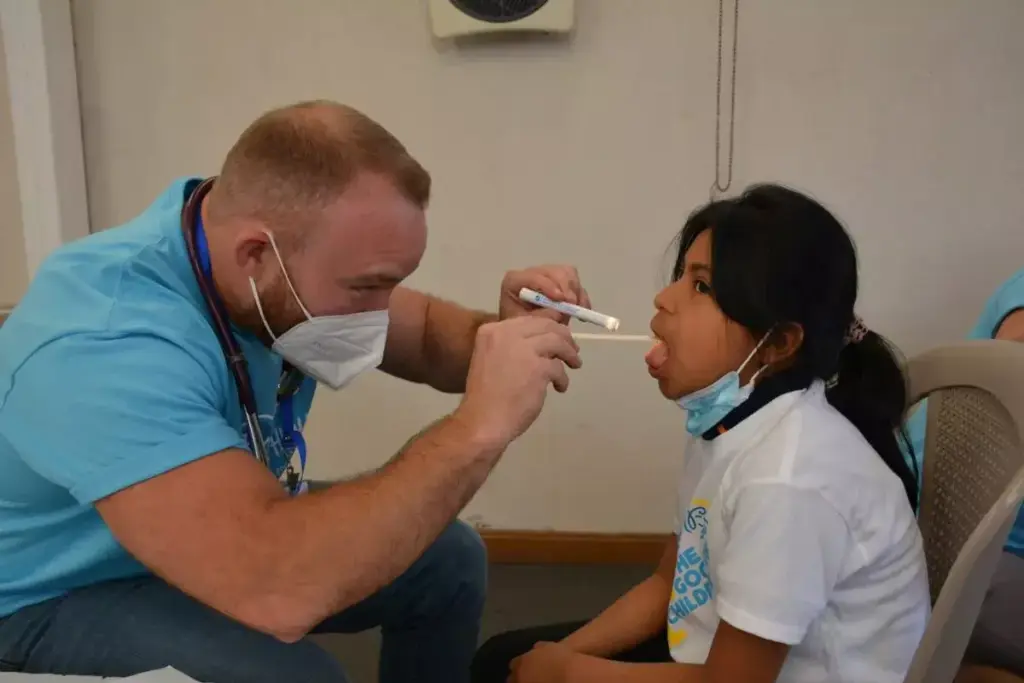
Seeing that one tonsil is bigger than the other can be worrying. But, it’s key to know that some unevenness is normal. Tonsil asymmetry, or uneven tonsils, can stem from many reasons. These include simple anatomical differences to more serious health issues.
What Are Tonsils and Their Function
Tonsils are lymphoid organs found on either side of the throat’s back. They are vital in our immune system, more so in early childhood. They help filter out bacteria and other pathogens. Tonsils are part of our body’s first line of defense against infection, aiding in the production of antibodies to fight off invading organisms.
Prevalence of Uneven Tonsils
Uneven tonsils are quite common. They can be due to genetics, past infections, or natural differences. Research shows many people have some degree of tonsil asymmetry. For more details, check out our knowledge base article on uneven.
| Factors Contributing to Tonsil Asymmetry | Description |
| Genetic Predispositions | Inherited traits that may influence tonsil size |
| Past Infections | Infections that may cause one tonsil to become larger |
| Anatomical Differences | Natural variations in tonsil size between individuals |
Visual vs. Actual Asymmetry
It’s vital to tell apart visual and actual asymmetry. Sometimes, one tonsil looks bigger because of its position or the area around it. A thorough examination by a healthcare professional is necessary to determine the cause of tonsil asymmetry.
Knowing why one tonsil is larger than the other can ease worries. It also helps decide when to seek medical advice.
Causes of One Enlarged Tonsil
[Add image here]
Tonsil asymmetry can come from many sources. These range from normal body differences to serious health issues. Knowing what causes it helps figure out the right treatment.
Benign Causes
Many harmless conditions can make one tonsil bigger than the other. For example, how deep the tonsil hole is can vary. Also, when the body fights off infections, it can make one tonsil swell up.
Common Benign Causes:
- Anatomical variations
- Reactive lymphoid hyperplasia
Potential Pathological Causes
Not all uneven tonsils are harmless. Some might show signs of serious problems. For example, long-term tonsillitis can make one tonsil stay big. Even rarer, but serious, is tonsil cancer.
Potential Pathological Causes:
| Cause | Description |
| Chronic Tonsillitis | Inflammation of the tonsils that can lead to persistent enlargement. |
| Tonsil Cancer | A rare but serious condition where cancerous cells develop in the tonsils. |
If you see your tonsils are not even, see a doctor. They can check what’s going on and find the cause.
Conclusion: When to Seek Medical Attention
Many people wonder why one tonsil is bigger than the other. It’s common and usually not a problem. But sometimes, a bigger tonsil can mean there’s something wrong that needs a doctor’s help.
See a doctor if you have a sore throat that won’t go away, trouble swallowing, or swelling in your neck. Also, if your voice changes, it could be a sign of a problem. Even if you don’t feel pain, a swollen tonsil on one side might mean something’s off.
If one tonsil has always been bigger, it’s smart to check with a doctor. They can make sure it’s not a serious issue. And if only one tonsil is swollen, getting a proper diagnosis is key.
Tonsil asymmetry can worry you. Knowing when to see a doctor can help you stay healthy. If you’re unsure about your tonsils, talk to a healthcare professional for advice.
FAQ:
What is tonsillar asymmetry?
Tonsillar asymmetry refers to a noticeable difference in size or shape between the two tonsils.
Is it normal for one tonsil to be slightly larger than the other?
Yes, mild asymmetry is common and often normal, especially if there are no other symptoms.
What are the benign causes of tonsil asymmetry?
Benign causes include past infections, normal anatomical variation, or temporary inflammation.
Can tonsil asymmetry be a sign of a serious condition?
In rare cases, it can indicate tumors or chronic infections, especially when accompanied by other warning signs.
When should I seek medical attention for uneven tonsils?
You should seek care if asymmetry is sudden, progressive, painful, or associated with weight loss, fever, or difficulty swallowing.
How common is tonsillar asymmetry?
Tonsillar asymmetry is fairly common and often discovered incidentally during routine exams.
Can uneven tonsils cause difficulty swallowing?
Yes, significantly enlarged or inflamed tonsils can sometimes make swallowing uncomfortable or difficult.
Are uneven tonsils a cause for concern?
They are usually not concerning unless persistent, worsening, or associated with other symptoms.
What is the role of tonsils in our immune system?
Tonsils help detect and fight infections by trapping germs entering through the mouth and nose.
Can one swollen tonsil be a sign of infection?
Yes, a single swollen tonsil can occur with localized infections such as tonsillitis or peritonsillar abscess.
References:
National Center for Biotechnology Information. Evidence-Based Medical Insight. Retrieved from https://pubmed.ncbi.nlm.nih.gov/15243564/



 Departments
 Related Videos
 Our Doctors
 News
News