
Seeing clear fluid leak from your ear can be scary. But knowing what it means and when to get help is key. It’s important to get a professional check-up, whether it’s a simple issue or something more serious.
At Liv Hospital, we have top experts and the latest tech to help you. Our team focuses on you, giving you the best care for your needs.
Understanding Clear Fluid Discharge from the Ear
Clear fluid coming out of your ear is called otorrhea. It can worry many people. We will explore otorrhea, its causes, and when you should see a doctor.
Causes of Otorrhea
Otorrhea is when fluid leaks from your ear. It can happen for many reasons, like infections, injuries, or other health issues. The color of the fluid can tell you what’s causing it.
Distinguishing Between Clear, Yellow, and White Ear Discharge
The color and texture of ear discharge can give clues about its cause:
- Clear fluid might mean a burst eardrum or Eustachian tube problem.
- Yellow or greenish discharge usually means a bacterial infection.
- White discharge could point to a fungal infection.
When to Seek Medical Attention
If you have ear discharge, knowing when to see a doctor is important. You should go if:
- The discharge is painful or you have a fever.
- You’ve had ear problems or hearing loss before.
- The discharge doesn’t go away or you have other symptoms.
Seeing a doctor early can stop bigger problems and get you the right treatment. It’s good to take care of your ear health and get help if you’re not sure about your discharge.
Common Causes of Ear Wax Drainage and Clear Fluid
Ear wax drainage and clear fluid can come from many sources. This includes infections and problems with the eardrum and Eustachian tube. Knowing these causes helps in finding the right treatment.
Ruptured Eardrum from Middle Ear Infections
A ruptured eardrum happens due to middle ear infections. This can cause ear drainage, which might be clear, yellow, or bloody. Middle ear infections can make the eardrum burst, leading to discharge. A ruptured eardrum is painful and can cause hearing loss if not treated quickly.
Swimmer’s Ear (Otitis Externa)
Swimmer’s ear is an infection of the outer ear canal. It happens when water gets into the ear canal, creating a moist place for bacteria or fungus to grow. Symptoms include itching, redness, and discharge, which can be clear or yellow. It’s common in people who swim a lot.
Earwax Buildup and Trapped Moisture
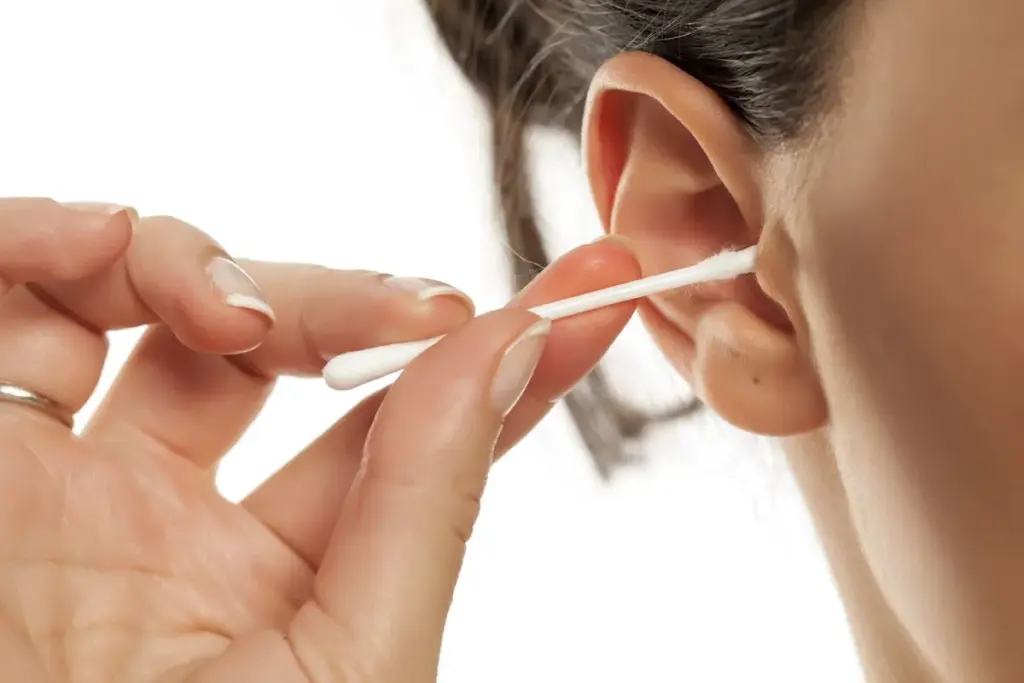
Too much earwax or trapped moisture in the ear canal can cause drainage. Earwax normally keeps the ear canal clean by trapping dust and bacteria. But, if it builds up or gets impacted, it can cause discomfort and discharge. Using cotton swabs can push wax deeper, making things worse.
Eustachian Tube Dysfunction and “Glue Ear”
Eustachian tube dysfunction happens when the tube that connects the middle ear to the back of the throat doesn’t work right. This can cause “glue ear,” where fluid builds up in the middle ear. While “glue ear” usually doesn’t cause discharge, Eustachian tube problems can sometimes lead to ear drainage because of fluid buildup or infection.
In conclusion, ear wax drainage and clear fluid can come from many causes, like ruptured eardrums, infections, and Eustachian tube problems. Knowing the cause is key to finding the right treatment.
Effective Treatments for Ear Fluid Leakage
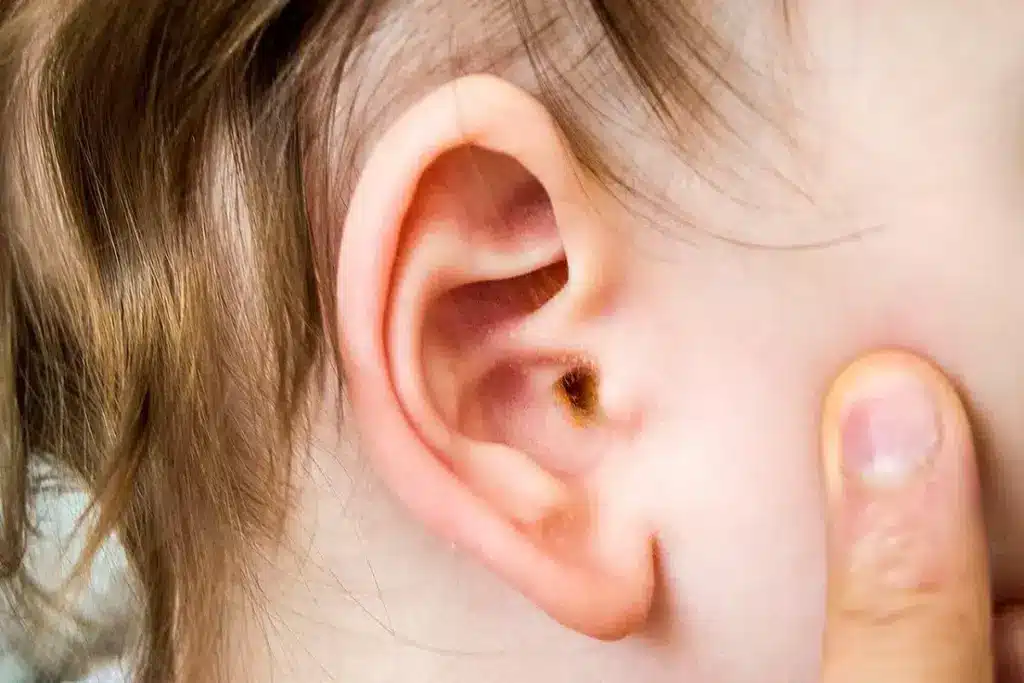
Ear fluid leakage can be treated in different ways, depending on why it’s happening. It’s important to know the cause to choose the right treatment.
Professional Medical Treatments
If ear fluid leakage is due to an infection, antibiotic ear drops are often used. These drops help fight the infection and reduce fluid. If the leakage is from a ruptured eardrum, doctors might suggest observation or surgical intervention if needed.
- Antibiotic ear drops for infections
- Surgical repair for a ruptured eardrum
- Ear tubes for persistent fluid buildup
For serious cases or complications, seeing a healthcare professional is key. They can guide you on the best treatment. This might include further tests to check for other health issues. For more details, visit healthdirect.gov.au.
Home Care Approaches
There are also home care methods to manage ear fluid leakage. Keeping the ear dry is very important, like after showering. Using a dry ear technique or a hair dryer on a low setting can help dry the ear canal.
Other home remedies include:
- Using ear drops to help dry the ear canal
- Avoiding inserting objects into the ear
- Using a warm compress to relieve discomfort
By using both medical treatments and home care, you can manage ear fluid leakage well. This helps prevent it from happening again.
Conclusion: Prevention and When to Worry About Ear Discharge
Knowing why ear discharge happens is key to acting right. We’ve talked about why clear fluid might leak from your ear. This includes a burst eardrum, swimmer’s ear, and issues with the Eustachian tube. If your ears keep draining, it might mean you have a problem that needs a doctor’s help.
To stop ear discharge, keep your ears clean. Don’t put things in your ear, as it can push wax in and harm your ear. Also, managing infections in your middle ear can help avoid discharge. If you see water in your ear or it feels full, see a doctor.
Keeping your ears healthy means being careful and taking steps to prevent problems. By knowing the reasons and taking action, you can lower the chance of ear discharge. But, if you keep getting ear discharge, it’s important to see a doctor. They can check for serious issues.
FAQ
What is otorrhea and what causes clear fluid to leak from the ear?
Otorrhea is ear drainage, which can be clear, yellow, bloody, or pus-filled. Clear fluid may be caused by allergies, eustachian tube dysfunction, viral infections, cerebrospinal fluid leak (rare), or excessive fluid from the middle ear.
How can I distinguish between different colors of ear discharge?
Clear or watery: Allergies, fluid buildup, or viral infection
When should I seek medical attention for ear leakage?
Seek prompt care if drainage is persistent, bloody, pus-filled, foul-smelling, associated with pain, hearing loss, dizziness, or follows head trauma.
Can earwax buildup cause clear fluid leakage from the ear?
Do not attempt to remove fluid yourself if drainage persists
How can I prevent ear discharge and fluid leakage?
Use warm compresses for mild discomfort
Are there any home care approaches for managing ear fluid leakage?
Yes, in some cases impacted wax traps fluid, which may appear as clear or slightly watery drainage. However, persistent fluid usually has another underlying cause.
References:
ScienceDirect. Evidence-Based Medical Insight. Retrieved from https://www.sciencedirect.com/science/article/pii/B978032361759600057X



 Departments
 Related Videos
 Our Doctors
 News
News