
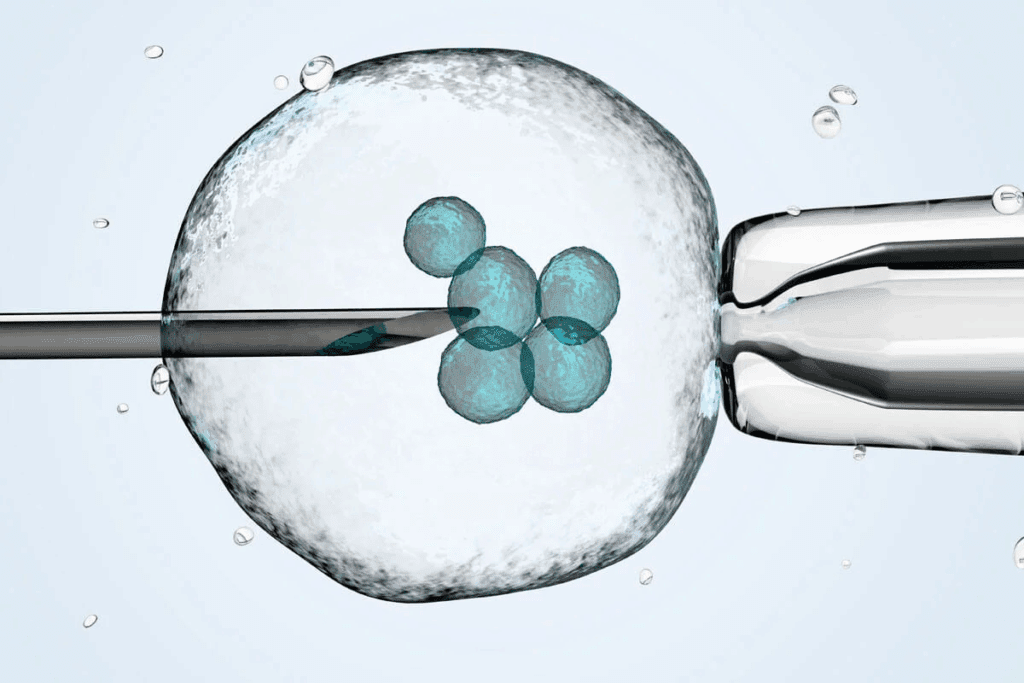
In vitro fertilization (IVF) has changed reproductive medicine, helping millions of families. But, it’s also a hot topic. The debate over IVF involves ethics, laws, and moral beliefs. Explore the complex reasons why IVF is bad from an ethical and moral standpoint. We cover the surprising arguments and controversies.
Recent court decisions, like the Alabama Supreme Court’s ruling on frozen embryos, have sparked more debate. We’ll look at both sides of the IVF argument. This will help us understand why it’s so controversial.
IVF has come a long way. The first successful birth happened in 1978, thanks to Patrick Steptoe and Robert Edwards. Today, IVF is a key part of fertility treatments.
Key Takeaways
- IVF is a controversial yet significant reproductive advancement.
- Ethical, legal, and moral dimensions contribute to the controversy.
- Recent court decisions have intensified debates around IVF.
- Understanding arguments for and against IVF is key for making informed choices.
- IVF has become a cornerstone of modern fertility treatments, starting in 1978.
The Evolution of IVF: From Breakthrough to Controversy
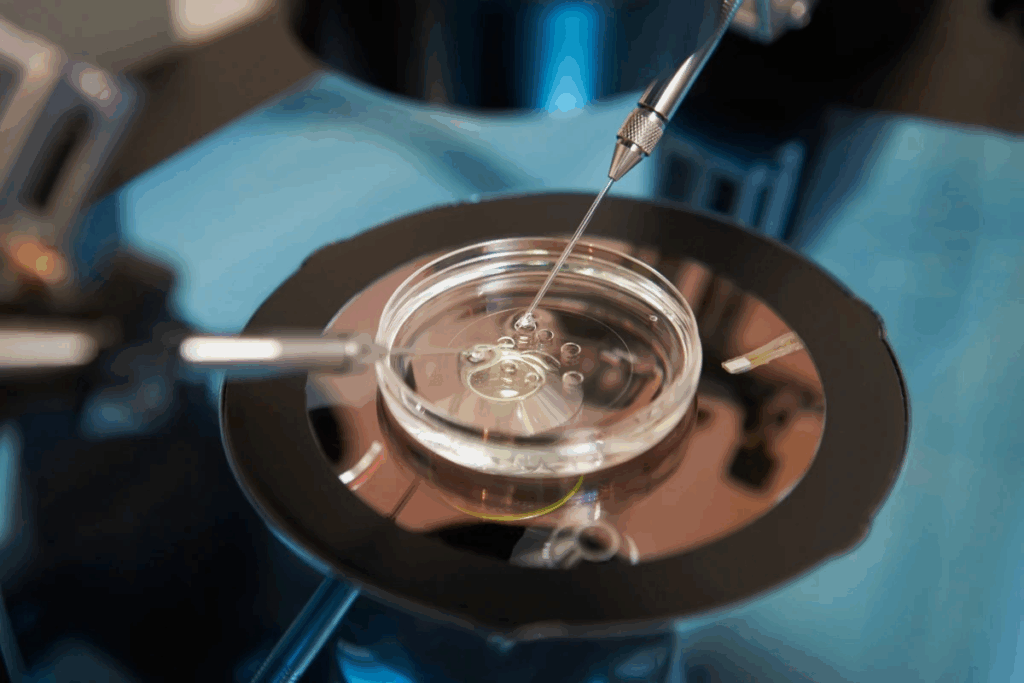
The history of IVF is filled with groundbreaking science and ethical debates. It has grown from an experimental method to a common fertility treatment.
The Pioneers: Robert Edwards and Patrick Steptoe
Robert Edwards, a physiologist, and Patrick Steptoe, a gynecologist, pioneered IVF in the 1960s and 1970s. Their work on fertilizing an egg outside the body was both groundbreaking and controversial.
The First “Test Tube Baby” and Public Reaction
Louise Brown’s birth in 1978 was a major milestone in IVF history. Known as the first “test tube baby,” her birth sparked both wonder and concern worldwide. The public’s views on IVF were mixed, showing both excitement and unease.
From Experimental Procedure to Mainstream Treatment
IVF has grown from an experimental method to a widely accepted treatment. Thanks to technological and medical advancements, IVF success rates have improved. Today, it’s a key part of reproductive medicine, with thousands of babies born through it.
Year | Milestone | Significance |
1960s | Edwards and Steptoe begin research | Lay the groundwork for IVF |
1978 | Birth of Louise Brown | First successful IVF birth |
1980s-1990s | IVF becomes more widespread | Advances in technology improve success rates |
Understanding the IVF Process
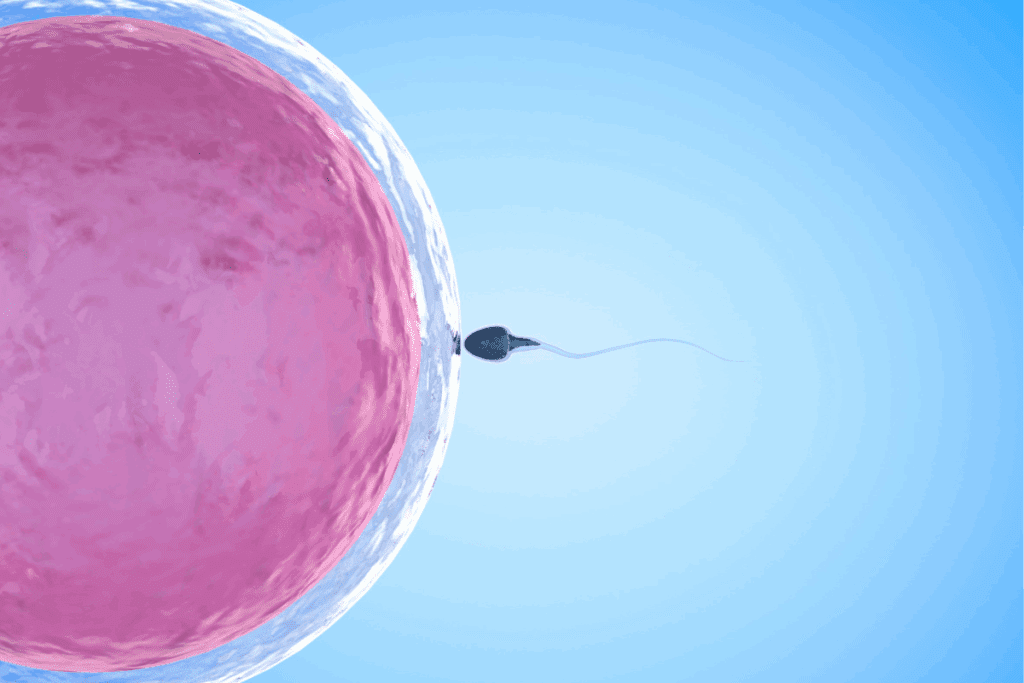
To understand the debate around IVF, we need to know the medical steps it takes. The IVF process has many parts, from the first visit to the final embryo transfer.
Medical Procedures and Hormone Treatments
The journey starts with a detailed medical check-up. Then, hormone treatments are given to make the ovaries produce more eggs. These treatments are key to getting good eggs for fertilization.
Egg Retrieval and Fertilization
Egg retrieval is a small surgery to get the eggs from the ovaries. The eggs are then mixed with sperm in a lab, called insemination.
Embryo Selection and Transfer
After mixing, the embryos grow in the lab for 3-5 days. The best embryo is picked for quality and health. It’s then put into the woman’s uterus for a chance at pregnancy.
Step | Description | Key Considerations |
Hormone Treatments | Stimulate ovaries to produce multiple eggs | Monitoring for ovarian response |
Egg Retrieval | Minor surgery to collect eggs | Risk of ovarian hyperstimulation |
Embryo Transfer | Transferring the selected embryo to the uterus | Timing and embryo quality |
Knowing these steps helps us understand the complexity and challenges of IVF. By looking at the IVF process in detail, we can see how it works.
The Legal Landscape of IVF in America
Recent court decisions have made IVF laws a hot topic. IVF is now a common way to start a family. But, the legal rules around it have become more complicated.
Regulatory Framework and State Variations
In the U.S., IVF laws mix federal rules with state laws. This creates a patchwork of rules across the country. Some states protect access to IVF, while others limit it or say nothing.
Alabama is a key example. The lack of a single federal rule means IVF patients and clinics face different laws in each state.
The 2024 Alabama Supreme Court Ruling on Embryos
The 2024 Alabama Supreme Court ruling changed IVF laws in the U.S. It said frozen embryos are considered children under state law. This decision had big effects on fertility clinics in Alabama.
Impact on Fertility Clinics: After the ruling, many big fertility clinics in Alabama stopped IVF services. They were worried about legal risks and uncertainties.
Impact on Fertility Clinics and Patient Access
The Alabama ruling didn’t just affect clinics in Alabama. It made people worried about IVF all over the country. Patients might face delays in getting IVF treatment. Clinics outside Alabama started to think about their own legal risks.
State | IVF Law Status | Impact on Clinics |
Alabama | Embryos considered children | Services paused |
California | Protective laws for IVF | Minimal disruption |
New York | No specific IVF laws | Monitoring legal developments |
As we deal with these legal challenges, the future of IVF in America is uncertain. We must find ways to ensure access to IVF while addressing legal and ethical issues.
Why IVF Is Bad: Ethical and Moral Objections
IVF raises many ethical concerns that touch on human society deeply. Looking into the moral and ethical sides of IVF shows the controversy is complex.
Embryo Creation, Selection, and Destruction Concerns
IVF’s main ethical issue is the creation, selection, and destruction of human embryos. This raises big moral questions about embryos’ status and dignity. The Catholic Church strongly opposes IVF, mainly because of embryo destruction. The idea of creating life only to possibly discard it is deeply troubling to many.
“The Catholic Church teaches that IVF is morally illicit because it separates the procreation of a new human being from the act of conjugal love, and because it involves the destruction of human embryos.”
Religious Arguments Against Artificial Reproduction
Many religions have concerns about IVF, focusing on its separation from the marital act. The Roman Catholic Church, for example, opposes IVF due to embryo destruction and the act’s separation from marriage. Other religions share similar views, stressing the spiritual and ethical sides of reproductive technologies.
Natural Law and Human Dignity Considerations
IVF also raises questions about natural law and human dignity. Critics say IVF goes against natural law by altering conception and reproduction. There are worries about human life being commodified and the dignity of individuals in IVF. The debate is whether such interventions respect or violate human dignity.
Ethical Concern | Description |
Embryo Destruction | IVF creates multiple embryos, many of which are not implanted and are destroyed. |
Separation from Marital Act | IVF separates reproduction from marriage, seen as morally significant by some. |
Commodification of Life | IVF could lead to treating embryos and children as products. |
In conclusion, the ethical and moral objections to IVF are complex and varied. They involve embryo destruction, religious teachings, and human dignity. As we explore reproductive technologies, it’s vital to address these concerns thoughtfully and fully.
Medical and Health Concerns About IVF
IVF offers hope to many, but it also has health risks. It’s important to know the medical and health concerns linked to this fertility treatment.
Risks to Women Undergoing IVF Treatment
Women facing IVF treatment may encounter several health risks. These include:
- Ovarian Hyperstimulation Syndrome (OHSS): A condition where the ovaries swell, causing symptoms from mild to severe.
- Infection and Bleeding: As with any invasive procedure, there’s a risk of infection and bleeding during egg retrieval.
- Emotional Stress: The emotional ups and downs of IVF can affect mental health.
Multiple Pregnancy Complications
One major concern with IVF is the risk of multiple pregnancies. This happens when more than one embryo is transferred. Multiple pregnancies carry higher risks for both the mother and the babies, including:
- Premature birth
- Low birth weight
- Complications during delivery
To lower these risks, many clinics now prefer single embryo transfers.
Long-term Health Outcomes for IVF Children
Research on the long-term health of IVF children is ongoing. Some studies point to a higher risk of certain health issues, such as:
- Birth Defects: There might be a slightly higher risk of birth defects in IVF-conceived children.
- Imprinting Disorders: Rare conditions linked to IVF due to genomic imprinting issues.
Yet, it’s key to remember that the overall risk is low. Many IVF children grow up healthy.
In summary, while IVF is a powerful tool for addressing infertility, it comes with its own set of medical and health concerns. It’s vital to understand these risks to make informed decisions about fertility treatments.
Arguments Supporting IVF Access
Despite the debate around IVF, many see its value. It has changed reproductive medicine, giving hope to those facing infertility.
Reproductive Autonomy and Family Building Rights
One key argument for IVF is reproductive autonomy. People and couples should decide about their bodies and family planning. IVF lets them build families in ways that matter to them, even with fertility issues.
Reproductive autonomy is a basic right we must protect. By supporting IVF access, we respect people’s freedom to choose when and how to have children.
Medical Solutions for Various Infertility Causes
IVF offers medical help for many infertility reasons, like blocked tubes or low sperm count. It’s a flexible treatment that meets each patient’s needs.
Infertility Cause | IVF Solution |
Blocked Fallopian Tubes | Direct egg retrieval and fertilization |
Low Sperm Count | ICSI (Intracytoplasmic Sperm Injection) |
Unexplained Infertility | Conventional IVF with careful monitoring |
Success Stories and Positive Outcomes
IVF has led to countless success stories, with millions of babies born. These stories show IVF’s positive effects on families and individuals.
Many have found IVF to be a game-changer, helping them achieve their dream of parenthood. The success of IVF shows the progress in reproductive medicine and the hard work of healthcare professionals.
Public Opinion and Political Dimensions
IVF is a big topic in reproductive health talks. It’s important to know what people and politicians think. IVF isn’t just about medical progress. It’s also about what society thinks and what laws say.
Current American Attitudes Toward IVF
About 80 percent of Americans think IVF should be legal. Only 6 percent disagree. This shows most people support IVF.
Political Positions and Legislative Trends
Politicians have different views on IVF. Some want more rules, while others want easier access. Laws are changing to find a balance between rights and ethics.
Political Stance | Key Features | Impact on IVF |
Conservative | Stricter regulations, ethical considerations | Limited access to IVF in some regions |
Liberal | Reproductive rights, accessibility | Increased access to IVF treatments |
Balancing Religious Freedom and Reproductive Rights
One big challenge is mixing religious freedom with reproductive rights. Some religious groups don’t support IVF. But others see it as a way to build a family. Lawmakers have to deal with these different views.
Understanding public and political views is key. By looking at these, we can see where IVF is headed in America.
The Future of IVF: Emerging Technologies and Ethical Frontiers
New technologies are changing IVF, bringing both hope and ethical questions. As we move forward, IVF will keep evolving. This will be thanks to new medical science and tech.
Advancements in Genetic Screening and Selection
Genetic screening and selection in IVF have seen big improvements. Now, doctors can spot genetic issues in embryos better. This could lower the chance of genetic problems in kids born through IVF.
These advancements bring many benefits:
- Higher success rates for IVF treatments
- Less risk of genetic disorders
- Better ability to pick healthy embryos
Regulatory Challenges and Proposed Solutions
As IVF tech gets better, it also raises big regulatory issues. We need strong rules to make sure these technologies are used right and safely.
Here are some ways to tackle these issues:
- Make clear rules for using genetic screening in IVF
- Set up standard ways for choosing embryos
- Keep talking between doctors, ethicists, and lawmakers
By tackling these problems early, we can make sure IVF’s future is both promising and ethical.
Conclusion: Navigating the Complex Ethics of Reproductive Technology
When we talk about IVF and reproductive technology, we see a mix of good and tough questions. IVF has helped many families, but it also brings up big ethical issues. We need to think carefully about these problems.
We’ve looked at how IVF has changed, its medical and legal sides, and the arguments for and against it. The complex ethics of IVF mean we must consider both its benefits and its moral and social impacts.
In the end, as reproductive technology gets better, we must keep our approach thoughtful and detailed. This way, we can use IVF to help people build their families. At the same time, we respect the ethical limits of this sensitive field.
FAQ
What is IVF and how does it work?
IVF, or In Vitro Fertilization, is a treatment where an egg meets sperm outside the body. It starts with hormone treatments. Then, eggs are retrieved, fertilized in a lab, and an embryo is chosen and transferred to the uterus.
Why is IVF considered controversial?
IVF is debated due to ethical, moral, and legal issues. These include the creation, selection, and possible destruction of embryos. Religious and natural law perspectives also play a role.
What are the medical risks associated with IVF?
IVF can lead to complications from hormone treatments and egg retrieval. It also increases the risk of multiple pregnancies. This can harm both mothers and children’s health.
How has the law impacted IVF in the United States?
Laws on IVF vary by state. Recent court decisions, like in Alabama, have influenced fertility clinics and patient access to treatments.
What are the arguments in favor of IVF access?
Supporters argue for reproductive freedom, family building, and medical solutions for infertility. They point to many success stories.
How do emerging technologies affect the future of IVF?
New technologies like genetic screening are changing IVF. But, they also raise regulatory challenges. These need to be addressed for safe and ethical practices.
Does IVF kill embryos?
Yes, IVF can involve creating multiple embryos. Not all are transferred or survive. This raises concerns about embryo destruction.
What is the controversy with IVF?
The debate centers on ethical, moral, and legal aspects. It includes how embryos are handled and the impact on human dignity and natural law.
Who invented IVF?
Robert Edwards and Patrick Steptoe pioneered IVF. They achieved the first successful IVF birth.
Are IVF babies at risk for fertility problems?
Research on IVF children’s health, including fertility, is ongoing. Some studies suggest they might have different health profiles than naturally conceived children.
Why are people opposed to IVF?
Opponents have various concerns. These include ethical and moral objections to embryo handling, religious beliefs, and worries about IVF’s medical and health implications.
What are the arguments against IVF?
Arguments against IVF include concerns about embryo creation and destruction. There are also worries about multiple pregnancies and the ethical implications of assisted reproductive technology.
References
World Health Organization. IVF Controversy: Ethical, Legal, and Moral Arguments. Retrieved from https://www.who.int/news-room/fact-sheets/detail/infertility