
MRI scans are key in medicine. They give detailed images of organs and tissues. This helps doctors make accurate diagnoses and choose the right treatments for many health issues. Why would a doctor order an MRI of the brain? Discover key reasons and benefits of brain MRI scans. lets check out
Doctors often use MRI scans to find injuries and diseases. This is true for soft tissues like the brain, spinal cord, and joints. Knowing how MRI scans work helps patients see their value in healthcare.
Key Takeaways
- MRI scans provide detailed images of internal body structures without using ionizing radiation.
- They are very useful for diagnosing conditions affecting soft tissues.
- MRI scans can spot inflammation and help diagnose many health problems.
- A doctor might order an MRI scan to see how a disease is progressing or if treatment is working.
- MRI scans help doctors make precise diagnoses and plan treatments.
Understanding MRI Technology and Its Capabilities
MRI technology has made huge strides, giving us deep insights into the body without harmful radiation. This is a big plus compared to CT scans, which use X-rays.
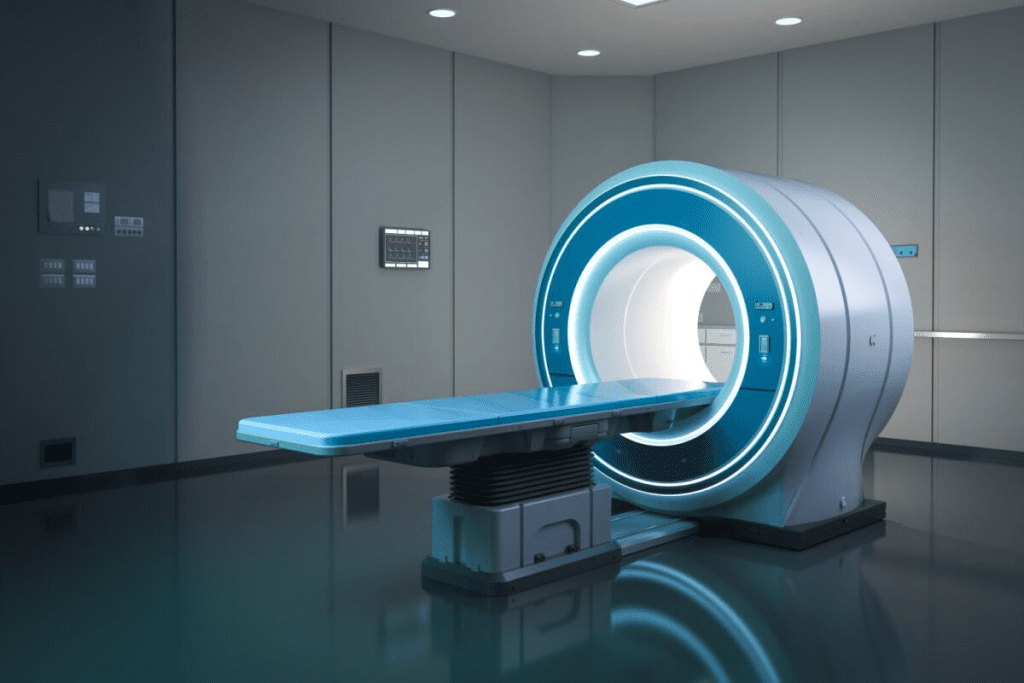
So, is an MRI the same as a CT scan? No, they are not the same. MRI uses a strong magnetic field and radio waves to create images. This gives MRI a clear view of soft tissues, unlike CT scans.
How MRI Creates Detailed Images of the Body
MRI works by aligning hydrogen nuclei in the body with a strong magnetic field. Radio waves disturb these nuclei, and as they return to their aligned state, they send signals. These signals are used to make detailed images.
This tech is great for diagnosing conditions like some neurological disorders or injuries to ligaments and tendons. MRI is safer than CT scans because it doesn’t use harmful radiation. It’s better for patients who need many scans or are sensitive to radiation.
The Evolution of MRI Technology in Modern Medicine
MRI technology has evolved fast, with big steps forward in recent years. One key development is AI-powered MRI systems. These systems make image acquisition and interpretation faster and more accurate.
They help spot abnormalities quickly and give radiologists insights for better diagnoses. MRI also lets us see the body in multiple planes. This gives a detailed view of complex structures. Its safety and ability to image soft tissues make MRI vital in modern medicine.
Why Would a Doctor Order an MRI of the Brain
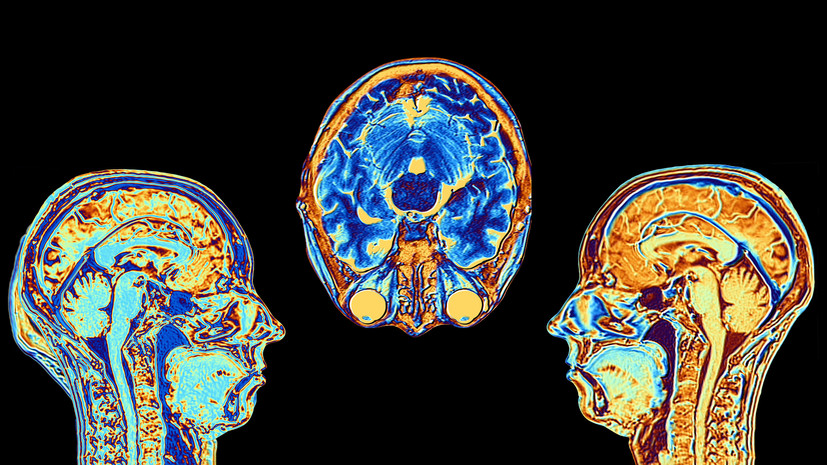
MRI scans of the brain are key for diagnosing many neurological issues. They give detailed images that doctors use to spot problems and plan treatments.
Diagnosing Neurological Disorders and Conditions
Doctors use MRI scans to find conditions like multiple sclerosis, Alzheimer’s, and Parkinson’s. These scans show small changes in brain tissue. This is vital for catching problems early and treating them quickly.
MRI scans are very helpful for spotting issues with the brain’s structure, like hydrocephalus or cerebral edema. Doctors can see how severe these problems are and plan the best treatment.
Detecting Brain Tumors and Abnormal Growths
MRI scans are great at finding brain tumors and growths. They can tell different types of tissue apart. This helps doctors know what kind of tumor it is and how to treat it.
Can MRI detect inflammation? Yes, MRI scans can spot inflammation in the brain. This is important for diagnosing conditions like encephalitis or abscesses. Doctors can then treat these conditions properly.
Evaluating Stroke Damage and Blood Vessel Issues
MRI scans help doctors see how much damage a stroke has caused. They also find problems with blood vessels, like aneurysms or malformations. This information helps doctors plan how to prevent more damage.
Compared to CT scans, MRI scans are safer because they don’t use radiation. This makes MRI a better choice for people who need many scans or are sensitive to radiation.
MRI vs. CT Scan: Key Differences and Applications
It’s important to know the differences between MRI and CT scans. Both are key tools in healthcare, but they are used for different reasons. They offer unique benefits for patients.
Imaging Capabilities
MRI scans are great for soft tissues like the brain and joints. CT scans, on the other hand, are better for bones and quick injuries like fractures.
Key differences in imaging capabilities include:
- Soft tissue contrast: MRI shows soft tissues better.
- Bone visualization: CT scans are better for bones and fractures.
- Detail level: MRI gives detailed images of internal structures, great for the brain and joints.
Safety Considerations
Choosing between MRI and CT scans also means thinking about safety. One big concern is radiation.
CT scans use X-rays, which means radiation. MRI scans use magnetic fields and radio waves, so there’s no radiation.
Other safety considerations include:
- Contrast agents: Both use agents, but they’re different and can cause allergic reactions.
- Claustrophobia: MRI can be hard for people with claustrophobia because of the tight space.
- Metallic implants: MRI is not safe for people with certain implants, like pacemakers.
Choosing Between MRI and CT Scan
Doctors pick between MRI and CT scans based on the patient’s condition. They look at the type of tissue, the need for contrast agents, and safety.
For instance:
- MRI is best for soft tissue issues, like some brain problems.
- CT scans are better for bone issues or quick injuries.
Knowing what each scan can do helps doctors choose the right one for each patient.
Common Medical Conditions That Require MRI Diagnosis
MRI scans are key in modern medicine. They help diagnose many health issues. This includes joint and musculoskeletal disorders and cancer.
Joint and Musculoskeletal Disorders
MRI is great for diagnosing joint and musculoskeletal disorders. It shows detailed images of soft tissues like muscles and tendons. This helps doctors spot problems like ligament tears and tendonitis.
The benefits of MRI over CT scans are clear in soft tissue imaging. MRI doesn’t use ionizing radiation. This makes it safer for patients needing repeated scans.
Can an MRI Detect Inflammation in the Body?
Yes, MRI can spot inflammation in the body. It’s useful for diagnosing conditions like arthritis and infections. MRI shows where inflammation is, helping doctors plan better treatments.
Can an MRI detect inflammation? Yes, it can. MRI is very good at finding inflammation early on.
Cancer Diagnosis and Monitoring
MRI is vital for cancer diagnosis and tracking. It helps find tumors and see how well treatments are working. MRI is great for soft tissue imaging, which is key for cancers in the brain and spine.
At times, MRI is used with CT scans for a full view of cancer. A CT scan might show the tumor’s size, while an MRI details its relation to nearby tissues. This helps doctors make better plans for treatment.
Advanced MRI Applications and AI Integration
Recent MRI tech advancements, including AI, are boosting diagnostic skills. AI in MRI systems makes imaging more accurate and quicker.
AI-Powered MRI Systems for Emergency Care
AI MRI systems are becoming key in emergency care. They quickly spot serious issues like brain bleeds. These systems can review images fast, cutting down on wait times.
A study showed that AI MRI can spot brain bleeds well. This helps save lives in emergencies.
AI in MRI isn’t just for emergencies. It’s also being tested to improve the diagnosis of many health issues.
Predictive Capabilities in Disease Progression
AI-powered MRI is helping predict how diseases will progress. It looks at MRI images to find patterns that show disease risk. This lets doctors plan better treatments.
- Early detection of neurological disorders
- Monitoring of cancer treatment response
- Assessment of musculoskeletal conditions
Newer MRI Technologies and Their Advantages
New MRI tech brings better images and quicker scans. These changes make MRI scans more comfortable and efficient for patients.
The main benefits of the new MRI tech are:
- Enhanced image resolution
- Faster scan times
- Increased patient comfort
As MRI tech keeps improving, we’ll see more exciting uses in medical diagnostics.
The MRI Process: What Patients Should Expect
For those getting an MRI, knowing what to expect can help ease worries. An MRI is a safe way to see inside the body without surgery. It uses strong magnets and radio waves to create detailed images.
First, you’ll need to remove any metal items like jewelry or glasses. You’ll also talk about any metal implants or if you have claustrophobia. This helps make sure the scan goes smoothly.
Who Reads an MRI and How Results Are Interpreted
After your scan, a radiologist will look at the images. They are doctors who specialize in reading medical images. They check for any problems and write a report for your doctor.
The report will tell you what they found and what might happen next. The radiologist’s job is key in helping doctors decide how to treat you.
Preparing for Your MRI Appointment
To have a good MRI experience, follow some simple steps. Arrive early to fill out forms and wear comfy clothes without metal. You’ll need to stay very quiet and not move during the scan.
Tell your doctor about any fears or worries you have. There are ways to help you feel more at ease during the scan. Being ready can make a big difference.
Also, MRI scans are safer than CT scans because they don’t use harmful radiation. But which one is better depends on your health issue.
Conclusion: The Future of MRI in Medical Diagnostics
Medical technology keeps getting better, and MRI scans are key in diagnosing many health issues. It’s important to know why doctors order MRIs to see their value in patient care.
MRIs offer clear images of soft tissues without using harmful radiation. This makes them a top choice for doctors. The technology has grown a lot, helping doctors spot problems like brain issues and joint problems more accurately.
New advancements, like using AI and better imaging methods, will make MRIs even more useful. As MRI tech keeps improving, it will play a big role in diagnosing and treating health problems. This will help both patients and healthcare workers a lot.
FAQ
Why would a doctor order an MRI scan?
A doctor might order an MRI scan to check for many health issues. This includes problems with the brain, joints, and some cancers. MRI scans show detailed pictures of the inside of the body. This helps doctors see how serious any damage or disease is.
Is an MRI the same as a CT scan?
No, MRI and CT scans are not the same. MRI uses radio waves and a strong magnetic field for images. CT scans use X-rays. MRI is great for soft tissues, while CT is better for bones and quick injuries.
Can an MRI detect inflammation in the body?
Yes, MRI scans can spot inflammation in the body. They’re very good at finding issues like arthritis or muscle problems.
Who reads an MRI?
A radiologist, who’s very skilled, looks at MRI results. They check the images for any problems and write a report for the doctor who ordered the scan.
What are the benefits of MRI over CT scans?
MRI scans are safer because they don’t use harmful radiation. They’re also better for seeing soft tissues, giving clearer pictures of what’s inside the body.
How does MRI technology work?
MRI technology uses radio waves and a strong magnetic field to create detailed images. It’s gotten a lot better, with new tech like AI helping doctors more.
What does MRI show that CT scan doesn’t?
MRI scans are better for soft tissues like the brain and joints. They give more detailed pictures than CT scans. They also spot inflammation and tumors better.
Is MRI safer than CT?
Yes, MRI is safer because it doesn’t use harmful radiation. But some people can’t have an MRI because of metal implants or pacemakers.
Can MRI diagnose cancer?
Yes, MRI is very important for finding and tracking cancer. It helps doctors see how big tumors are and if treatment is working. This helps them make better treatment plans.
What should I expect during an MRI appointment?
Before an MRI, remove any metal and follow your doctor’s instructions. During the scan, you’ll need to stay very quiet and not move. The scan can take anywhere from a few minutes to an hour, depending on what’s being checked.
References
- van Beek, E. J. R. (2018). Value of MRI in medicine: More than just another test? PMC “ PubMed Central. https://pmc.ncbi.nlm.nih.gov/articles/PMC7036752/
- Ashby, K. (2022). Appropriate magnetic resonance imaging ordering. NCBI Bookshelf. https://www.ncbi.nlm.nih.gov/books/NBK565857/



 Departments
 Related Videos
 Our Doctors
 News
News