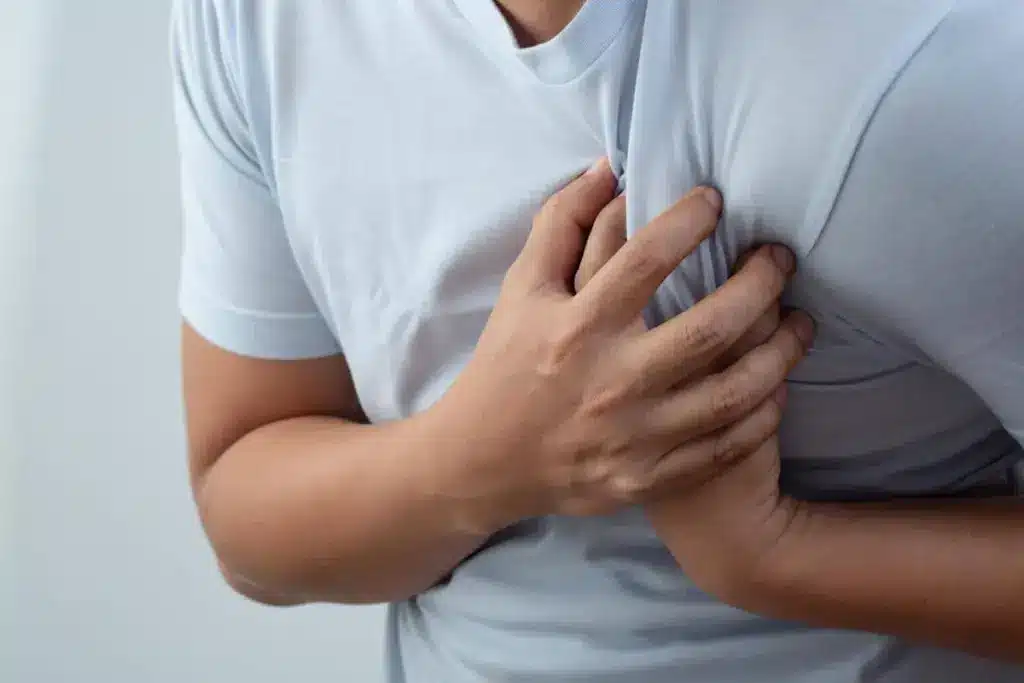
Heart failure is a big problem worldwide. The American Heart Association says over 6 million adults in the US have it. For some, a ventricular assist device (VAD) is a key treatment.
Why would you need ventricular assist device? Learn the crucial and powerful medical reasons for this serious heart support today.
A VAD is a machine that helps pump blood. It moves blood from the heart’s lower chambers to the rest of the body. This helps when the heart is too weak. It’s a big heart failure treatment that can make life better for those with severe heart failure.
Key Takeaways
- Millions of adults in the US live with heart failure.
- A VAD is a mechanical device that assists the heart in pumping blood.
- VADs are used as a treatment for advanced heart failure.
- The use of VADs can significantly improve the quality of life.
- VADs are considered for patients with specific lvad indications.
Understanding Ventricular Assist Devices
Ventricular assist devices (VADs) are mechanical pumps that help the heart pump blood. They are implanted in the heart to support patients with severe heart failure. This provides heart pump assistance.
What is a Ventricular Assist Device?
A ventricular assist device is a medical device that helps the heart pump blood. It’s used for patients with heart failure who can’t pump enough blood. The device is connected to a control system and battery pack outside the body, allowing patients to move freely.
VADs are key in managing advanced heart failure. They offer ventricular assist device benefits like better survival rates and improved quality of life.
How Ventricular Assist Devices Work
A VAD functions through several interconnected components and systems. It’s implanted in the heart, connected to the ventricles, to help pump blood.
Components and Mechanics
The main parts of a VAD include:
- The pump, which is implanted in the heart.
- The cannulas, which are tubes that connect the pump to the heart.
- The driveline, which connects the pump to the external control system and power source.
The mechanics of a VAD involve the pump drawing blood from the ventricle and pumping it into the circulation. This reduces the heart’s workload.
Power Supply and Control Systems
The power for a VAD comes from batteries worn by the patient. This allows for mobility and independence. The control system monitors the device and adjusts its performance as needed. This ensures optimal support for the heart.
Managing a VAD includes regular monitoring and adjustments to the LVAD therapeutic indications. This helps optimize patient outcomes.
Why Would You Need a Ventricular Assist Device?

A VAD is needed when the heart can’t pump enough blood. This happens due to advanced heart failure or cardiogenic shock.
Primary Medical Indications
VADs help those with severe heart problems. These issues make it hard for the heart to work right. The main reasons include:
- Advanced Heart Failure: When heart failure gets worse, a VAD helps the heart pump better.
- Cardiogenic Shock: This is a serious condition where the heart can’t pump enough blood. It often needs a VAD to survive.
Advanced Heart Failure
Advanced heart failure means the heart can’t pump well. This leads to poor blood flow and can harm organs. A VAD can help improve life and survival chances.
Cardiogenic Shock
Cardiogenic shock is a medical emergency. A VAD provides the needed support to keep blood flowing until the heart issue is fixed.
When Traditional Treatments Fail
Traditional heart failure treatments might not work for everyone. If they don’t, a VAD could be an option.
A doctor might suggest an LVAD if you’re waiting for a heart transplant or can’t have one. It’s also for temporary heart failure. The choice to use a VAD depends on your health and how well it might help.
Using a VAD is a big step forward in treating severe heart failure. It gives hope to those who’ve tried other treatments without success.
Types of Ventricular Assist Devices
[PLACE THE IMAGE HERE]
Ventricular assist devices help the heart in different ways. They support the left, right, or both ventricles. Knowing which one is right is key for treating heart failure.
Left Ventricular Assist Devices (LVADs)
LVADs help the left ventricle, which pumps blood to the body. LVAD clinical indications include severe left ventricular dysfunction. This means the left ventricle can’t pump enough blood.
LVADs are used as a bridge to transplantation or as destination therapy. They help patients who can’t get a heart transplant. LVADs improve survival and quality of life for those with advanced heart failure.
Right Ventricular Assist Devices (RVADs)
RVADs support the right ventricle, which pumps blood to the lungs. Right ventricular dysfunction can cause poor blood flow to the lungs. This leads to low oxygen levels and more problems.
RVADs are used when the right ventricle fails and doesn’t respond to treatment. They can be used alone or with an LVAD for biventricular support.
Biventricular Assist Devices (BiVADs)
BiVADs support both the left and right ventricles. This is important for patients with biventricular failure. Biventricular support ensures proper blood flow and oxygenation.
BiVADs are used for severe biventricular dysfunction. They can be a bridge to transplantation or a long-term solution, like LVADs.
In summary, the right VAD depends on the patient’s needs. Knowing the different types and their uses is vital for treating heart failure.
Heart Failure Management and VAD Therapy
Managing heart failure involves many strategies, with VAD therapy key for severe cases. Heart failure means the heart can’t pump enough blood for the body. It’s vital to manage it well to improve survival and quality of life.
Stages of Heart Failure
Heart failure goes through different stages, each needing its own treatment. Knowing these stages helps decide when VAD therapy is needed.
The American Heart Association and the American College of Cardiology have outlined four stages. Stage A is for those at high risk, Stage B for those with heart disease but no symptoms, Stage C for those with symptoms, and Stage D for those needing special treatments.
When Heart Failure Requires Mechanical Support
VAD therapy is considered for advanced or refractory heart failure, mainly in Stage D. At this point, patients often have severe symptoms despite the best medical care.
Refractory Heart Failure
Refractory heart failure means symptoms don’t improve with the best treatment. VAD therapy can greatly help by boosting heart function and easing symptoms.
Hemodynamic Instability
Hemodynamic instability means blood pressure and organ perfusion are not good. VAD therapy helps stabilize these, allowing for recovery or as a bridge to heart transplant.
In summary, VAD therapy is essential for heart failure management, mainly for advanced or refractory cases. Knowing the heart failure stages and when to use mechanical support is key for the best patient care.
LVAD Candidacy Reasons and Patient Selection
To get an LVAD, patients must go through a detailed check. This check looks at their health and how they handle life’s challenges. It’s key to see if LVAD therapy is right for them.
Medical Criteria for VAD Eligibility
For VAD eligibility, patients need to show they have severe heart failure. They must also have a low left ventricle function and clear signs of heart problems. Those with severe heart failure who haven’t gotten better with usual treatments might benefit from LVAD therapy.
A study in the Journal of the American College of Cardiology found LVAD therapy helps. It improves survival and quality of life for those with advanced heart failure.
“The use of LVADs has become an established treatment for patients with advanced heart failure, providing a viable option for those awaiting heart transplantation or as destination therapy.”
Contraindications for VAD Therapy
LVAD therapy can save lives, but it’s not for everyone. There are medical and psychosocial reasons why some can’t get it.
Medical Contraindications
Medical reasons include severe kidney or liver disease, and irreversible lung pressure. Patients with these issues might face serious risks after getting an LVAD. A detailed medical check is needed to spot these risks.
Psychosocial Considerations
Psychosocial factors are also important. Things like thinking skills, following treatment plans, and having support are checked. Having a strong support system is key for LVAD patients.
Choosing the right patients for LVAD therapy is complex. It involves looking at both medical and psychosocial aspects. By picking the right candidates, doctors can make a big difference in their lives.
Ventricular Assist Device Benefits and Quality of Life
VADs help the heart work better. They improve survival rates, increase physical strength, and boost mental and social health for those with advanced heart failure.
Improved Survival Rates
VADs have greatly increased survival chances for heart failure patients. Research shows they cut down on deaths and help people live longer.
Key statistics show the benefits of VADs include:
- Improved survival rates at 1 and 2 years post-implantation
- Reduced hospitalization rates due to heart failure exacerbation
- Enhanced functional status, as measured by the New York Heart Association (NYHA) classification
Enhanced Physical Capacity
VADs make it easier for heart failure patients to do daily tasks. They help patients do physical activities that were hard before.
Patients with VADs often feel better physically. They can be more independent and enjoy activities they love.
Psychological and Social Benefits
VAD therapy has big mental and social benefits. It makes patients feel better mentally and improves their life quality.
The psychological benefits of VAD therapy include:
- Reduced symptoms of depression and anxiety
- Improved overall mental well-being
- Enhanced social interactions and relationships
VADs greatly enhance life quality for heart failure patients. They improve survival, physical strength, and mental and social health.
Therapeutic Goals of Ventricular Support
Ventricular support through VAD therapy has many goals. It aims to improve the patient’s life and survival. It does this by providing mechanical support that meets their specific needs.
VADs are used in various clinical scenarios. Each scenario has its own goals. A leading cardiologist notes,
“The versatility of VAD therapy allows it to be adapted to a wide range of patient needs, from temporary support to long-term management.”
Bridge to Transplantation
VADs are often used as a bridge to transplantation. They support patients with severe heart failure waiting for a transplant. VADs keep the heart working well until a donor heart is found.
Bridge to Recovery
In some cases, VADs act as a bridge to recovery. They support the heart while it heals from conditions like myocarditis. The goal is to wean the patient off the device as their heart gets stronger.
Destination Therapy
For those not eligible for a transplant, VADs can be destination therapy. They provide long-term support, improving survival and quality of life. This option is for patients with severe heart failure who have tried other treatments.
The choice of VAD therapy depends on the patient’s needs. This includes their medical history, current condition, and chances for recovery or transplant. A heart failure specialist says,
“The decision to use a VAD as bridge to transplantation, bridge to recovery, or destination therapy requires a thorough evaluation of the patient’s clinical status and needs.”
Living with a Ventricular Assist Device
A VAD can save lives but changes daily life and self-care. It’s important to understand the device, manage it, and watch for complications.
Daily Life Adjustments
Life with a VAD means making daily changes. You’ll need to check the device, manage the battery, and know the alarms. Even simple tasks like showering or dressing might need adjustments.
Keeping a healthy lifestyle is key. This includes eating well and exercising as your doctor advises. It helps your health and the VAD’s effectiveness.
Managing Your Device
Managing a VAD means daily checks and maintenance. You should know the device’s status, watch for alarms, and know how to handle problems. Regular tasks like battery replacement and cleaning are also important.
Potential Complications and Monitoring
While a VAD improves life, it comes with risks. Complications like infection, bleeding, and device failure are possible.
Device-Related Complications
Complications from the device can be serious. It’s important for patients and caregivers to know the signs, like unusual sounds, fever, or bleeding.
Regular Follow-up Care
Regular visits to healthcare providers are key for VAD success. These visits help monitor the device, adjust settings, and catch problems early.
|
Complication |
Signs and Symptoms |
Action |
|---|---|---|
|
Infection |
Fever, redness, swelling around the device site |
Contact healthcare provider immediately |
|
Bleeding |
Unusual bruising, bleeding from the surgical site |
Seek emergency medical care |
|
Device Malfunction |
Unusual noises, alarms sounding |
Check device status, contact healthcare provider |
Knowing about lvad clinical indications and complications helps manage the condition. The need for a VAD depends on the individual’s health and medical history.
The goals of a VAD, like being a bridge to transplant or recovery, guide treatment. Regular monitoring and follow-up are key to reaching these goals.
Conclusion
Understanding ventricular assist devices (VADs) is key in heart failure management. VADs help the heart work better, improving survival and quality of life for those with severe heart failure.
The main goal of LVAD treatment is to help those who don’t get better with usual treatments. LVADs support the left ventricle, boosting heart function. This meets the heart’s support needs.
Managing heart failure is complex, and VADs are a big part of it. Knowing how VADs work helps doctors make better care plans. This leads to better results for patients.
As VAD technology grows, it’s important for patients and doctors to stay updated. This knowledge helps in managing heart failure more effectively.
FAQ
What is a ventricular assist device (VAD) and how does it work?
A VAD is a mechanical pump that helps the heart. It’s implanted in the body. It takes some blood from the ventricle and pumps it to the body, easing the heart’s work.
Why would someone need a ventricular assist device?
A VAD is needed for those with severe heart failure or cardiogenic shock. Their heart can’t pump enough blood. It’s also used when other treatments fail.
What are the different types of ventricular assist devices available?
There are several VADs, like Left Ventricular Assist Devices (LVADs), Right Ventricular Assist Devices (RVADs), and Biventricular Assist Devices (BiVADs). Each supports different heart functions.
How is candidacy for an LVAD determined?
LVAD candidacy is based on heart failure severity, overall health, and any contraindications. Both medical and psychosocial factors are considered.
What are the benefits of VAD therapy?
VAD therapy can increase survival rates and improve physical ability. It also offers psychological and social benefits, improving life quality for heart failure patients.
What are the therapeutic goals of ventricular support?
The goals of VAD therapy include being a bridge to transplantation, recovery, or as destination therapy. It depends on the patient’s needs and condition.
How does one live with a ventricular assist device?
Living with a VAD means making lifestyle adjustments. You need to manage the device, watch for complications, and follow up regularly. This ensures the device works well and the patient’s condition is stable.
What is the role of VADs in heart failure management?
VADs are key in managing heart failure, mainly in advanced stages or when other treatments fail. They provide mechanical support and improve blood flow.
Can VAD therapy improve survival rates for heart failure patients?
Yes, VAD therapy can increase survival rates for those with advanced heart failure. It provides the necessary mechanical support to the heart.
Are there any risks or complications associated with VAD therapy?
Like any medical therapy, VAD therapy has risks and complications. These include infection, bleeding, and device malfunction. They must be closely monitored and managed.
References
National Center for Biotechnology Information. Evidence-Based Medical Insight. Retrieved from https://pubmed.ncbi.nlm.nih.gov/28781937/