



A 90% blockage in a coronary artery is a serious issue that needs quick medical help. We know this blockage can be deadly. But, thanks to modern treatments, many patients are now surviving.
Dealing with a 90% blockage means knowing how bad it is and what treatments are available. For stable patients, angioplasty with stenting or coronary artery bypass graft (CABG) are top choices. Both have high success rates for survival and long-term health.
When it comes to a widow maker heart attack, acting fast is key. We’ll dive into these treatments, looking at their benefits, risks, and who they’re best for.
Key Takeaways
- A 90% blockage in the heart needs fast medical action.
- Angioplasty with stenting and CABG are main treatments for stable patients.
- Both methods have high success rates for survival and long-term health.
- Quick action is vital for a widow maker heart attack.
- Which treatment is best depends on the patient’s condition and symptoms.
Understanding Severe Coronary Artery Blockage

Severe coronary artery blockage has a big impact on heart health. It’s very important to act quickly. We’ll look at what a severe blockage is, its dangers, and how it affects blood flow and heart function.
What Constitutes a Severe Blockage
A severe blockage is when an artery is narrowed by 70% or more. This greatly reduces blood flow to the heart. It can cause ischemia or even a heart attack.
The Danger of 90% Blockage
A 90% blockage is very dangerous for the heart. It severely limits blood flow, which can damage the heart. The Left Anterior Descending (LAD) artery is key because it supplies a lot of blood to the heart.
Impact on Blood Flow and Heart Function
A 90% blockage hurts the heart’s ability to get oxygen and nutrients. This can cause chest pain (angina) and shortness of breath. Quick treatment is needed to fix blood flow and avoid lasting damage.
The Widowmaker: Understanding the Critical LAD Artery
A blockage in the LAD artery is very serious and needs quick medical help. The LAD artery is a key part of the left coronary artery. It supplies a big part of the heart with blood.
Anatomy of the Left Anterior Descending Artery
The LAD artery runs along the heart’s front. It gives blood to the heart’s front wall, the middle part of the heart, and sometimes the heart’s tip. Because it covers so much, it’s very important for the heart to work right. Any blockage can cause a big heart attack, which can be very serious.
Why LAD Blockage Earned the “Widowmaker” Name
The term “widowmaker” comes from the high death rate with LAD artery blockages. In the past, such blockages often meant death, leaving spouses alone. The danger of a “widowmaker” heart attack is its ability to harm the heart muscle a lot. This can lead to a high death rate if not treated fast.
Survival Statistics and Mortality Rates
Thanks to new medical tech and faster emergency care, survival rates have gone up. But, it’s a serious condition. Mortality rates depend on how bad the blockage is, how fast treatment starts, and the patient’s health. Quick action is key to saving lives. Studies show that fast treatment can lower death rates from “widowmaker” heart attacks.
Recognizing Symptoms of Severe Coronary Blockage
Knowing the warning signs of severe coronary blockage can save lives. This condition, linked to the Left Anterior Descending (LAD) artery, can cause serious heart damage if not treated quickly.
Common Warning Signs
Common symptoms include chest pain or discomfort, known as angina. This pain can spread to the arms, back, neck, jaw, or stomach. Other signs are shortness of breath, feeling tired, lightheaded, and nausea. These signs mean the heart is not getting enough oxygen-rich blood.
When to Seek Emergency Care
If you have chest pain that lasts more than a few minutes, or if it’s very severe, get emergency care right away. Also, seek help if you have trouble breathing, feel extremely tired, or have a feeling of impending doom.
Differences in Symptom Presentation Between Men and Women
Symptoms of coronary blockage can vary between men and women. Men often feel chest pain, but women might experience shortness of breath, nausea, or fatigue without chest pain. It’s important to recognize these differences to get timely diagnosis and treatment.
|
Symptom |
Men |
Women |
|---|---|---|
|
Chest Pain |
Common |
Less Common |
|
Shortness of Breath |
Less Common |
Common |
|
Fatigue |
Less Common |
Common |
Emergency Treatment for Acute Coronary Blockage
The emergency treatment for acute coronary blockage is fast and focused. It aims to save heart tissue and function. When a patient shows signs of a severe blockage, the medical team acts quickly.
First Response and Emergency Room Procedures
First responders are key in the first steps of care. At the hospital, the emergency room team quickly checks the patient. They start treatment by giving oxygen, aspirin, and other medicines to ease symptoms and stop clots.
Medications to Restore Blood Flow
Medicines are vital in treating acute coronary blockage. Antiplatelet drugs and anticoagulants stop new clots and shrink old ones. Sometimes, thrombolytic therapy is used to break up clots in the coronary arteries.
- Aspirin to prevent further clotting
- Antiplatelet drugs like clopidogrel to inhibit platelet aggregation
- Anticoagulants such as heparin to prevent new clot formation
Time-Critical Interventions
Time is critical in treating acute coronary blockage. Quick action leads to better results. Angioplasty and stenting are common to open blocked arteries. For the “widowmaker” artery, fast action is even more important because of the high risk of death.
Quick medical care can greatly improve survival chances and lower complication risks. Knowing how urgent it is can help patients get help fast when symptoms appear.
Diagnostic Procedures for Identifying Heart Blockages
To understand heart blockage, we use both non-invasive and invasive tests. These help doctors see how bad the blockage is. They then choose the best treatment.
Non-Invasive Testing Methods
First, we do non-invasive tests. Stress tests check how well the heart works under stress. Echocardiograms use sound waves to see the heart. And electrocardiograms (ECG) look at the heart’s electrical activity.
Coronary Angiography: The Gold Standard
Coronary angiography is the top choice for detailed views. It involves dye in the arteries to see blockages on X-rays. A study shows it’s key for treatment plans.
Advanced Imaging Techniques
Advanced imaging gives more details about heart blockages.
CT Angiography
uses CT to see the coronary arteries.
Intravascular Ultrasound
|
Diagnostic Test |
Description |
Usefulness |
|---|---|---|
|
Stress Test |
Measures heart function under stress |
Initial assessment of heart blockage |
|
Coronary Angiography |
Visualizes blockages using contrast dye |
Gold standard for diagnosing blockages |
|
CT Angiography |
Uses CT to visualize coronary arteries |
Detailed view of artery blockages |
Angioplasty and Stenting: Primary Treatment Option
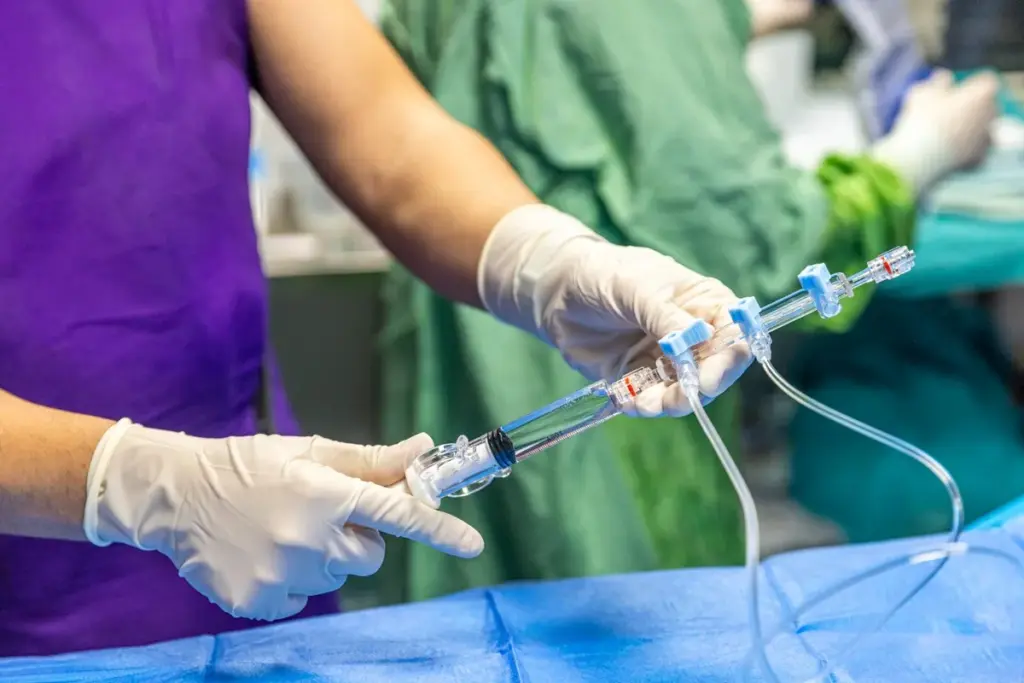
Angioplasty with stenting is a top choice for treating severe heart blockages. It’s a minimally invasive method. A balloon opens the blocked artery, and a stent keeps it open.
The Procedure Explained
The angioplasty starts with a catheter in the blocked artery. A guidewire is then pushed through to the blockage. A balloon angioplasty inflates a balloon to clear the blockage and widen the artery. After, a stent is placed to prevent narrowing.
Types of Stents Available
There are several stent types:
- Bare-metal stents: Simple metal mesh stents.
- Drug-eluting stents: Coated with medication to prevent re-narrowing.
- Bioresorbable stents: Made from materials that gradually dissolve.
Success Rates and Outcomes
Immediate Results
Angioplasty and stenting have high immediate success rates. Most patients see big improvements in symptoms.
Long-term Effectiveness
Long-term results depend on the stent type and patient care. Drug-eluting stents have lower re-narrowing rates than bare-metal stents.
Recovery After Angioplasty
Recovery from angioplasty is quick, with most going home in a day. Post-procedure care includes watching for complications and taking medications. Lifestyle changes are also recommended to avoid future heart issues.
|
Type of Stent |
Re-narrowing Rate |
Cost |
|---|---|---|
|
Bare-metal |
Higher |
Lower |
|
Drug-eluting |
Lower |
Higher |
|
Bioresorbable |
Varies |
Varies |
Knowing about the procedure, stent types, and recovery helps patients make better choices.
Coronary Artery Bypass Grafting (CABG)
Coronary Artery Bypass Grafting (CABG) is a key surgery for treating serious heart disease. It helps people with severe blockages in their heart’s arteries. This surgery can restore blood flow to the heart.
When Bypass Surgery is Recommended
CABG is often suggested for those with blockages in many arteries. It’s also for people who can’t have angioplasty. Doctors look at how bad the blockages are and the patient’s health to decide.
The Surgical Procedure
The CABG surgery uses a healthy blood vessel to bypass the blocked artery. This vessel is usually taken from the leg or chest. The surgery is done under general anesthesia, and a heart-lung machine keeps blood flowing.
Recovery and Rehabilitation
Recovering from CABG surgery is important. Patients stay in the hospital for a few days and may need weeks to fully recover. Cardiac rehab helps them get stronger and improve their heart health.
Long-term Outcomes and Success Rates
CABG greatly improves life for those with serious heart disease. Many patients see better quality of life and fewer symptoms. The left anterior descending (LAD) artery is a key area where CABG helps a lot.
Knowing about CABG helps patients choose the best treatment. With its success in improving life, CABG is a vital option for severe heart disease.
Comparing Treatment Options: Angioplasty vs. Bypass
Angioplasty and CABG are both good for treating heart blockages. But, they have different benefits and risks. Several important factors need to be considered when choosing between them.
Survival Rates Comparison
Both treatments have high success rates in keeping people alive. A Stanford study found little difference in risk between angioplasty and bypass surgery for some patients.
Risk of Repeat Procedures
Another key point is the chance of needing more procedures. Angioplasty might need more follow-ups because of restenosis. But, new stent technologies have made angioplasty outcomes better.
Quality of Life Considerations
How well you feel after treatment is very important. CABG is more invasive but can help more with complex heart disease. Angioplasty, being less invasive, means a quicker recovery for those with simpler blockages.
Decision Factors for Doctors and Patients
The choice between angioplasty and CABG depends on many things. These include the heart disease’s complexity, overall health, and what the patient prefers. Doctors look at these factors to decide the best treatment.
Knowing the differences between angioplasty and CABG helps patients make better choices. They can consider their own situation and medical needs.
Medical Management and Alternative Treatments
Treating coronary artery disease needs a mix of medicine, lifestyle changes, and treatments like EECP. Each patient’s needs are different, so a tailored approach is key.
Medication Therapy Options
Medicine is vital in managing coronary artery disease. Doctors often prescribe beta-blockers, statins, and antiplatelet drugs. These help control symptoms, slow the disease, and prevent serious problems.
|
Medication Type |
Purpose |
|---|---|
|
Beta-blockers |
Reduce heart rate and blood pressure |
|
Statins |
Lower cholesterol levels |
|
Antiplatelet drugs |
Prevent blood clots |
Enhanced External Counterpulsation (EECP)
EECP is a non-invasive method to boost blood flow to the heart. It uses cuffs on the legs to improve circulation. It’s great for those who can’t have surgery or haven’t seen results from other treatments.
“EECP has been shown to reduce symptoms of angina and improve quality of life for patients with coronary artery disease.”
American Heart Association
Emerging Treatments and Clinical Trials
New treatments for coronary artery disease are being researched. Gene therapy and stem cell therapy are being tested in trials. These new methods might offer better results for those with severe blockages.
Lifestyle as Medicine
Changing your lifestyle is a big part of managing coronary artery disease. Eating well, exercising, quitting smoking, and managing stress are key. These changes can slow the disease’s progress and improve your health.
Recovery and Life After Treatment for Severe Heart Blockage
Patients recovering from severe heart blockage treatment start a journey of healing. This journey includes rehabilitation, lifestyle changes, and ongoing care. It’s a process that needs careful medical attention, personal effort, and a supportive environment.
Cardiac Rehabilitation Programs
Cardiac rehabilitation programs are key for patients to regain strength and improve heart health. These programs offer supervised exercise, education on heart-healthy living, and stress counseling.
Key components of cardiac rehabilitation include:
- Exercise training to improve cardiovascular health
- Nutritional counseling for a heart-healthy diet
- Stress management techniques
- Education on risk factor modification
Essential Lifestyle Modifications
Adopting essential lifestyle changes is vital for long-term recovery and heart health. This includes eating a healthy diet, staying active, quitting smoking, and managing stress.
A healthy diet for heart health includes lots of fruits, vegetables, whole grains, lean proteins, and healthy fats.
Monitoring and Follow-up Care
Regular monitoring and follow-up care are key to catch any further issues early. Patients need to have regular check-ups with healthcare providers and monitor their heart health indicators.
|
Monitoring Aspect |
Description |
Frequency |
|---|---|---|
|
Blood Pressure Monitoring |
Tracking blood pressure levels |
Daily/Weekly |
|
Cholesterol Levels |
Checking cholesterol levels |
Every 6-12 months |
|
Medication Adherence |
Ensuring timely medication intake |
Daily |
Emotional and Psychological Recovery
It’s important to address the emotional and psychological aspects of recovery. Counseling, support groups, and stress management techniques can help patients deal with the emotional impact of heart blockage treatment.
Conclusion: Living with Confidence After Treating a 90% Heart Blockage
Treating a 90% heart blockage is a big challenge. But, thanks to modern medicine, patients can see great results. A blockage this big, often called a “widow maker heart attack,” needs quick and effective treatment.
Knowing about treatment options like angioplasty and stenting or CABG helps. It’s the first step to living confidently after treatment. Studies show that with the right care and lifestyle changes, patients can greatly improve their health and life quality.
Cardiac rehab programs, lifestyle changes, and regular check-ups are key. They help keep the heart healthy and prevent future blockages. With proper treatment and care, patients can look forward to a good future and getting back to their normal lives.
FAQ
What is considered a severe coronary artery blockage?
A severe blockage is when 90% or more of the artery is blocked. This greatly limits blood flow to the heart.
What are the primary treatments for a 90% blockage in the heart?
Treatments include angioplasty with stenting and coronary artery bypass grafting (CABG). Both have shown to be very effective.
What is a “widowmaker” heart attack?
A “widowmaker” heart attack happens when the left anterior descending (LAD) artery is blocked. It’s very dangerous because it can cause a lot of heart damage.
What are the common symptoms of severe coronary blockage?
Symptoms include chest pain or discomfort, shortness of breath, and feeling tired. But, symptoms can differ between men and women.
How is a 90% heart blockage diagnosed?
Tests like stress tests and echocardiograms are used first. Then, more detailed tests like coronary angiography might be needed.
What is the difference between angioplasty and CABG?
Angioplasty uses a balloon to open the artery and a stent to keep it open. CABG uses grafts to bypass the blocked areas.
What is the recovery process like after treating a 90% heart blockage?
Recovery includes cardiac rehab, lifestyle changes, and ongoing care. It’s a multi-step process.
Can lifestyle changes help manage coronary artery disease?
Yes, making diet and exercise changes is key to managing the disease and improving health.
What are the survival statistics for a “widowmaker” heart attack?
Survival rates vary. But, getting quick treatment is critical. A “widowmaker” heart attack can be deadly if not treated right away.
Are there alternative treatments available for coronary artery disease?
Yes, treatments like enhanced external counterpulsation (EECP) are available. New treatments and trials offer hope for better options.
How do doctors decide between angioplasty and CABG for treatment?
Doctors consider many factors, like survival rates and quality of life. They also look at the risk of needing more procedures.
What is the role of medication therapy in managing coronary artery disease?
Medications are very important. They help control symptoms and improve health outcomes.
References
National Center for Biotechnology Information. Evidence-Based Medical Insight. Retrieved from https://pmc.ncbi.nlm.nih.gov/articles/PMC3966156/



 Departments
 Related Videos
 Our Doctors
 News
News


