Many people think an overactive thyroid means you’ll lose weight. But this isn’t always true. Some folks with hyperthyroidism can actually gain weight, even though their thyroid is working too hard.
It’s important to understand why this happens. We’ll look into how an overactive thyroid can affect your weight in ways you might not expect. We’ll use the latest research and medical knowledge to explain it.
Key Takeaways
- Hyperthyroidism doesn’t typically cause weight gain during the active disease phase.
- Excess thyroid hormone usually accelerates metabolism, leading to weight loss.
- Treatment for hyperthyroidism can sometimes result in weight gain.
- Understanding the relationship between hyperthyroidism and weight changes is key to managing it well.
- Post-treatment weight gain is a common issue for many patients.
The Hyperthyroidism Paradox: When Metabolism Speeds Up
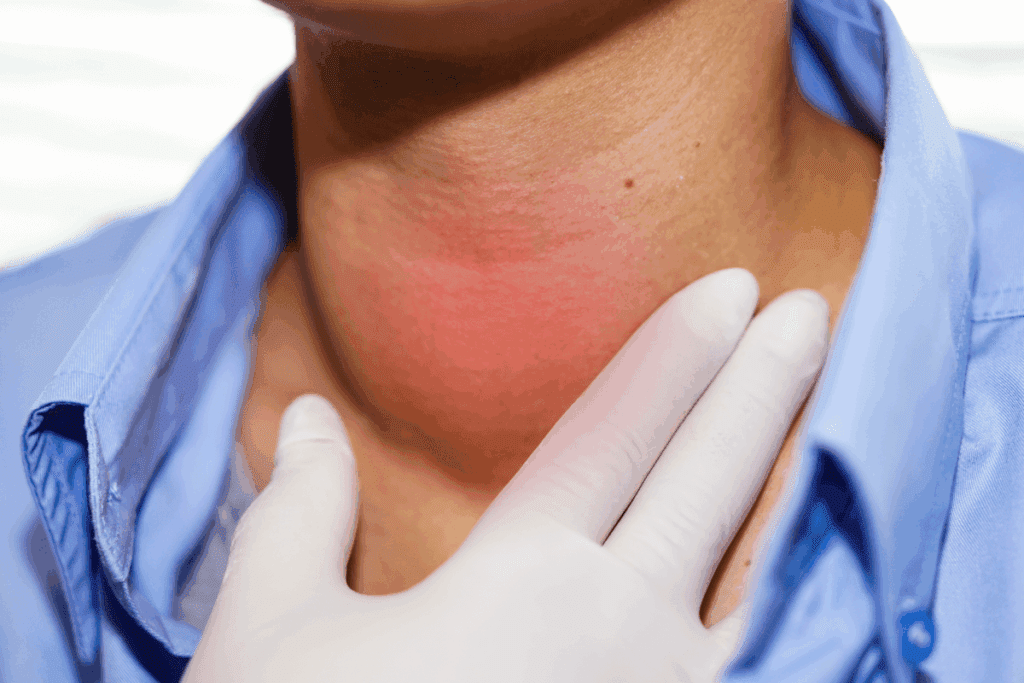
When thyroid hormone levels surge, the body’s metabolic rate goes up. This leads to a mix of changes in how the body works. This condition, known as hyperthyroidism, changes how the body uses energy. It can cause symptoms like changes in body weight.
What Happens to Your Body With an Overactive Thyroid
Hyperthyroidism means the body makes too many thyroid hormones. These hormones control how fast the body burns calories. With too many, the body burns more calories even when it’s not doing anything.
This can cause symptoms like:
- Increased heart rate
- Weight loss
- Nervousness or anxiety
- Heat intolerance
- Fatigue
These symptoms happen because too many thyroid hormones speed up the body’s processes. This affects almost every part of the body.
The Expected Weight Pattern: Why Weight Loss is Common
Weight loss is a common sign of untreated hyperthyroidism. The body burns more calories, even when it’s not moving. This leads to losing weight.
But, research shows about 10 percent of people with untreated hyperthyroidism might gain weight. This could be because they eat more, even though their metabolism is faster.
The link between hyperthyroidism and weight is complex. While most people lose weight, some gain it. This is because of different factors, like how much they eat.
Key factors influencing weight changes in hyperthyroidism include:
- The degree of metabolic acceleration
- Changes in appetite and food intake
- Individual variability in metabolic response
Knowing these factors is key to managing weight changes in hyperthyroidism.
Will Hyperthyroidism Cause Weight Gain? The Surprising Answer

The link between hyperthyroidism and weight is not straightforward. Some people with an overactive thyroid might gain weight instead of losing it. This is a surprise because we usually think of hyperthyroidism causing weight loss due to a faster metabolism.
The 10% Exception: When Hyperthyroidism Leads to Weight Gain
About 10% of those with hyperthyroidism might gain weight instead of losing it. This can happen because they eat more calories than their body burns, even with a faster metabolism. Increased appetite plays a big role in this.
Weight gain often becomes a problem after treatment for hyperthyroidism starts. Research shows that many patients gain weight after treatment. Around 65% gain at least 5% of their body weight, and 38% gain 10% or more.
Understanding the Metabolic Contradiction
The metabolic contradiction in hyperthyroidism is when people gain weight despite a faster metabolism. This can be due to changes in appetite and how much food they eat.
To understand why some people gain weight with hyperthyroidism, let’s look at the data:
Factor | Impact on Weight | Percentage of Patients Affected |
Increased Appetite | Higher calorie intake | 50% |
Metabolic Changes Post-Treatment | Weight gain due to reduced metabolism | 65% |
Hormonal Imbalance | Variable effects on weight | 30% |
It’s important to understand these factors to manage weight during and after hyperthyroidism treatment. By knowing the risks of weight gain and addressing them, doctors can provide better care to their patients.
The Science Behind Hyperthyroidism and Body Weight
It’s important to understand how hyperthyroidism affects body weight. We’ll explore how thyroid hormones control metabolism and how they relate to weight.
How Thyroid Hormones Regulate Metabolism
Thyroid hormones are key in managing our metabolism. Metabolism is how our body uses energy. In hyperthyroidism, too much thyroid hormone speeds up this process.
Metabolic Regulation: These hormones affect how we metabolize glucose, lipids, and proteins. An overactive thyroid gland makes more hormones, speeding up these processes.
The Complex Relationship Between Thyroid Function and Weight
The link between thyroid function and weight is complex. An overactive thyroid usually leads to weight loss due to faster metabolism. But, some people might gain weight instead. This can happen because of increased hunger or changes in how the body uses energy.
Factor | Effect on Weight |
Increased Appetite | Potential for weight gain if calorie intake exceeds energy expenditure |
Metabolic Efficiency | Changes in how the body utilizes energy can influence weight |
Hormonal Balance | Imbalance in thyroid hormones can affect weight regulation |
Men tend to gain about 17.6 pounds, while women gain around 12.1 pounds after treating hyperthyroidism. Knowing these details helps in managing weight effectively.
Appetite vs. Metabolism: Why Some People Gain Weight With Hyperthyroidism
Hyperthyroidism usually speeds up metabolism. But, some people might gain weight because they eat more. This shows how complex metabolism and eating are in hyperthyroidism.
Increased Appetite as a Symptom of Hyperthyroidism
Increased appetite is a common sign of hyperthyroidism. When thyroid hormone levels go up, the body burns calories faster. But, this also makes you hungrier. You might eat more calories than you burn, even with a faster metabolism.
- Increased hunger and food cravings
- Greater caloric intake to satisfy hunger
- Potential for consuming more calories than the body expends
When Food Intake Exceeds Even a Faster Metabolism
If you eat a lot more calories because you’re hungrier, you might gain weight. This can happen even if you’re burning calories faster. It all comes down to how much you eat versus how fast you burn it.
Weight gain in hyperthyroidism is more likely in certain situations:
- When you eat way more calories than your body uses
- If you eat a lot of high-calorie foods
- During treatment, when metabolism goes back to normal but hunger stays high
It’s important to understand how appetite, eating, and metabolism work together for weight management in hyperthyroidism. By knowing how to handle hunger and making smart food choices, patients can manage their weight better.
Post-Treatment Weight Gain: The Common Challenge
Many people gain weight after treating hyperthyroidism. This is because treatment changes how much thyroid hormone the body makes. It can make you gain weight, even if you lost it before treatment.
Studies show that a lot of people gain weight after treatment. This is a common issue for those who have had hyperthyroidism.
The Statistical Reality: 65% of Patients Gain Weight
About 65% of patients gain weight after hyperthyroidism treatment. This fact shows why it’s important for patients to know about possible weight changes.
Weight gain happens because the body’s metabolism slows down. When thyroid hormone levels are treated, the body burns less energy. This can cause weight gain, even if you’re hungry.
Understanding the Metabolic Adjustment Period
The time it takes for the body to adjust to treatment is key. Patients may see changes in their weight during this time. It can take months for the body to fully adjust.
It’s important for patients to watch what they eat and stay active during this time. Making smart choices can help manage weight and prevent gain.
Dealing with weight changes after hyperthyroidism treatment can be tough. But with the right help and support, patients can handle these changes well.
Gender Differences in Hyperthyroidism-Related Weight Changes
Studies show men and women gain weight differently after hyperthyroidism treatment. This difference is key. It shows we need care that fits each person’s needs.
Men’s Experience: Average Gain of 17.6 Pounds
Men usually gain more weight than women after treatment. They gain about 17.6 pounds on average. This big weight gain comes from changes in how they metabolize food and their appetite.
Women’s Experience: Average Gain of 12.1 Pounds
Women gain about 12.1 pounds on average after treatment. This is less than men, but it’s a big change. It can affect their health and happiness.
It’s important for doctors to know these differences. This way, they can give advice that really helps. By understanding these differences, we can help manage weight changes better. This improves how well patients do after treatment.
The Timeline of Weight Gain After Hyperthyroidism Treatment
Knowing when weight gain happens after hyperthyroidism treatment is key. It helps patients understand and adjust to changes. Weight gain is common after treatment, and knowing when it starts can help patients prepare.
The Critical First Six Months
The first six months after treatment are key for weight changes. Studies show most weight gain happens in this time. As thyroid hormone levels get back to normal, the body’s metabolism slows down, leading to weight gain if not managed.
Patients need to be ready for this. They should eat well and exercise regularly. This helps manage weight during the metabolic slowdown.
Long-term Weight Changes: Up to Two Years Post-Treatment
Weight gain doesn’t stop at six months. Some patients see changes up to two years later. Factors like lifestyle, diet, and adjusting to new thyroid hormone levels play a role.
To understand weight gain patterns, let’s look at some data:
Time Post-Treatment | Average Weight Gain | Percentage of Patients |
0-6 months | 5-10 pounds | 65% |
6-12 months | 2-5 pounds | 20% |
1-2 years | 1-3 pounds | 15% |
This table shows most weight gain is in the first six months. But, many patients see changes later too. Knowing this helps patients stay healthy over time.
Different Types of Hyperthyroidism Treatment and Their Impact on Weight
There are many ways to treat an overactive thyroid gland. Knowing how each treatment affects weight is key to managing it well. The main treatments are thionamides (medication), radioiodine treatment, and surgery. Each one affects the body differently, which means they all impact weight in unique ways.
Medication-Based Treatments and Weight Fluctuations
Thionamides, like methimazole, are often the first choice for treating hyperthyroidism. They help lower thyroid hormone production. Weight changes are common at first as the body’s metabolism adjusts. Some people might gain weight because they’re hungrier, while others might keep losing weight until their hormone levels get back to normal.
It’s important to watch your weight closely when taking medication. Changing the dose can help control weight changes. Eating well and exercising regularly can also help avoid weight gain.
Surgical Interventions and Radioactive Iodine: Weight Implications
Surgery and radioactive iodine treatment are also good options for managing hyperthyroidism. Surgery removes part or all of the thyroid gland, while radioactive iodine kills thyroid tissue. Both can make thyroid hormone levels drop, which might make you gain weight as your metabolism slows down.
After surgery or radioactive iodine treatment, you might need to take thyroid hormone replacement. Managing this medication well is key to avoiding weight gain. Working with your doctor to adjust your medication can help keep your weight stable.
Managing Weight During and After Hyperthyroidism Treatment
Managing weight during and after hyperthyroidism treatment is a big challenge. It needs a mix of strategies. Hyperthyroidism and its treatment can really affect your weight. We’ll look at ways to manage weight during this time.
Dietary Strategies for Weight Management
Eating a balanced diet is key for weight management during and after hyperthyroidism treatment. Eating nutrient-dense foods that are filling can help avoid unwanted weight gain. We suggest focusing on:
- Lean proteins to support muscle mass
- Complex carbohydrates for sustained energy
- Healthy fats for overall well-being
- A variety of fruits and vegetables for essential vitamins and minerals
Portion control is also important. Paying attention to how much you eat can help manage calories, even when you’re hungrier because of hyperthyroidism or its treatment.
Exercise Recommendations for Thyroid Patients
Regular exercise is also vital for weight management in hyperthyroidism patients. A mix of cardiovascular exercises and strength training can help keep a healthy weight and improve health. We recommend:
- Aiming for at least 150 minutes of moderate-intensity aerobic activity or 75 minutes of vigorous-intensity aerobic activity per week
- Incorporating strength training exercises into your routine at least twice a week
- Starting slowly and gradually increasing the intensity and duration of workouts as your fitness level improves
Consulting with a healthcare provider before starting any new exercise program is important, even more so for those with hyperthyroidism. It ensures the chosen activities are safe and right for you.
The Psychological Impact of Unexpected Weight Gain
Unexpected weight gain can deeply affect patients with hyperthyroidism. It can lead to significant emotional impacts, including on mental health. It’s vital to address both the physical and emotional challenges of hyperthyroidism.
Coping With Body Changes
Dealing with body changes during thyroid treatment can be tough. Patients may feel frustrated or anxious about how they look. It’s important to recognize these feelings and seek help when needed. Support can come from doctors, support groups, or family.
Talking openly with your healthcare team about your concerns is helpful. They can provide advice on managing weight and body changes. Also, doing things that boost self-esteem and body positivity can help.
Mental Health Considerations
Mental health is a big concern for thyroid patients. The stress of weight gain and other symptoms can harm mental well-being. It’s key to watch your mental health and get help when needed.
Important mental health points include:
- Spotting signs of depression or anxiety
- Getting support from mental health experts
- Trying stress-reducing activities like meditation or yoga
By focusing on mental health, patients can handle the challenges of hyperthyroidism and its treatment better.
When to Consult Your Doctor About Weight Changes
Knowing when to see a doctor about weight changes is key for your health. Weight changes can be normal, but sometimes they mean there’s an issue that needs a doctor’s help.
See your doctor if you notice big changes in your weight, either up or down, and it’s not because of diet or exercise. Also, watch for other symptoms that might come with weight changes.
Distinguishing Between Normal and Concerning Weight Gain
Not all weight gain is a worry. But, some patterns might mean you should talk to your doctor. For example, if you’re gaining weight fast or if you feel tired, hungry, or have swelling in your legs and feet.
Here are some things to think about when weight gain might be a worry:
- How fast you’re gaining weight: Quick weight gain can mean there’s a problem.
- Where the weight is going: Weight in certain spots, like your face or belly, might point to health issues.
- Other symptoms: Hair loss, skin changes, or mood swings could mean hormonal problems.
Symptom | Possible Indication |
Rapid weight gain | Hormonal imbalance or thyroid issue |
Weight gain with fatigue | Metabolic or endocrine disorder |
Swelling in legs and feet | Fluid retention or cardiovascular issue |
Important Symptoms That Warrant Medical Attention
Some symptoms with weight changes need you to see a doctor right away. These include:
- Severe shortness of breath
- Chest pain
- Severe abdominal pain
- Dizziness or fainting
If you have these symptoms, get medical help fast. Early action can really help.
In short, while some weight changes are okay, it’s important to listen to your body and know when to go to the doctor. By knowing the signs that mean you need medical help, you can take care of your health.
Conclusion: Navigating the Weight Journey With Hyperthyroidism
Understanding the link between hyperthyroidism and weight is key. Weight loss is a common sign of an overactive thyroid. But, some people might gain weight, mainly after treatment starts.
Managing weight with hyperthyroidism needs a full plan. We’ve talked about how treatment can sometimes cause weight gain. Studies show many patients gain weight after treatment.
Good weight management with hyperthyroidism includes diet, exercise, and mental support. Eating right and staying active can help manage weight during and after treatment.
In short, weight gain with hyperthyroidism is not rare, but knowing why can help. Being aware and taking action can help manage weight and improve health.
FAQ
Can hyperthyroidism cause weight gain?
Yes, some people with hyperthyroidism might gain weight. This happens when their appetite increases a lot.
Why do some people gain weight with hyperthyroidism?
Weight gain can happen if you eat more than usual. This is because your appetite goes up. About 10% of people with hyperthyroidism experience this.
How does hyperthyroidism treatment affect weight?
After treatment, many people gain weight. This is because their metabolism slows down. Men usually gain more than women.
What is the average weight gain after hyperthyroidism treatment?
On average, men gain about 17.6 pounds. Women gain about 12.1 pounds after treatment.
How long does it take to notice weight gain after hyperthyroidism treatment?
Weight gain is most noticeable in the first six months. But, changes can keep happening up to two years after treatment.
Can different treatments for hyperthyroidism impact weight differently?
Yes, different treatments can affect weight differently. Medication can cause weight changes. Surgery and radioactive iodine therapy can lead to weight gain as hormone levels get back to normal.
How can I manage weight during and after hyperthyroidism treatment?
Eating right and exercising regularly can help. It’s important to eat a balanced diet and stay active, even if it’s tailored to your health.
What are the psychological impacts of unexpected weight gain during hyperthyroidism treatment?
Unexpected weight gain can affect how you feel about your body. It can also impact your mental health. Finding ways to cope and getting support is key.
When should I consult my doctor about weight changes?
If you notice significant weight gain or other symptoms like fatigue or mood changes, see your doctor. They can check for any underlying issues.
Is weight gain after hyperthyroidism treatment normal?
Yes, about 65% of people gain weight after treatment. But, how much weight varies from person to person.
Can hyperthyroidism cause weight gain in the stomach area?
Hyperthyroidism itself doesn’t directly cause weight gain in specific areas. But, some people might notice changes in how fat is distributed in their body.
How can I distinguish between normal and concerning weight gain?
Normal weight gain is usually slow. But, rapid weight gain or weight gain with symptoms like pain or trouble breathing is concerning. It’s best to talk to a doctor about it.
Reference
National Center for Biotechnology Information. Hyperthyroidism: Weight Gain Despite Overactive Thyroid. Retrieved from https://pmc.ncbi.nlm.nih.gov/articles/PMC12060850/